Unlocking the Secrets to Thriving Under Pressure: A Deep Dive into Choke by Sian Beilock

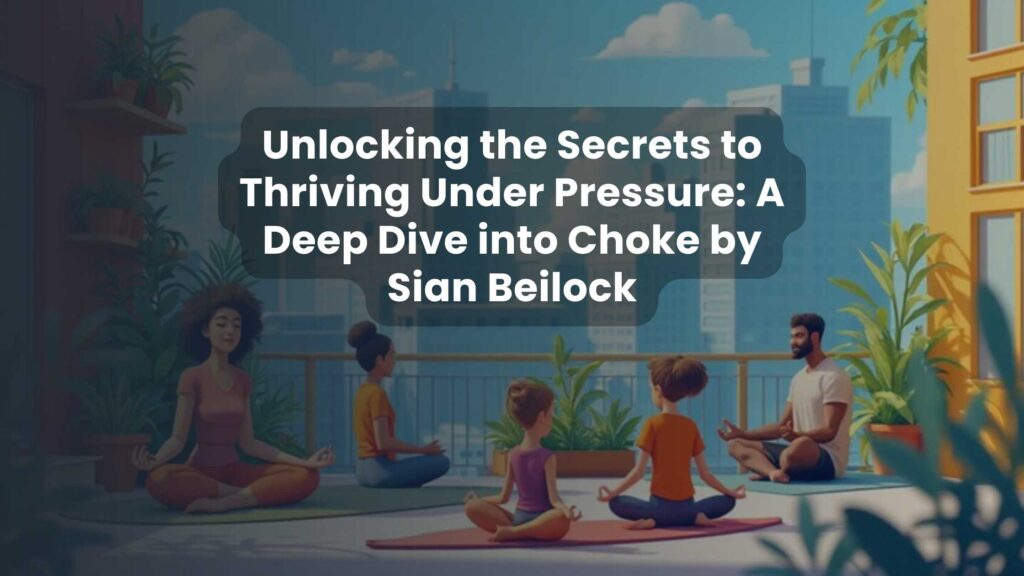
In the high-stakes arena of performance, where every moment counts, the pressure can feel insurmountable. Whether it’s a crucial sports match, a pivotal exam, or a critical presentation at work, the fear of choking—seeing your hard work unravel under the weight of expectation—can be daunting. But what does it truly mean to choke under pressure? This phenomenon isn’t just a fluke; it’s rooted in cognitive science that reveals how stress alters brain function, particularly impacting our working memory. As anxiety creeps in, our focus wanes, leading us to make mistakes we wouldn’t otherwise make in calmer circumstances.
In her groundbreaking book, Sian Beilock examines the intricate dance between performance anxiety and our cognitive abilities. She delves deep into the mechanisms that disrupt our mental clarity when we need it most, providing insights that are applicable across various domains—from athletics to academia and beyond. More than just a theoretical exploration, Beilock offers practical techniques to combat performance stress, emphasizing the importance of mental preparation, resilience, and supportive coaching. As we embark on this journey through her research, we’ll unlock the secrets to not only surviving but thriving under pressure, transforming anxiety into an opportunity for excellence.
What Does It Mean to “Choke” Under Pressure? Understanding the phenomenon of choking and its impact on performance in high-stakes situations.
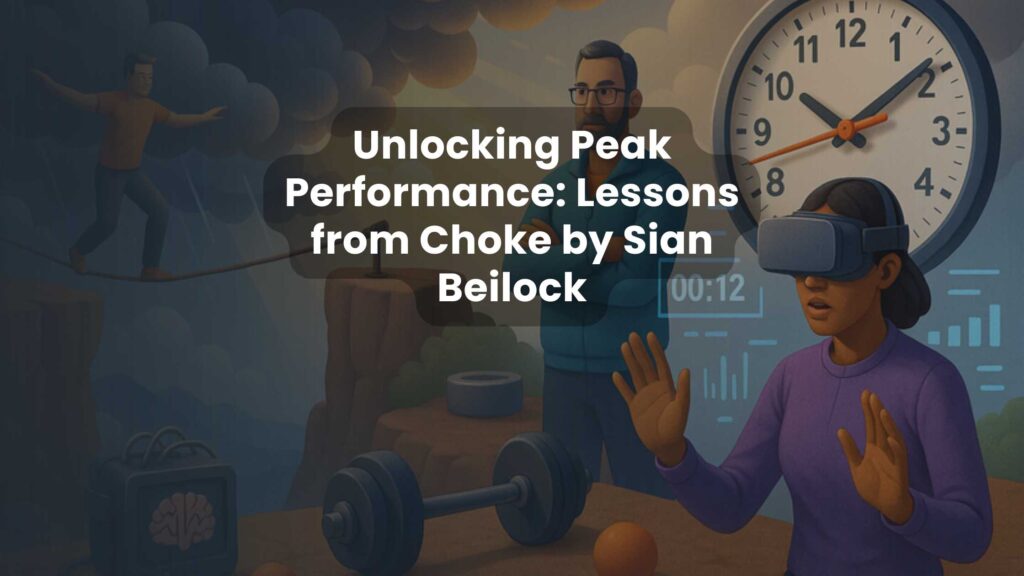
Choking under pressure refers to a significant drop in performance during critical moments, even when individuals are thoroughly prepared. This unsettling phenomenon often manifests in high-stakes situations such as competitive sports, important exams, or pivotal business presentations, where the weight of expectation can be overwhelming. Cognitive science reveals that performance anxiety disrupts working memory, which is essential for processing information effectively; when stress takes hold, mistakes that would normally be avoided can become all too common. For instance, athletes may miss easy shots in crucial games, while students might forget key information during finals. To combat this, practical techniques like mindfulness practices, consistent pre-performance routines, and cognitive restructuring can help manage stress and enhance focus. Additionally, recognizing the impact of societal pressures on performance anxiety, particularly among women and minorities, underscores the necessity of supportive environments. Ultimately, understanding choking not only aids in enhancing individual performance but also fosters resilience and mental preparation across various domains, from sports to business and education.
The Cognitive Science Behind Performance Anxiety
Exploring how cognitive processes and stress influence brain function and lead to performance anxiety.
Performance anxiety is fundamentally shaped by cognitive processes and the stress response that disrupts brain function. When individuals face high-pressure situations, such as sports competitions or critical presentations, their stress levels can overwhelm working memory, the cognitive resource essential for processing information and making quick decisions. Research indicates that under stress, performance can degrade significantly, leading to what is commonly referred to as “choking”—a phenomenon where even well-prepared individuals falter at crucial moments. For instance, athletes may miss a crucial free throw or students might blank on an exam despite thorough preparation. This cognitive disruption stems from negative thought patterns that amplify anxiety, highlighting the importance of mental strategies like mindfulness and cognitive restructuring to improve focus and self-confidence. Furthermore, societal expectations can intensify performance anxiety, particularly among marginalized groups, underscoring the need for supportive environments that foster resilience and adaptability. By incorporating techniques such as visualization and pre-performance routines, individuals can better navigate the complexities of performance anxiety, ultimately enhancing their ability to thrive under pressure.
How Stress Disrupts Working Memory and Performance
Stress significantly disrupts working memory, leading to decreased performance in high-pressure situations. When individuals are faced with stress, their cognitive resources become overwhelmed, making it difficult to concentrate and process information effectively. For instance, a student preparing for a crucial exam may find themselves unable to recall studied material due to the anxiety clouding their thoughts. Research shows that stress can reduce working memory capacity by as much as 25%, resulting in a higher likelihood of mistakes that would typically be avoided in calmer circumstances. This phenomenon, often referred to as “choking under pressure,” underscores the importance of understanding how stress impacts mental function. Techniques such as mindfulness practices and pre-performance routines can help individuals regain focus and manage anxiety, allowing them to perform optimally even in the most demanding environments. By recognizing and addressing the effects of stress on working memory, individuals can enhance their ability to succeed in a variety of fields, from sports to education and beyond.
Practical Techniques to Manage Performance Stress
Effective management of performance stress is vital for achieving optimal results in high-pressure situations. When individuals face critical moments, such as a sports competition or a pivotal presentation, the risk of choking—where performance significantly declines despite thorough preparation—can become a daunting reality. Research in cognitive science reveals that performance anxiety can overwhelm working memory, which is essential for processing information and maintaining focus. For instance, studies show that stressed individuals make 30% more errors in cognitive tasks compared to their calmer counterparts. To combat this, practical techniques like mindfulness practices can help ground individuals in the present, reducing anxiety and enhancing concentration. Establishing pre-performance routines fosters a sense of familiarity and comfort, easing nerves just before crucial moments. Additionally, cognitive restructuring allows individuals to challenge negative thought patterns, promoting a more confident and positive mindset. By employing these strategies, anyone can bolster their resilience, manage performance anxiety, and ultimately excel in their endeavors.
Building Resilience to Thrive Under Pressure
Building resilience is essential for thriving under pressure, as it equips individuals with the necessary tools to navigate high-stakes situations effectively. Choking under pressure, a phenomenon where performance falters despite adequate preparation, often occurs during pivotal moments such as competitions or crucial presentations. Cognitive science reveals that performance anxiety can severely disrupt working memory, leading to increased errors and diminished focus. For instance, studies have shown that stress can reduce working memory capacity by as much as 20%, highlighting the need for effective stress management techniques. Practicing mindfulness can help individuals stay grounded in the present moment, while pre-performance routines create a sense of comfort that alleviates nerves. Additionally, cognitive restructuring allows individuals to shift negative thought patterns, fostering confidence and a positive mindset. Recognizing the societal pressures that amplify anxiety, particularly for marginalized groups, is also critical in addressing the roots of performance-related stress. By cultivating resilience through controlled exposure to high-pressure environments and supportive coaching, individuals can transform anxiety into a tool for success, not a barrier. Ultimately, mental preparation strategies such as visualization and goal setting play a significant role in building self-confidence and readiness, enabling individuals to perform at their best, regardless of the challenges they face.
Building Resilience to Thrive Under Pressure
Building resilience is essential for thriving under pressure, enabling individuals to maintain peak performance even in high-stakes situations. When faced with critical moments, such as a championship game or a pivotal presentation, many experience a phenomenon known as choking, where anxiety disrupts working memory and leads to mistakes. Cognitive science reveals that stress can overwhelm our mental faculties, making it difficult to focus and think clearly. For instance, studies show that individuals under pressure are significantly more likely to make errors than when they are calm. To combat this, practical techniques like mindfulness practices, pre-performance routines, and cognitive restructuring can be invaluable. Mindfulness encourages individuals to stay present, reducing anxiety, while consistent routines foster a sense of comfort. Furthermore, reshaping negative thought patterns can enhance confidence and create a positive mindset. Acknowledging the role of social expectations and cultural influences on performance anxiety is also crucial, particularly for marginalized groups. By embracing these strategies and building resilience through exposure to pressure, individuals can transform stressful experiences into opportunities for growth and success across various domains, from sports to business and beyond.
The Role of Coaching and Leadership in Alleviating Performance Anxiety
Supportive coaching and effective leadership play a crucial role in alleviating performance anxiety, creating an environment where individuals can thrive under pressure. By offering encouragement and constructive feedback, leaders help to cultivate a culture of trust and resilience, enabling team members to perform at their best even in high-stakes situations. For instance, athletes often benefit from coaches who provide not just technical guidance but also emotional support, allowing them to focus on their skills rather than succumbing to the fear of failure. Research shows that mindfulness practices, such as those advocated by experts like Sian Beilock, significantly reduce anxiety, while pre-performance routines foster a sense of familiarity and control. Moreover, understanding the cognitive science behind performance anxiety—such as how stress disrupts working memory—can empower leaders to implement strategies that mitigate these effects. As a result, when coaching and leadership prioritize mental preparation and resilience, they not only enhance individual performance but also foster a supportive community that thrives on collective success.
Importance of Mental Preparation for High-Pressure Situations
Emphasizing the value of mental preparation techniques like visualization and goal setting to build confidence and reduce anxiety.
Mental preparation is crucial for succeeding in high-pressure situations, as it significantly enhances confidence and minimizes anxiety through techniques such as visualization and goal setting. Visualization, which involves mentally rehearsing performance scenarios, can create a sense of familiarity and control, making the actual experience feel less daunting. For instance, athletes often use this technique to envision themselves executing a flawless routine, thereby reducing the likelihood of “choking” under pressure—an all-too-common occurrence when stress disrupts focus and performance. Research indicates that effective mental preparation can lead to improved outcomes, showcasing its importance across various domains, including education and business. Goal setting, another key aspect of mental preparation, establishes clear benchmarks for success, motivating individuals to push through challenges despite external pressures. By employing these techniques, individuals can cultivate resilience and adapt to high-stress environments, ultimately transforming anxiety into a powerful tool for success. In essence, mastering the art of mental preparation is not just about trying harder but about thinking differently to thrive when it matters most.
Conclusion
In conclusion, “Unlocking the Secrets to Thriving Under Pressure” offers a profound exploration of the intricacies of performance anxiety, as illuminated by Sian Beilock in her insightful work, “Choke.” The phenomenon of choking under pressure is a universal experience, transcending the boundaries of sports to impact various aspects of life, including education and business. By delving into the cognitive science behind performance anxiety, we gain a clearer understanding of how stress affects our cognitive abilities, particularly working memory.
Beilock’s practical techniques, such as mindfulness practices, pre-performance routines, and cognitive restructuring, equip individuals with the tools to combat anxiety and enhance their performance. Moreover, recognizing the influence of societal expectations and cultural pressures on mental health adds another layer to our understanding of performance anxiety, emphasizing the importance of creating supportive environments.
Building resilience through exposure to high-pressure scenarios and fostering a culture of encouragement through coaching can further alleviate the fear of failure. Mental preparation strategies, including visualization and goal setting, are essential to instill confidence and readiness for challenges.
As we navigate the complexities of high-stakes situations, it is crucial to remember that thriving under pressure is not merely about exerting more effort; it is about adopting a different mindset. By integrating these insights and strategies into our lives, we can transform anxiety into a powerful catalyst for success, enabling us to perform at our best when it matters most. Embracing the journey of understanding and managing performance anxiety is a vital step toward unlocking our full potential.
FAQ
FAQ Section for Unlocking the Secrets to Thriving Under Pressure: A Deep Dive into Choke by Sian Beilock
1. What does it mean to “choke” under pressure?
Choking under pressure refers to a significant drop in performance during critical moments, despite being well-prepared. This phenomenon typically occurs in high-stakes situations, such as sports competitions, exams, or important presentations, where the outcome is particularly significant.
2. What is the cognitive science behind performance anxiety?
Performance anxiety is rooted in cognitive science, which explains how stress affects brain function. When individuals experience anxiety, their working memory can be compromised. Since working memory is essential for processing information, this can lead to mistakes that might not occur under calmer conditions.
3. How does stress disrupt working memory and performance?
Stress can overwhelm working memory, making it difficult to maintain focus and increasing the likelihood of errors. Recognizing the relationship between stress and working memory is crucial for enhancing performance during high-pressure situations.
4. What practical techniques can help manage performance stress?
Sian Beilock offers several effective strategies for managing performance stress. These include mindfulness practices that encourage focusing on the present moment to reduce anxiety, establishing pre-performance routines that create comfort and familiarity, and employing cognitive restructuring to shift negative thought patterns into a more positive mindset.
5. How do social expectations and cultural influences affect anxiety?
Societal pressures can exacerbate performance anxiety, particularly for women and minorities. Understanding how these external influences impact mental health is vital for addressing the roots of performance anxiety and fostering a healthier mindset.
6. What role does resilience play in performance?
Resilience refers to the ability to recover from setbacks, and it can be developed through exposure to high-pressure situations. Practicing in controlled environments allows individuals to adapt and enhance their performance under stress.
7. How can coaching and leadership support individuals in managing performance anxiety?
Supportive coaching and leadership play a crucial role in alleviating performance anxiety. Encouragement and constructive feedback from leaders create a positive environment that can elevate performance and boost confidence.
8. Why is mental preparation important for managing anxiety?
Mental preparation, which includes techniques like visualization and goal setting, is essential for managing anxiety. These strategies help build self-confidence and equip individuals for challenging situations.
9. How do the insights from “Choke” apply across different domains?
The concepts presented in “Choke” extend beyond sports, providing valuable insights applicable in education, business, and various other fields. Effectively managing performance anxiety can lead to success in a wide range of scenarios.
10. What are some actionable tips for managing performance anxiety?
To improve focus and reduce anxiety, practice mindfulness regularly. Establish consistent pre-performance routines to create comfort and familiarity. Additionally, utilize visualization techniques to prepare mentally for upcoming challenges.
In conclusion, understanding the complexities of choking allows individuals to better manage stress and improve their performance. By incorporating strategies such as mindfulness, pre-performance routines, and cognitive restructuring, individuals can effectively diminish performance anxiety and achieve their best work.