Unleashing Brain Energy: How a New Understanding of Mental Health is Changing Treatment for Anxiety, Depression, and More

For decades, mental health disorders like anxiety and depression have been primarily understood through the lens of chemical imbalances in the brain. However, recent scientific discoveries are shifting this perspective, revealing that the true root of many mental health challenges may lie deeper—within the cellular engines that power our brains. Emerging research highlights the critical role of brain energy metabolism in maintaining mental well-being, suggesting that disruptions in how brain cells produce and use energy can profoundly affect mood, cognition, and behavior. This new understanding opens the door to innovative treatments that go beyond symptom management, focusing instead on restoring the brain’s energy balance through personalized, metabolism-centered interventions. From the promising effects of ketogenic diets to the crucial function of mitochondria, these metabolic insights are revolutionizing how we approach mental health, offering hope for more effective and long-lasting relief for those struggling with treatment-resistant conditions.
Understanding Metabolic Foundations of Anxiety and Depression Disorders
Recent breakthroughs in mental health research are reshaping how we understand anxiety and depression. Traditionally, these disorders were thought to arise mainly from chemical imbalances in the brain. However, emerging evidence points to a deeper cause: disruptions in cellular metabolism. This shift highlights the importance of how our brain cells produce and use energy, suggesting that the root of many mental health issues may lie in how well our cells generate power. For example, studies have shown that patients with depression often exhibit altered glucose metabolism in key brain regions, which affects their mood and cognitive functions.
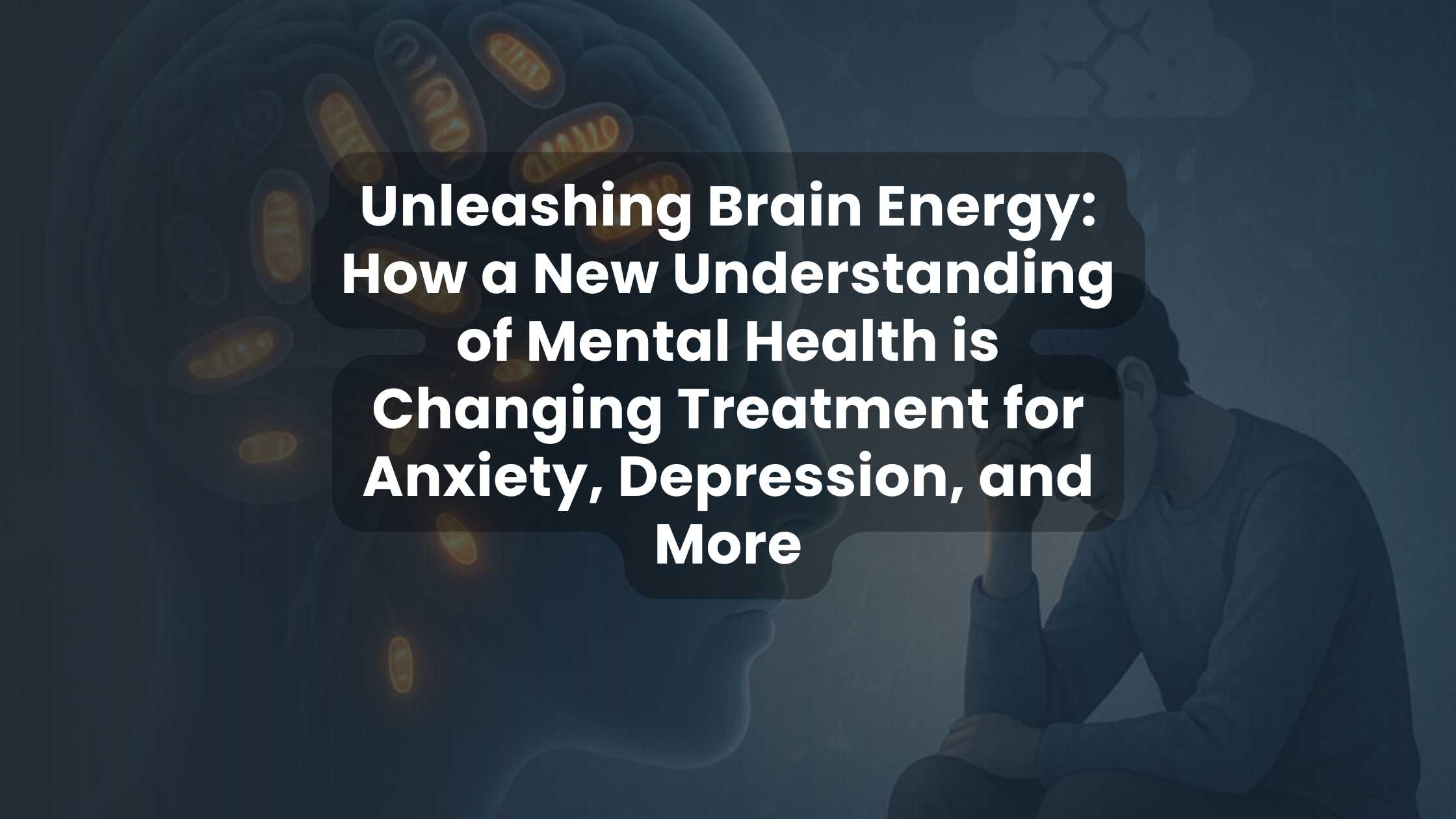
The brain is an energy-intensive organ, consuming about 20% of the body’s total energy despite making up only 2% of its weight. When energy production falters, brain function suffers much like a city experiencing blackouts. This energy shortage can lead to symptoms such as fatigue, impaired concentration, and emotional instability commonly seen in anxiety and depression disorders. Mitochondria, the cell’s energy factories, play a pivotal role in this process. Impaired mitochondrial function has been linked to several mental health conditions, underscoring the connection between metabolic health and mental well-being.
One promising area of research involves the ketogenic diet, which was initially developed to treat epilepsy. By shifting the brain’s fuel source from glucose to ketones, this diet offers a more efficient form of energy production. Recent studies suggest that ketogenic diets may enhance brain energy metabolism, potentially alleviating symptoms of anxiety and depression. For instance, individuals following this diet have reported improved mood stability and cognitive clarity, highlighting its potential as a metabolic intervention in mental health care.
Moving from theory to practice, personalized metabolic interventions are becoming a reality. Modern tools like genetic testing allow clinicians to understand an individual’s unique metabolic profile. This knowledge enables tailored treatments that address specific metabolic dysfunctions rather than relying solely on standard medication. A case study of a patient with treatment-resistant depression demonstrated significant improvement after incorporating metabolic support strategies such as nutritional adjustments and mitochondrial supplements, showcasing the power of personalized medicine.
Optimizing metabolic pathways opens new doors for holistic mental health treatment. Instead of merely managing symptoms, this approach focuses on restoring the brain’s energy balance and improving overall function. By targeting the underlying metabolic disruptions, patients may experience enhanced cognitive performance, reduced anxiety, and improved emotional resilience. This method also encourages lifestyle changes—such as regular exercise, balanced nutrition, and stress management—that support metabolic health and long-term mental wellness.
To support mitochondrial health and improve metabolic function, individuals can take practical steps such as incorporating nutrient-rich foods, ensuring adequate sleep, and engaging in consistent physical activity. Supplements like Coenzyme Q10 and omega-3 fatty acids have shown promise in boosting mitochondrial efficiency. Additionally, working with healthcare professionals to explore metabolic profiling can help tailor interventions that best suit individual needs. By understanding and supporting the metabolic foundations of anxiety and depression, people can take proactive steps toward better mental health and a higher quality of life.
How Brain Energy Production Influences Mental Health Outcomes
Understanding the Metabolic Foundations of Mental Disorders has shifted the way scientists view brain health. Traditionally, mental disorders were thought to arise mainly from chemical imbalances in the brain. However, recent research highlights that disruptions in cellular metabolism—the process by which brain cells produce energy—may be a fundamental cause. When brain cells cannot efficiently generate energy, their ability to communicate and regulate mood or cognition is impaired. This new perspective opens doors to novel treatments that focus on restoring healthy energy production rather than just balancing neurotransmitters.
Our brains are incredibly energy-demanding organs, using about 20% of the body’s total energy despite making up only 2% of its weight. How Energy Production Affects Brain Function and Mental Health is evident in situations where energy supply falters. For example, conditions like depression and bipolar disorder have been linked to mitochondrial dysfunction, the tiny power plants within cells responsible for producing energy. When mitochondria fail, brain cells struggle to maintain essential processes, akin to a city experiencing rolling blackouts that disrupt daily life. Understanding this connection underscores why supporting mitochondrial health can be crucial for mental well-being.
One promising avenue for enhancing brain energy production lies in diet. Exploring the Ketogenic Diet’s Impact on Mental Health reveals that this high-fat, low-carbohydrate diet shifts the brain’s fuel source from glucose to ketones. Ketones are produced during fat metabolism and serve as an efficient energy source for brain cells. Originally developed to treat epilepsy, ketogenic diets have shown potential in improving cognitive function and mood stability in some mental health conditions. This metabolic intervention exemplifies how altering energy sources could provide new strategies for managing mental disorders beyond traditional medications.
From Theory to Practice: Metabolic Interventions for Mental Disorders is becoming a reality thanks to advances in personalized medicine. By analyzing an individual’s unique metabolic profile—using tools such as genetic testing and metabolic biomarkers—clinicians can tailor treatments that optimize brain energy production. For instance, identifying mitochondrial deficits or nutrient deficiencies allows for customized nutritional plans or supplements that enhance cellular metabolism. This personalized approach moves mental health care toward more effective and targeted solutions, reducing trial-and-error treatments.
Revolutionizing Mental Health Treatment Through Metabolic Pathways offers a holistic framework for managing mental disorders. Instead of solely addressing symptoms, this approach focuses on improving the underlying biological energy systems that support brain function. Interventions might include lifestyle changes, dietary adjustments, and targeted supplements designed to boost mitochondrial performance and cellular metabolism. By strengthening these metabolic pathways, patients may experience better cognitive clarity, emotional balance, and resilience, representing a significant advancement in mental health care.
The Role of Mitochondria in Mental Health cannot be overstated. These organelles generate the majority of the brain’s energy through a process called oxidative phosphorylation. When mitochondria are impaired, brain cells receive less energy, leading to fatigue, impaired cognition, and mood disturbances. Research has linked mitochondrial dysfunction to a range of mental health conditions, such as schizophrenia and anxiety disorders. Supporting mitochondrial health through antioxidants, coenzyme Q10, or lifestyle interventions like regular exercise can help maintain energy production and improve mental health outcomes.
Personalized Medicine: A New Hope for Treatment-Resistant Disorders highlights the importance of customizing mental health treatment based on metabolic insights. Many individuals do not respond well to standard therapies because their underlying metabolic issues remain unaddressed. By integrating metabolic testing into psychiatric evaluations, doctors can develop individualized treatment plans that target specific energy production deficits. This strategy offers renewed hope for those with treatment-resistant conditions by addressing the root causes rather than just the symptoms.
Practical steps to support brain energy production include maintaining a balanced diet rich in healthy fats and nutrients that fuel mitochondria, such as omega-3 fatty acids, B vitamins, and antioxidants. Regular physical activity also enhances mitochondrial efficiency and promotes neurogenesis—the creation of new brain cells. Additionally, managing stress and ensuring quality sleep are essential because chronic stress and sleep deprivation can impair metabolic function in the brain. By incorporating these strategies, individuals can actively support their brain’s energy systems and potentially improve mental health outcomes.
Personalized Metabolic Interventions for Mental Health Treatment
Understanding the Metabolic Foundations of Mental Disorders opens a new chapter in mental health treatment by shifting focus from traditional neurotransmitter imbalances to the role of cellular metabolism. Recent studies suggest that disruptions in how cells produce and use energy may underlie many mental health conditions. For example, impaired glucose metabolism in brain cells can affect mood regulation and cognitive function. This metabolic perspective challenges conventional approaches, encouraging researchers and clinicians to explore how energy deficits in the brain might contribute to disorders like depression, anxiety, and bipolar disorder. Recognizing these foundations creates opportunities for more precise and effective interventions tailored to individual metabolic needs.
How Energy Production Affects Brain Function and Mental Health is a critical concept in personalized metabolic interventions. The brain demands a constant and substantial supply of energy, comparable to a bustling city needing uninterrupted power to function smoothly. When this energy supply falters due to metabolic dysfunction, symptoms such as brain fog, fatigue, and mood swings can manifest. For instance, mitochondrial dysfunction—where the cell’s energy factories fail to operate efficiently—has been linked to increased risk of psychiatric conditions. Addressing these energy production issues through targeted therapies can not only alleviate symptoms but also improve overall brain resilience and mental clarity.
Exploring the Ketogenic Diet’s Impact on Mental Health reveals a promising metabolic intervention with growing scientific support. Originally developed to reduce seizures in epilepsy patients, the ketogenic diet shifts the body’s primary fuel source from glucose to ketones, which the brain can use more efficiently. This metabolic switch has shown potential benefits in improving cognitive function and stabilizing mood in some individuals with mental health disorders. Case studies have highlighted improvements in anxiety and depression symptoms following adherence to a ketogenic diet, suggesting that this dietary approach could serve as an adjunct or alternative therapy. Its personalized application, however, requires careful monitoring to ensure nutritional balance and effectiveness.
From Theory to Practice: Metabolic Interventions for Mental Disorders highlights the importance of customizing treatment based on individual metabolic profiles. Advances in genetic testing and metabolic biomarker analysis allow clinicians to identify specific dysfunctions in energy pathways unique to each patient. For example, some individuals may benefit from supplements that support mitochondrial function, while others might require dietary adjustments or medications that enhance cellular energy production. This personalized strategy moves beyond one-size-fits-all treatments and embraces the complexity of metabolic processes influencing mental health. By aligning treatment with metabolic needs, patients can experience more targeted relief and improved outcomes.
Revolutionizing Mental Health Treatment Through Metabolic Pathways introduces a holistic approach that focuses on optimizing the body’s energy systems rather than merely managing symptoms. This method integrates lifestyle changes, nutritional support, and pharmacological interventions designed to enhance metabolic efficiency in brain cells. For instance, combining exercise, which boosts mitochondrial health, with tailored nutrient therapies can create a synergistic effect that supports mental well-being. This broader perspective encourages patients and providers to view mental health as interconnected with overall physical metabolism, fostering sustainable improvements rather than temporary fixes.
The Role of Mitochondria in Mental Health underscores the significance of these tiny organelles as powerhouses of brain cells. Mitochondrial dysfunction can result in inadequate energy supply, leading to impaired neural communication and increased oxidative stress, factors associated with depression and other mental disorders. Research shows that targeting mitochondrial health through antioxidants, coenzyme Q10, or lifestyle interventions like aerobic exercise can help restore energy balance and improve symptoms. Acknowledging the mitochondria’s pivotal role invites new avenues for treatment focused on cellular energy restoration, paving the way for more effective mental health care.
Personalized Medicine: A New Hope for Treatment-Resistant Disorders offers a promising path forward for individuals who have not responded to conventional therapies. By leveraging metabolic insights and individual biological data, personalized medicine tailors interventions that address the root metabolic causes of mental illness. This approach may include customized diets, targeted supplements, and precision pharmaceuticals designed to optimize brain energy metabolism. For patients struggling with treatment-resistant depression or anxiety, this strategy provides renewed hope by focusing on the unique metabolic characteristics driving their symptoms, ultimately improving their quality of life.
Practical steps to implement personalized metabolic interventions include consulting healthcare professionals who specialize in metabolic psychiatry, undergoing metabolic and genetic testing to identify individual needs, and adopting dietary plans such as the ketogenic diet under medical supervision. Additionally, incorporating regular physical activity and mitochondrial support supplements can enhance treatment outcomes. By focusing on these actionable strategies, individuals can work towards optimizing their brain’s metabolic health and improving their mental well-being in a targeted, effective manner.
Personalized Metabolic Interventions for Mental Health Treatment
Recent breakthroughs in mental health research suggest that many mental disorders may not arise solely from chemical imbalances but from deeper disruptions in cellular metabolism. This metabolic foundation shifts the focus to how brain cells produce and use energy, revealing a complex interplay between metabolism and mental well-being. For example, conditions like depression and bipolar disorder have been linked to impaired metabolic processes within brain cells, challenging traditional treatment methods that mainly target neurotransmitters. Understanding these metabolic roots opens new pathways for more precise and effective interventions tailored to an individual’s unique metabolic profile.
Energy production is critical for maintaining healthy brain function, much like how a city depends on a steady power supply to operate smoothly. The brain consumes a significant amount of the body’s energy, primarily in the form of glucose, to support cognitive processes, mood regulation, and neural communication. When this energy supply is compromised, symptoms such as fatigue, cognitive fog, and mood swings often emerge. Studies have shown that enhancing energy production in the brain can reduce these symptoms, emphasizing the importance of metabolic health in mental wellness. This insight encourages exploring treatments that target energy pathways rather than just managing symptoms.
One promising metabolic intervention gaining traction is the ketogenic diet, originally developed for epilepsy management. The diet shifts the body’s energy source from glucose to ketones, which are more efficient fuel molecules for the brain. Research demonstrates that ketones can improve mitochondrial function and reduce neuroinflammation, leading to better mental clarity and mood stabilization in some patients. For instance, individuals with treatment-resistant depression have reported improvements after adopting a ketogenic diet under medical supervision. This example illustrates how dietary choices can directly influence brain metabolism and mental health, offering a natural complementary approach to traditional therapies.
Personalized metabolic interventions take mental health treatment a step further by tailoring strategies to an individual’s unique biological and genetic makeup. Genetic testing and metabolic profiling allow clinicians to identify specific metabolic dysfunctions that contribute to a person’s condition. This precision approach helps in selecting the most effective treatments, such as targeted supplements, lifestyle modifications, or specialized diets. For example, someone with mitochondrial dysfunction might benefit from coenzyme Q10 supplementation to boost energy production, while another person might need interventions focused on reducing oxidative stress. Personalized care improves treatment outcomes by addressing the root causes rather than just symptoms.
Optimizing metabolic pathways represents a revolutionary shift in mental health treatment, moving beyond symptom relief to enhancing overall brain function. By focusing on the mitochondria—the cell’s energy factories—therapies aim to restore efficient energy production and reduce cellular damage. Supporting mitochondrial health through nutrients like B vitamins, magnesium, and antioxidants can improve mood, cognitive function, and resilience to stress. This holistic perspective treats the brain as an integrated metabolic system rather than isolated chemical processes. It also encourages proactive strategies such as exercise, sleep optimization, and balanced nutrition to maintain metabolic health and prevent mental health decline.
Personalized medicine offers new hope for individuals with treatment-resistant mental health disorders by crafting customized plans based on their metabolic and genetic profiles. Traditional treatments may fail when they target broad symptoms without considering underlying metabolic issues. Personalized metabolic interventions provide an alternative by identifying specific biochemical imbalances and tailoring therapies accordingly. For instance, a patient with bipolar disorder linked to mitochondrial inefficiency might respond better to metabolic support than standard mood stabilizers. This approach empowers patients and clinicians to explore novel, evidence-based options that align with each person’s biology, increasing the likelihood of meaningful improvement.
To implement personalized metabolic interventions effectively, individuals should start by consulting healthcare providers who specialize in metabolic and genetic testing for mental health. Steps include obtaining a detailed metabolic profile, evaluating diet and lifestyle factors, and considering targeted supplements or dietary changes like the ketogenic diet under professional guidance. Regular monitoring of symptoms and metabolic markers helps fine-tune treatment plans over time. Practical actions such as prioritizing nutrient-rich foods, managing stress, and incorporating regular physical activity also support metabolic health. By taking these measures, individuals can actively participate in their mental health journey with strategies designed specifically for their metabolic needs.
Future Directions: Energy-Based Approaches to Mental Health Therapy
Recent scientific advancements are reshaping our understanding of mental health, underscoring the importance of the metabolic foundations of mental disorders. Traditionally, mental health issues have been viewed through the lens of chemical imbalances in the brain. However, emerging research suggests that disruptions in cellular metabolism may play a more critical role than previously thought. This paradigm shift opens new avenues for treatment, focusing on how energy production within the brain affects overall mental health. By delving into these metabolic underpinnings, clinicians can better address the root causes of mental disorders, leading to more effective and sustainable treatment strategies.
A key element in this discussion is the relationship between energy production and brain function. The brain, a highly energy-dependent organ, requires a constant supply of fuel to perform optimally. When energy production falters, the consequences can be profound, akin to a city facing widespread blackouts. Symptoms such as fatigue, cognitive decline, and mood disturbances manifest when the brain does not receive enough energy. This analogy highlights the critical need to assess energy levels and their impact on mental health, paving the way for innovative energy-based therapies that can restore balance and function to the brain.
One promising area of exploration is the ketogenic diet, which has transitioned from a treatment for epilepsy to a potential ally in enhancing mental health. This high-fat, low-carbohydrate diet promotes the production of ketones, an efficient energy source for the brain. Early studies suggest that the ketogenic diet may improve cognitive function and stabilize mood, offering a compelling alternative for individuals struggling with mental health disorders. By harnessing the body’s natural metabolic processes, this approach exemplifies how dietary interventions can have a profound impact on mental well-being.
Transitioning from theory to practice, metabolic interventions tailored to individual needs are gaining traction as a viable treatment option for mental disorders. Tools like genetic testing allow healthcare providers to develop personalized treatment plans based on unique metabolic profiles. This shift towards personalized medicine emphasizes the importance of understanding how individual biological differences influence mental health. By aligning treatments with a person’s metabolic makeup, clinicians can enhance the effectiveness of interventions and improve overall patient outcomes.
Furthermore, the role of mitochondria in mental health cannot be overlooked. Often referred to as the powerhouses of the cell, mitochondria are pivotal for energy production and brain cell function. When mitochondrial performance is compromised, individuals may experience a range of mental health challenges. This underscores the necessity for mitochondrial support as part of mental health treatment. Strategies aimed at boosting mitochondrial health could potentially mitigate symptoms and promote brain function, leading to a more holistic approach to mental wellness.
As we explore these energy-based approaches, it’s essential to recognize the potential of personalized medicine in addressing treatment-resistant disorders. By focusing on the individual’s unique biological and metabolic needs, mental health professionals can develop targeted therapies that go beyond conventional methods. This tailored approach not only enhances the effectiveness of treatments but also empowers patients, giving them a sense of ownership over their mental health journey. By investing in personalized strategies, we can revolutionize mental health care, offering hope to those who have previously felt marginalized by standard treatment protocols.
The metabolic theory of mental health represents a significant evolution in how we approach mental disorders. By prioritizing energy dynamics, optimizing metabolic pathways, and personalizing treatment plans, we can create a more integrated and effective model for mental health therapy. This innovative perspective not only challenges existing paradigms but also inspires further research and exploration, ultimately driving advancements that can improve the lives of countless individuals struggling with mental health issues.
Mitochondria Dysfunction and Its Impact on Mental Wellness
Mitochondria play a vital role in maintaining mental wellness by serving as the powerhouses of brain cells. These tiny organelles generate the energy needed for neurons to communicate, process information, and regulate mood. When mitochondrial function is compromised, the brain’s energy supply becomes irregular, leading to symptoms such as fatigue, cognitive decline, anxiety, and depression. Recent breakthroughs in neuroscience highlight that many mental disorders may not solely arise from chemical imbalances but from disruptions in cellular metabolism. This shift in understanding reveals the metabolic foundations of mental disorders, suggesting that supporting mitochondrial health could be key to improving mental wellness.
The brain’s demand for energy is immense, accounting for about 20 percent of the body’s total energy use despite its relatively small size. When mitochondria dysfunction occurs, energy production falters, similar to how a city struggles during a blackout. This energy deficit impairs essential brain functions, including memory, focus, and emotional regulation. Studies have linked mitochondrial impairment to a range of psychiatric conditions such as bipolar disorder, schizophrenia, and major depression. For instance, research shows that individuals with these disorders often exhibit lower mitochondrial enzyme activity, highlighting the direct connection between mitochondrial health and mental well-being.
One promising area of research involves dietary interventions that support mitochondrial function, such as the ketogenic diet. Originally developed to treat epilepsy, this high-fat, low-carbohydrate diet encourages the body to produce ketones, an alternative and efficient energy source for the brain. Ketones can bypass dysfunctional mitochondrial pathways, providing the brain with a steady fuel supply and potentially improving symptoms of mental disorders. Clinical trials have found that ketogenic diets may enhance mood stability and cognitive function, especially in treatment-resistant cases. These findings open doors to new metabolic approaches that complement traditional therapies.
Metabolic interventions extend beyond diet to include personalized medicine based on genetic and metabolic profiling. By understanding an individual’s unique mitochondrial function and metabolic state, healthcare providers can tailor treatments that address specific cellular energy deficits. Genetic testing and biomarker analysis help identify mitochondrial dysfunction early, allowing for targeted nutritional supplements, lifestyle changes, or pharmacological options that optimize energy metabolism. This personalized approach marks a significant advancement in mental health care, moving away from one-size-fits-all treatments toward strategies that support the root causes of mental disorders.
Optimizing mitochondrial function is a holistic strategy that goes beyond managing symptoms to enhancing overall brain health. Supporting mitochondria involves more than just diet and medication; it includes lifestyle adjustments such as regular exercise, stress management, and adequate sleep, all of which promote cellular energy production. Emerging research also explores supplements like Coenzyme Q10 and antioxidants that protect mitochondria from damage. By integrating these metabolic pathways into mental health treatment plans, patients may experience improved cognitive clarity, emotional stability, and resilience, paving the way for long-term mental wellness.
To support mitochondrial health and boost mental wellness, consider adopting practical steps such as maintaining a balanced diet rich in nutrients that fuel mitochondria, including B vitamins, magnesium, and omega-3 fatty acids. Incorporating moderate physical activity can enhance mitochondrial biogenesis, the process of creating new mitochondria, thereby increasing the brain’s energy capacity. Additionally, reducing exposure to environmental toxins and minimizing chronic stress helps protect mitochondrial integrity. Individuals struggling with mental health issues should consult healthcare professionals who can recommend personalized metabolic assessments and interventions, ensuring targeted and effective care.
Future Directions in Energy-Based Approaches to Mental Health Therapy
Recent advances in understanding the metabolic foundations of mental disorders are reshaping how we approach mental health therapy. Emerging research suggests that disruptions in cellular metabolism, rather than just chemical imbalances, play a significant role in conditions like depression and anxiety. This shift highlights the importance of examining how energy is produced and utilized within brain cells. For example, studies have shown that impaired metabolism in neurons can lead to decreased neurotransmitter function, which directly influences mood and cognition. By focusing on these underlying energy processes, future therapies may target the root causes more effectively, offering hope for improved treatment outcomes.
The brain’s role as an energy-demanding organ is central to this new understanding. Just like a city relies on a steady flow of electricity, our mental health depends on continuous and efficient energy production. When this process falters, such as through mitochondrial dysfunction or glucose metabolism issues, symptoms of mental disorders often emerge or worsen. Real-world evidence points to the connection between reduced brain energy supply and cognitive decline in conditions like bipolar disorder. Recognizing this link encourages the development of treatments aimed at restoring or optimizing energy production, which could help stabilize mood and improve cognitive performance in affected individuals.
One promising avenue gaining traction is the ketogenic diet, originally developed to manage epilepsy. This high-fat, low-carbohydrate diet encourages the body to burn fat for fuel, producing ketones that serve as a more efficient energy source for brain cells. Early research indicates that ketogenic diets may enhance mental health by improving mitochondrial function and reducing inflammation. For instance, clinical trials have observed mood stabilization and cognitive improvements in individuals with treatment-resistant depression following ketogenic interventions. While more extensive studies are needed, these findings offer a compelling example of how dietary strategies can complement traditional therapies by targeting brain energy metabolism.
Translating these insights into clinical practice involves personalized metabolic interventions tailored to each individual’s unique biological profile. Advances in genetic testing and metabolic screening enable practitioners to identify specific metabolic imbalances contributing to a person’s mental health condition. This personalized medicine approach opens the door to customized treatment plans that might include nutritional adjustments, supplements that support mitochondrial function, or targeted medications. For example, a patient with mitochondrial dysfunction might benefit from coenzyme Q10 supplementation alongside conventional therapy. Integrating metabolic data into mental health care promises to improve effectiveness and reduce the trial-and-error process common in psychiatric treatment.
Looking ahead, revolutionizing mental health therapy through metabolic pathways offers a holistic alternative to symptom-focused treatments. By optimizing how the brain generates and uses energy, future approaches aim to enhance overall brain health rather than merely alleviating symptoms. This broader perspective includes supporting mitochondrial health, reducing oxidative stress, and maintaining balanced energy flow. Practical steps for individuals could involve lifestyle modifications such as regular physical activity, stress management techniques, and diets rich in nutrients that support mitochondrial function. Embracing these strategies may lead to more sustainable mental wellness and reduce relapse rates.
Mitochondria, often described as the powerhouses of the cell, are gaining recognition for their critical role in mental health. Dysfunction in these organelles can impair brain cell energy supply, contributing to mood disorders and cognitive deficits. Recent studies link mitochondrial abnormalities to illnesses like schizophrenia and major depressive disorder, emphasizing the need for targeted mitochondrial support in therapy. Interventions might include antioxidants, metabolic cofactors, or lifestyle changes designed to boost mitochondrial health. Understanding the centrality of mitochondria paves the way for new treatment modalities that focus on cellular energy restoration as a path to mental wellness.
Personalized medicine represents a beacon of hope, especially for individuals with treatment-resistant mental health disorders. By utilizing metabolic profiling, healthcare providers can develop highly individualized treatment regimens that address the unique energy needs of each patient. For example, identifying specific enzyme deficiencies or metabolic bottlenecks allows for precise interventions that standard therapies often overlook. This tailored approach not only improves symptom management but also reduces side effects and enhances overall quality of life. As research progresses, personalized metabolic treatments are expected to become integral components of comprehensive mental health care.
Future Directions: Energy-Based Approaches to Mental Health Therapy
Recent advances in mental health research are shifting the focus toward understanding the metabolic foundations of mental disorders. Traditionally, conditions like depression and anxiety were viewed primarily as chemical imbalances in the brain. However, emerging studies suggest that disruptions in cellular metabolism—the process by which cells convert nutrients into energy—may play a critical role. This new perspective encourages the exploration of how energy production within brain cells influences mood, cognition, and overall mental wellbeing. For example, research has shown that altered metabolic activity in certain brain regions correlates with symptoms of schizophrenia and bipolar disorder, pointing to a deeper biological cause beyond neurotransmitter levels.
The brain depends heavily on a continuous and efficient supply of energy to function properly. Like a bustling city that grinds to a halt during a blackout, the brain’s performance falters when energy production is compromised. Mitochondria, often called the powerhouses of the cell, generate most of this energy, and their dysfunction has been linked to various mental health challenges. For instance, mitochondrial impairment is increasingly recognized in cases of chronic fatigue syndrome and depression, highlighting how crucial energy metabolism is to brain health. Understanding this connection allows clinicians and researchers to explore novel interventions that support mitochondrial function and improve mental resilience.
One promising area of energy-based therapy is the ketogenic diet, which provides the brain with ketones instead of glucose as its primary fuel. Originally developed to treat epilepsy, this high-fat, low-carbohydrate diet is gaining attention for its potential to enhance brain function and stabilize mood. Ketones are a more efficient energy source, and studies have observed improvements in cognitive clarity and emotional regulation in individuals following ketogenic protocols. Clinical trials are now investigating how this dietary approach could be tailored to support people with mood disorders or neurodegenerative diseases, potentially offering a natural metabolic boost where traditional medications fall short.
Moving from theory to practice, personalized metabolic interventions are emerging as a new frontier in mental health therapy. By analyzing individual metabolic profiles through tools such as genetic testing and metabolic biomarkers, practitioners can design treatments that target specific energy imbalances. This approach recognizes that each person’s biochemistry is unique, requiring customized strategies rather than one-size-fits-all solutions. For example, some patients may benefit from supplements that enhance mitochondrial function, while others might need dietary adjustments or lifestyle changes focused on optimizing energy production. This tailored care promises higher effectiveness and fewer side effects compared to conventional methods.
The future of mental health treatment lies in revolutionizing care through metabolic pathways. Unlike traditional therapies that primarily address symptoms, optimizing metabolic health offers a holistic solution by enhancing the brain’s energy foundation. This strategy not only supports cognitive and emotional function but also promotes overall brain resilience and repair. Integrating metabolic support with psychotherapy and pharmacology could lead to more comprehensive and lasting outcomes for patients. Clinicians are already exploring combined protocols that include targeted nutrition, exercise, and mitochondrial therapies to harness this potential fully.
Personalized medicine also brings new hope for individuals with treatment-resistant mental disorders. Many patients do not respond well to standard medications, but understanding their unique metabolic needs can open doors to alternative therapies. For instance, identifying mitochondrial dysfunction or metabolic inefficiencies may guide the selection of more precise interventions, such as metabolic enhancers or specific dietary plans. This individualized care model empowers patients and providers to work collaboratively toward better mental health, moving beyond trial-and-error approaches. With ongoing research and technological advances, energy-based mental health therapies are poised to transform the standard of care in the coming years.
To incorporate these future directions into daily life, individuals can start by paying attention to their brain’s energy needs. Simple steps include adopting a balanced diet rich in nutrients that support mitochondrial health, such as omega-3 fatty acids and antioxidants. Regular physical activity is also crucial, as exercise stimulates energy production and supports brain function. For those interested in the ketogenic diet, consulting with healthcare professionals ensures safe and effective implementation. Finally, seeking personalized assessments through genetic or metabolic testing can provide valuable insights to tailor health strategies. Embracing these energy-based approaches offers a proactive path to improving mental wellbeing and resilience.
Conclusion
In conclusion, the emerging understanding of mental health as deeply connected to brain energy and metabolism is transforming how we approach conditions like anxiety, depression, and beyond. By shifting the focus from solely chemical imbalances to the metabolic foundations of mental disorders, researchers and clinicians are uncovering new pathways for treatment that address the root causes of dysfunction. From recognizing the brain’s immense energy demands to exploring dietary interventions like the ketogenic diet, and from supporting mitochondrial health to embracing personalized medicine based on individual metabolic profiles, this holistic perspective is redefining mental health care. As we continue to unravel the complex relationship between cellular energy and mental well-being, there is renewed hope for more effective, tailored treatments that go beyond symptom management to truly optimize brain function. If you found this exploration insightful, consider diving deeper into the metabolic roots of mental health and how they might influence your own journey or the care you provide. The future of mental health treatment is evolving—will you be part of the change?
FAQ
Frequently Asked Questions about Unleashing Brain Energy: How a New Understanding of Mental Health is Changing Treatment for Anxiety, Depression, and More
What is the new perspective on the cause of mental health disorders presented in this approach?
Recent discoveries suggest that disruptions in cellular metabolism, rather than just chemical imbalances, may be the underlying cause of many mental health conditions. This means the way brain cells produce and use energy plays a crucial role in mental well-being.
How does brain energy production influence mental health?
The brain requires a large amount of energy to function properly. When energy production is impaired, the brain cannot operate at its full capacity, which can lead to symptoms such as anxiety, depression, and cognitive difficulties, similar to how a city experiences problems during power outages.
What role does the ketogenic diet play in mental health treatment?
Originally developed to treat epilepsy, the ketogenic diet provides the brain with ketones, an efficient alternative energy source. This diet is now being explored for its potential to improve brain energy metabolism and alleviate symptoms of various mental health disorders.
How can metabolic interventions be personalized for mental health treatment?
By analyzing an individual’s unique metabolic profile, often through genetic testing and other diagnostic tools, treatments can be tailored to address specific energy production issues in the brain. This personalized approach aims for more effective and targeted mental health care.
Why is focusing on metabolic pathways considered revolutionary in mental health treatment?
Traditional treatments often focus on managing symptoms, but optimizing metabolic pathways addresses the root causes related to brain energy production. This holistic strategy not only improves mental health symptoms but also enhances overall brain function and resilience.
What is the significance of mitochondria in mental health?
Mitochondria are the powerhouses of brain cells, responsible for producing the energy needed for proper function. When mitochondria are impaired, energy production suffers, which can contribute to the development or worsening of mental health disorders.
How does personalized medicine offer hope for treatment-resistant mental health conditions?
For individuals who do not respond to standard treatments, personalized medicine offers new possibilities by creating treatment plans based on their unique biological and metabolic needs. This tailored approach increases the likelihood of achieving better outcomes.
What are the broader implications of the metabolic theory for mental health care?
By viewing mental health through the lens of energy dynamics and cellular metabolism, this theory encourages the development of innovative therapies that go beyond symptom control to improve brain health and quality of life.
Where can someone learn more about applying metabolic approaches to their mental health?
Consulting healthcare providers who specialize in metabolic medicine or integrative psychiatry is a good starting point. They can offer testing and treatment options aligned with the latest research on brain energy and mental health.
Is the metabolic approach suitable for all types of mental health disorders?
While promising, metabolic interventions may be more effective for certain conditions or individuals based on their unique metabolic profiles. Ongoing research continues to clarify how best to apply these treatments across different mental health challenges.