
Resilience: Hard-Won Wisdom for Living a Better Life by Eric Greitens – Transforming Adversity into Triumphs for a Stronger You

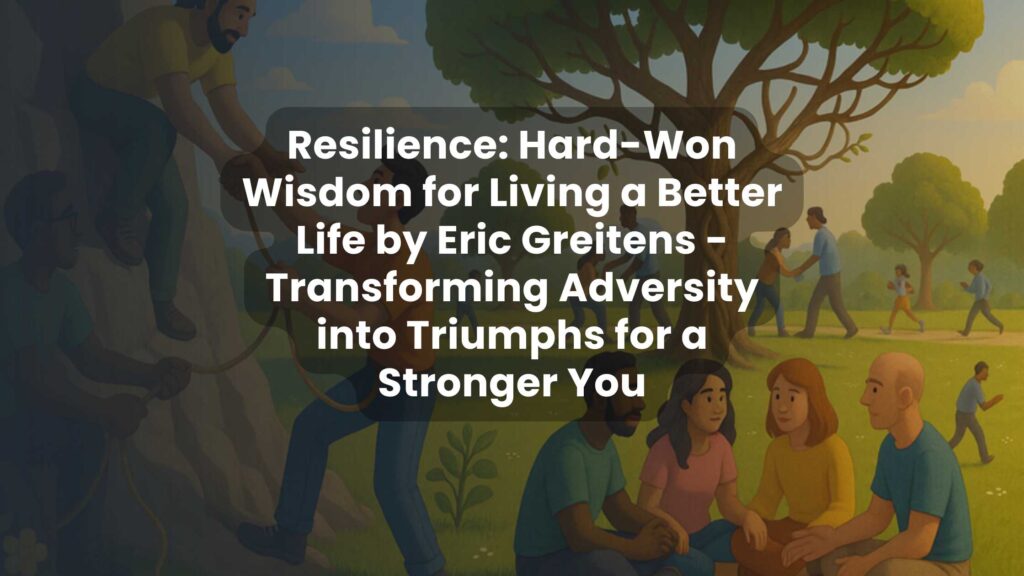
Life inevitably throws challenges our way, testing our strength and resolve in ways we never anticipated. Yet, within these moments of hardship lies a remarkable opportunity: the chance to grow stronger, wiser, and more resilient. Resilience is not just about bouncing back; it is about transforming adversity into triumph, emerging from difficulties with renewed purpose and deeper character. By learning to embrace setbacks as stepping stones and cultivating a mindset grounded in positivity and perseverance, we unlock the power to navigate life’s storms with grace and courage. Through practical steps like setting achievable goals, nurturing supportive relationships, and caring for our mental and physical well-being, resilience becomes a dynamic force that shapes not only how we endure but how we thrive. This journey toward resilience is a continuous process of self-discovery and growth, guiding us toward a more fulfilling and empowered life.
Understanding Resilience: Transforming Life’s Challenges into Growth
Resilience is the remarkable ability to bounce back from adversity and transform life’s challenges into opportunities for growth. It empowers individuals to face difficulties with strength and adaptability, emerging from setbacks not weakened but strengthened. Understanding resilience means recognizing that challenges are not merely obstacles but catalysts that can spark personal development. For example, people who lose jobs often discover new career paths or develop new skills, illustrating how resilience turns hardship into progress. This mindset shift allows you to view tough times as a chance to learn, adapt, and improve, rather than simply endure.
Developing resilience skills involves deliberate, practical steps that anyone can adopt to navigate life more effectively. Start by cultivating a positive outlook; even small acts of gratitude can reframe your perspective during stressful times. Setting achievable goals provides a sense of direction and accomplishment, helping maintain motivation when facing setbacks. Additionally, practicing self-care—such as regular exercise, sufficient sleep, and mindfulness—strengthens your emotional and physical well-being. For instance, studies show that people who engage in daily mindfulness exercises report lower stress levels and higher resilience, proving that simple habits can build lasting inner strength.
Challenges often serve as powerful teachers, shaping character and deepening your understanding of yourself. Facing adversity nurtures patience, persistence, and courage—qualities that define personal growth. Consider athletes recovering from injury who develop not only physical strength but also mental toughness, demonstrating how trials can forge resilience. This process helps clarify your values and purpose, guiding future decisions with greater confidence. By embracing difficulties as essential parts of your journey, you build a resilient character that can weather future storms with grace and determination.
Strong relationships play a crucial role in resilience by providing emotional support and practical aid. Having trusted friends or family members to share your struggles with can lighten emotional burdens and offer new perspectives. Studies indicate that social support reduces the impact of stress and boosts recovery from trauma. For example, individuals in supportive communities tend to bounce back faster from setbacks, showing that connection is a key component of resilience. Investing time and energy in nurturing these bonds creates a reliable network that strengthens your ability to cope with life’s challenges.
Helping others can be a surprising yet powerful source of resilience. Acts of service shift attention away from personal difficulties and create a sense of meaning and fulfillment. Volunteering or simply offering support to someone in need reinforces your purpose and builds emotional resilience. Research highlights that people engaged in community service report greater life satisfaction and reduced stress, illustrating how contributing to others’ well-being can reinforce your own strength. This reciprocal process nurtures hope and perspective, turning service into a wellspring of resilience.
Cultivating a resilient mindset involves adopting specific tools and techniques that enhance mental toughness. Cognitive restructuring helps challenge negative thoughts and replace them with more constructive ones, reducing anxiety and self-doubt. Mindfulness practices increase awareness of the present moment, aiding in emotional regulation during stressful situations. Visualization, or mentally rehearsing successful outcomes, boosts confidence and prepares you to face challenges proactively. Regular use of these methods builds a mental framework that supports resilience, making it easier to navigate uncertainty and adversity with calm and clarity.
Failure, often seen as a setback, can actually be a gateway to growth when approached with the right mindset. Viewing failure as a learning opportunity fosters determination and encourages experimentation. Entrepreneurs, for example, frequently embrace failure as part of the innovation process, using mistakes to refine ideas and strategies. This approach reduces fear of failure and cultivates a growth-centric mindset, where every obstacle becomes a stepping stone toward success. Embracing failure as essential to progress empowers you to take risks and persevere, ultimately strengthening resilience.
Balancing well-being is fundamental to sustaining resilience, as physical and mental health are deeply interconnected. Healthy habits such as balanced nutrition, regular exercise, and adequate rest enhance energy levels and stress resistance. Neglecting these areas can weaken your capacity to cope with challenges, making setbacks feel overwhelming. For instance, individuals who prioritize sleep and exercise report improved mood and greater ability to handle adversity. By maintaining overall well-being, you create a stable foundation that supports resilience and enables more effective stress management.
Resilience is a continuous journey of learning and self-improvement, not a fixed trait you either have or lack. Each experience, whether success or failure, contributes to your growth and understanding. Recognizing this ongoing process encourages patience and persistence, reminding you that setbacks are temporary and part of a larger path toward fulfillment. Journaling about challenges, seeking feedback, and reflecting on lessons learned are practical ways to track progress. Viewing resilience as lifelong development motivates you to embrace challenges as opportunities to evolve, paving the way for a richer, more resilient life.
Practical Strategies for Developing Resilience Skills Daily
Understanding resilience is essential because it gives you the power to transform challenges into opportunities for growth. When faced with difficult situations, seeing them as chances to learn rather than obstacles helps you become stronger and more capable. For example, someone who loses their job might use the experience to develop new skills or explore different career paths, turning a setback into a stepping stone. By embracing this mindset, you can navigate life’s ups and downs with greater confidence and adaptability.
Developing resilience skills requires practical steps that you can incorporate into your daily routine. Start by adopting a positive outlook, which means focusing on what you can control and celebrating small victories. Setting achievable goals also builds momentum, as accomplishing these goals reinforces your sense of progress and motivation. Additionally, practicing self-care—such as regular exercise, proper sleep, and mindfulness techniques—nurtures your emotional and physical well-being. These combined actions create a strong foundation for resilience that you can rely on in challenging times.
Resilience shines brightest when adversity strikes, turning trials into triumphs. Instead of viewing difficulties as failures, try to see them as valuable lessons that help you grow. For instance, entrepreneurs often face multiple setbacks before achieving success, learning important strategies along the way. This approach allows you to transform setbacks into valuable experiences, making you more resourceful and persistent. Over time, this perspective helps build a resilient character that thrives despite obstacles.
Strong relationships play a crucial role in building resilience by offering support and encouragement during tough times. Surrounding yourself with people who listen, understand, and motivate you can make challenges feel more manageable. Research shows that social support reduces stress and improves mental health, highlighting its importance in resilience development. To strengthen these connections, invest time in meaningful conversations, practice empathy, and seek feedback. These actions create a network of encouragement that empowers you to face difficulties with greater confidence.
Service to others is an often overlooked but powerful source of resilience. Helping people in need provides a sense of purpose and fulfillment, which can boost your emotional strength. Volunteering or simply offering support to friends and family reminds you that your efforts matter, fostering a positive mindset. Studies reveal that acts of kindness release feel-good hormones like oxytocin, which reduce stress and increase resilience. By making service a regular habit, you build inner reserves that help you stay strong when facing your own challenges.
Cultivating a resilient mindset involves specific tools and techniques that strengthen your mental framework. Cognitive restructuring helps you identify and change negative thought patterns into more constructive ones. Mindfulness practices, such as meditation or deep breathing, increase your awareness and reduce emotional reactivity. Visualization techniques enable you to mentally rehearse overcoming obstacles, boosting confidence. Incorporating these methods into your daily life equips you with practical skills to maintain balance and focus during adversity.
Embracing failure as a path to growth shifts your perspective from fear to opportunity. Instead of avoiding mistakes, view them as essential steps toward success. For example, athletes often analyze their losses to improve performance, showing how failure drives progress. This mindset fosters determination and resilience, encouraging you to keep trying despite setbacks. To apply this, reflect on what each failure teaches you and set new goals that incorporate these lessons. Doing so transforms failure into a powerful catalyst for personal development.
Balancing well-being and resilience is key to managing stress and maintaining strength. Healthy habits such as regular physical activity, balanced nutrition, and sufficient rest enhance your ability to cope with challenges. When your body and mind are well cared for, you experience higher energy levels and clearer thinking, which support resilient behavior. Simple practices like scheduling breaks during work or engaging in enjoyable hobbies contribute to this balance. Prioritizing your overall well-being not only prevents burnout but also reinforces your resilience over time.
Viewing resilience as a lifelong journey encourages continuous improvement and growth. Each experience, whether positive or negative, offers lessons that shape your character and skills. Keeping a journal to track challenges, responses, and progress can help you recognize patterns and celebrate growth. This ongoing process fosters self-awareness and adaptability, keeping you prepared for future difficulties. By committing to this journey, you build a resilient mindset that evolves with you, paving the way to a fulfilling and balanced life.
How Overcoming Challenges Builds Stronger Character
Understanding resilience is essential in recognizing how overcoming challenges builds stronger character. Resilience transforms life’s challenges into growth opportunities, allowing you to emerge stronger and more capable. When faced with difficulties, resilient individuals don’t simply endure—they actively adapt and learn. For example, people who lose their jobs often develop new skills or explore different careers, turning a setback into a fresh start. This ability to bounce back strengthens not just mental toughness but also self-confidence, laying the foundation for a more determined and grounded character.
Developing resilience skills involves practical steps that anyone can integrate into daily life. Adopting a positive outlook, setting achievable goals, and practicing self-care are all crucial habits. Consider how athletes train their minds as much as their bodies; they maintain focus through visualization and mindfulness techniques. These practices help individuals manage stress and maintain clarity during tough times. By consistently nurturing these skills, you build a mental toolkit that supports you when challenges arise, deepening patience and perseverance as core character traits.
Resilience shines brightest in adversity, where trials become stepping stones toward triumphs. Viewing difficulties as learning opportunities allows you to reframe failure, not as an endpoint, but as vital feedback. Entrepreneurs often face numerous failures before finding success; each misstep teaches lessons that refine their strategies. This process shapes character by fostering determination and a growth mindset. Instead of being discouraged, resilient people see setbacks as part of the journey, strengthening their commitment to long-term goals and personal values.
Building character through challenges also means embracing the role of patience and inner strength. Difficult experiences test your limits, but they also reveal your capacity to endure and grow. For example, caregivers who support ill family members develop empathy and unwavering resolve—qualities that define their character deeply. Such adversity often clarifies life’s purpose, encouraging you to align your actions with meaningful goals. This alignment between experience and values solidifies a resilient identity grounded in authenticity and courage.
Strong relationships play a vital role in enhancing resilience and character development. Supportive friends, family, or mentors provide encouragement and perspective during tough times. Studies show that people with strong social connections recover faster from stress and trauma. Sharing challenges with trusted individuals helps lighten emotional burdens and offers new insights. This network not only bolsters your ability to cope but also models positive behaviors, reinforcing courage and honesty—important character strengths cultivated through community support.
Service to others acts as an unseen source of strength that deepens resilience. Helping those in need gives life a renewed sense of purpose and fulfillment. Volunteers, for instance, often report greater emotional well-being, as acts of kindness foster gratitude and perspective. By focusing beyond your own struggles, you build compassion and humility—traits that enrich character. This outward focus strengthens your resilience by reminding you of the bigger picture and your ability to make a positive impact despite personal hardships.
Cultivating a resilient mindset requires specific tools and techniques that develop a robust mental framework. Cognitive restructuring helps you challenge negative thoughts, while mindfulness brings awareness to the present moment. Visualization prepares you mentally for potential obstacles, enhancing confidence. These strategies empower you to face challenges proactively rather than reactively. When practiced consistently, they nurture emotional balance and mental agility, key elements of a character that remains steady under pressure.
Embracing failure as a path to growth encourages a shift from fear to curiosity. Instead of avoiding mistakes, resilient individuals analyze them to extract valuable lessons. Take Thomas Edison’s invention of the lightbulb: he famously reframed numerous failures as discoveries of what didn’t work. This perspective builds determination and a growth-centric mindset, encouraging persistence even when progress seems slow. Viewing failure as part of the learning process strengthens your character by promoting adaptability and self-compassion.
Balancing well-being and resilience is critical to sustaining strength over time. Healthy habits like proper nutrition, regular exercise, and adequate rest improve your capacity to manage stress. When your body and mind are well cared for, you can respond to challenges more effectively. For example, professionals in high-stress jobs often use mindfulness and physical activity to prevent burnout. Prioritizing well-being fuels resilience, ensuring that your character remains grounded and composed even during prolonged adversity.
Your journey to continuous improvement transforms resilience from a one-time response into a lifelong practice. Each experience, whether success or failure, offers a chance to learn and grow. Viewing resilience as an evolving process encourages patience and humility. This outlook empowers you to keep refining your skills and values, paving the path to a fulfilling life. By embracing challenges as ongoing opportunities, you build a character marked by strength, wisdom, and an unwavering commitment to self-improvement.
The Crucial Role of Supportive Relationships in Resilience
Supportive relationships serve as a foundation for resilience by providing emotional safety and encouragement during difficult times. When facing life’s challenges, having someone who listens without judgment can ease feelings of isolation and anxiety. For example, studies show that individuals with strong social connections recover more quickly from stressful events, highlighting how companionship boosts mental toughness. This emotional backing allows people to process adversity more effectively, transforming setbacks into opportunities for growth.
Beyond emotional support, relationships offer practical assistance that can lighten burdens and foster resilience. Friends, family, or mentors often provide resources, advice, or hands-on help that makes navigating tough situations more manageable. Consider a person recovering from job loss who receives guidance on job searching or networking from their support circle. Such tangible support not only addresses immediate needs but also builds confidence, reinforcing the belief that challenges can be overcome.
Supportive relationships also encourage the development of resilience skills by modeling positive behaviors and attitudes. Observing how others cope with stress or setbacks teaches valuable strategies like maintaining optimism, setting realistic goals, and practicing self-care. For instance, a resilient friend’s example of staying hopeful during hardship can inspire similar perseverance. This influence nurtures a resilient mindset, empowering individuals to view difficulties as growth opportunities rather than insurmountable obstacles.
To leverage the power of supportive relationships in building resilience, consider these practical steps:
– Cultivate open and honest communication to deepen trust and understanding.
– Seek connections with people who demonstrate empathy and positivity.
– Engage in mutual support by offering help as well as receiving it.
– Participate in group activities or communities that share your interests or values.
These actions create a strong support network that enhances your ability to transform challenges into triumphs, ultimately strengthening your resilience over time.
The Crucial Role of Supportive Relationships in Resilience
Supportive relationships play a vital role in building resilience, acting as an emotional safety net during challenging times. When faced with adversity, having someone to lean on can make all the difference in how we cope. For instance, studies show that individuals with strong social connections are better equipped to manage stress and recover from setbacks. This support can come from family, friends, or even colleagues, creating a network of encouragement that fosters a sense of belonging and security. In many cases, these relationships not only provide comfort but also empower individuals to transform challenges into opportunities for growth.
The essence of resilience lies in understanding how our interactions with others can bolster our ability to overcome difficulties. Strong relationships offer not just emotional support but also practical assistance, providing diverse perspectives that can guide decision-making during tough times. For example, during a significant life transition, such as a job loss or health crisis, having a close friend or family member to talk to can facilitate a more constructive outlook. This connection can encourage individuals to adopt resilience skills like positivity and goal-setting, shifting their focus from despair to possibility. Engaging in these supportive interactions reinforces the belief that challenges can lead to personal development.
Moreover, supportive relationships can serve as a source of inspiration, motivating individuals to embrace adversity as a learning opportunity. When we witness others navigating their challenges, it can spark a sense of determination within us. This is evident in communities that come together following a disaster, where collective resilience shines through shared experiences. By observing the perseverance of those around us, we can cultivate our own resilience, turning trials into triumphs. This reinforcement of character through shared struggles not only enhances personal growth but also fosters a sense of community that sustains resilience.
Incorporating practical steps into our daily lives can further strengthen these supportive relationships. Here are some actionable tips: take time to connect regularly with loved ones, express gratitude, and offer support in return. Engaging in service to others also enhances our own resilience; helping those in need not only provides perspective but also creates a fulfilling sense of purpose. By nurturing these relationships, we can reinforce our emotional foundations, making it easier to face life’s inevitable challenges. This proactive approach not only benefits ourselves but also cultivates a resilient environment for everyone involved.
Ultimately, understanding the crucial role of supportive relationships in resilience encourages us to prioritize these connections. Whether through developing a resilient mindset or embracing failure as a chance for growth, the bonds we create can enrich our journey. Each interaction, whether small or profound, contributes to a broader understanding of resilience and how we can navigate life’s ups and downs. By recognizing and valuing the influence of our relationships, we empower ourselves and others to thrive amidst adversity, paving the way for a fulfilling life shaped by continuous improvement.
The Crucial Role of Supportive Relationships in Resilience
Supportive relationships form the backbone of resilience by offering emotional comfort and practical assistance during tough times. When facing challenges, having people who listen and understand can significantly reduce feelings of isolation and stress. For example, studies show that individuals with strong social networks recover more quickly from trauma and illness. These connections act as a safety net, providing encouragement and perspective that help transform adversity into growth opportunities. Understanding resilience means recognizing that it is not just an individual trait but often a shared experience strengthened through meaningful bonds.
Beyond emotional support, relationships foster the development of resilience skills by creating environments where positivity and encouragement thrive. Friends, family, and mentors can motivate you to set achievable goals and maintain a hopeful outlook, even when setbacks occur. For instance, a supportive teacher encouraging a struggling student can boost the student’s confidence and persistence. These interactions nurture resilience by reinforcing self-belief and helping individuals see challenges as chances to learn and grow. Building character through challenges becomes easier when others remind you of your strengths and potential.
In moments of adversity, supportive relationships provide practical help that enables you to navigate difficulties more effectively. Whether it’s offering advice, sharing resources, or simply being present, these connections lighten burdens and make problems feel more manageable. Consider a workplace example where colleagues collaborate during a high-pressure project, reducing stress and increasing collective resilience. Service to others within these relationships also strengthens resilience by fostering a sense of purpose and connection, which can be deeply fulfilling and motivating during hard times.
To cultivate the power of supportive relationships in resilience, focus on nurturing open communication and trust. Prioritize spending quality time with those who uplift you and be willing to offer support in return. Practical steps include reaching out regularly, practicing active listening, and expressing appreciation. Building a resilient mindset is easier when you surround yourself with positive influences who encourage mindfulness and emotional regulation. By investing in these connections, you create a network that not only helps you overcome challenges but also enriches your overall well-being, turning trials into triumphs.
Techniques to Cultivate a Resilient and Positive Mindset
Understanding resilience is essential because it transforms life’s challenges into powerful growth opportunities. When faced with setbacks, resilient individuals don’t merely cope; they adapt and emerge stronger. For example, a study of athletes recovering from injuries shows that those who embraced resilience techniques returned to competition with improved mental toughness. By recognizing that adversity can build strength, you begin to shift your mindset from one of defeat to one of possibility, setting the stage for personal transformation.
Developing resilience skills requires intentional, practical steps that you can integrate into daily life. Start by adopting a positive outlook that focuses on what you can control rather than what you cannot. Setting achievable goals, even small ones, provides a sense of progress and motivation. Additionally, practicing self-care through regular exercise, balanced nutrition, and sufficient sleep replenishes your mental and physical energy. These simple yet effective habits lay a foundation for a resilient mindset that can withstand stress and uncertainty.
Resilience shines brightest in adversity when you learn to turn trials into triumphs. Viewing difficulties as opportunities to learn rather than obstacles fosters a powerful mindset shift. Take the example of entrepreneurs who face repeated failures before finding success. Each setback teaches valuable lessons that refine their approach, ultimately leading to breakthrough moments. By reframing challenges as stepping stones, you cultivate determination and perseverance that propel you forward despite hardships.
Building character through challenges is a natural outcome of cultivating resilience. Encountering and overcoming hardships fosters patience, emotional strength, and clarity of purpose. For instance, individuals who navigate personal loss often report greater empathy and a renewed sense of meaning in life. This process shapes who you are, reinforcing inner strength and guiding your decisions in ways that align with your values. Embracing challenges as character-building experiences empowers you to face future difficulties with confidence.
Strong relationships play a vital role in resilience by providing support and encouragement during tough times. Connecting with friends, family, or mentors offers emotional resources that buffer stress and enhance coping abilities. Research shows that people with robust social networks recover faster from trauma and maintain better mental health. Investing time in nurturing these connections creates a safety net that sustains you through life’s inevitable ups and downs.
Service to others serves as an unseen source of strength that bolsters resilience. Helping people beyond yourself fosters a sense of fulfillment and perspective, reminding you of your purpose and values. Volunteering or simply offering support in your community can boost mood and reduce feelings of isolation. This outward focus strengthens your mental resilience by reinforcing that your life has meaningful impact, even in challenging circumstances.
Cultivating a resilient mindset involves specific tools and techniques that train your brain to respond positively to stress. Cognitive restructuring helps you challenge and replace negative thought patterns with more balanced perspectives. Mindfulness practices ground you in the present moment, reducing anxiety about the future. Visualization techniques allow you to mentally rehearse success and build confidence. Incorporating these methods into your routine creates a robust mental framework that supports resilience daily.
Embracing failure as a path to growth is fundamental to developing resilience. When you view failure not as defeat but as a learning opportunity, you foster determination and a growth-centric mindset. Consider inventors like Thomas Edison, who saw each unsuccessful attempt as a step closer to innovation. This approach encourages experimentation and persistence, which are key to overcoming obstacles and achieving long-term success.
Balancing well-being with resilience is crucial for managing stress effectively. Maintaining healthy habits such as regular physical activity, proper nutrition, and sufficient rest enhances your capacity to bounce back from difficulties. Stress management techniques like deep breathing or yoga also support mental clarity and emotional stability. Prioritizing your overall well-being creates a strong foundation from which resilience can grow and thrive.
Your journey to continuous improvement frames resilience as an ongoing process rather than a fixed trait. Each experience, whether challenging or rewarding, offers lessons that contribute to your growth. By reflecting regularly on these experiences, you can adjust your mindset and strategies to become more adaptable. Viewing resilience as a lifelong journey encourages persistence and optimism, helping you pave the path to a fulfilling and empowered life.
Embracing Failure as a Catalyst for Personal Growth
Embracing failure as a catalyst for personal growth means viewing setbacks not as dead-ends but as valuable lessons. When you understand resilience, you begin to see how challenges can transform you. Instead of fearing failure, you learn to use it as a stepping stone toward improvement. For example, many successful entrepreneurs share stories of early failures that taught them critical skills and shaped their future strategies. This perspective shifts your mindset from avoidance to acceptance, allowing you to grow stronger and more adaptable with each experience.
Developing resilience skills is essential to harnessing the power of failure for growth. Simple yet effective steps include maintaining a positive outlook, setting realistic goals, and prioritizing self-care. For instance, after a professional setback, breaking down your next objectives into manageable tasks helps rebuild confidence. Practicing mindfulness or journaling about your experiences can also help you process emotions and maintain focus. These habits strengthen your ability to bounce back quickly, turning failure into a practical learning opportunity rather than a source of discouragement.
Resilience shines brightest in moments of adversity when you turn trials into triumphs. Viewing difficulties as chances to learn helps you extract valuable insights from every failure. Consider athletes who face losses but analyze their performance to improve tactics and skills. This approach transforms setbacks into actionable feedback. By embracing this mindset, you develop patience, deepen your self-awareness, and cultivate a stronger character. Each challenge becomes a building block, shaping your purpose and determination in life.
Relationships play a crucial role in supporting your resilience during times of failure. Strong connections with friends, family, or mentors provide encouragement and perspective when you feel discouraged. Sharing your struggles allows you to receive advice and emotional support, which boosts your ability to persevere. Moreover, helping others in their challenges can reinforce your own resilience by creating a sense of shared purpose. This mutual support network becomes a foundation that sustains you through difficult moments, making personal growth more attainable.
Cultivating a resilient mindset involves practical tools such as cognitive restructuring and visualization techniques. These methods help you reframe failure as a temporary setback rather than a permanent defeat. For example, visualizing successful outcomes after a failure can increase motivation and reduce anxiety. Mindfulness practices encourage staying present and managing negative thoughts effectively. By training your mind in these ways, you develop a robust mental framework that embraces failure as an essential part of growth, enhancing your ability to adapt and succeed in future challenges.
To balance well-being and resilience, it is important to maintain healthy habits alongside embracing failure. Adequate rest, regular exercise, and nutrition support mental clarity and emotional stability. When you take care of your body, you are better equipped to handle stress and rebound from setbacks. Scheduling downtime and practicing relaxation techniques can prevent burnout and keep your motivation high. This balance ensures that your resilience remains sustainable, allowing you to face failures with renewed energy and a positive mindset.
Your journey to continuous improvement is fueled by a mindset that treats resilience as ongoing growth. Every experience, good or bad, adds to your knowledge and skills. Embracing failure encourages you to keep learning, adapting, and evolving over time. Setting incremental goals and reflecting regularly on your progress help maintain momentum. By viewing resilience as a lifelong journey, you create a fulfilling path where failures become essential milestones on the road to personal success.
Conclusion
In Resilience: Hard-Won Wisdom for Living a Better Life, Eric Greitens offers a powerful guide to transforming adversity into strength and triumph. The book reveals how resilience empowers us to turn life’s challenges into opportunities for growth, shaping our character and deepening our sense of purpose. Through practical strategies like cultivating positivity, setting meaningful goals, and nurturing strong relationships, Greitens shows how anyone can develop the skills necessary to face setbacks with courage and determination. He highlights the importance of serving others as a source of inner strength and encourages embracing failure as a vital component of personal growth. Ultimately, resilience is presented not as a fixed trait but as a lifelong journey of continuous improvement, where each experience becomes a stepping stone toward a fuller, more fulfilling life.
If you’re ready to strengthen your mindset and transform your challenges into triumphs, this book offers timeless wisdom and actionable insights to guide your path. Take a moment to reflect on your own resilience—how have your struggles shaped who you are today? Dive deeper into these lessons and start harnessing your hard-won strength to live a better, more empowered life.
FAQ
Frequently Asked Questions about Resilience: Hard-Won Wisdom for Living a Better Life by Eric Greitens – Transforming Adversity into Triumphs for a Stronger You
What is the core message of Resilience by Eric Greitens?
The book emphasizes the power of resilience to transform life’s challenges into opportunities for growth. It teaches readers how to emerge stronger and more capable from adversity by adopting a mindset focused on growth and perseverance.
How does the book define resilience?
Resilience is described as the ability to adapt and bounce back from difficulties, turning setbacks into stepping stones toward success. It involves mental strength, emotional balance, and practical skills to navigate life’s challenges.
What practical steps does the book suggest for developing resilience?
Eric Greitens encourages adopting positivity, setting achievable goals, and practicing self-care. These steps help nurture resilience by fostering a healthy mindset and building habits that support emotional and mental well-being.
How can challenges build character according to the book?
The book explains that adversity shapes character by teaching patience, strength, and determination. Facing difficulties helps define one’s purpose and builds the inner qualities needed to lead a meaningful life.
What role do relationships play in developing resilience?
Strong relationships provide essential support and encouragement during tough times. The book highlights how connections with others enhance the ability to face challenges and offer a sense of belonging and understanding.
Why is service to others important for resilience?
Helping others is presented as a powerful source of strength. It offers fulfillment, perspective, and reinforces a sense of purpose, which in turn boosts one’s resilience and ability to overcome personal hardships.
What tools and techniques does the book recommend for cultivating a resilient mindset?
The author discusses cognitive restructuring to change negative thought patterns, mindfulness to stay present, and visualization to prepare mentally for challenges. These techniques help build a robust mental framework for resilience.
How does the book suggest we view failure?
Failure is seen as an essential path to growth. Instead of fearing failure, the book encourages embracing it as a valuable learning opportunity that fosters determination and a mindset focused on continuous improvement.
How can one balance well-being with resilience?
Maintaining overall well-being through healthy habits, adequate rest, and stress management is crucial. The book stresses that physical and mental health support resilience, enabling better coping with adversity.
Is resilience a one-time achievement or an ongoing process?
Resilience is described as a lifelong journey. Each experience offers a chance to learn and grow, helping to pave the way toward a fulfilling and stronger life. Continuous improvement is key to sustaining resilience over time.