
Unlocking Healthy Narcissism: Rethinking Narcissism by Dr. Craig Malkin for Personal Growth

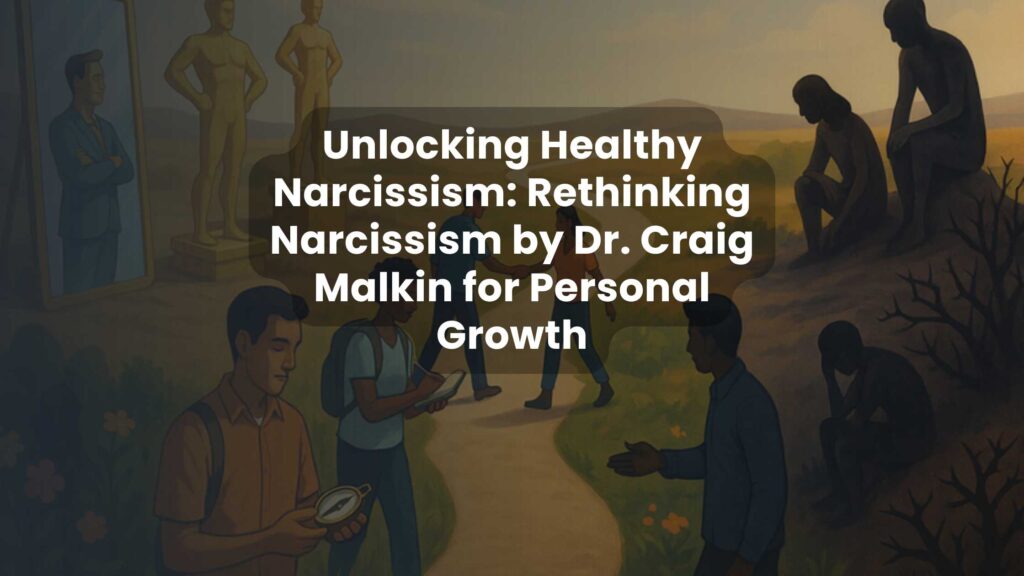
Narcissism often carries a heavy stigma, conjuring images of arrogance and self-absorption. Yet, beneath this common perception lies a more nuanced reality—one where a healthy form of narcissism can serve as a powerful catalyst for personal growth. At its core, this balanced self-regard builds confidence and ambition, equipping individuals to face life’s challenges with resilience and a deep sense of worth. By distinguishing the constructive aspects of narcissistic traits from their destructive counterparts, it becomes possible to harness these qualities in ways that foster not only success but also ethical behavior and meaningful relationships. This fresh perspective invites us to rethink what it means to love ourselves, encouraging self-awareness and empathy as vital tools to unlock our full potential and navigate the complexities of human connection.
Understanding the Dual Nature of Narcissism: Healthy vs. Pathological
Healthy narcissism forms the essence of a strong and balanced self-image. It builds confidence by nurturing a genuine sense of self-worth and ambition. This form of narcissism empowers individuals to face challenges with resilience, encouraging them to set goals and pursue success without fear of failure. For example, a student who believes in their capabilities is more likely to tackle difficult subjects and recover quickly from setbacks. This inner confidence acts as a foundation for personal growth, enabling one to navigate life’s complexities with optimism and determination.
Recognizing the dual nature of narcissism is vital for maintaining a healthy sense of self without slipping into destructive patterns. Healthy narcissism supports self-assurance and motivation, while pathological narcissism can lead to arrogance, entitlement, and impaired relationships. Understanding this balance helps individuals avoid behaviors that isolate them or harm others. For instance, a manager who balances confidence with humility fosters teamwork, whereas one dominated by pathological narcissism may alienate employees. Being aware of these distinctions encourages self-reflection and emotional regulation, key to sustaining positive interactions.
Narcissistic traits can fuel ambition when combined with empathy and ethical behavior. People who harness these traits effectively often demonstrate high aspirations while remaining considerate of others. This dynamic combination can lead to achievements that benefit both the individual and their community. Take the example of a business leader who pursues innovation but also values employee well-being and social responsibility. Such a balance drives success without sacrificing compassion, illustrating how narcissistic traits, when tempered, contribute to both personal and collective advancement.
Resilience is closely linked to healthy narcissism, enabling individuals to bounce back from adversity with strength and a positive self-image. This resilience is not about stubborn pride but a realistic appreciation of one’s worth and potential. Consider an athlete recovering from injury; a healthy sense of self helps maintain motivation during rehabilitation, leading to a successful comeback. Cultivating this form of narcissism promotes adaptability and perseverance, essential qualities for overcoming life’s inevitable setbacks and maintaining long-term well-being.
Self-awareness plays a crucial role in harnessing narcissistic traits for constructive growth. By reflecting honestly on one’s strengths and weaknesses, individuals can channel confidence while staying grounded. For example, a professional who recognizes moments of overconfidence can adjust their behavior, seeking feedback and collaboration instead of dominance. This ongoing self-assessment supports balanced ambition and prevents the slip into pathological narcissism. Practical steps include journaling, mindfulness practices, and seeking honest input from trusted peers to maintain perspective.
Avoiding pathological pitfalls requires a deliberate emphasis on empathy. Pathological narcissism often involves an inflated sense of self that disregards others’ feelings and needs. Developing empathy fosters meaningful connections and counters tendencies toward selfishness or manipulation. For instance, practicing active listening and showing genuine interest in others’ experiences can diminish narcissistic excesses. Prioritizing empathy enhances relationships and promotes emotional intelligence, helping individuals stay connected and grounded despite natural inclinations toward self-focus.
Embracing the spectrum of narcissism unlocks potential by balancing confidence with empathy. Recognizing that narcissism exists on a continuum allows individuals to appreciate their positive traits while remaining vigilant against harmful extremes. This perspective encourages ongoing personal development, where ambition and self-assurance coexist with compassion and social awareness. In real-world terms, this means setting ambitious goals while valuing teamwork and ethical conduct. By embracing this nuanced understanding, people can cultivate psychological well-being and achieve meaningful success.
Understanding the Dual Nature of Narcissism: Healthy vs. Pathological
Healthy narcissism forms the cornerstone of a strong sense of self, providing the confidence and ambition necessary to face challenges with resilience. This form of narcissism is not about arrogance but about recognizing one’s worth and capabilities. For example, individuals with healthy narcissism pursue goals actively, believing in their potential to succeed while maintaining realistic expectations. Studies show that people who exhibit healthy narcissistic traits often display higher self-esteem and a greater ability to cope with stress, which fuels motivation and perseverance in both personal and professional settings.
Understanding the dual nature of narcissism means recognizing the fine line that separates healthy self-regard from pathological behavior. While healthy narcissism supports personal growth, pathological narcissism can lead to destructive patterns such as entitlement, lack of empathy, and manipulative tendencies. By balancing self-confidence with emotional awareness, individuals can maintain a positive self-image without slipping into harmful behaviors. For instance, a leader who values their achievements but also listens actively to their team exemplifies this balance, fostering both respect and effectiveness.
Narcissistic traits, when tempered by empathy, can become powerful drivers of ambition. This dynamic combination enables a person to set high aspirations and work diligently toward them while considering the feelings and needs of others. An entrepreneur who confidently pitches ideas but also collaborates closely with partners and customers demonstrates how balanced narcissism fuels success without alienating others. Research indicates that such balance correlates with better interpersonal relationships and sustained professional growth, highlighting the importance of nurturing empathy alongside ambition.
Resilience and healthy narcissism go hand in hand, reinforcing each other to help individuals bounce back swiftly from setbacks. A positive self-image rooted in healthy narcissism provides the mental strength to view failures as temporary and surmountable obstacles. For example, athletes who maintain belief in their abilities despite losses often recover faster and improve their performance over time. Their resilience stems from a healthy internal dialogue that encourages persistence and adaptability rather than self-criticism or defeatism.
Harnessing narcissistic traits effectively requires self-awareness—a conscious reflection on one’s strengths and vulnerabilities. By understanding when confidence turns into overconfidence or when ambition becomes selfishness, individuals can channel their traits toward constructive growth. Keeping a journal or seeking feedback can help members of a team or individuals monitor their behavior and adjust accordingly. This practice not only builds authentic confidence but also prevents the pitfalls of unchecked narcissism, fostering a more grounded and balanced approach to personal and professional development.
Avoiding the pitfalls of pathological narcissism demands an active emphasis on empathy. Pathological narcissism thrives on an inflated sense of self and disregard for others, often resulting in broken relationships and isolation. Practicing empathy involves intentionally considering others’ perspectives, validating their feelings, and cultivating genuine connections. Simple daily habits like listening without interrupting and expressing appreciation can counteract narcissistic tendencies and promote healthier interactions. By prioritizing empathy, you protect yourself from the damaging effects of pathological narcissism and strengthen your social bonds.
Embracing the spectrum of narcissism allows for unlocking one’s full potential by blending confidence with compassion. Recognizing that narcissism exists on a continuum encourages a more nuanced understanding of self and others, facilitating personal growth without sacrificing meaningful relationships. For example, professionals who balance assertiveness with teamwork skills often achieve better outcomes and higher satisfaction. This balanced approach creates a foundation for success that is both sustainable and enriching, encouraging continuous self-improvement while fostering empathy and connection.
The Role of Healthy Narcissism in Developing Emotional Resilience
Healthy narcissism plays a fundamental role in building emotional resilience by fostering a strong sense of confidence and self-worth. This form of narcissism, often misunderstood, is not about selfishness but about having a realistic and positive view of oneself. When individuals develop healthy narcissism, they build the foundation for self-esteem and ambition, which empowers them to navigate life’s challenges more effectively. For example, a young professional with healthy narcissistic traits may approach setbacks—like missing a promotion—not as personal failures but as opportunities for growth, maintaining motivation and self-belief even in difficult times.
Understanding the dual nature of narcissism is essential to harness its benefits without falling into harmful patterns. Healthy narcissism balances self-assurance with humility, while pathological narcissism leans toward arrogance and detachment from others. This balance allows individuals to maintain their confidence without alienating those around them. For instance, a team leader who exhibits healthy narcissism can inspire and motivate their group, combining ambition with empathy to foster collaboration. By recognizing this difference, people can cultivate resilience that supports both personal and social well-being.
Narcissistic traits paired with ambition form a dynamic combination that encourages high aspirations and ethical behavior. Healthy narcissism fuels drive and determination, pushing individuals to pursue their goals with passion. However, when balanced by empathy, it prevents the pursuit of success from becoming exploitative. A case study of successful entrepreneurs often reveals this blend—confidence that propels innovation, alongside a genuine concern for customers and employees. This balance is critical in sustaining resilience because it connects personal ambition to a greater purpose, enriching one’s emotional strength.
Resilience and healthy narcissism complement each other by helping individuals recover from setbacks with adaptability and a positive self-image. When faced with adversity, people with healthy narcissism can maintain a clear sense of their value and capabilities, which prevents discouragement. Research shows that those with higher self-esteem tend to experience less emotional distress after negative events. This resilience is not about ignoring problems but about facing them with a mindset that setbacks are temporary and surmountable, strengthening emotional endurance over time.
Harnessing narcissistic traits for personal growth depends largely on self-awareness. Reflecting on one’s strengths and weaknesses allows the individual to channel healthy narcissism constructively. For example, journaling or mindfulness practices can help highlight moments when confidence turns into arrogance, encouraging adjustments before harmful behaviors develop. By cultivating this self-awareness, people can use their natural assertiveness and ambition as tools for growth while remaining grounded and empathetic, which enhances emotional resilience.
Avoiding the pitfalls of pathological narcissism requires a deliberate focus on empathy. Practicing empathy helps individuals stay connected to others’ feelings, preventing the isolation that often accompanies unhealthy narcissism. Simple actions like active listening and expressing genuine interest in others’ perspectives can counterbalance an inflated self-view. This practice not only improves relationships but also strengthens resilience by creating a supportive social network, which is crucial for emotional recovery during tough times.
Embracing narcissism as a spectrum unlocks the potential for balanced personal growth and emotional resilience. Understanding that narcissistic traits exist on a continuum allows individuals to recognize the positive aspects of their personality while remaining vigilant against extremes. By combining confidence with empathy, people can achieve psychological well-being and higher achievement. Practical steps include setting realistic goals, seeking feedback, and nurturing relationships—strategies that promote resilience while harnessing the essence of healthy narcissism.
The Role of Healthy Narcissism in Developing Emotional Resilience
Healthy narcissism forms the essence of building confidence, serving as a crucial foundation for emotional resilience. When individuals nurture a balanced sense of self-esteem, they develop a protective shield against life’s challenges. This healthy self-regard empowers people to face setbacks with determination rather than defeat. For example, studies show that individuals with stable self-esteem are more likely to persist through difficulties and maintain motivation. By fostering healthy narcissism, you create an inner strength that supports ambition and a sense of worthiness, essential for bouncing back after failures.
Understanding the dual nature of narcissism is key to maintaining emotional balance. Healthy narcissism promotes self-assurance and ambition, while pathological narcissism can lead to destructive behaviors such as entitlement or lack of empathy. Differentiating between these forms helps you cultivate positive traits without falling into harmful patterns. For instance, awareness of this duality encourages you to recognize when confidence shifts toward arrogance, allowing timely adjustments to preserve healthy relationships and emotional well-being.
Narcissistic traits, when balanced with empathy, can fuel ambition and ethical success. This dynamic combination enables you to pursue high aspirations while remaining considerate of others. People who harness these traits often demonstrate leadership qualities, inspiring teams with both confidence and compassion. A real-world example is a manager who sets ambitious goals but listens actively to team concerns, fostering collaboration without sacrificing drive. This balance accelerates personal growth and builds resilience by creating supportive social networks.
Resilience and healthy narcissism complement each other, forming a perfect match for emotional recovery. Healthy narcissism bolsters a positive self-image, enabling individuals to adapt and recover quickly from setbacks. Research indicates that those with a solid sense of self-worth experience less emotional distress during failures and are more likely to engage in problem-solving behaviors. By cultivating this trait, you enhance your ability to withstand stress and maintain optimism, critical factors for sustained mental health.
Harnessing narcissistic traits for growth requires self-awareness, which acts as a guiding tool to channel confidence constructively. Reflecting on personal strengths and weaknesses helps prevent overconfidence and keeps narcissistic tendencies in check. Practical steps include journaling to monitor emotional responses or seeking feedback from trusted friends to maintain perspective. This self-awareness transforms narcissistic energy into motivation for continuous improvement while grounding you in reality.
Avoiding the pitfalls of pathological narcissism involves emphasizing empathy as a counterbalance. Practicing empathy strengthens relationships and curbs the risk of inflated self-importance. Simple actions such as active listening, validating others’ feelings, and showing genuine interest can foster meaningful connections that support emotional resilience. By prioritizing empathy, you ensure that healthy narcissism remains a source of growth rather than a destructive force.
Embracing the spectrum of narcissism unlocks your potential for balanced personal development. Recognizing that narcissism exists on a continuum allows you to combine confidence with empathy effectively. This nuanced understanding encourages flexibility in social interactions and promotes psychological well-being. For example, someone aware of this spectrum can adjust their behavior to be assertive when needed but also humble and approachable, enhancing both resilience and interpersonal success.
Using Self-Awareness to Harness Narcissistic Strengths for Growth
Self-awareness serves as a powerful tool for harnessing the strengths associated with healthy narcissism, which can lead to personal growth and enhanced resilience. At its core, healthy narcissism is about building confidence and self-esteem. Individuals who embody these traits often navigate life’s challenges with a robust sense of worthiness. By cultivating self-awareness, one can identify the unique attributes that contribute to this form of narcissism, such as ambition and a desire for achievement. For example, a successful entrepreneur might recognize that their self-confidence propels them to take risks and innovate in their field. By understanding these dynamics, they can channel their strengths into productive avenues, contributing positively to both their personal and professional lives.
Recognizing the dual nature of narcissism is crucial for anyone looking to balance self-assurance with personal growth. Healthy narcissism can inspire ambition and a drive for success, whereas pathological narcissism may lead to destructive behaviors and a lack of empathy. By developing self-awareness, individuals can discern when their traits are serving them well and when they might be veering into harmful territory. For instance, a leader who is aware of their narcissistic tendencies can strive to foster collaborative environments while remaining confident in their decisions. This balance not only enhances their effectiveness but also helps them maintain meaningful relationships with their team, ultimately driving collective success.
Narcissistic traits, when tempered with empathy, create a dynamic combination that can drive ambition and ethical conduct. Self-awareness allows individuals to reflect on how their traits can positively impact their goals while prioritizing the well-being of others. For example, a manager who recognizes their ambition can leverage it to inspire their team, setting high aspirations while ensuring that collaboration is at the forefront. This not only fosters a supportive workplace culture but also enhances the manager’s reputation as a leader who values their team’s contributions. In this way, self-awareness acts as a bridge between personal ambition and collective success, enabling individuals to harness their strengths effectively.
Moreover, healthy narcissism enhances resilience, equipping individuals to bounce back from setbacks with a positive self-image. Self-awareness plays a critical role in this process by helping people recognize their strengths and weaknesses. For instance, a student who faces academic challenges might reflect on their past successes and the skills they possess, using this insight to boost their confidence. By understanding their resilience, they can approach obstacles with a growth mindset, viewing failures as opportunities for learning and improvement. This perspective not only fosters personal growth but also cultivates a sense of adaptability that is invaluable in today’s fast-paced world.
To effectively harness narcissistic traits for growth, individuals must practice self-awareness and empathy. This combination allows for the recognition of one’s strengths while also fostering meaningful connections with others. For example, a sales professional who understands their persuasive abilities can use them to connect with clients genuinely, fostering trust and rapport. By emphasizing empathy, they can prevent the pitfalls of pathological narcissism, such as an inflated sense of self or isolation from others. This approach creates a more balanced and fulfilling personal and professional life, where confidence and connection coexist harmoniously.
Understanding the spectrum of narcissism can unlock significant potential for personal growth and achievement. By embracing the healthy aspects of narcissism and coupling them with empathy, individuals can lead more balanced lives. For instance, a public speaker who is aware of their charismatic nature can use this trait to engage their audience effectively while remaining grounded and approachable. This understanding not only enhances their personal brand but also inspires others, creating a ripple effect of positivity and motivation. Through self-awareness, individuals can embrace their strengths, navigate the complexities of narcissism, and ultimately unlock their true potential.
Navigating the Narcissism Spectrum for Balanced Personal Development
Healthy narcissism forms the cornerstone of balanced personal development by building genuine confidence and ambition. It equips individuals with the resilience needed to face life’s challenges while maintaining a strong sense of self-worth. For example, someone with healthy narcissism might take pride in their achievements without dismissing others, using that motivation to pursue goals with determination. This positive self-regard encourages proactive behavior and ambition, helping individuals set and reach meaningful aspirations, which is essential for growth in both personal and professional realms.
Understanding the dual nature of narcissism is vital for navigating the spectrum effectively. Healthy narcissism promotes self-assurance and healthy boundaries, while pathological narcissism can lead to destructive behaviors like entitlement and lack of empathy. Recognizing these differences allows you to balance confidence with humility, avoiding the pitfalls of arrogance. For instance, leaders who balance self-confidence with genuine concern for their teams tend to inspire loyalty and productivity, demonstrating how this balance enhances relationships and success.
Narcissistic traits, when tempered with empathy, create a powerful dynamic that fuels ambition without compromising ethical standards. Ambition driven by excessive self-focus can alienate others, but when coupled with an awareness of others’ feelings, it fosters collaboration and trust. Consider a high-achieving entrepreneur who uses their confidence to innovate but also listens actively to feedback, ensuring their vision aligns with broader social values. This combination encourages sustainable success and personal growth.
Resilience is closely linked to healthy narcissism, as a positive self-image helps individuals recover from setbacks more effectively. When you believe in your worth and abilities, challenges become opportunities to learn rather than threats to your identity. Research shows that resilient people often possess a balanced sense of self-esteem, which allows them to adapt without losing confidence. For example, athletes who maintain a healthy narcissistic outlook can bounce back from defeats by focusing on their strengths and growth potential.
Self-awareness is the key to harnessing narcissistic traits for constructive growth. Reflecting on your strengths and weaknesses helps channel confidence into productive actions while keeping ego in check. Practical steps include journaling your thoughts, seeking honest feedback, and practicing mindfulness to stay grounded. By doing so, you can leverage your ambition and self-assurance to push boundaries without alienating others or overestimating your capabilities.
Avoiding the pitfalls of pathological narcissism requires a conscious emphasis on empathy. Cultivating empathy helps maintain meaningful connections and prevents the inflated self-importance that isolates individuals. Simple practices like active listening, volunteering, or expressing gratitude can strengthen empathetic skills. For example, professionals who prioritize understanding their colleagues’ perspectives create healthier work environments and reduce conflicts, illustrating how empathy balances confidence and fosters cooperation.
Embracing the narcissism spectrum unlocks your full potential by blending confidence with empathy for a balanced life. Viewing narcissism as a range rather than a fixed trait allows you to cultivate healthy self-esteem while recognizing areas for improvement. This mindset supports continuous personal development, encouraging you to celebrate strengths and address weaknesses. By integrating these insights, you can develop a resilient, ambitious, and compassionate approach to growth that benefits both yourself and those around you.
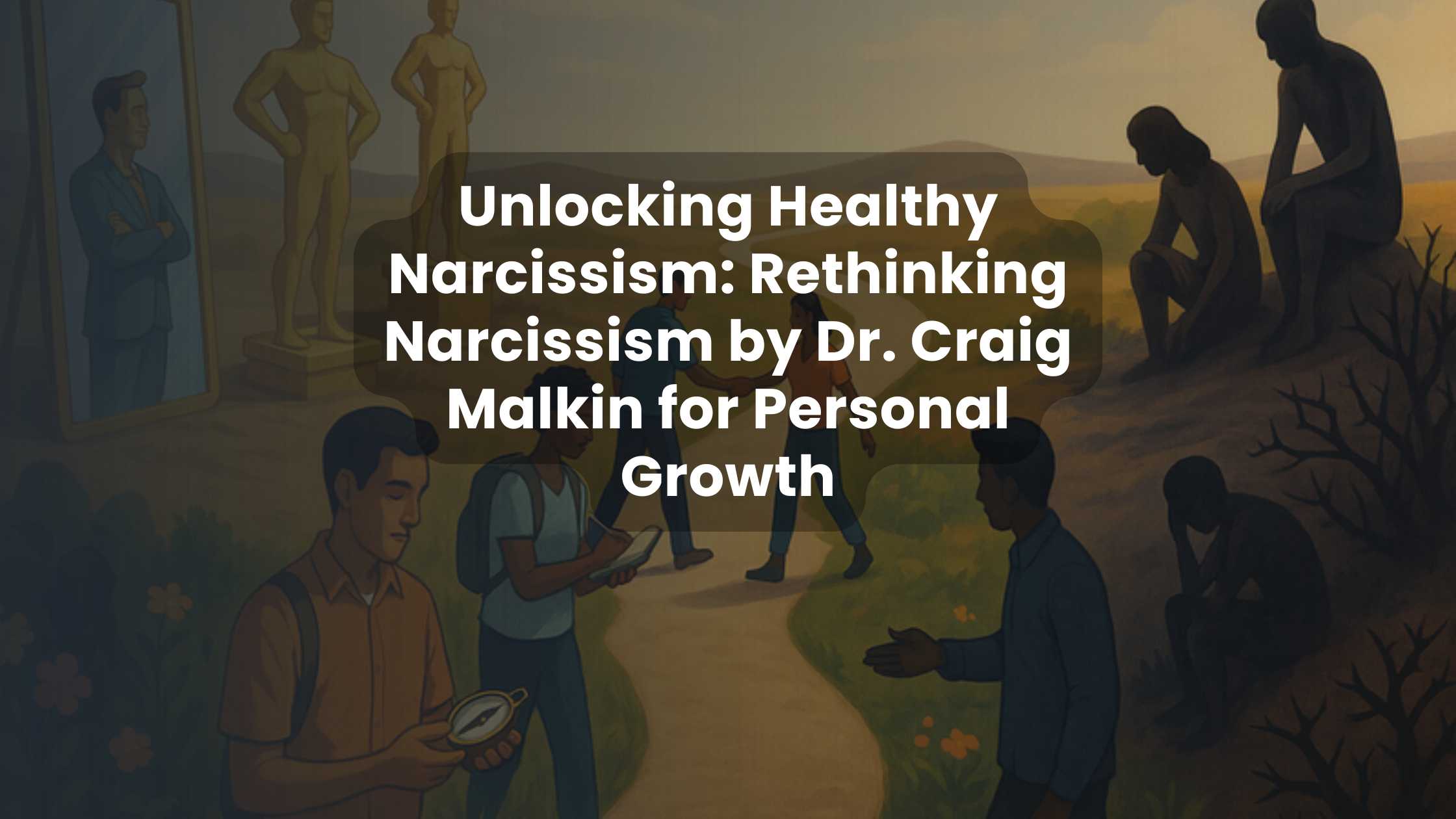
Unlocking Your Potential Through Healthy Narcissism and Empathy
Healthy narcissism forms the cornerstone of building confidence, providing a vital sense of self-worth that fuels ambition and resilience. When you cultivate healthy narcissism, you develop an inner foundation that helps you face challenges without succumbing to self-doubt. This positive self-regard acts like a mental shield, enabling you to navigate setbacks with determination and bounce back stronger. For example, athletes who maintain healthy narcissism often show remarkable persistence because they believe in their abilities while staying open to improvement. Understanding this essence helps you appreciate how confidence naturally grows from a balanced self-view rather than arrogance.
It is important to distinguish between healthy and pathological narcissism to maintain that balance of self-assurance without tipping into harmful behaviors. Healthy narcissism encourages pride in achievements and realistic self-appreciation, whereas pathological narcissism can damage relationships and lead to entitlement or manipulation. By recognizing the dual nature of narcissism, you can protect yourself from negative extremes while harnessing self-confidence as a positive force. For instance, leaders who are aware of this balance often inspire teams without overshadowing others or dismissing feedback, fostering both respect and motivation.
Narcissistic traits, when paired with empathy, create a powerful blend that drives ambition while ensuring ethical behavior and collaboration. This dynamic combination allows you to pursue high goals with determination while remaining sensitive to the needs and feelings of others. Take entrepreneurs who combine bold vision with empathy for customers and employees—they tend to build successful, sustainable businesses. By balancing narcissistic drive with genuine concern, you not only unlock personal potential but also cultivate trust and meaningful partnerships that amplify success.
Resilience thrives on healthy narcissism, as a strong, positive self-image helps you recover quickly from adversity. When setbacks occur, a grounded sense of worth allows you to view failures as temporary and solvable instead of permanent reflections of self. This adaptability is key to long-term growth. For example, research shows that people with higher levels of healthy narcissism report better stress management and quicker emotional recovery. Cultivating this trait means you can maintain motivation and optimism even when facing obstacles, turning challenges into opportunities for improvement.
Self-awareness plays a crucial role in harnessing narcissistic traits for growth, acting as a mirror to reflect on your strengths and weaknesses. By becoming mindful of how narcissistic tendencies influence your thoughts and behaviors, you can channel these traits to boost confidence without losing humility. Practical steps include journaling about daily experiences or seeking honest feedback from trusted peers, which can highlight areas for adjustment. This reflective practice ensures your ambition remains balanced and your relationships stay authentic, unlocking your full potential.
Avoiding the pitfalls of pathological narcissism requires a conscious emphasis on empathy, which grounds your self-esteem in meaningful connections rather than inflated self-image. Practicing empathy helps you understand others’ perspectives and fosters genuine relationships, reducing the risk of isolation caused by excessive self-focus. Simple actions like active listening and expressing appreciation can strengthen bonds and keep narcissistic tendencies healthy. For instance, managers who prioritize empathy alongside confidence often create more cohesive and motivated teams, demonstrating how balanced traits benefit both individuals and groups.
Understanding narcissism as a spectrum allows you to embrace the full range of traits and unlock personal growth by combining confidence with empathy. This approach encourages viewing narcissism not as a fixed label but as a fluid characteristic that can be developed and balanced over time. By recognizing where you fall on this spectrum, you can strategically enhance strengths and address vulnerabilities. For example, individuals who integrate both healthy narcissism and empathy report higher life satisfaction and improved social relationships. Embracing this nuanced perspective empowers you to cultivate a balanced, confident, and compassionate self.
Unlocking Your Potential Through Healthy Narcissism and Empathy
Healthy narcissism forms the backbone of building confidence, serving as a vital source of self-esteem and ambition. When you cultivate this positive form of narcissism, you develop a mindset that views challenges as opportunities rather than obstacles. For example, professionals with healthy narcissism often pursue leadership roles because they believe in their capabilities and worth. This internal confidence fosters resilience, allowing individuals to navigate setbacks without losing their sense of value. By embracing this essence of healthy narcissism, you empower yourself to face life’s hurdles with strength and determination.
Understanding the dual nature of narcissism is essential to maintaining a balanced sense of self. Healthy narcissism fuels ambition and self-assurance, whereas pathological narcissism can lead to harmful behaviors such as entitlement or a lack of empathy. Distinguishing these forms helps you nurture confidence without tipping into arrogance or self-centeredness. For instance, a manager who balances a strong belief in their skills with genuine consideration for team members demonstrates this balance in action. This awareness creates a foundation where self-esteem and interpersonal respect coexist, fostering both personal growth and healthy relationships.
Narcissistic traits, when combined with empathy, create a powerful synergy that drives ambition and ethical conduct. People who harness this dynamic often set high goals while remaining mindful of others’ needs. Consider entrepreneurs who innovate boldly but prioritize fair treatment of employees and customers. This balanced approach encourages collaboration and trust, essential elements for long-term success. By integrating empathy into narcissistic ambition, you can pursue excellence without sacrificing compassion, leading to more meaningful achievements.
Resilience is closely linked to healthy narcissism, as a positive self-image supports bouncing back from adversity. When setbacks occur, individuals with healthy narcissism use their strong self-belief to adapt and recover quickly. Athletes, for example, often demonstrate this trait by viewing failures as temporary and focusing on improvement rather than defeat. This resilience not only enhances mental toughness but also encourages continuous growth. Developing this trait involves reinforcing your sense of worth and recognizing that mistakes do not diminish your value.
Self-awareness plays a critical role in channeling narcissistic traits for personal growth. By reflecting honestly on your strengths and weaknesses, you can leverage confidence without becoming disconnected from reality. This practice helps you identify when ambition is motivating you positively and when it might lead to overconfidence. Techniques like journaling or seeking feedback can enhance self-awareness, allowing you to maintain a grounded perspective while boosting your performance. Using this insight, you can navigate challenges with clarity and purpose.
Empathy acts as a safeguard against the pitfalls of pathological narcissism by fostering meaningful connections and reducing selfish tendencies. Practicing empathy encourages you to listen actively, understand others’ viewpoints, and respond with compassion. For example, leaders who demonstrate empathy tend to inspire loyalty and improve team morale. This emotional intelligence balances the self-focus of narcissistic traits, preventing isolation and promoting healthier social interactions. Incorporating empathy into your daily routine can help you maintain authenticity and avoid the traps of inflated self-importance.
Recognizing the spectrum of narcissism allows you to unlock your full potential by blending confidence with empathy. This balanced approach supports both personal achievement and interpersonal harmony. When you accept that narcissism exists on a continuum, you can better adjust your behaviors to fit different situations. For instance, showing assertiveness in negotiations while remaining empathetic to others’ needs creates win-win outcomes. Embracing this spectrum enables you to grow psychologically and thrive in various aspects of life.
Conclusion
In Unlocking Healthy Narcissism: Rethinking Narcissism, Dr. Craig Malkin offers a fresh perspective on the often misunderstood concept of narcissism. At its core, healthy narcissism is about building genuine confidence and resilience, enabling you to face challenges with a strong sense of self-worth. By distinguishing between healthy and pathological narcissism, you learn to nurture ambition and drive while maintaining empathy and ethical behavior. This balance fosters not only personal success but also meaningful relationships. Through self-awareness, you can harness your narcissistic traits constructively, using them as fuel for growth rather than letting them lead to destructive patterns. Ultimately, embracing the full spectrum of narcissism empowers you to cultivate psychological well-being and unlock your true potential.
If this exploration has piqued your interest, consider reflecting on your own traits and how they shape your interactions and ambitions. Dive deeper into Dr. Malkin’s work to further understand how a balanced sense of self can transform your personal and professional life. Your journey toward healthy narcissism starts with curiosity and self-reflection—take that first step today.
FAQ
Frequently Asked Questions About Unlocking Healthy Narcissism: Rethinking Narcissism by Dr. Craig Malkin
What is healthy narcissism?
Healthy narcissism refers to a balanced sense of self-esteem and confidence that enables individuals to feel worthy and motivated. It serves as a foundation for ambition and resilience, helping people navigate life’s challenges with a positive self-image.
How does healthy narcissism differ from pathological narcissism?
While healthy narcissism supports self-assurance and growth, pathological narcissism involves an inflated sense of self-importance, lack of empathy, and harmful behaviors. Understanding this difference is key to maintaining confidence without falling into destructive patterns.
Can narcissistic traits contribute positively to ambition?
Yes, when combined with empathy and self-awareness, narcissistic traits can drive ambition in a constructive way. This balance fosters high aspirations while encouraging ethical behavior and collaboration with others.
How does healthy narcissism enhance resilience?
Healthy narcissism strengthens resilience by providing a stable and positive self-view. This allows individuals to recover from setbacks more effectively and adapt to changing circumstances with confidence.
What role does self-awareness play in managing narcissistic traits?
Self-awareness helps individuals recognize both their strengths and weaknesses. By reflecting on these traits, people can channel their narcissistic tendencies to build confidence while staying grounded and connected to others.
How can one avoid the pitfalls of pathological narcissism?
Practicing empathy and nurturing meaningful relationships are essential to preventing pathological narcissism. Staying mindful of others’ perspectives helps maintain humility and avoids an inflated or unrealistic sense of self.
Why is it important to understand narcissism as a spectrum?
Recognizing that narcissism exists on a spectrum allows for a more nuanced approach to personal growth. It encourages balancing confidence with empathy, unlocking greater potential for psychological well-being and achievement.
How can the insights from this book support personal growth?
The book provides tools to rethink narcissism in a way that empowers individuals to build healthy self-esteem, embrace ambition responsibly, and cultivate resilience. Applying these insights can lead to a more balanced and fulfilling life.
Where can I apply the concept of healthy narcissism in daily life?
Healthy narcissism can be applied in various areas including career development, relationships, and self-care. It helps you set boundaries, pursue goals with determination, and maintain emotional balance while connecting authentically with others.
Is it possible to develop healthy narcissism if I struggle with self-doubt?
Absolutely. Through self-reflection, mindfulness, and practicing empathy, individuals can nurture healthy narcissism. Building confidence gradually while staying aware of others’ needs fosters a well-rounded and resilient self-image.