Unlocking Peak Performance: Lessons from Choke by Sian Beilock

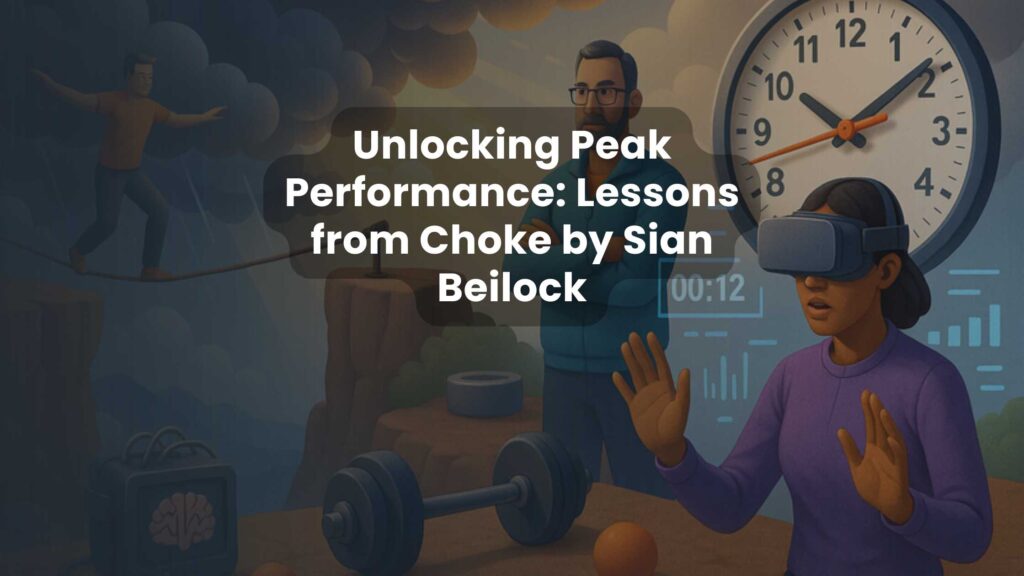
Picture this: you’re standing in front of a room full of people, ready to deliver a presentation that could change everything—only to find your mind suddenly blank, your hands trembling, and your confidence slipping away. This frustrating experience, known as choking under pressure, strikes when anxiety hijacks your ability to perform at your best. What causes this unexpected stumble, and more importantly, how can you break free from it? By delving into the intricate relationship between stress, brain function, and mindset, we uncover practical lessons that transform pressure from a paralyzing force into a catalyst for peak performance. Join us as we explore strategies grounded in science and psychology that empower you to conquer performance anxiety and thrive when it matters most.
Understanding Choking Under Pressure and Performance Anxiety
Imagine standing in front of a crowd, ready to deliver a crucial presentation, when suddenly your mind goes blank, and your hands tremble. This unsettling experience, often called choking under pressure, occurs when anxiety overwhelms your ability to perform a well-practiced skill. Understanding choking under pressure and performance anxiety means recognizing that these moments are not just about nerves but involve complex interactions between stress, brain function, and expectations. For example, athletes who miss easy shots during championship games often experience this phenomenon, as intense pressure disrupts their usual flow. Realizing that choking is a natural response to high-stakes situations can help you approach it with more compassion and curiosity.
Stress plays a pivotal role in how well you perform under pressure. When you face a high-pressure moment, your body releases cortisol, a hormone that, in large amounts, can cloud your working memory and reduce your ability to focus. This biochemical reaction can make recalling key information or making quick decisions difficult, turning a confident performance into a struggle. Research shows that individuals under intense stress may experience up to a 30% drop in cognitive functioning compared to relaxed states. Learning to manage stress through techniques like time management or physical activity can help keep your mind sharp and prevent anxiety from sabotaging your performance.
Your brain’s natural survival instincts can sometimes backfire during critical moments. The prefrontal cortex, responsible for reasoning and decision-making, is highly sensitive to stress. When overwhelmed, your brain may shift control to more primitive areas, triggering “fight or flight” responses rather than clear thinking. Athletes and performers who train under simulated pressure conditions often develop stronger neural pathways that help maintain focus when stakes are high. For example, a musician practicing in front of small audiences builds resilience, making it easier to perform confidently at larger shows. By understanding how your brain responds, you can adopt strategies that help maintain calm and clear thinking during pressure-filled situations.
High expectations can inadvertently create a breeding ground for performance anxiety. When you set unrealistic goals or tie your self-worth to flawless outcomes, the fear of failure can become paralyzing. Instead, managing expectations through setting achievable goals and celebrating progress can reduce anxiety’s grip on your performance. For instance, a student preparing for exams might focus on learning concepts deeply rather than obsessing over perfect scores. This shift encourages effort and growth, making the experience less stressful and more enjoyable, which in turn supports better performance.
Stereotypes and social expectations add another layer of pressure, particularly for women and minorities who may face stereotype threats. These threats arise when individuals fear confirming negative stereotypes about their group, increasing anxiety and the risk of choking. Creating inclusive environments where everyone feels valued and supported can help reduce this added pressure. For example, companies that promote diversity and provide mentorship opportunities often see higher confidence and performance levels among underrepresented employees. Recognizing and addressing these external pressures is essential for fostering success and well-being.
One of the most effective ways to combat choking is through training that mimics high-pressure situations. Athletes, public speakers, and performers often simulate stressful scenarios to build resilience and confidence. This kind of practice helps your brain and body become accustomed to pressure, making real events feel less intimidating. Consider a basketball player who practices taking free throws with a ticking clock and crowd noise. Over time, these controlled stress exposures condition the mind to stay focused and calm, increasing the likelihood of success when it really counts.
Mindfulness offers a valuable tool for overcoming performance anxiety. By cultivating the ability to stay present and non-judgmental, mindfulness helps reduce distracting thoughts and heightens focus. Simple practices like meditation or mindful breathing can improve clarity and emotional regulation. For example, a public speaker who takes a moment to center themselves before stepping on stage may experience less anxiety and greater control over their delivery. Incorporating mindfulness into your routine can create a powerful buffer against the overwhelming feelings that lead to choking.
Controlled breathing techniques are practical and accessible ways to calm your nervous system during pressure situations. Methods such as box breathing, which involves equal counts of inhaling, holding, exhaling, and pausing, help lower heart rate and reduce anxiety. Athletes often use these techniques before crucial moments to steady their nerves and enhance performance. Learning and practicing controlled breathing can be a game-changer, providing you with a simple, effective tool to regain composure when you feel tension rising.
Changing how you interpret stress can dramatically affect your performance. Cognitive reappraisal involves viewing stress not as a threat but as a challenge that energizes you. Studies have shown that people who adopt this mindset perform better under pressure than those who see stress as harmful. For example, a student who reinterprets exam anxiety as excitement might experience improved focus and problem-solving ability. By consciously reframing stress, you can harness it as a motivational force instead of letting it hold you back.
Developing a growth mindset is crucial for long-term resilience against choking and performance anxiety. When you believe that your abilities can improve through effort and learning, failures become opportunities rather than sources of fear. This perspective encourages persistence and reduces the dread of making mistakes. For instance, an employee who views constructive feedback as a chance to grow will likely perform better in future high-pressure tasks. Embracing a growth mindset empowers you to face challenges with confidence and bounce back stronger after setbacks.
How Stress Impacts Cognitive Performance and Decision-Making
Stress plays a significant role in shaping cognitive performance and decision-making, often acting as both a motivator and a hinderance. When faced with pressure, the brain releases cortisol, a stress hormone that can impair working memory and focus. This biochemical reaction disrupts the brain’s ability to process information efficiently, leading to slower thinking and difficulty in weighing options. For example, during an important business meeting or exam, excessive stress may cause one to forget key facts or struggle to analyze problems logically. Understanding this relationship highlights why managing stress is crucial for maintaining sharp cognitive function.
One common manifestation of stress’s impact on cognition is choking under pressure, often linked to performance anxiety. This phenomenon occurs when anxiety overwhelms the brain’s reasoning centers, causing a sudden drop in skill execution. Imagine an athlete missing an easy shot in a championship game or a speaker forgetting lines during a presentation. These moments are not due to lack of preparation but rather the brain’s misfiring under stress. By learning how stress affects brain functionality, individuals can adopt techniques to remain calm and focused when stakes are high, such as mental rehearsal or breathing exercises.
Expectations and mindset also influence how stress affects decisions and cognitive output. High expectations can amplify pressure and fear of failure, which worsens anxiety and reduces performance. Research shows that setting realistic goals and valuing effort over perfect outcomes helps lower stress levels. This shift in perspective allows individuals to approach challenges with less fear, improving decision-making quality. For instance, students who focus on learning progress rather than just grades experience less test anxiety and perform better overall.
The social environment plays a role in stress-related cognitive decline, especially when stereotype threats come into play. Women and minorities may face additional pressure from societal expectations, which can heighten anxiety and lead to impaired decision-making. Creating inclusive spaces and acknowledging these challenges can help reduce this extra layer of stress. For example, companies that foster diversity and actively combat stereotypes often see improved employee confidence and cognitive performance in high-pressure situations.
Training for high-pressure scenarios builds mental resilience, allowing the brain to better handle stress during critical moments. Simulated practice under controlled stress conditions helps individuals become familiar with pressure, reducing the likelihood of choking. Emergency responders and pilots, for instance, undergo rigorous drills to develop this resilience. Such training improves focus and decision-making by conditioning the brain’s stress response to stay calm and efficient.
Mindfulness and controlled breathing techniques serve as powerful tools to counteract the negative cognitive effects of stress. Mindfulness encourages staying present, reducing the distraction caused by anxious thoughts. Meditation practices can improve clarity and emotional regulation, leading to better problem-solving. Controlled breathing methods, like box breathing, lower heart rate and calm the nervous system, which helps maintain composure during stressful decisions. Incorporating these habits into daily routines can significantly enhance cognitive performance.
Another effective approach is cognitive reappraisal, which involves changing one’s perception of stress from a threat to a challenge. This mindset shift transforms stress into motivation, improving focus and decision-making under pressure. Studies reveal that individuals who view stress positively perform better in exams and competitive environments. Embracing this outlook empowers people to harness stress constructively rather than letting it undermine their abilities.
Developing a growth mindset further supports resilience in stressful situations by encouraging the belief that abilities can improve through effort. This perspective reduces the fear of choking under pressure by framing failures as learning opportunities. Students and professionals who adopt this mindset are more likely to persist through challenges and make sound decisions despite stress. Cultivating growth-oriented thinking fosters long-term cognitive strength and adaptability.
To manage stress and protect cognitive function, consider these practical tips: set achievable goals to reduce pressure, practice mindfulness daily, use controlled breathing during high-stress moments, and engage in simulated stress scenarios to build resilience. Additionally, reframe stress as a positive force and nurture a growth mindset to maintain confidence. By integrating these strategies, you can improve decision-making and perform at your best, even when the pressure mounts.
Brain Functionality: Staying Calm During Critical Moments
Imagine standing before an audience, feeling your heart race as words suddenly escape you. This experience, known as choking under pressure, happens when anxiety overtakes your brain’s ability to perform. Performance anxiety triggers a flood of stress hormones, disrupting the delicate balance in your cognitive processes. Understanding why choking occurs is the first step toward mastering your brain functionality during critical moments. By recognizing these natural reactions, you can learn to regain control and deliver your best performance, even when the stakes are high.
Stress plays a pivotal role in how your brain functions during demanding situations. When stress levels rise, the hormone cortisol floods your system, impairing your working memory and decision-making skills. This clouded thinking makes it difficult to focus and respond effectively. However, stress is not always an enemy; with proper management, it can be transformed into a tool that sharpens your alertness. Techniques like mindful breathing and mental rehearsal help regulate stress hormones, allowing your brain to maintain clarity and composure under pressure.
At the core of staying calm is understanding how your brain’s survival mechanisms work. Under intense pressure, the brain’s reasoning center—the prefrontal cortex—can become overwhelmed, leading to impulsive reactions or mental blocks. Training your brain through repeated exposure to stressful scenarios helps strengthen neural pathways associated with focus and control. For example, athletes and performers often simulate high-pressure situations to build resilience, ensuring their brains respond calmly when real challenges arise. This deliberate practice rewires the brain to handle stress more effectively, reducing the likelihood of choking.
Setting realistic expectations plays a crucial role in preventing performance slumps. When you place excessive pressure on yourself to succeed perfectly, fear of failure intensifies, increasing anxiety. Shifting your mindset to value effort and progress over flawless outcomes eases this burden. For instance, students preparing for exams who focus on steady improvement rather than perfection tend to perform better and remain calmer. This approach not only reduces stress but also promotes a healthier relationship with challenges, enhancing overall brain functionality in critical moments.
Stereotype threats can add invisible pressure, especially for women and minorities facing societal biases. These threats activate stress responses that interfere with concentration and confidence. Creating inclusive environments where diverse individuals feel supported mitigates these effects. Studies show that acknowledging and addressing stereotype threats improves performance and reduces anxiety. By fostering a culture of empowerment, individuals can break free from limiting beliefs and unlock their true potential during high-stakes situations.
Preparation through training is essential for managing pressure effectively. Controlled exposure to challenging scenarios builds mental toughness and familiarizes the brain with stress signals. For example, emergency responders regularly practice crisis drills to maintain calm and quick decision-making during real emergencies. This resilience training enhances brain functionality by teaching the nervous system to regulate stress responses, making it easier to stay composed when faced with unexpected difficulties.
Mindfulness offers a powerful way to enhance concentration and reduce performance anxiety. By focusing on the present moment without judgment, mindfulness practices quiet distracting thoughts and promote mental clarity. Simple exercises like guided meditation or focused breathing can be integrated into daily routines to improve brain functionality. Professionals who incorporate mindfulness report better control over their attention and reduced feelings of overwhelm, leading to steadier performance during critical moments.
Controlled breathing techniques serve as an effective tool to calm nerves quickly. Methods such as box breathing—breathing in for four seconds, holding for four, exhaling for four, and pausing for four—activate the parasympathetic nervous system, lowering heart rate and easing anxiety. These practices are easy to learn and can be used anytime stress begins to escalate, helping maintain poise and clear thinking. Mastering controlled breathing empowers you to regulate your physiological responses and stay focused under pressure.
Cognitive reappraisal is the skill of changing how you interpret stress, turning it into a positive force. Instead of viewing stress as a threat, reframing it as a challenge can boost motivation and performance. Research shows that individuals who adopt this perspective experience less anxiety and improve task execution. By consciously shifting your mindset, you harness stress to energize your brain rather than hinder it, unlocking greater potential in critical moments.
Developing a growth mindset fosters resilience by emphasizing learning from mistakes rather than fearing failure. Believing that abilities can improve with effort reduces the pressure to be perfect and diminishes the likelihood of choking. For example, professionals who see setbacks as opportunities to grow tend to recover faster and perform better in future high-pressure situations. Cultivating this mindset strengthens your brain’s capacity to adapt and thrive, making it easier to remain calm and focused when it matters most.
Managing Expectations to Reduce Performance Anxiety
Managing expectations is a crucial strategy to reduce performance anxiety, especially when facing high-pressure situations. When individuals set overly ambitious or unrealistic goals, they increase the pressure they place on themselves, which can trigger feelings of fear and self-doubt. For example, a student aiming for a perfect score without considering their current skill level may become overwhelmed, leading to choking under pressure during exams. By learning to set achievable, clear targets, people can ease this mental burden, focusing more on effort and progress rather than just the final outcome. This shift reduces anxiety and fosters a healthier relationship with performance challenges.
Understanding how stress impacts cognitive performance highlights why managing expectations matters. Stress floods the brain with cortisol, which impairs working memory and decision-making abilities. When expectations are too high, stress levels spike, making it harder to think clearly in critical moments. For instance, an athlete who expects to win every time might experience intense stress, causing lapses in focus during competition. By lowering expectations to realistic levels, individuals can keep stress in check, allowing their brain’s reasoning abilities to function optimally. This balance helps maintain clarity and composure when stakes are high.
One practical way to manage expectations is by emphasizing the process instead of the outcome. Valuing consistent effort, learning, and small improvements over winning or perfection reduces the fear of failure. Take a musician preparing for a recital: focusing on practicing daily and mastering pieces incrementally rather than stressing about flawless performance helps build confidence and diminish anxiety. This mindset encourages resilience and adaptability, making it easier to recover from setbacks without spiraling into self-criticism or performance slumps.
Incorporating realistic expectations also involves acknowledging external factors that influence performance, such as stereotype threats or societal pressures. For example, women or minority groups may face added anxiety due to stereotypes about their abilities. Recognizing these pressures allows individuals and organizations to create supportive environments that reduce undue stress. This inclusive approach not only helps manage expectations but also empowers people to perform at their best without the extra weight of bias or prejudice.
To implement effective expectation management, try these actionable steps: start by setting SMART goals—specific, measurable, attainable, relevant, and time-bound—to create clear benchmarks. Next, track progress regularly to focus on growth rather than perfection. Practice cognitive reappraisal by reframing challenges as opportunities to learn instead of threats to success. Finally, combine these strategies with stress-reducing techniques like mindfulness or controlled breathing to maintain calm and focus. These practical measures help transform pressure into motivation, creating a sustainable path to improved performance and reduced anxiety.
Overcoming Gender and Stereotype Threats in High-Stakes Situations
Overcoming gender and stereotype threats in high-stakes situations requires a multifaceted approach that acknowledges the unique pressures individuals face. Stereotypes can create a heavy burden, especially for women and minorities, as they often wrestle with societal expectations that can undermine their confidence. Research shows that when individuals are aware of the stereotypes associated with their identity, their performance can suffer—a phenomenon known as stereotype threat. For instance, female students performing in math and science often underperform in environments where they believe their abilities are being judged against prevailing stereotypes. Recognizing these dynamics is the first step toward creating an inclusive environment that fosters empowerment and success.
To combat the adverse effects of stereotype threats, it is crucial to implement strategies that promote psychological safety and resilience. One effective method involves fostering a culture that values diversity and inclusivity. Initiatives such as mentorship programs can provide support, allowing marginalized groups to share experiences and strategies for overcoming bias. Additionally, organizations can conduct training sessions to raise awareness about implicit biases and their impact on decision-making. These measures not only help individuals feel valued but also encourage a collaborative atmosphere where everyone can thrive, regardless of gender or background.
Mindfulness techniques also play a significant role in mitigating the effects of stress and anxiety associated with performance in high-pressure situations. Practices such as meditation and deep breathing can help individuals center themselves, reducing the likelihood of choking under pressure. For example, incorporating short mindfulness sessions before critical meetings or presentations can enhance focus and clarity. Participants often report feeling more grounded and capable of tackling challenges, thereby diminishing the grip of stereotype threats on their performance.
Furthermore, reframing expectations can be a powerful tool in overcoming performance anxiety. Encouraging individuals to set realistic goals based on personal growth rather than external validation can alleviate some of the pressure they experience. By emphasizing the value of effort and learning from mistakes, individuals can shift their mindset from fear of failure to one of resilience and determination. This approach not only improves performance but also cultivates a supportive environment where everyone feels empowered to pursue their aspirations without the weight of stereotypes.
Training for high-pressure scenarios is another effective strategy for building confidence and resilience. Engaging in simulations that mimic stressful situations can help individuals practice their responses and develop coping mechanisms. This kind of preparatory training allows individuals to familiarize themselves with the stressors they may encounter, thus equipping them to handle real-world challenges more effectively. Studies have shown that those who undergo such training can significantly reduce their anxiety and improve their performance under pressure, proving that preparation is a key element in overcoming stereotype threats.
Incorporating cognitive reappraisal techniques also empowers individuals to reinterpret stress as a motivating factor rather than a hindrance. By viewing challenges as opportunities for growth, individuals can harness their anxiety and transform it into a driver for success. This mindset shift is particularly crucial in high-stakes situations where pressure is palpable. For instance, athletes often utilize this technique to channel their nerves into heightened performance, allowing them to excel despite external expectations. By applying similar strategies across various fields, individuals can unlock their potential and diminish the impact of stereotypes on their achievements.
Lastly, the importance of controlled breathing cannot be overstated when it comes to maintaining composure in tense situations. Simple techniques, such as box breathing, can effectively reduce heart rate and anxiety, providing a quick and accessible way to regain focus. Practicing these techniques regularly can empower individuals to remain calm and collected, enabling them to perform at their best even when the stakes are highest. Integrating controlled breathing practices into daily routines can foster a sense of inner peace and resilience, further diminishing the effects of stereotype threats.
By understanding the complexities of gender and stereotype threats in high-pressure situations, individuals and organizations can take actionable steps to create supportive environments. Through mindfulness, realistic goal-setting, training, cognitive reappraisal, and controlled breathing, the barriers imposed by stereotypes can be dismantled. Embracing these strategies not only enhances personal performance but also contributes to a culture where everyone can aspire to success, free from the constraints of societal expectations.
Training Techniques for Building High-Pressure Resilience
Training techniques for building high-pressure resilience begin with understanding the phenomenon of choking under pressure and performance anxiety. Imagine standing in front of an audience, ready to deliver a crucial presentation, when suddenly your mind blanks and your confidence falters. This experience is common and stems from an overwhelming surge of anxiety that disrupts your ability to perform. Recognizing why choking happens—often due to heightened self-awareness and fear of failure—allows you to address it head-on. For example, athletes who practice visualization techniques improve their ability to anticipate pressure moments, reducing the chance of choking during competition. By identifying these triggers early, you can tailor training methods that prepare you mentally for stress-inducing scenarios.
Stress plays a pivotal role in cognitive performance, often acting as a double-edged sword. While moderate stress can sharpen focus, excessive levels release cortisol, which impairs working memory and decision-making. This biochemical reaction can cause the mind to feel foggy just when clarity is most needed. Effective training techniques focus on stress management to harness its positive aspects while minimizing its negative impact. Practices such as progressive muscle relaxation or time-managed simulation drills can help individuals regulate their stress responses. In workplaces, for instance, employees who engage in short, focused stress-reduction exercises show improved problem-solving abilities during critical projects, proving the value of managing stress in high-pressure environments.
Understanding brain functionality during pressure-filled moments is essential for avoiding performance slumps. The brain’s prefrontal cortex, responsible for reasoning and decision-making, becomes less efficient when flooded with stress hormones. This can cause impulsive reactions or mental blocks. Training that targets brain adaptability, like cognitive exercises and mindfulness meditation, strengthens neural pathways associated with focus and calmness. For example, surgeons who practice mindfulness report greater accuracy and steadiness during complex operations. Incorporating such brain-training tools into regular routines helps maintain composure and sharp mental performance when the stakes are high.
Managing expectations is another critical technique to prevent performance slumps caused by internal pressure. High aspirations can create a fear of failure that paralyzes performance. By setting realistic, process-oriented goals rather than fixating solely on results, individuals shift their focus toward effort and improvement. This mindset reduces anxiety and fosters resilience. Athletes who concentrate on incremental progress, such as improving lap times or technique rather than winning each race, often demonstrate more consistent performance under pressure. Emphasizing growth and learning over perfection equips you with the emotional tools to handle challenging situations with confidence.
High-pressure resilience training also involves overcoming gender and stereotype threats that add an extra layer of anxiety for many individuals. For women and minorities, societal expectations can create subconscious barriers that intensify pressure, leading to self-doubt and choking. Recognizing these threats and fostering an inclusive environment is crucial for building resilience. Organizations that provide mentorship and support networks reduce stereotype-induced stress, empowering individuals to perform authentically. For example, companies with diversity programs that encourage open dialogue about bias see improved employee confidence and performance in high-stress roles. Addressing these social dynamics is an essential part of comprehensive resilience training.
Simulating high-pressure situations is a cornerstone technique for training resilience. Controlled exposure to stress mimics real-world challenges, helping individuals learn to manage their physiological and psychological reactions. Military training programs often use simulated combat scenarios to prepare soldiers for the unpredictability of battle, enhancing their ability to stay focused and make quick decisions. Similarly, public speakers who rehearse in front of small, critical audiences build confidence that translates to larger venues. Regular practice in realistic settings desensitizes the nervous system, reducing the impact of pressure when it matters most.
Harnessing mindfulness and sustained focus significantly improves performance under pressure. Mindfulness trains the brain to remain present, preventing anxiety from spiraling into distraction. Techniques such as focused breathing and guided meditation enhance mental clarity and emotional regulation. Studies show that professionals who engage in mindfulness programs report lower levels of performance anxiety and greater task focus. Incorporating even brief mindfulness sessions before high-stakes activities can create a calm mental state that supports peak performance, making this an accessible and powerful training tool.
Controlled breathing techniques offer a simple yet effective way to calm nerves during stressful moments. Methods like box breathing—inhale, hold, exhale, and pause for equal counts—activate the parasympathetic nervous system, lowering heart rate and reducing anxiety. Athletes and performers often use controlled breathing to regain composure mid-performance. Learning to regulate breath not only steadies the body but also sharpens mental focus, allowing you to respond thoughtfully rather than react impulsively under pressure. Practicing these techniques daily can build a reliable skill for maintaining poise in the tensest situations.
Cognitive reappraisal, or reframing stress as a motivating challenge instead of a threat, transforms the emotional experience of pressure. When you view stress positively, it enhances alertness and energy, leading to improved performance. For example, students who reframe exam nerves as excitement perform better than those who see anxiety as a sign of failure. Training your mind to adopt this perspective involves deliberate practice in recognizing negative thought patterns and consciously shifting them. By harnessing this mental shift, you turn stress into a tool that drives success rather than an obstacle that hinders it.
Developing a growth mindset is fundamental for sustaining resilience in high-pressure environments. Believing that abilities improve with effort rather than being fixed traits encourages persistence and reduces fear of choking. Embracing failures as learning opportunities cultivates adaptability and confidence. For instance, entrepreneurs who approach setbacks as valuable feedback are more likely to innovate and thrive under pressure. Training programs that promote growth mindset principles inspire individuals to view challenges as chances to expand their capabilities, reinforcing resilience and long-term achievement.
Controlled Breathing Techniques for Calming Nerves Under Pressure
Controlled breathing techniques offer a powerful way to calm nerves when pressure mounts. When anxiety strikes, the body often responds with rapid, shallow breaths that fuel panic and disrupt clear thinking. By consciously slowing and deepening your breath, you signal your nervous system to shift from fight-or-flight mode to a state of calm. For example, box breathing—a method involving equal counts of inhaling, holding, exhaling, and pausing—can lower heart rate and reduce stress hormones like cortisol. This technique is widely used by athletes and professionals who need to stay composed in high-stakes situations, illustrating its effectiveness.
Understanding how stress impacts cognitive performance reveals why controlled breathing is so crucial. Stress activates the release of cortisol, which can cloud your working memory and impair decision-making. When you practice controlled breathing, you help regulate this hormonal response, keeping your brain clearer and more focused. Research shows that even brief sessions of paced breathing can improve attention and mental clarity, helping you avoid choking under pressure. Incorporating breathing exercises before and during stressful moments can make a significant difference in maintaining peak performance.
The brain’s natural wiring to respond to threats can backfire during critical moments, causing a freeze or mental block. Controlled breathing acts as a tool to retrain your brain’s reaction to stress by engaging the parasympathetic nervous system, which promotes relaxation and focus. For instance, professionals facing public speaking challenges often use breathing exercises to prevent the common freeze response. By integrating these techniques into daily routines, you build resilience, training your brain to stay calm and efficient even when stakes are high.
Many people become overwhelmed by unrealistic expectations, which can heighten anxiety and increase the risk of performance slumps. Controlled breathing can help manage these feelings by grounding you in the present moment, reducing the mental noise of worry. Practicing simple breathing patterns allows you to shift attention away from fear of failure and towards effort and process. This shift not only lowers stress but also encourages a mindset where realistic goals and self-compassion thrive, making it easier to perform confidently under pressure.
Training for high-pressure situations often includes breathing exercises as a foundational element. Simulating stressful scenarios while practicing controlled breathing techniques builds familiarity and reduces the shock of real events. For example, emergency responders frequently use breathing drills to maintain composure during crises. This preparation strengthens your ability to regulate nerves, turning stressful moments into manageable challenges. Regular practice ensures that when pressure builds, your breath becomes a reliable anchor to steady your nerves.
To implement controlled breathing effectively, start with these practical steps:
– Find a quiet space and sit comfortably.
– Inhale slowly through your nose to a count of four.
– Hold the breath gently for another count of four.
– Exhale fully through your mouth for four counts.
– Pause and hold the breath out for four counts before repeating.
Practice this cycle for five minutes daily, increasing its use during stressful moments. Over time, this habit trains your nervous system to calm quickly under pressure, improving your overall performance and reducing anxiety.
By mastering controlled breathing techniques, you gain a simple yet potent tool to calm nerves and enhance focus when it matters most. These methods are accessible to anyone and can be tailored to fit busy schedules, making them an essential part of stress management and performance optimization. Whether preparing for a presentation, exam, or competitive event, controlled breathing helps you stay centered and perform at your best.
Controlled Breathing Techniques to Alleviate Anxiety in High-Pressure Situations
Controlled breathing techniques offer a practical and effective way to alleviate anxiety in high-pressure situations, such as public speaking or competitive sports. When anxiety strikes, your body often reacts with rapid, shallow breaths that can increase feelings of panic and disrupt cognitive performance. By consciously regulating your breath, you activate the parasympathetic nervous system, which helps slow your heart rate and reduce stress hormones like cortisol. For example, athletes frequently use deep breathing exercises before critical moments to maintain composure and clarity, allowing them to perform at their best despite the pressure.
Understanding how stress influences brain function is key to appreciating the power of controlled breathing. High cortisol levels impair working memory and decision-making, often causing what is known as choking under pressure—a sudden drop in performance triggered by anxiety. Controlled breathing techniques, such as box breathing or diaphragmatic breathing, help counter these effects by calming the mind and improving oxygen flow to the brain. This not only enhances focus but also reinforces your ability to think clearly, even when stakes are high. Research shows that individuals who practice these techniques regularly experience improved cognitive control during stressful tasks.
Incorporating controlled breathing into your preparation for high-pressure scenarios can change how you respond to stress. Training your body to breathe slowly and deeply under stress acts like a mental reset button, preventing your brain’s fear centers from hijacking your performance. This practice is especially useful when managing expectations, as it helps shift the focus from fear of failure to valuing effort and presence. For instance, professionals who integrate breathing exercises into their routines report feeling more grounded and less overwhelmed during presentations or critical meetings, ultimately boosting confidence and reducing anxiety.
To implement controlled breathing techniques effectively, start with simple exercises you can practice anywhere. One popular method is the 4-4-4-4 box breathing: inhale for four seconds, hold for four, exhale for four, and pause for four before repeating. Another approach is diaphragmatic breathing, where you focus on expanding your belly rather than your chest, promoting deeper oxygen intake and relaxation. Consistent practice, even for just a few minutes daily, builds resilience and prepares you to stay calm during unexpected high-pressure moments. These actionable steps empower you to take control of anxiety and improve your performance when it matters most.
Conclusion
Unlocking peak performance requires more than just talent—it demands a deep understanding of how pressure affects our minds and bodies. In “Choke,” Sian Beilock unravels the complex relationship between anxiety, stress, and performance, revealing why even the most skilled individuals sometimes falter when it matters most. By exploring the science behind choking under pressure, the impact of stress on cognitive function, and the powerful role of mindset, we learn practical ways to take control in critical moments. Techniques such as mindfulness, controlled breathing, cognitive reappraisal, and resilience training offer valuable tools to stay calm, focused, and confident. Additionally, recognizing the influence of expectations and societal pressures helps create a more supportive environment for sustained success. Ultimately, embracing a growth mindset invites continuous learning and reduces the fear of failure, helping you perform at your best when stakes are high.
If you found these insights from “Choke” intriguing, consider reflecting on your own experiences with pressure and how these strategies might apply. Experiment with mindfulness or breathing exercises during your next high-stress situation, or challenge yourself to reframe stress as a motivating force. By integrating these lessons into your daily routine, you can unlock your full potential and turn pressure into a catalyst for achievement. For those eager to dive deeper, exploring the full book will provide even richer understanding and actionable advice to elevate performance in all areas of life.
FAQ
Frequently Asked Questions About Unlocking Peak Performance: Lessons from Choke by Sian Beilock
What is choking under pressure?
Choking under pressure refers to a sudden decline in performance during important moments due to anxiety or stress. It often happens when you feel overwhelmed, causing you to doubt your abilities and struggle to perform tasks you normally can do well.
Why does choking happen?
Choking happens because stress triggers a flood of cortisol, a hormone that can cloud your working memory and interfere with your brain’s ability to think clearly. Under pressure, the part of your brain responsible for reasoning may become less effective, leading to mistakes or hesitation.
How does stress affect cognitive performance?
Stress affects your brain in complex ways. While a little stress can motivate you, too much can overload your cognitive resources, making it difficult to focus, make decisions, and remember important information. Managing stress is key to maintaining clear thinking and optimal performance.
What role do expectations play in performance slumps?
High or unrealistic expectations can increase pressure and fear of failure, which can worsen anxiety and increase the chance of choking. Learning to set attainable goals and focusing on effort rather than just outcomes helps reduce this pressure and improve performance.
How do gender and stereotype threats impact performance?
Stereotype threats happen when individuals worry about confirming negative stereotypes about their group, such as women or minorities. This added pressure can increase anxiety and impair performance. Recognizing and addressing these threats helps create more inclusive and supportive environments.
What strategies help prepare for high-pressure situations?
Simulating stressful scenarios through practice builds resilience and confidence. Facing controlled adversity trains your brain to manage stress responses better, so when real high-pressure moments arrive, you’re more likely to stay calm and perform well.
How can mindfulness improve performance under pressure?
Mindfulness involves focusing on the present moment without judgment, which can reduce anxiety and enhance concentration. Regular mindfulness practices like meditation improve mental clarity and emotional regulation, helping you maintain focus during critical moments.
Why is controlled breathing important when performing under stress?
Controlled breathing techniques, such as box breathing, help calm the nervous system by lowering heart rate and reducing anxiety. Mastering these simple methods allows you to regain composure quickly when facing tense or high-stakes situations.
What is cognitive reappraisal and how does it help?
Cognitive reappraisal is the process of changing how you interpret stress. Instead of seeing stress as a threat, viewing it as a challenge or opportunity can boost motivation and improve performance. This mindset shift helps you harness stress as a positive force.
How does developing a growth mindset enhance performance?
A growth mindset is the belief that abilities can be developed through effort and learning. This perspective reduces fear of failure and the likelihood of choking because setbacks are seen as opportunities to improve rather than threats to self-worth.
How can I apply lessons from Choke to my daily life?
By understanding the causes of choking and adopting strategies such as mindfulness, controlled breathing, cognitive reappraisal, and setting realistic expectations, you can better manage stress and perform at your best. Embracing a growth mindset and preparing for pressure through practice will help you unlock your full potential.
Where can I learn more about managing performance anxiety?
Sian Beilock’s book Choke offers in-depth insights into the science behind performance anxiety and practical tools to overcome it. Additionally, exploring resources on stress management, mindfulness, and cognitive behavioral techniques can provide further support.