Unleash Cognitive Transformation with Change Your Brain, Change Your Life Essential Insights for Emotional Mastery and Well-Being

Imagine having the key to unlock your brain’s full potential, transforming not just how you think, but how you feel and live each day. Our brain is the command center for every emotion, decision, and habit, yet many of us remain unaware of the profound ways its inner workings shape our experience. By delving into the fascinating world of brain science, from cutting-edge imaging techniques to lifestyle adjustments, you can gain powerful insights into mastering your emotions and enhancing your well-being. This journey invites you to understand the intricate connections between your brain’s function and your behavior, adopt practical strategies to nurture cognitive health, and embrace personalized approaches that honor the uniqueness of your mind. Through this transformation, you open the door to emotional mastery, resilience, and a richer, more vibrant life.
Understanding How Brain Function Shapes Emotional Behavior
The brain plays a central role in shaping how we experience and express emotions. Different regions within the brain work together to regulate feelings, influencing everything from mood swings to long-term emotional patterns. For example, the amygdala is crucial in processing fear and pleasure, while the prefrontal cortex helps control impulses and make thoughtful decisions. When these areas function harmoniously, emotional responses tend to be balanced and appropriate. Understanding the brain’s influence on behavior allows us to see why people react differently to similar situations, highlighting the biological foundations of emotional diversity.
Advancements in brain imaging, particularly SPECT imaging, have transformed the way mental health professionals understand emotional behavior. This technology provides detailed views of brain activity, revealing how specific regions perform during emotional experiences. For instance, SPECT scans can identify underactive areas linked to depression or anxiety, enabling tailored treatment plans. By using such insights, therapists can customize interventions for individuals, improving outcomes and reducing trial-and-error approaches in mental health care. This precision not only benefits patients but also deepens our knowledge of the brain-behavior connection.
Lifestyle choices significantly impact brain function and, consequently, emotional health. Regular exercise increases blood flow to the brain, promoting the release of mood-enhancing neurotransmitters like serotonin and dopamine. Balanced nutrition, rich in omega-3 fatty acids and B vitamins, supports cognitive health and emotional stability. Mindfulness practices foster awareness and reduce stress by calming overactive brain regions linked to negative thinking. Adopting these habits creates a resilient brain environment, helping individuals manage emotions more effectively and maintain mental well-being over time.
Negative thinking patterns can distort emotional experiences and contribute to mood disorders. Cognitive-behavioral strategies offer practical ways to transform these patterns by challenging unhelpful thoughts and replacing them with more balanced perspectives. Techniques such as journaling, thought records, and reframing encourage active engagement with one’s mental processes. For example, recognizing a recurring negative belief and deliberately questioning its validity can weaken its hold on emotions. These methods empower individuals to reshape their emotional responses and cultivate a more optimistic outlook on life.
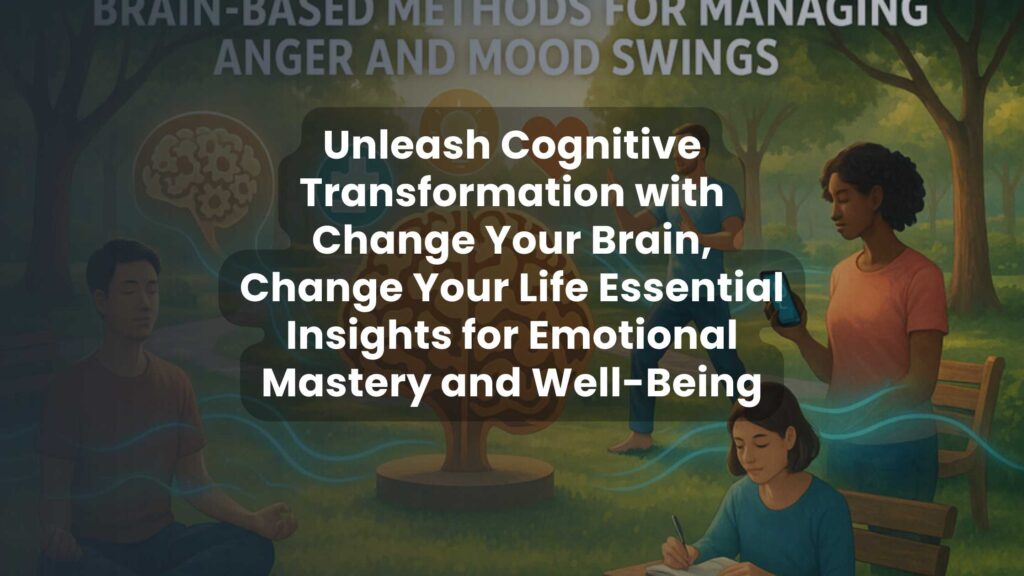
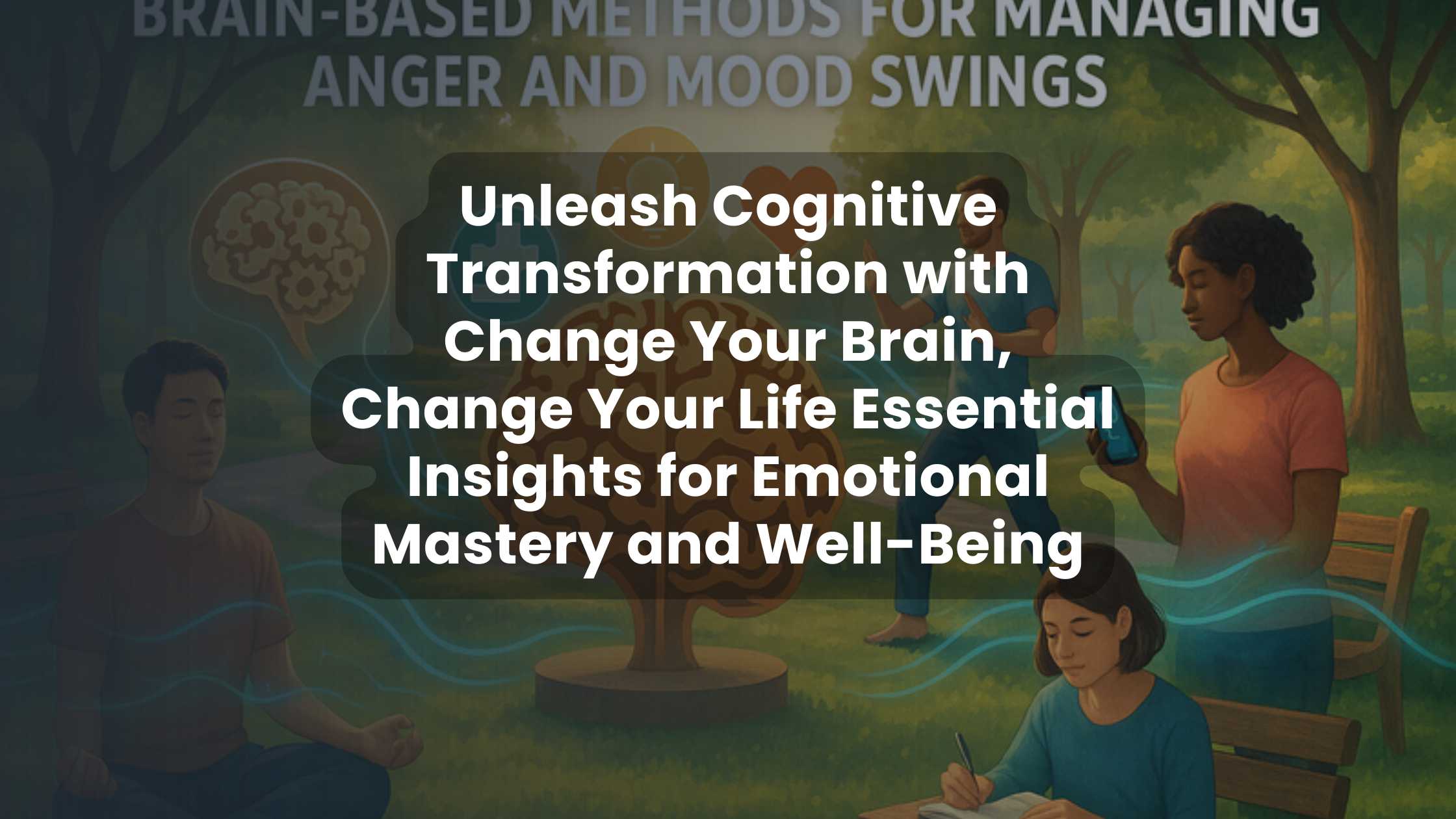
Managing anger and mood swings benefits greatly from brain-based approaches that enhance self-regulation skills. Neurofeedback trains individuals to modify brainwave patterns, promoting calmness and reducing impulsivity. Mindfulness meditation strengthens the prefrontal cortex’s ability to regulate emotions, creating a buffer against stress triggers. Practical steps include setting aside time each day for focused breathing exercises or using apps designed to guide neurofeedback sessions. By integrating these techniques, people can achieve greater emotional stability and improve their relationships and overall quality of life.
Environmental factors also play a significant role in brain health and emotional regulation. Exposure to pollutants and excessive screen time can impair cognitive function and increase stress levels. Simple actions, such as using air purifiers at home to reduce airborne toxins and establishing limits on daily screen usage, help create a brain-friendly environment. These changes minimize negative impacts on brain areas involved in mood control, supporting clearer thinking and emotional balance. Prioritizing these adjustments fosters a healthier mental state and long-term cognitive resilience.
Social connections are powerful enhancers of brain function and emotional well-being. Regular interaction with friends and family stimulates neural pathways linked to memory and empathy. Studies show that strong social bonds can delay cognitive decline and reduce feelings of loneliness, which is a risk factor for depression. Engaging in group activities or community events offers opportunities to strengthen these ties. By nurturing relationships, individuals not only enrich their emotional lives but also support brain health through shared experiences and emotional support.
To enhance memory and concentration, engaging in targeted mental exercises can be highly effective. Techniques such as mnemonic devices, puzzles, and memory games activate brain regions responsible for attention and recall. Consistent practice of these activities leads to improved cognitive performance, which is vital in academic and professional settings. Simple habits like chunking information or visualizing concepts during study sessions can boost retention. These strategies empower individuals to sharpen focus and efficiently manage cognitive tasks in today’s demanding environments.
Recognizing that each brain is unique opens the door to tailored mental health solutions. Genetic testing and brain mapping reveal individual differences in brain chemistry and structure, guiding personalized treatment plans. For example, some people respond better to certain medications or therapies based on their brain profile. Understanding these distinctions helps avoid a one-size-fits-all approach, increasing the likelihood of successful emotional regulation and mental health management. Personalized care reflects the complex interplay between biology and behavior, offering a more precise path to wellness.
Supplements can play a supportive role in maintaining brain function and emotional balance. Omega-3 fatty acids, found in fish oil, are linked to improved mood and cognitive performance. B vitamins contribute to neurotransmitter synthesis and energy metabolism in the brain. Incorporating these nutrients through diet or supplements can protect against age-related cognitive decline and enhance mental clarity. However, it is important to consult healthcare providers before starting any supplement regimen to ensure safety and effectiveness. Using supplements thoughtfully complements other strategies for emotional health and brain vitality.
The Impact of SPECT Imaging on Personalized Mental Health
Understanding the brain’s influence on behavior is the foundation of personalized mental health care. The brain consists of various regions, each responsible for different functions such as emotion regulation, decision-making, and memory. By comprehending how these areas interact and impact your thoughts and actions, you gain insight into why you respond to situations the way you do. For example, overactivity in the amygdala might contribute to heightened anxiety, while reduced activity in the prefrontal cortex can affect focus and impulse control. This knowledge empowers individuals to make lifestyle choices and seek treatments that align with their true aspirations and mental health goals.
Exploring the role of SPECT imaging in mental health reveals a powerful tool that captures detailed images of brain activity. Single Photon Emission Computed Tomography (SPECT) measures blood flow and metabolic patterns across different brain regions, providing a clear picture of how the brain functions in real time. Unlike traditional scans that show structure, SPECT highlights areas of under- or over-functioning, allowing clinicians to tailor treatments precisely. For instance, in patients with depression, SPECT imaging may reveal specific patterns of brain activity that guide the choice of medication or therapy, improving outcomes and reducing trial-and-error approaches.
Tailored mental health solutions for different brain types become possible through the insights gained from SPECT imaging combined with genetic testing and brain mapping. Each person’s brain is unique, influencing how they respond to stress, medication, or therapy. With precise data on brain function, mental health professionals can develop customized care plans that address individual needs. A case study showed that patients treated based on SPECT findings experienced faster symptom relief and longer-lasting improvements compared to those receiving standard care. This approach shifts mental health treatment from a one-size-fits-all model to a more personalized and effective strategy.
Lifestyle modifications play a crucial role in supporting brain function and enhancing mental health. Regular exercise, balanced nutrition, and mindfulness practices help improve blood flow and increase the brain’s resilience. For example, aerobic exercise stimulates the release of neurotrophic factors that encourage new neural connections, boosting memory and mood stability. Incorporating mindfulness meditation can reduce stress-related brain activity, promoting emotional balance. These daily habits complement the insights gained from SPECT imaging by creating a brain-friendly environment that supports long-term mental wellness.
Techniques to transform negative thinking patterns are essential for mental health improvement and can be guided by brain-based insights from imaging. Cognitive-behavioral strategies help identify and challenge harmful thoughts, replacing them with more optimistic perspectives. Patients with overactive brain regions linked to negative emotions can benefit from neurofeedback and mindfulness, which regulate brain activity and reduce symptoms like anxiety and depression. For instance, a study found that individuals practicing these techniques alongside personalized treatment showed greater mood improvement than those relying on medication alone.
Managing anger and mood with brain-based approaches adds another layer of personalized care. Anger often stems from hyperactive areas of the brain responsible for emotional responses, and SPECT imaging can pinpoint these regions. Techniques such as neurofeedback train the brain to self-regulate, while mindfulness encourages awareness and control over emotional triggers. By combining imaging data with targeted therapies, individuals achieve better emotional stability, leading to improved relationships and personal growth. This approach is especially effective for those who have struggled with conventional anger management methods.
Reducing environmental impacts on brain health is a practical step supported by the understanding gained from brain imaging. Exposure to pollutants, excessive screen time, and poor sleep disrupt brain function and cognitive performance. Using air purifiers to improve indoor air quality and setting limits on digital device use create a healthier environment for the brain to recover and thrive. For example, studies link reduced screen time to improved attention spans and sleep quality, crucial for mental health. These adjustments, combined with personalized treatment plans informed by SPECT imaging, maximize brain health outcomes.
Strategies for enhancing memory and concentration are vital in today’s fast-paced world and can be informed by brain imaging data. Mental exercises such as puzzles, learning new skills, or using mnemonic devices strengthen neural pathways associated with focus and recall. SPECT imaging helps identify specific brain areas that may require targeted cognitive training. For instance, patients showing reduced blood flow in memory-related regions can benefit from tailored exercises that stimulate these areas, leading to noticeable improvements in daily functioning and academic or work performance.
Best supplements for supporting brain function offer additional tools for maintaining mental health alongside imaging-guided care. Nutrients like Omega-3 fatty acids and B vitamins support cognitive abilities by protecting neurons and enhancing neurotransmitter production. Clinical trials reveal that individuals supplementing with these nutrients experience improved mood, memory, and slower cognitive decline. When combined with SPECT imaging to monitor brain health, supplements can be integrated into personalized treatment plans to optimize brain function and overall well-being.
The power of social connections in enhancing brain health cannot be underestimated and ties closely to personalized mental health strategies. Social interactions stimulate brain activity, increase memory performance, and reduce the risk of cognitive decline. SPECT imaging shows increased blood flow in areas related to social cognition during meaningful interactions, highlighting the brain’s response to connection. Encouraging patients to strengthen social ties and participate in community activities complements personalized treatments, leading to richer, more fulfilling lives and better mental health outcomes.
Lifestyle Changes to Boost Brain Health and Well-Being
Understanding the brain’s influence on behavior is a crucial first step in making lifestyle changes that boost brain health and well-being. Different regions of the brain control emotions, decision-making, and habits, so recognizing how these areas interact helps you align your actions with your true goals. For example, the prefrontal cortex governs self-control and planning, which means strengthening this region through mindful choices can improve your ability to resist unhealthy impulses. By learning how your brain shapes behavior, you can take conscious steps to develop routines that support mental clarity and emotional balance.
Exploring the role of SPECT imaging offers a groundbreaking perspective on mental health by providing detailed insights into brain function. This technology reveals activity patterns in various brain regions, allowing healthcare providers to create personalized treatment plans tailored to your unique brain profile. For instance, if SPECT imaging shows underactive areas linked to mood regulation, targeted therapies such as neurofeedback or specific lifestyle modifications can be more effective. This personalized approach moves beyond one-size-fits-all solutions, making your efforts to improve brain health more precise and impactful.
Lifestyle modifications form the foundation for a healthier brain and overall well-being. Regular physical exercise, for example, increases blood flow to the brain, promoting the growth of new neural connections and enhancing cognitive function. Balanced nutrition rich in antioxidants, healthy fats, and vitamins supports brain cells and reduces inflammation. Incorporating mindfulness practices like meditation helps calm the mind, reducing stress that can impair memory and focus. Together, these habits create a resilient brain capable of adapting to challenges and maintaining sharpness throughout life.
Techniques to transform negative thinking patterns are vital for sustaining mental wellness and boosting brain health. Cognitive-behavioral strategies teach you to recognize destructive thoughts and replace them with positive, realistic alternatives. This shift not only improves mood but also changes brain circuitry over time, encouraging more adaptive responses to stress. For example, journaling about daily accomplishments or practicing gratitude can retrain the brain to focus on optimism, leading to long-term emotional benefits and increased motivation.
Best supplements for supporting brain function include Omega-3 fatty acids and B vitamins, which have been shown to improve memory, concentration, and protect against age-related cognitive decline. Omega-3s, found in fish oil, support the structure of brain cells and reduce inflammation, while B vitamins help convert food into energy essential for brain activity. Incorporating these supplements into your diet, after consulting with a healthcare professional, can complement your lifestyle changes and provide the nutrients your brain needs to thrive.
Managing anger and mood through brain-based approaches enhances emotional stability and promotes personal growth. Techniques such as neurofeedback train the brain to regulate its activity, reducing impulsivity and aggressive responses. Mindfulness meditation also helps by increasing awareness of emotional triggers, allowing you to respond calmly rather than react instinctively. These methods empower you to take control of your mental state, leading to healthier relationships and improved overall well-being.
Reducing environmental impacts on brain health is often overlooked but plays a significant role in cognitive function. Simple actions like using air purifiers decrease exposure to pollutants that can impair memory and focus. Limiting screen time, especially before bed, helps regulate sleep patterns essential for brain repair and consolidation of learning. Creating a brain-friendly environment also includes minimizing noise pollution and ensuring adequate natural light, all of which support optimal brain performance in daily life.
Strategies for enhancing memory and concentration involve engaging in mental exercises and practical techniques like mnemonic devices. Activities such as puzzles, reading, or learning a new skill stimulate neural pathways and keep your brain active. Mnemonic tools—such as acronyms or visualization—help encode information more effectively, making recall easier. These approaches are especially useful in fast-paced environments where sharp concentration and quick memory retrieval are essential for success.
Tailored mental health solutions for different brain types recognize that one approach does not fit all. Genetic testing and brain mapping reveal individual differences in brain chemistry and structure, guiding personalized interventions. For example, someone with a genetic predisposition to anxiety may benefit more from mindfulness combined with specific nutritional support, while another person might respond better to cognitive therapy or exercise. Understanding your unique brain profile enables you to choose the most effective lifestyle changes for lasting mental wellness.
The power of social connections in enhancing brain health is profound and supported by numerous studies. Meaningful relationships stimulate brain activity, encourage memory retention, and reduce the risk of cognitive decline. Sharing experiences and support with friends or community groups promotes the release of feel-good chemicals like oxytocin, which enhances emotional resilience. Prioritizing social engagement—whether through clubs, volunteer work, or regular meetups—nurtures your brain and enriches your life with purpose and joy.
Cognitive Techniques to Overcome Negative Thought Patterns
Cognitive techniques to overcome negative thought patterns focus on reshaping how the brain processes and reacts to everyday challenges. Understanding the brain’s influence on behavior is crucial here, as different regions of the brain govern emotions, decision-making, and self-perception. For example, the prefrontal cortex helps regulate thoughts and control impulses, while the amygdala processes fear and stress responses. By becoming aware of these influences, individuals can begin to recognize when negative thoughts arise and actively choose healthier, more constructive responses instead. This insight builds a foundation for change, empowering people to align their behaviors with their true aspirations rather than being controlled by automatic negativity.
One effective cognitive technique involves exploring the role of SPECT imaging in mental health, which provides detailed visualizations of brain activity. This technology reveals patterns linked to anxiety, depression, or negative thinking, enabling healthcare professionals to tailor interventions specifically. For instance, a person with underactive regions related to mood regulation might benefit from targeted therapies, including cognitive-behavioral strategies designed to modify thought patterns. Such personalized approaches highlight the power of understanding brain function in overcoming persistent negative beliefs and fostering lasting mental wellness.
Incorporating lifestyle modifications for a healthier brain also plays a significant role in disrupting negative thought cycles. Regular exercise, balanced nutrition, and mindfulness practices enhance brain function by promoting neuroplasticity—the brain’s ability to reorganize itself. Mindfulness meditation, for example, helps individuals observe their thoughts without judgment, reducing the intensity of negative emotions. Studies show that those who engage in mindful practices experience fewer intrusive negative thoughts and improved emotional regulation. By adopting these habits, people create a mental environment conducive to positivity and resilience, making cognitive shifts more sustainable over time.
Techniques to transform negative thinking patterns often center around cognitive-behavioral strategies that challenge distorted beliefs and replace them with balanced alternatives. One practical method is cognitive restructuring, where individuals learn to identify automatic negative thoughts, evaluate their accuracy, and generate more realistic perspectives. For example, someone who thinks, “I always fail,” might reframe this to, “I have faced challenges, but I have also succeeded in many areas.” Using thought records or journaling can support this process by providing a clear track of thought patterns and progress. These tools make the abstract concept of mental change tangible and actionable.
Managing anger and mood with brain-based approaches further supports the reduction of negative thinking. Techniques like neurofeedback train the brain to regulate emotional responses more effectively, improving mood stability and reducing impulsivity. Additionally, mindfulness-based stress reduction helps individuals become aware of emotional triggers without reacting impulsively. By integrating these methods, people gain greater control over their emotional landscape, which decreases the frequency and intensity of negative thoughts driven by mood disturbances. This creates a positive feedback loop, where emotional regulation supports cognitive clarity and vice versa.
Practical steps to start applying these cognitive techniques include:
– Practicing daily mindfulness exercises for 5 to 10 minutes to build awareness of negative thoughts.
– Keeping a thought journal to track and challenge unhelpful beliefs.
– Engaging in regular physical activity to enhance brain health and mood.
– Seeking neurofeedback or professional cognitive-behavioral therapy for personalized support.
– Adjusting diet to include brain-supportive nutrients like Omega-3 fatty acids and B vitamins.
By combining these strategies, individuals can take meaningful actions toward transforming their thought patterns, fostering a more positive and empowered mindset.
Top Supplements Proven to Enhance Brain Performance
Understanding how different regions of the brain influence behavior and emotions is crucial for making choices aligned with your aspirations. The brain’s architecture plays a significant role in how we respond to various stimuli, which directly impacts our decision-making processes. For example, the prefrontal cortex, responsible for executive functions such as planning and impulse control, can be strengthened through supplements like Omega-3 fatty acids. These nutrients support brain health by promoting neuroplasticity, which is the brain’s ability to adapt and reorganize itself. By recognizing these connections, you can make informed decisions that foster a healthier mindset and enhance your overall well-being.
SPECT imaging has revolutionized mental health treatment by providing detailed insights into brain function. This advanced imaging technology allows clinicians to visualize blood flow patterns in the brain, revealing underlying issues that may not be apparent through traditional assessments. For instance, a study showed that patients with depression often exhibit reduced blood flow in specific brain regions. By understanding these patterns, healthcare providers can tailor treatments to meet individual needs, enhancing the effectiveness of therapeutic interventions. This personalized approach not only improves outcomes but also empowers patients by giving them a clearer understanding of their mental health.
Lifestyle modifications are integral to enhancing brain function and overall wellness. Simple habits such as regular exercise, a balanced diet rich in antioxidants, and mindfulness practices can dramatically improve cognitive performance. For example, engaging in physical activity increases blood flow to the brain, promoting the release of neurotrophic factors that support brain health. Incorporating foods high in Omega-3s, like salmon and walnuts, can further boost cognitive abilities and offer protection against age-related decline. By making these lifestyle changes, you can cultivate a more focused, resilient mind, ready to tackle everyday challenges.
Transforming negative thinking patterns is essential for fostering a more positive outlook on life. Cognitive-behavioral strategies, such as reframing and challenging negative thoughts, can be incredibly effective in shifting your mindset. For instance, if you find yourself dwelling on failures, practice identifying the lessons learned from those experiences and how they can contribute to future success. This mental exercise not only enhances emotional resilience but also encourages a proactive approach to personal growth. By adopting these techniques, you can break free from self-defeating thoughts and embrace a more optimistic perspective.
When considering supplements for supporting brain function, Omega-3 fatty acids and B vitamins stand out for their cognitive-enhancing properties. Omega-3s, found in fish oil, have been linked to improved memory and learning capabilities. B vitamins, particularly B6, B12, and folate, play vital roles in neurotransmitter synthesis and overall brain health. Research indicates that individuals with higher levels of these vitamins exhibit better cognitive function and a lower risk of dementia. By incorporating these supplements into your daily routine, you can protect your brain from age-related decline while boosting cognitive performance.
Managing anger and mood can be effectively achieved through brain-based approaches, such as neurofeedback and mindfulness practices. Neurofeedback trains individuals to alter their brainwave patterns, promoting emotional stability and enhancing self-regulation. Mindfulness, on the other hand, encourages awareness and acceptance of thoughts and feelings, reducing impulsivity and fostering a calm demeanor. For instance, individuals who practice mindfulness regularly report improved mood and reduced anxiety levels, illustrating the profound impact of these techniques on emotional well-being. Implementing these strategies can lead to significant personal growth and a more balanced emotional state.
Creating a brain-friendly environment is essential for safeguarding cognitive function. Reducing environmental impacts on brain health can be as simple as optimizing your living space with air purifiers to minimize pollutants and allergens. Additionally, managing screen time is critical in today’s digital age, as excessive exposure to screens can lead to cognitive overload and fatigue. Engaging in outdoor activities and ensuring adequate natural light in your workspace can also significantly enhance your brain’s performance. These small adjustments can create a more conducive atmosphere for cognitive health and overall well-being.
Enhancing memory and concentration is achievable through various techniques and mental exercises. Utilizing mnemonic devices, such as acronyms and visualization, can facilitate better retention of information. Engaging in brain training activities like puzzles and memory games also sharpens cognitive abilities. Research shows that individuals who regularly challenge their minds with such exercises experience improved memory and focus. By incorporating these strategies into your daily routine, you can build a stronger cognitive foundation, essential for navigating today’s fast-paced world.
Understanding the uniqueness of your brain can lead to tailored mental health solutions that optimize outcomes. Genetic testing and brain mapping offer valuable insights into individual brain function, allowing for personalized strategies that align with your specific needs. For example, individuals with certain genetic markers may respond better to specific interventions, enhancing the effectiveness of treatment plans. By embracing these personalized approaches, you empower yourself to take control of your mental health journey and achieve optimal results.
The power of social connections in enhancing brain health cannot be underestimated. Strengthening your social ties and engaging in meaningful relationships stimulate brain activity and contribute to improved memory and cognitive function. Studies have shown that individuals with strong social networks tend to experience a slower rate of cognitive decline compared to those who are more isolated. By nurturing these connections, you not only enrich your life with shared experiences and support but also bolster your brain’s resilience against age-related challenges. Embracing social interactions is a key strategy in maintaining cognitive vitality and overall mental well-being.
Brain-Based Methods for Managing Anger and Mood Swings
Understanding the brain’s influence on behavior is fundamental to managing anger and mood swings effectively. Different regions of the brain, such as the amygdala and prefrontal cortex, play distinct roles in regulating emotions and impulse control. When the amygdala becomes overactive, it can trigger intense feelings of anger or frustration, while the prefrontal cortex is responsible for reasoning and calming responses. By recognizing how these areas interact, individuals can develop strategies that help balance emotional reactions with thoughtful decision-making. For example, mindfulness practices encourage greater awareness of emotional triggers, allowing for a pause before reacting, which leads to better self-regulation and emotional control.
Exploring the role of SPECT imaging in mental health offers a revolutionary approach to understanding mood disorders and anger management. This advanced brain imaging technique provides a detailed map of blood flow and activity in various brain regions, revealing patterns linked to emotional dysregulation. Clinicians can use SPECT scans to tailor treatments that address specific neural imbalances, such as targeted neurofeedback sessions designed to calm overactive brain circuits. Case studies have shown that patients receiving brain-based treatments guided by SPECT imaging experience significant reductions in mood swings and anger outbursts, highlighting the power of personalized mental health care grounded in brain science.
Lifestyle modifications play a crucial role in fostering a healthier brain environment that supports emotional stability. Regular physical exercise, for instance, increases the production of neurotransmitters like serotonin and dopamine, which enhance mood and reduce stress. Balanced nutrition rich in antioxidants and Omega-3 fatty acids nourishes brain cells and protects against inflammation that can exacerbate mood disorders. Integrating mindfulness meditation into daily routines also improves brain connectivity, promoting resilience against anger and mood swings. Practical steps include walking briskly for 30 minutes most days, eating colorful fruits and vegetables, and setting aside five minutes daily for focused breathing exercises to calm the nervous system.
Techniques to transform negative thinking patterns offer another powerful tool for managing anger and mood fluctuations. Cognitive-behavioral strategies help individuals identify and challenge distorted thoughts that fuel emotional distress. By reframing thoughts such as “I can’t handle this” to “I can find a solution,” people shift toward a more optimistic outlook that reduces reactive anger. Simple exercises like journaling about emotional experiences or using affirmations to counter negative self-talk encourage healthier thinking habits. Consistent practice of these techniques builds mental agility, enabling a calmer response to stressors and improving overall mood stability.
Managing anger and mood with brain-based approaches often involves combining neurofeedback and mindfulness to achieve emotional balance. Neurofeedback trains the brain to regulate its activity by providing real-time feedback on brainwave patterns, helping reduce hyperarousal linked to irritability and anger. Mindfulness enhances this process by cultivating present-moment awareness, which decreases impulsive reactions and promotes emotional clarity. Together, these techniques empower individuals to observe their feelings without judgment and respond thoughtfully. For example, participants in neurofeedback programs report fewer mood swings and improved ability to stay calm during challenging situations, demonstrating the practical benefits of brain-focused interventions.
Reducing environmental impacts on brain health is another essential strategy for managing mood swings and anger. Exposure to pollutants, excessive screen time, and poor sleep quality can impair cognitive function and amplify emotional instability. Simple measures such as using air purifiers to improve indoor air quality, setting screen time limits, and maintaining consistent sleep schedules protect brain health and support mood regulation. Creating a calming environment—by minimizing noise and clutter—also reduces sensory overload that can trigger irritability. Implementing these changes helps create a brain-friendly setting conducive to emotional well-being and sustained mood control.
By integrating these brain-based methods, individuals can take control of their emotional health through science-backed techniques and lifestyle adjustments. Each approach—from understanding brain function and utilizing advanced imaging to making mindful daily choices—offers unique benefits that build upon one another. Practical application of these insights empowers readers to manage anger and mood swings more effectively, fostering greater emotional stability and a richer quality of life.
Minimizing Environmental Factors That Harm Brain Function
Environmental factors can significantly affect brain function, often in ways that go unnoticed until cognitive challenges arise. Pollutants such as heavy metals, pesticides, and airborne toxins infiltrate the body and disrupt neural pathways, leading to difficulties in memory, focus, and emotional regulation. For example, prolonged exposure to air pollution in urban areas has been linked to increased risks of neurodegenerative diseases like Alzheimer’s. Understanding these risks underscores the importance of minimizing contact with harmful substances to preserve mental clarity and overall brain health.
One effective approach to reducing environmental impacts on the brain involves improving indoor air quality. Using air purifiers equipped with HEPA filters can capture harmful particles, reducing the brain’s exposure to pollutants. Additionally, limiting the use of chemical-based cleaning products and opting for natural alternatives decreases the presence of volatile organic compounds (VOCs) in living spaces. Studies have shown that such modifications can enhance concentration and mood, demonstrating that even small changes in our surroundings contribute to a healthier brain environment.
Beyond physical pollutants, excessive screen time and exposure to blue light from digital devices can impair brain function and disrupt sleep patterns. Melatonin production decreases with prolonged exposure to screens, leading to poor rest and reduced cognitive performance. Implementing practical steps like setting screen time limits, using blue light filters, and establishing regular digital detox periods can help restore balance. These lifestyle modifications not only protect brain function but also encourage better emotional regulation and mental resilience.
Nutrition also plays a pivotal role in shielding the brain from environmental harm. Consuming foods rich in antioxidants, Omega-3 fatty acids, and B vitamins supports neural repair and combats oxidative stress caused by toxic exposure. Incorporating fresh fruits, vegetables, fatty fish, and whole grains into daily meals can strengthen cognitive abilities and slow age-related decline. Furthermore, supplements targeting brain health provide an additional line of defense, especially for individuals in high-risk environments or those with demanding mental workloads.
Finally, managing stress and emotional health through brain-based techniques helps mitigate the effects of environmental stressors on cognition. Practices such as mindfulness meditation and neurofeedback train the brain to respond calmly to external pressures, reducing the impact of harmful stimuli on mental well-being. Cognitive-behavioral strategies to transform negative thinking patterns further enhance emotional stability, creating a protective buffer that encourages personal growth despite environmental challenges. These combined efforts contribute to a holistic approach for minimizing environmental factors that harm brain function.
Effective memory and concentration strategies for peak focus
Understanding how the brain influences memory and concentration is the first step toward achieving peak focus. Different regions of the brain work together to process information, regulate attention, and form memories. For example, the prefrontal cortex is crucial for decision-making and sustaining attention, while the hippocampus plays a key role in converting short-term memories into long-term ones. Recognizing these brain functions allows you to tailor strategies that enhance cognitive performance. When you know which parts of your brain to engage, you can prioritize tasks that align with your natural mental rhythms, leading to improved focus and retention.
Lifestyle changes have a profound impact on boosting memory and concentration. Regular exercise increases blood flow to the brain, promoting the growth of new neural connections that support learning and recall. Balanced nutrition, especially foods rich in Omega-3 fatty acids and B vitamins, nourishes brain cells and protects against cognitive decline. Mindfulness practices like meditation train the brain to remain present and reduce distractions, sharpening your ability to concentrate. For instance, individuals who practice mindfulness daily report a significant increase in their ability to sustain attention during complex tasks, demonstrating the real-world effectiveness of these lifestyle shifts.
Incorporating mental exercises and mnemonic techniques can transform how you retain information and maintain focus throughout the day. Mental exercises such as puzzles, brain games, or even learning a new language challenge your brain to form new connections, enhancing neural plasticity. Mnemonic devices, like acronyms or visualization, serve as cognitive shortcuts that make recalling complex information easier. For example, students who use mnemonic strategies often outperform peers in exams by improving memory accuracy and speed. These practical methods are essential tools in the pursuit of sharper concentration and longer-lasting memory.
Creating an environment conducive to brain health can also help optimize memory and concentration. Reducing exposure to environmental stressors such as excessive screen time and poor air quality supports clearer thinking and less mental fatigue. Using air purifiers in indoor spaces and setting limits on digital distractions improve cognitive endurance. A study found that individuals who controlled their workspace lighting and noise levels experienced a 15% increase in sustained attention, highlighting how simple environmental adjustments can yield measurable gains in focus. Establishing a brain-friendly setting empowers you to work more efficiently and maintain mental clarity.
Finally, social connections play an unexpected but powerful role in enhancing brain function related to memory and concentration. Engaging in meaningful conversations and group activities stimulates brain regions associated with emotional regulation and cognitive processing. Research shows that maintaining strong social ties can reduce the risk of cognitive decline and promote mental agility. For example, older adults who participate regularly in social clubs or volunteer groups often demonstrate better memory performance compared to those who are socially isolated. Prioritizing social interaction is not only beneficial for emotional well-being but also supports sustained cognitive health.
Conclusion
In conclusion, *Change Your Brain, Change Your Life* offers a comprehensive roadmap to cognitive transformation and emotional mastery by illuminating the profound influence of the brain on our behavior and well-being. From understanding the brain’s diverse regions and the groundbreaking role of SPECT imaging in personalized mental health care, to adopting lifestyle changes that nurture brain function, this essential guide equips you with practical tools for lasting change. It highlights effective techniques for reshaping negative thought patterns, managing mood and anger through brain-based approaches, and protecting your brain from environmental stressors. Additionally, it emphasizes the importance of memory enhancement strategies, tailored mental health solutions based on your unique brain type, and the powerful impact of social connections on cognitive vitality. By embracing these insights, you can unlock your brain’s full potential and embark on a transformative journey toward greater emotional balance, resilience, and well-being.
Take the next step in your personal growth by reflecting on how these strategies resonate with your life. Consider which areas you feel inspired to explore further or implement today. Your brain’s capacity for change is remarkable—start harnessing it now to create a more empowered and fulfilling future. For a deeper dive into these topics and to continue your journey of cognitive transformation, stay connected and explore additional resources designed to support your well-being every step of the way.
FAQ
Frequently Asked Questions about Unleash Cognitive Transformation with Change Your Brain, Change Your Life Essential Insights for Emotional Mastery and Well-Being
What is the connection between the brain and my behavior?
Your brain plays a fundamental role in shaping your behavior and emotions. Different regions of the brain influence how you think, feel, and act. By understanding these connections, you can make more intentional choices that align with your true goals and improve emotional mastery.
How does SPECT imaging contribute to mental health treatment?
SPECT imaging provides detailed insights into brain function by mapping blood flow and activity in various brain regions. This advanced imaging technique helps clinicians personalize mental health care, making treatments more effective by targeting the unique brain patterns of each individual.
What lifestyle changes can enhance brain health?
Incorporating regular exercise, balanced nutrition, and mindfulness practices can significantly boost brain function. These habits improve focus, resilience, and overall well-being, promoting a healthier and more vibrant mind throughout your life.
How can I transform negative thinking patterns?
Using cognitive-behavioral strategies allows you to identify, challenge, and reframe negative thoughts. This transformation fosters a more positive outlook, reduces emotional distress, and helps build a mindset geared toward optimism and growth.
Are there supplements that support brain function?
Yes, supplements such as Omega-3 fatty acids and B vitamins have been shown to support cognitive abilities and protect the brain from age-related decline. These can be part of a comprehensive approach to maintaining mental sharpness and vitality.
What brain-based techniques help manage anger and mood?
Techniques like neurofeedback and mindfulness meditation are effective for regulating mood and controlling anger. These approaches help create emotional stability, enhance self-awareness, and contribute to personal growth.
How can I reduce environmental effects that harm my brain health?
Creating a brain-friendly environment involves steps like using air purifiers to reduce toxins and managing screen time to prevent cognitive overload. These measures protect brain function and contribute to long-term mental wellness.
What strategies improve memory and concentration?
Engaging in mental exercises, such as puzzles and mnemonic techniques, helps enhance memory retention and concentration. These strategies are essential for thriving in today’s fast-paced world by keeping your mind sharp and attentive.
How are mental health treatments tailored to different brain types?
Through genetic testing and brain mapping, mental health professionals can understand your brain’s unique characteristics. This knowledge allows them to design personalized treatment plans that optimize mental health outcomes based on your individual brain profile.
Why are social connections important for brain health?
Strong social ties stimulate brain activity, improve memory, and can reduce the risk of cognitive decline. Sharing experiences and support with others enriches your life and contributes to emotional and cognitive well-being.
How can I begin my journey toward cognitive transformation?
Start by learning about your brain’s influence on your emotions and behavior. Incorporate lifestyle habits that support brain health, explore personalized treatment options if needed, and engage in practices that foster positive thinking and emotional balance. Embracing these essential insights will empower you to transform your life through better brain health and emotional mastery.