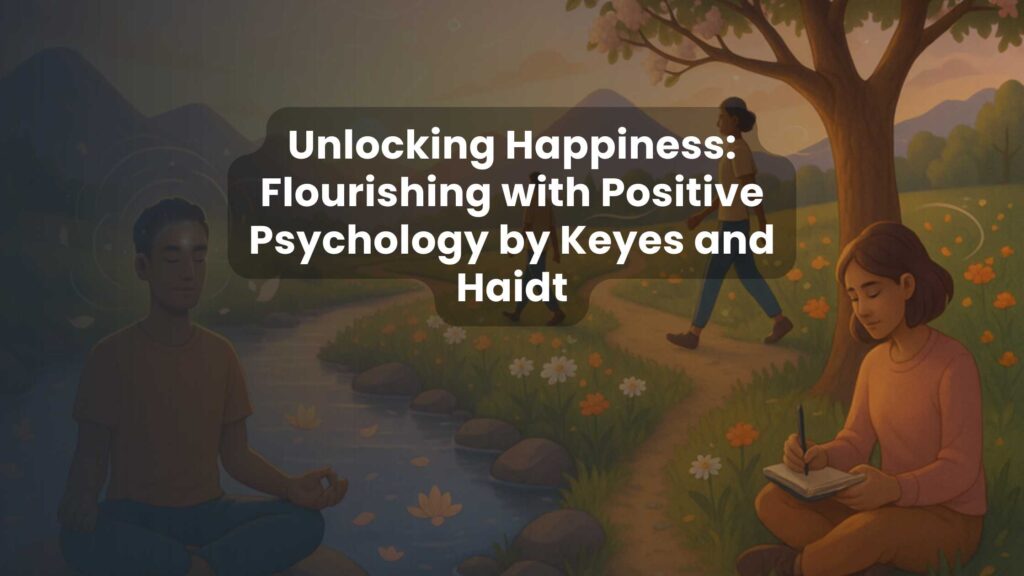
Unlocking Happiness: Flourishing with Positive Psychology by Keyes and Haidt

Happiness is often seen as a fleeting emotion or a distant goal, but what if it could be understood as a rich, dynamic state that encompasses much more than just feeling good? Imagine a life where personal growth, well-being, and genuine contentment coexist seamlessly—a life where you not only survive but truly flourish. This perspective invites us to explore the science of positive psychology, revealing how cultivating positive emotions like gratitude and hope can fuel resilience and creativity. It encourages us to lean into our character strengths, such as kindness and perseverance, as guiding forces toward fulfillment. By embracing strategies to overcome adversity and aligning our actions with a meaningful purpose, we open doors to deeper satisfaction and lasting happiness. Along the way, nurturing positive relationships, practicing mindfulness, and engaging in activities that balance skill and challenge create the conditions for optimal experiences. Understanding the interplay between our innate traits and life circumstances further enriches this journey. Ultimately, this approach calls for a transformation not only in how we live but in how we educate and nurture future generations, fostering emotional intelligence and resilience. Step into this vibrant pathway and discover what it truly means to flourish.
Understanding Flourishing: Keyes and Haidt’s Pathway to Happiness
Understanding flourishing involves recognizing it as more than just fleeting happiness; it is about achieving a harmonious life where personal growth, well-being, and lasting fulfillment coexist. Psychologists Corey Keyes and Jonathan Haidt emphasize that flourishing is a dynamic state combining emotional, psychological, and social well-being. Keyes, for instance, highlights how individuals who flourish experience high levels of positive emotions, meaningful engagement, and a strong sense of purpose. Haidt adds that flourishing connects deeply with living a virtuous and well-integrated life. This comprehensive view helps us see flourishing as a balanced journey, rather than a destination, where happiness is intertwined with growth and resilience.
Harnessing positive emotions is a fundamental step in building resilience and unlocking creativity, which are essential components of flourishing. Feelings such as gratitude, love, hope, and joy act as psychological engines, fueling motivation and broadening thinking. For example, people who regularly practice gratitude tend to bounce back faster from setbacks and approach challenges with more optimism. Studies show that fostering positive emotions can increase creative problem-solving skills, enabling individuals to see multiple perspectives and innovate. By intentionally cultivating these emotions, you build a mental environment conducive to growth, making it easier to persevere and thrive even in difficult times.
The power of character strengths plays a crucial role in achieving fulfillment and sustaining happiness. Keyes and Haidt emphasize virtues like kindness, perseverance, honesty, and curiosity as guiding forces that shape a flourishing life. For example, perseverance helps individuals push through obstacles, while kindness strengthens social bonds, creating a supportive network. These strengths act like a personal compass, helping people make choices aligned with their values and long-term goals. By identifying and nurturing your unique character strengths, you can create a foundation for a meaningful and satisfying life, turning everyday actions into opportunities for personal growth.
Enhancing psychological resilience is another key pathway to flourishing, particularly in overcoming adversity. Life inevitably brings challenges, but those who flourish view hardships as chances to grow and learn. Strategies such as reframing negative thoughts, practicing self-compassion, and seeking social support can transform difficult experiences into stepping stones. For instance, research shows that resilient individuals often use setbacks to develop new skills or deepen their understanding of themselves. Building resilience creates a buffer against stress and helps maintain well-being over time, allowing happiness and growth to coexist even when life gets tough.
Discovering meaning and purpose is at the heart of a flourishing life, according to Keyes and Haidt. Aligning daily actions with core values gives life direction and a sense of contribution beyond oneself. People who find purpose often report higher life satisfaction and better mental health, as they feel connected to something larger. For example, volunteering or pursuing a career that reflects personal values can provide a profound sense of meaning. To cultivate this, start by reflecting on what matters most to you and seek ways to incorporate those values into your routines and goals. This alignment fuels motivation and enriches your overall experience of happiness.
The role of positive relationships is indispensable in achieving well-being and flourishing. Supportive connections with family, friends, and community provide emotional safety, understanding, and encouragement. Studies consistently link strong social ties to lower stress levels and increased life satisfaction. Haidt, in particular, highlights how meaningful relationships serve as a buffer against life’s hardships and amplify joy. Investing time in nurturing these bonds—through active listening, empathy, and shared experiences—creates a social environment where flourishing can thrive. Building and maintaining positive relationships is not just beneficial but essential for sustained happiness.
Mindfulness and self-awareness unlock keys to personal growth and satisfaction by helping individuals observe their thoughts and emotions without judgment. This practice enhances clarity and emotional regulation, allowing people to respond to challenges thoughtfully rather than react impulsively. For example, mindfulness meditation has been shown to reduce anxiety and improve concentration, supporting greater well-being. Becoming more self-aware helps identify unhelpful patterns and opens the door to intentional change. By incorporating mindfulness into daily life, you deepen your connection to the present moment and foster a more balanced, flourishing mindset.
Engaging in activities that balance challenge and skill leads to the flow state, which is central to optimal experiences and flourishing. Flow occurs when a person is fully immersed in an activity that stretches their abilities just enough to keep them engaged but not overwhelmed. Athletes, artists, and professionals often describe flow as a state of effortless focus and joy. For example, a musician practicing a difficult piece may enter flow when the challenge matches their skill level, resulting in peak performance and satisfaction. Finding your flow activities regularly can boost happiness and growth by providing meaningful engagement and a sense of mastery.
Understanding the balance between nature and nurture sheds light on human potential and flourishing. While genetics influence traits such as temperament and resilience, environmental factors like upbringing, education, and social support play an equally vital role. Research in developmental psychology shows that positive environments can enhance innate strengths and help overcome genetic vulnerabilities. For instance, children raised in supportive families tend to develop better coping skills and emotional health. Recognizing this balance encourages us to create nurturing conditions that foster growth and happiness, regardless of genetic predispositions.
Reforming education to foster flourishing involves integrating emotional intelligence and resilience training into learning environments. Traditional education often focuses solely on academics, but Keyes and Haidt advocate for positive interventions that support students’ psychological well-being and personal growth. Programs teaching skills like empathy, self-regulation, and optimism have demonstrated improved academic performance and social behavior. For example, schools implementing social-emotional learning curricula report reduced bullying and increased student engagement. By advocating for these reforms, we can cultivate a generation better equipped to flourish in all aspects of life.
Harnessing Positive Emotions to Boost Resilience and Creativity
Harnessing positive emotions is a powerful way to build resilience and spark creativity. When you embrace feelings like gratitude, joy, love, and hope, you activate your psychological engine, fueling motivation and openness to new ideas. For example, studies show that people who regularly practice gratitude report higher levels of happiness and are better equipped to handle stress. Positive emotions broaden your thinking, helping you see challenges as opportunities rather than obstacles. This mindset shift is essential for resilience because it encourages flexible thinking and problem-solving, which are key to bouncing back from setbacks.
Understanding the concept of flourishing provides a useful framework for harnessing positive emotions. Flourishing means living in harmony with personal growth, happiness, and well-being. It is not just about feeling good but about thriving in multiple areas of life. For instance, someone who cultivates positive emotions while pursuing meaningful goals is more likely to experience fulfillment. This balanced approach supports both resilience and creativity by fostering an environment where challenges inspire learning and innovation. Recognizing this connection helps you intentionally seek experiences that promote flourishing, such as engaging in creative hobbies or nurturing supportive relationships.
Character strengths play a crucial role in this process by guiding you toward a fulfilling life. Personal virtues like kindness, perseverance, and curiosity work hand in hand with positive emotions to enhance your overall well-being. By focusing on your strengths, you can better navigate adversity and maintain a positive outlook. For example, perseverance allows you to stay committed during difficult times, while kindness strengthens social bonds that provide emotional support. Leveraging these traits can increase your resilience and open up creative pathways, as confidence and self-belief grow stronger with each success.
Practical strategies for enhancing psychological resilience include cultivating mindfulness and developing self-awareness. Mindfulness helps you stay present and manage emotional responses, reducing the impact of stress. Being self-aware lets you recognize when positive emotions are beginning to fade, allowing you to take proactive steps to restore balance. Simple practices like daily meditation or journaling about moments of joy and gratitude can build this skill. These tools equip you to transform adversity into growth, as you become better prepared to face challenges with calmness and creativity.
Positive relationships are another vital ingredient in boosting resilience and creativity. Social connections provide emotional support, encouragement, and fresh perspectives. When you surround yourself with uplifting people, you create a safe space to share ideas and take creative risks. Research suggests that strong social ties are linked to improved mental health and increased ability to cope with stress. To foster these relationships, prioritize open communication, practice empathy, and engage in shared activities that bring joy. Building a community of positive influences strengthens your emotional foundation, making it easier to flourish.
To put these concepts into action, start by identifying and embracing your personal character strengths. Make a daily habit of noting three things you are grateful for to cultivate positive emotions. Incorporate mindfulness exercises, even just for five minutes a day, to enhance self-awareness and emotional regulation. Seek out social activities that nurture positive relationships and challenge yourself with creative projects that push your skills. By taking these specific steps, you empower yourself to harness positive emotions effectively, boosting both your resilience and creativity in meaningful ways.
Building Psychological Resilience: Overcoming Life’s Challenges
Building psychological resilience is essential for overcoming life’s challenges and thriving despite adversity. At its core, resilience involves adapting positively when faced with stress, setbacks, or trauma. This ability does not mean avoiding difficulties but rather embracing them as opportunities for growth. For example, individuals who have lost jobs during economic downturns often develop new skills or explore different career paths, turning hardship into a fresh start. Understanding the concept of flourishing can help frame resilience as a pathway to happiness, where personal growth, well-being, and fulfillment coexist. This mindset encourages seeing challenges not as roadblocks but as stepping stones toward a more harmonious life.
Harnessing positive emotions plays a crucial role in building resilience and enhancing creativity. Emotions such as gratitude, hope, and joy act as psychological resources that fuel the mind’s capacity to bounce back from difficulties. Studies show that people who regularly practice gratitude report higher life satisfaction and lower stress levels. Incorporating daily practices like journaling about things you appreciate or visualizing hopeful outcomes can strengthen these positive feelings. When nurtured, these emotions unlock creativity by broadening thinking patterns, helping you find innovative solutions during tough times. This approach transforms resilience from mere endurance into a dynamic process of flourishing.
Character strengths are powerful tools for cultivating resilience and living a fulfilling life. Virtues like kindness, perseverance, and courage provide a moral compass and inner strength to navigate hardships. Research reveals that people who identify and use their core strengths experience greater well-being and fewer symptoms of depression. For instance, someone who leans on perseverance during a prolonged illness can maintain motivation and emotional balance. To develop your character strengths, start by reflecting on moments when you felt most proud or effective, then deliberately apply these traits in daily challenges. Leveraging your unique virtues helps build resilience that is authentic and deeply rooted in your identity.
Enhancing psychological resilience involves adopting practical strategies that transform adversity into growth. One effective method is cognitive reframing, which means shifting how you interpret difficult situations. Instead of viewing failure as defeat, consider it a learning experience that sharpens your skills. Additionally, building a strong support network provides emotional resources and practical assistance when times get tough. For example, community programs that connect people facing similar struggles have demonstrated improved coping and reduced feelings of isolation. Incorporating mindfulness practices can also increase self-awareness, allowing you to manage stress and respond thoughtfully rather than react impulsively. These strategies collectively strengthen your ability to overcome obstacles and emerge stronger.
Discovering meaning and purpose is a cornerstone of psychological resilience and flourishing. Aligning your actions with core values gives life direction and motivates perseverance through challenges. Viktor Frankl, a renowned psychiatrist and Holocaust survivor, emphasized that those who found meaning in suffering were more likely to endure it with hope and dignity. You can uncover your purpose by reflecting on what matters most—whether it is helping others, creating art, or advancing knowledge—and setting goals that reflect these priorities. When purpose drives your decisions, setbacks become part of a larger narrative of growth rather than random misfortunes. This sense of meaning energizes resilience and promotes sustained well-being.
Positive relationships significantly enhance resilience and overall well-being. Having empathetic, supportive connections provides a buffer against stress and fosters a sense of belonging. Research consistently shows that individuals with strong social ties experience lower rates of anxiety and depression. To cultivate such relationships, focus on active listening and expressing genuine care, which deepen trust and understanding. Engaging in community activities or support groups can also expand your social network and provide valuable perspectives during difficult times. These relationships offer reassurance and practical help, making the journey through life’s challenges less daunting and more manageable.
Mindfulness and self-awareness are key practices for building psychological resilience and personal growth. Mindfulness involves paying deliberate attention to the present moment without judgment, which helps reduce anxiety and increase emotional regulation. When you become more self-aware, you can recognize unhelpful thought patterns and take steps to change them. For example, noticing early signs of stress allows you to implement calming techniques before feeling overwhelmed. Simple mindfulness exercises, such as focused breathing or body scans, can be integrated into daily routines to enhance clarity and resilience. Over time, this increased awareness fosters satisfaction and a grounded approach to life’s uncertainties.
Engaging in activities that balance challenge and skill leads to a flow state, which supports resilience and optimal experiences. Flow occurs when you are fully immersed in a task that stretches your abilities without overwhelming you. This state increases motivation and reduces negative emotions, making it easier to cope with stress. For instance, a musician practicing a difficult piece or an athlete training for a competition may enter flow, enhancing performance and emotional well-being. To cultivate flow, choose activities that push you slightly beyond your comfort zone and set clear goals with immediate feedback. Regularly experiencing flow can build confidence and help you face future challenges with enthusiasm.
Understanding the influence of nature versus nurture on human potential offers valuable insights for psychological resilience. While genetic factors contribute to baseline temperament and stress responses, environmental influences like supportive relationships and learning experiences shape how resilience develops. For example, children raised in nurturing environments with access to positive role models often display stronger coping skills in adulthood. Recognizing this balance empowers individuals to focus on modifiable factors, such as cultivating healthy habits and seeking constructive social environments. This awareness encourages proactive steps toward building resilience regardless of inherited traits.
Reforming education to foster flourishing through positive interventions can equip future generations with the tools to build resilience. Traditional education often emphasizes academic achievement over emotional intelligence and psychological well-being. Incorporating curricula that teach mindfulness, empathy, and problem-solving can prepare students to handle adversity effectively. Schools implementing social-emotional learning programs report improvements in student behavior, academic performance, and reduced stress. Advocating for such reforms promotes a culture where resilience is valued alongside knowledge, helping individuals thrive in both personal and professional spheres. This shift supports a society more capable of overcoming life’s challenges with strength and compassion.
Building Psychological Resilience: Overcoming Life’s Challenges
Building psychological resilience is essential for overcoming life’s challenges and thriving despite adversity. Resilience is not just about bouncing back from setbacks; it involves adapting and growing stronger through difficult experiences. Understanding the concept of flourishing plays a crucial role here, as it highlights the importance of achieving a balanced life where personal growth, happiness, and well-being coexist. For example, someone who faces job loss might use this period as an opportunity to develop new skills or explore passions, transforming hardship into a stepping stone for future success.
Harnessing positive emotions can significantly boost resilience and creativity. Embracing feelings like gratitude, joy, love, and hope fuels the psychological engine needed to navigate tough times. Research shows that individuals who regularly practice gratitude are more likely to maintain optimistic outlooks and find innovative solutions during crises. Simple daily habits such as keeping a gratitude journal or expressing appreciation to others can foster these powerful emotions, helping individuals build a reservoir of strength to draw upon when challenges arise.
The power of character strengths is another vital element in cultivating resilience. Traits like kindness, perseverance, and self-control act as internal resources that guide people toward fulfillment even in adversity. For instance, perseverance allows a student struggling with academic pressures to stay focused and motivated, while kindness can strengthen social bonds, providing emotional support in difficult moments. Identifying and intentionally cultivating these virtues enables individuals to face obstacles with confidence and purpose.
Enhancing psychological resilience involves practical strategies aimed at transforming adversity into growth opportunities. Techniques such as reframing negative thoughts, setting realistic goals, and seeking social support have proven effective. Cognitive behavioral therapy, for example, teaches individuals to challenge destructive thinking patterns and develop healthier perspectives. Additionally, building a routine that includes physical activity, rest, and mindfulness practices can stabilize emotional responses and increase mental toughness.
Discovering meaning and purpose is often the cornerstone of a flourishing life and a key to resilience. Aligning actions with core values helps individuals find motivation and direction even during hardship. Viktor Frankl’s work in Holocaust survival illustrates this power—those who found meaning in suffering were more likely to endure extreme conditions. To apply this, reflecting on personal values and setting meaningful goals allows one to create a sense of purpose that fuels perseverance.
The role of positive relationships cannot be overstated when it comes to psychological resilience. Strong social connections provide emotional support, practical assistance, and a sense of belonging that enhance well-being and life satisfaction. Studies show that people with robust support networks recover more quickly from trauma and experience lower rates of depression. Prioritizing open communication, empathy, and shared activities cultivates these vital bonds, reinforcing resilience.
Mindfulness and self-awareness are keys to personal growth and satisfaction, contributing directly to resilience. By practicing mindfulness, individuals become more attuned to their thoughts and feelings without judgment, allowing for better emotional regulation. This clarity helps in making thoughtful decisions during stressful situations rather than reacting impulsively. Techniques such as meditation, deep breathing, or mindful walking can be incorporated daily to increase self-awareness and calm the mind.
Finding a flow state by balancing challenge and skill offers an optimal experience that supports resilience. Engaging in activities that are neither too easy nor too difficult promotes focus, enjoyment, and a sense of accomplishment. Athletes, artists, and professionals often report that flow enhances their creativity and problem-solving abilities. To cultivate this state, individuals can set clear goals, minimize distractions, and gradually increase task difficulty to stay engaged and motivated.
Understanding the influences of nature versus nurture sheds light on human potential and resilience. While genetic predispositions impact temperament and stress responses, environmental factors such as supportive relationships and positive experiences shape psychological growth. Recognizing this balance empowers individuals to take active roles in creating nurturing environments that foster resilience and flourishing. For example, parents who model coping skills and encourage curiosity help children build a foundation for lifelong psychological strength.
Reforming education to emphasize emotional intelligence and resilience can foster flourishing from an early age. Schools that integrate social-emotional learning programs equip students with tools to manage stress, communicate effectively, and solve problems creatively. Evidence shows that these interventions improve academic performance and reduce behavioral issues. Advocating for such reforms ensures that future generations develop the psychological resilience needed to navigate an increasingly complex world.
Finding Meaning and Purpose in a Flourishing Life
Finding meaning and purpose is integral to living a flourishing life, characterized by personal growth, happiness, and well-being. Flourishing is not merely about achieving success or material wealth; it’s about cultivating a harmonious balance among various life domains. Understanding this concept can serve as a pathway to true happiness. It involves aligning daily actions with core values, leading to a profound sense of fulfillment. For instance, people who volunteer regularly often report a higher sense of purpose and satisfaction, illustrating how giving back can enhance personal well-being.
Harnessing positive emotions is crucial for building resilience and creativity. Emotions such as gratitude, joy, love, and hope act like fuel for our psychological engine, empowering us to navigate life’s challenges. Research shows that individuals who regularly practice gratitude exhibit lower stress levels and improved mental health. Simple practices like keeping a gratitude journal can significantly enhance one’s outlook on life, leading to increased creativity and a stronger capacity to cope with adversities.
Character strengths play a pivotal role in cultivating virtues that lead to a fulfilling life. Identifying and utilizing personal strengths, such as kindness, perseverance, or empathy, can guide individuals toward greater satisfaction and achievement. Studies indicate that people who consciously apply their strengths in daily activities are more likely to experience enhanced well-being. For example, someone who excels in empathy may find fulfillment in counseling or mentoring, thereby creating a meaningful impact on others while enriching their own life.
Enhancing psychological resilience is fundamental for turning adversities into opportunities for growth. Resilience-building strategies, such as developing a positive mindset, seeking social support, and practicing self-care, can empower individuals to overcome life’s hurdles. For instance, those who face setbacks in their careers can use resilience techniques to bounce back stronger, often leading to new opportunities or paths they had not previously considered. This transformation highlights the importance of viewing challenges as stepping stones rather than roadblocks.
Discovering meaning and purpose is often seen as the cornerstone of a flourishing life. Aligning one’s actions with core values fosters a deeper sense of purpose and drives individuals to make a positive impact. This alignment can manifest in various forms, such as pursuing a career that resonates with personal ethics or engaging in community service that reflects one’s beliefs. Case studies of individuals who have made significant lifestyle changes to pursue their passions provide compelling evidence of the transformative power of living purposefully.
Positive relationships are another crucial element in achieving well-being. Cultivating connections with supportive friends and family enhances life satisfaction and provides a safety net during tough times. Research has consistently shown that individuals with strong social networks tend to be happier and healthier. Engaging in meaningful conversations, expressing appreciation, and maintaining regular contact with loved ones can significantly boost the quality of these relationships, leading to a flourishing life.
Mindfulness and self-awareness are key practices for personal growth and satisfaction. By being present in the moment, individuals can gain deeper insights into their thoughts and emotions, leading to a clearer understanding of their desires and purpose. Techniques such as meditation, deep breathing exercises, or mindful walking can foster greater self-awareness, enabling individuals to navigate their lives with intention. As self-awareness increases, so does the ability to make choices that align with one’s core values, further enhancing the flourishing experience.
Achieving a flow state is essential for optimal experiences and personal fulfillment. Engaging in activities that strike a balance between challenge and skill allows individuals to immerse themselves fully, leading to a sense of accomplishment and enjoyment. Whether it’s painting, playing a musical instrument, or participating in sports, finding activities that induce flow can significantly contribute to overall happiness. This state of engagement not only enhances creativity but also promotes a deeper connection to one’s passions.
Understanding the influences of nature versus nurture on human potential is vital in recognizing how both genetics and environment shape our lives. While genetic predispositions play a role in our abilities and traits, environmental factors such as education, culture, and personal experiences also significantly impact our development. Acknowledging this interplay can empower individuals to take charge of their growth by seeking out enriching environments that foster flourishing.
Reforming education to foster flourishing through positive interventions is essential for nurturing future generations. By emphasizing emotional intelligence, resilience, and personal growth in educational curricula, we can equip young people with the tools they need to thrive in life. Schools that integrate social-emotional learning programs have reported higher student engagement and improved academic performance, demonstrating the effectiveness of these positive interventions. By nurturing emotional and psychological well-being, we can pave the way for a brighter, more flourishing society.
Mindfulness Practices for Enhanced Self-Awareness and Growth
Mindfulness practices play a crucial role in enhancing self-awareness and fostering personal growth. By intentionally focusing attention on the present moment without judgment, mindfulness helps individuals observe their thoughts, emotions, and bodily sensations with clarity. This heightened awareness creates a foundation for understanding the concept of flourishing—a state where happiness, well-being, and personal growth coexist in harmony. For example, regular mindfulness meditation can help people recognize negative thought patterns early, allowing them to respond thoughtfully rather than react impulsively. This shift not only improves emotional regulation but also cultivates a balanced mindset essential for flourishing.
Incorporating mindfulness into daily life also harnesses positive emotions such as gratitude, joy, and hope. These emotions act like fuel for the psychological engine, boosting resilience and creativity. Studies show that individuals who practice mindfulness report increased feelings of gratitude and optimism, which help them bounce back from setbacks more effectively. By focusing on positive experiences and savoring small moments, mindfulness encourages a mental environment conducive to innovation and problem-solving. Simple practices like keeping a gratitude journal or pausing to appreciate nature during a walk can enhance these benefits and support sustained personal growth.
Another powerful aspect of mindfulness is its ability to uncover and strengthen character strengths that contribute to fulfillment. When individuals become more self-aware, they can identify virtues like kindness, perseverance, and patience that align with their personal values. Mindfulness encourages reflection on these qualities and inspires their intentional use in everyday life. For instance, someone practicing mindfulness may notice impatience arising in stressful situations and consciously choose to respond with perseverance instead. This practice not only nurtures positive traits but also builds psychological resilience—the capacity to adapt and thrive despite adversity. Mindfulness-based resilience strategies, such as mindful breathing during challenges, empower individuals to transform difficulties into growth opportunities.
Discovering meaning and purpose is another cornerstone of a flourishing life enhanced by mindfulness. By cultivating self-awareness, people gain clearer insight into what truly matters to them, allowing them to align their actions with core values. This alignment fosters a deeper sense of fulfillment and motivation. Mindfulness encourages asking reflective questions like “What brings me joy?” or “How do my daily choices support my long-term goals?” Such inquiry supports purposeful living and can guide career decisions, relationships, and lifestyle changes. Practical steps include setting mindful intentions each morning or engaging in guided meditations focused on values exploration to deepen this connection.
Finally, mindfulness strengthens positive relationships, which are essential for overall well-being. Being fully present during interactions helps individuals listen more attentively, respond empathetically, and build trust. Mindfulness practices reduce reactive behaviors like defensiveness or impatience, creating a supportive environment for open communication. For example, couples who practice mindfulness together report higher relationship satisfaction and better conflict resolution skills. Simple habits such as mindful breathing before conversations or mindful listening exercises can enhance interpersonal connections, contributing to a flourishing life marked by meaningful social bonds.
Achieving Flow State: Balancing Challenge and Skill for Success
Achieving flow state occurs when there is a perfect balance between the challenges a person faces and their skills to meet those challenges. This balance creates an immersive experience where focus sharpens, time seems to fade, and productivity soars. For example, a musician practicing a complex piece that matches their skill level can enter flow, losing awareness of distractions and fully engaging in the moment. By understanding this equilibrium, individuals can tailor tasks that push their abilities without overwhelming them, setting the stage for peak performance and satisfaction.
Finding the right challenge-skill balance also fuels personal growth and flourishing. When tasks are too easy, boredom sets in; too hard, and anxiety rises. This delicate adjustment fosters positive emotions like joy and hope, which are crucial for resilience and creativity. Athletes often use this principle by gradually increasing training difficulty to build both competence and confidence. The sustained flow state they experience not only improves their skills but also enhances psychological well-being, making the process enjoyable rather than stressful.
Cultivating flow involves harnessing character strengths such as perseverance and curiosity. These virtues motivate individuals to embrace challenges as opportunities rather than obstacles. For instance, a writer who uses persistence to refine their craft despite setbacks is more likely to enter flow during the creative process. By recognizing and leveraging these strengths, people can deepen their engagement and find greater fulfillment in their pursuits, contributing to a flourishing life aligned with personal values.
Mindfulness and self-awareness play a crucial role in achieving flow by helping individuals recognize when their skills and challenges are out of sync. Being mindful of one’s emotional and cognitive state allows for timely adjustments, such as seeking new learning resources or simplifying tasks. Practicing mindfulness exercises, like focused breathing or body scans, enhances clarity and presence, making it easier to identify the optimal zone where flow can occur. This self-awareness supports sustained engagement and satisfaction in both work and leisure activities.
To actively cultivate flow, consider these practical steps: first, set clear and achievable goals that stretch your abilities; second, minimize distractions to maintain deep focus; third, seek feedback to adjust your skill level and challenge intensity; and fourth, cultivate positive relationships that encourage growth and support. For example, a programmer might tackle increasingly complex coding problems while regularly consulting peers for input, creating a dynamic learning environment that promotes flow. Implementing these strategies helps transform daily tasks into meaningful, engaging experiences that drive success.
Achieving Flow State: Balancing Challenge and Skill for Success
Achieving flow state requires a delicate balance between the level of challenge a task presents and the individual’s skill set. When these two elements align perfectly, a person becomes fully immersed in the activity, experiencing heightened focus and effortless involvement. This balance prevents boredom, which occurs if the task is too easy, and anxiety, which arises when the challenge feels overwhelming. For example, a musician practicing a new piece will enter flow when the song pushes their abilities just enough to keep them engaged without causing frustration. This dynamic interplay between challenge and skill is the cornerstone of sustained motivation and peak performance.
Understanding the concept of flourishing helps clarify why flow is so powerful. Flourishing is about living a harmonious life where personal growth, happiness, and well-being coexist. When individuals achieve flow, they tap into positive emotions like joy and fulfillment, which fuel their psychological engine. Embracing these positive emotions boosts creativity and resilience, making it easier to tackle complex tasks. Studies reveal that people who regularly experience flow are more likely to report higher life satisfaction and a stronger sense of purpose. This connection highlights how balancing challenge and skill not only enhances task performance but also contributes to overall well-being.
Character strengths play a crucial role in reaching flow state. Traits such as perseverance, focus, and optimism help individuals persist through difficulties and maintain engagement in challenging activities. For instance, athletes who cultivate self-discipline and resilience often find it easier to sustain flow during competitions. These virtues act as internal resources that support the continuous adjustment of effort and strategy needed to meet evolving challenges. By intentionally developing such strengths, individuals can create conditions that make flow more accessible, turning obstacles into opportunities for growth and fulfillment.
Practical strategies can help you achieve this balance between challenge and skill to unlock flow regularly. Start by setting clear, achievable goals that stretch your abilities without overwhelming you. Break larger tasks into manageable steps, allowing for steady progress and boosting confidence. Pay attention to your emotional and physical state, using mindfulness techniques to stay present and focused. Adjust the difficulty of tasks in real-time by seeking feedback or changing your approach when you feel boredom or anxiety creeping in. These steps create an environment where flow can thrive, enhancing both your productivity and enjoyment.
Positive relationships and social support also contribute to achieving flow by providing encouragement and constructive feedback. Engaging with mentors, peers, or collaborators can help you gauge whether your current challenge matches your skill level and offer new perspectives to refine your approach. For example, a writer receiving feedback from a trusted editor can better calibrate their work to maintain motivation and immersion. Building these connections enriches the experience, making flow not just an individual state but a shared journey toward success and well-being.
Conclusion
In conclusion, Unlocking Happiness: Flourishing with Positive Psychology by Keyes and Haidt offers a comprehensive roadmap to living a life marked by genuine well-being and growth. By understanding flourishing as a harmonious blend of personal development and happiness, embracing positive emotions, and cultivating character strengths, individuals can build resilience and creativity essential for overcoming adversity. The book also highlights the importance of finding meaning and purpose, nurturing positive relationships, and practicing mindfulness to deepen self-awareness. Engaging in activities that promote flow and recognizing the interplay between nature and nurture further enrich the journey. Finally, advocating for educational reforms that prioritize emotional intelligence and resilience can create a foundation for flourishing in future generations.
If you’re ready to transform your outlook and embrace a life of purpose and joy, take the next step by exploring these principles in your daily routine. Reflect on which areas resonate most with you and consider how incorporating them can unlock your own happiness. Dive deeper into the science of flourishing and start cultivating a life where well-being is not just a goal but a lived experience.
FAQ
Unlocking Happiness: Flourishing with Positive Psychology by Keyes and Haidt – FAQ Section
What is flourishing according to Keyes and Haidt?
Flourishing is described as a harmonious state of well-being where personal growth, happiness, and psychological health coexist. It goes beyond simply feeling good to achieving a meaningful and balanced life.
How do positive emotions contribute to flourishing?
Positive emotions such as gratitude, joy, love, and hope act as powerful fuels for our psychological engine. They build resilience, enhance creativity, and help us bounce back from adversity, promoting overall flourishing.
What role do character strengths play in happiness?
Utilizing personal strengths like kindness, perseverance, and courage enables individuals to live fulfilling lives. These virtues guide behavior and decision-making toward meaningful goals and deeper satisfaction.
How can one enhance psychological resilience?
Resilience can be cultivated by adopting strategies that transform challenges into opportunities for growth. Building resilience helps individuals overcome adversity and maintain mental well-being during difficult times.
Why is discovering meaning and purpose important for flourishing?
Aligning actions with core values provides a sense of direction and fulfillment. Meaning and purpose serve as cornerstones for a thriving life, encouraging people to make positive impacts in their communities and beyond.
What is the significance of positive relationships in well-being?
Healthy, supportive relationships increase life satisfaction and provide emotional support. Positive social connections are essential for achieving and sustaining flourishing.
How do mindfulness and self-awareness contribute to personal growth?
Practicing mindfulness helps individuals develop greater self-awareness, leading to enhanced clarity and presence in everyday life. This awareness supports emotional regulation and overall satisfaction.
What is the flow state and how does it relate to happiness?
Flow is a mental state achieved when an individual engages in activities that perfectly balance challenge and skill. Experiencing flow leads to optimal enjoyment, productivity, and a deep sense of fulfillment.
How do nature and nurture influence human potential?
Flourishing results from the interaction between genetic predispositions and environmental factors. Understanding this balance helps us recognize the importance of both innate traits and life experiences in shaping well-being.
What educational reforms do Keyes and Haidt suggest to promote flourishing?
They advocate for integrating emotional intelligence, resilience-building, and positive psychology interventions into education systems. Such reforms aim to foster personal growth and prepare individuals for a flourishing life.
How can I start my journey toward flourishing today?
Begin by embracing positive emotions, identifying and using your character strengths, nurturing meaningful relationships, and practicing mindfulness. Align your daily actions with your core values and seek activities that challenge and engage you to experience flow.
Unlocking Happiness: Flourishing with Positive Psychology offers practical insights and strategies to help you live a vibrant, purposeful, and joyful life.