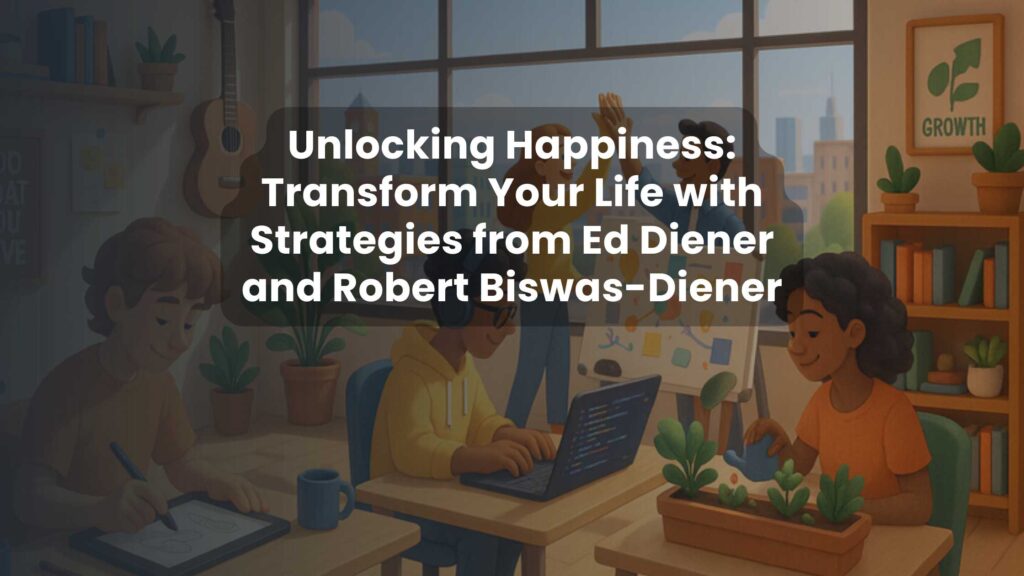
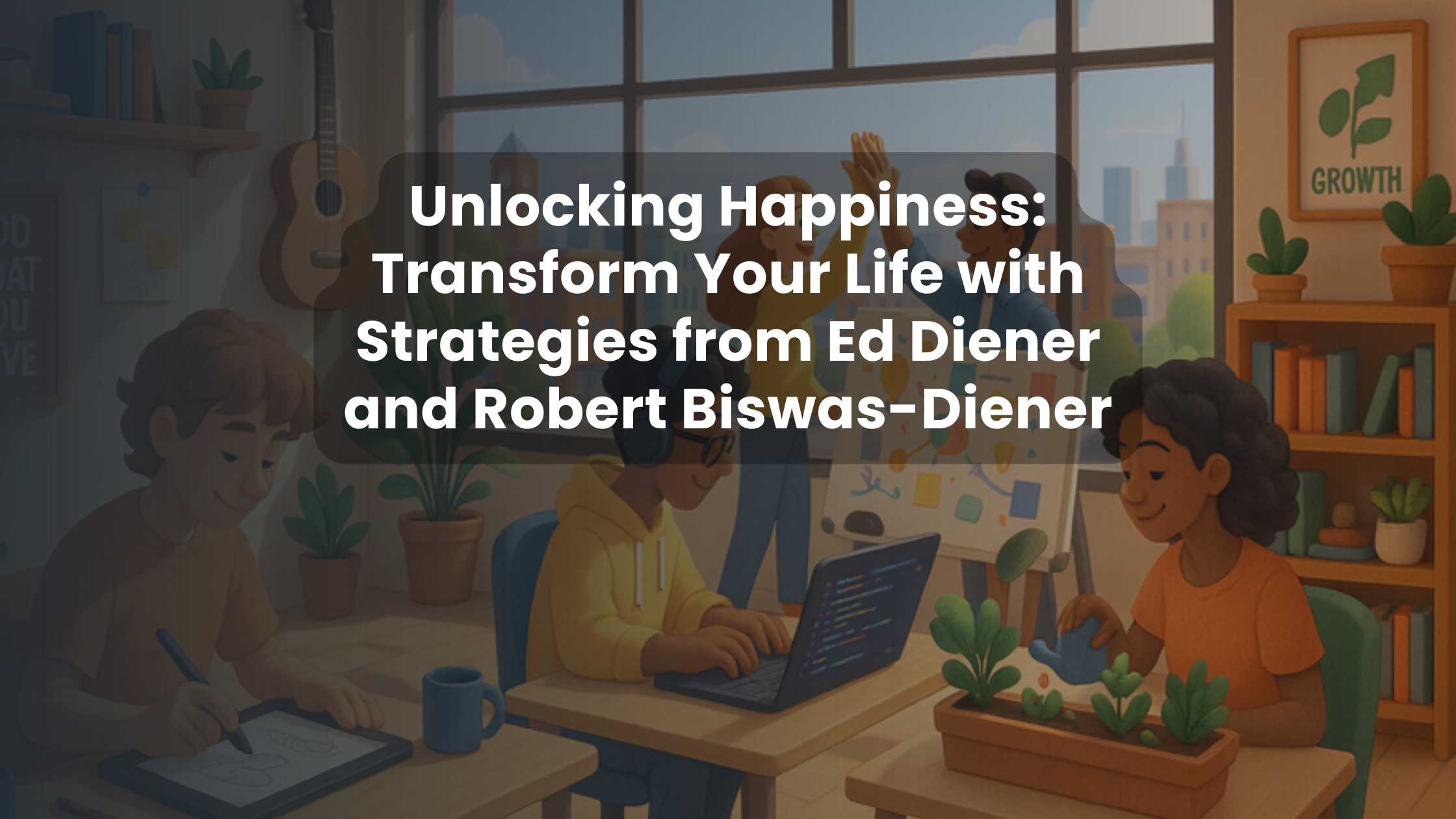
Unlocking Happiness: Transform Your Life with Strategies from Ed Diener and Robert Biswas-Diener

Happiness is often mistaken for fleeting moments of pleasure or temporary excitement, but true happiness runs much deeper. It is an ongoing state of emotional well-being and life satisfaction that persists even through life’s challenges. Understanding this broader perspective allows us to appreciate how happiness can be cultivated, rather than simply stumbled upon. While genetics play a significant role in shaping our baseline happiness, they do not dictate our fate; much of our joy is within our control through the choices we make and the actions we take.
Our cultural background also weaves into the fabric of our happiness, influencing what we value and how we experience fulfillment. Whether rooted in community or personal achievement, these cultural dimensions shape our emotional landscapes in profound ways. And contrary to popular belief, money alone cannot guarantee happiness. Beyond meeting basic needs, it is the quality of our experiences, the strength of our relationships, and the meaningful growth we pursue that truly enrich our lives.
Relationships stand out as a cornerstone of lasting happiness, providing connection, support, and a sense of belonging. Equally important is finding fulfillment in our work, where aligning our passions and values can transform daily labor into a source of pride and joy. Positive psychology offers valuable tools in this journey, highlighting the power of gratitude, mindfulness, and optimism to enhance our resilience and satisfaction.
Life’s inevitable ups and downs test our happiness, but understanding how adaptation works helps us navigate these fluctuations and seek out new sources of joy. By integrating practical strategies—such as regular exercise, nurturing friendships, and engaging in meaningful hobbies—we can actively boost our well-being each day. Moreover, measuring personal happiness through validated tools offers insight into what areas of our lives can be fine-tuned for greater contentment.
Unlocking a more fulfilling and joyful life is entirely achievable when we embrace these insights from leading happiness researchers and apply them thoughtfully in our own lives. The path to happiness is not a destination but a dynamic, enriching journey shaped by our genetics, culture, relationships, and mindset.
Understanding the True Meaning of Happiness and Emotional Well-Being Explained
Happiness is often mistaken for fleeting moments of pleasure, but true happiness encompasses a deeper, more enduring state known as emotional well-being. This form of well-being reflects how satisfied we feel with life overall, even when facing challenges. Rather than chasing temporary highs, understanding the true meaning of happiness means recognizing it as a continuous journey shaped by our mindset, relationships, and daily choices. Emotional well-being involves balancing positive emotions, a sense of purpose, and resilience in the face of adversity, creating a stable foundation for lasting contentment.
Our happiness is partly influenced by genetics, with studies suggesting that up to 40% of our happiness levels are inherited. However, this does not mean we are powerless; the remaining 60% is shaped by our environment, behaviors, and attitudes. For example, someone might have a genetic predisposition toward optimism, but nurturing habits like practicing gratitude or engaging in meaningful activities can significantly boost happiness. This insight empowers individuals to take control of their emotional well-being by making conscious choices that promote positivity and growth.
Culture plays a vital role in shaping how we experience and pursue happiness. In collectivist societies, such as many Asian cultures, happiness is often linked to community harmony and social connectedness. Conversely, individualistic cultures like those in the West emphasize personal achievement and self-expression as key to emotional satisfaction. Understanding these cultural dimensions helps explain why happiness looks different around the world and encourages us to appreciate diverse approaches to well-being. For instance, valuing relationships over material success might be more fulfilling depending on cultural context.
Money is frequently viewed as a route to happiness, but research shows that beyond meeting basic needs, increased wealth has limited impact on emotional well-being. Experiences, meaningful relationships, and personal growth consistently outrank material possessions in contributing to lasting happiness. For example, spending money on travel or learning new skills tends to create more enduring joy than buying luxury items. This perspective encourages focusing on what truly enriches our lives, redirecting efforts away from consumerism toward building connections and pursuing passions.
Relationships are at the heart of emotional well-being. Strong bonds with family, friends, and partners provide a sense of belonging and purpose, which are essential for sustained happiness. People who invest time and energy in nurturing these connections often report higher life satisfaction. For instance, regular social interactions and acts of kindness can foster trust and emotional support, creating a positive feedback loop that enhances happiness. Prioritizing relationships helps anchor us in moments of joy and supports us during difficult times.
Work can also be a significant source of happiness when it aligns with our values and passions. Finding fulfillment in one’s career transforms daily tasks into meaningful contributions, boosting self-esteem and emotional well-being. For example, someone passionate about helping others might find joy in healthcare or education, while creative individuals might thrive in the arts. This alignment not only increases job satisfaction but also contributes to overall life happiness by integrating purpose into everyday routines.
Positive psychology offers powerful tools to enhance happiness by focusing on strengths and cultivating optimism. Practices such as gratitude journaling, mindfulness meditation, and positive affirmations build emotional resilience and improve life satisfaction. For example, regularly acknowledging what we appreciate can shift attention away from negative thoughts, fostering a more hopeful outlook. These techniques are simple yet effective ways to nurture emotional well-being and can be easily incorporated into daily life.
Life’s ups and downs are inevitable, but the concept of hedonic adaptation explains how we adjust to changes in happiness over time. After experiencing something positive, like a promotion or a new relationship, our excitement may fade as the experience becomes the new normal. This natural adaptation encourages us to seek variety and new challenges to maintain emotional engagement. For instance, pursuing different hobbies or setting fresh goals can refresh our sense of joy and prevent stagnation.
Practical strategies to boost happiness involve small, consistent actions that improve daily life. Regular exercise increases endorphins, gratitude practices enhance positive thinking, nurturing relationships provide emotional support, and engaging in hobbies brings joy and relaxation. Implementing these habits can create a cumulative effect, gradually raising overall happiness levels. Starting with simple steps, such as spending 10 minutes each day reflecting on things you’re thankful for, can make a noticeable difference.
Measuring happiness through tools like the Oxford Happiness Questionnaire provides valuable insights into one’s emotional state and highlights areas for growth. These assessments help identify specific factors influencing happiness, such as stress levels or social support, enabling targeted improvements. For example, recognizing a low score in social connectedness might motivate someone to strengthen friendships or join community groups. Using such tools fosters self-awareness and guides effective actions toward enhanced well-being.
Cultural Dimensions of Happiness: Community vs. Individualism
Happiness is shaped by many factors, but culture plays a significant role in defining what it means to be happy. In some societies, especially those with a collectivist orientation, happiness is closely tied to community and social harmony. People find joy through strong family bonds, group achievements, and shared responsibilities. For example, in countries like Japan and India, individuals often prioritize the well-being of their family or community over personal desires, feeling a deep sense of fulfillment when contributing to the collective good. This interconnectedness fosters a sense of belonging and security, which research shows is essential for sustained emotional well-being.
In contrast, individualistic cultures such as those in the United States or Western Europe emphasize personal autonomy and self-expression as key components of happiness. Here, success and satisfaction often come from pursuing personal goals, achievements, and freedoms. People are encouraged to develop their unique talents and carve out their own paths, which can lead to feelings of accomplishment and pride. Studies have found that in these societies, happiness is frequently linked to personal growth and self-actualization rather than group consensus. This focus on individuality can boost confidence and innovation but may also increase feelings of isolation if social connections are weak.
Understanding these cultural dimensions of happiness helps explain why what makes people happy varies so much around the world. For example, in collectivist settings, money might be less of a happiness driver because social support and family ties provide emotional security. Meanwhile, in individualistic cultures, financial independence and career success often play larger roles in life satisfaction. Recognizing these differences allows individuals and policymakers to tailor approaches to well-being that respect cultural values. For instance, community-building programs may thrive in collectivist societies, while personal development initiatives might be more effective in individualistic contexts.
To enhance your own happiness with these cultural insights in mind, try balancing personal goals with meaningful social connections. If you live in an individualistic environment, actively nurturing close relationships can provide the communal support often missing in such cultures. Conversely, if you are in a more community-oriented setting, carving out time for personal interests and self-care can help maintain your sense of identity. By blending these approaches, you can create a well-rounded path to emotional well-being that resonates with both your cultural background and your individual needs.
Why Money Can’t Buy Happiness: Insights from Positive Psychology
Money often seems like the key to happiness, but positive psychology reveals a more complex story. While financial security covers basic needs, it only plays a small role in our overall well-being. Studies show that after reaching a certain income level, additional wealth has little effect on increasing long-term happiness. This insight challenges the common belief that more money equals more joy. Instead, happiness is about deeper emotional satisfaction and life fulfillment, which money alone cannot guarantee.
One major factor influencing happiness is genetics, which accounts for roughly 40 percent of our baseline emotional state. However, the remaining 60 percent is shaped by our daily choices and mindset. Positive psychology encourages focusing on intentional actions—like practicing gratitude or nurturing meaningful relationships—that actively enhance our well-being. For example, people who regularly express thanks or engage in acts of kindness report higher satisfaction, regardless of their income. This shows that personal effort plays a powerful role in shaping happiness beyond financial status.
Culture also shapes how we experience happiness. In collectivist societies, community and social bonds provide a strong sense of belonging, which boosts happiness differently than in individualistic cultures that emphasize personal achievement and autonomy. Recognizing these cultural dimensions helps us understand why money may impact happiness unevenly around the world. For instance, in cultures valuing connection, investing time in relationships often brings more joy than accumulating wealth. This highlights the importance of prioritizing social ties over material gains.
Another key insight is the role of relationships in sustaining happiness. Strong connections with family, friends, and partners create a sense of purpose and emotional security. These bonds serve as a foundation during challenging times, providing support that money cannot buy. Research consistently shows that people with fulfilling relationships score higher on happiness scales, underscoring the importance of investing in social ties. Building these connections can involve simple steps such as active listening, spending quality time, or expressing appreciation regularly.
Work plays a significant role in happiness when it aligns with one’s values and passions. A fulfilling career offers more than income—it provides a sense of pride and meaning. People who find purpose in their jobs often report greater life satisfaction than those whose work feels detached or stressful, regardless of salary. Choosing work that resonates with personal strengths and interests can transform daily routines into rewarding experiences, enhancing emotional well-being beyond financial rewards.
Positive psychology also highlights strategies that improve happiness through mindset shifts. Practices like mindfulness, optimism, and savoring positive moments build emotional resilience and deepen satisfaction. For example, mindfulness helps individuals stay present and appreciate small joys, reducing stress. Adopting such practices can increase happiness steadily, proving that emotional regulation is a skill accessible to everyone, not tied to wealth or status.
Hedonic adaptation explains why repeated pleasures lose their impact over time. This phenomenon suggests that new possessions or experiences initially boost happiness but eventually become ordinary. To maintain joy, positive psychology recommends seeking variety and novelty in life. This approach encourages trying new activities, exploring different hobbies, or changing routines, which can refresh our emotional experiences and counteract the diminishing returns of material gains.
To boost happiness today, practical strategies include regular exercise, cultivating gratitude, deepening relationships, and engaging in enjoyable hobbies. These actions promote well-being by improving physical health, strengthening social bonds, and creating moments of joy. For instance, daily gratitude journaling has been linked to higher mood and better sleep quality. These simple, actionable steps empower individuals to enhance happiness without relying on financial changes.
Finally, tools like the Oxford Happiness Questionnaire allow people to assess their emotional well-being and identify areas for growth. Such measures help track progress and tailor efforts to increase satisfaction. By understanding where happiness may be lacking, individuals can focus on specific changes, whether improving social connections or managing stress. This personalized approach makes the journey toward happiness more manageable and effective.
In essence, positive psychology offers valuable insights into why money can’t buy happiness and what truly matters instead. Embracing emotional well-being as a lifelong journey, shaped by genetics, culture, relationships, and purposeful actions, allows us to find lasting joy beyond material wealth.
Why Money Can’t Buy Happiness: Insights from Positive Psychology
Happiness is often misunderstood as fleeting pleasure or momentary joy, but positive psychology teaches us that true happiness is a deeper, ongoing state of emotional well-being and life satisfaction. It involves maintaining a positive outlook even during challenges and finding meaning beyond temporary highs. For example, studies show that people who focus on purpose and personal growth report higher life satisfaction than those who chase material gains. Understanding this broader definition helps explain why money alone cannot secure lasting happiness.
Our genetic makeup plays a significant role in determining our baseline happiness, with research suggesting that about 40% of happiness is influenced by genes. However, this leaves a substantial 60% that we can actively shape through our choices, habits, and mindset. This means that while some people may be naturally predisposed to feel happier, everyone has the power to improve their emotional well-being by adopting positive practices. For instance, adopting gratitude exercises or mindfulness routines can boost happiness regardless of one’s genetic starting point.
Culture also shapes how we experience happiness. In collectivist societies, such as many Asian cultures, happiness is closely tied to social harmony and community support. In contrast, individualistic cultures, commonly found in Western countries, emphasize personal achievement and independence as key happiness drivers. This cultural influence helps explain why people in different parts of the world pursue happiness in various ways, such as prioritizing family connections or personal success. Recognizing these cultural dimensions allows us to appreciate diverse paths to fulfillment.
When it comes to money, positive psychology reveals that after meeting basic needs—like food, shelter, and safety—additional wealth has diminishing returns on happiness. Research shows that emotional well-being improves significantly when income lifts people out of poverty, but beyond that, money contributes little to overall life satisfaction. Experiences, meaningful relationships, and personal growth provide richer sources of happiness. For example, spending on shared activities or learning new skills often brings more joy than purchasing material goods.
Relationships are at the heart of lasting happiness. Strong bonds with family, friends, and partners create a sense of belonging and purpose that money cannot buy. Positive psychology underscores the importance of nurturing these connections to foster emotional resilience and happiness. Studies consistently link social support with reduced stress and longer life spans. Simple actions like regular communication, acts of kindness, and quality time spent together can significantly enhance your happiness.
Finding fulfillment in work is another crucial factor for happiness. When your career aligns with your values and passions, work becomes a source of pride and satisfaction, rather than just a paycheck. Positive psychology suggests that meaningful work improves motivation and overall well-being. For example, individuals who see their jobs as opportunities to contribute or grow report higher happiness levels, even in demanding roles. Pursuing a vocation that matches your interests can transform your daily routine into a positive experience.
Positive psychology offers practical tools to increase happiness by focusing on gratitude, optimism, and mindfulness. These techniques strengthen emotional resilience, helping people cope better with stress and setbacks. For instance, keeping a gratitude journal encourages noticing positive aspects of life, which can shift focus away from material desires. Mindfulness meditation promotes present-moment awareness, reducing anxiety and enhancing joy. Incorporating these habits into daily life can create sustainable improvements in happiness.
Human beings naturally adapt to changes through a process called hedonic adaptation. This means that the excitement from new purchases or experiences tends to fade over time, reducing their impact on long-term happiness. Positive psychology encourages seeking variety and novelty to counteract this effect. Instead of repeatedly buying the same items, trying new activities or learning new skills can refresh your sense of joy. For example, traveling to new places or picking up a creative hobby can sustain happiness longer than material possessions.
Simple, practical strategies can boost your happiness starting today. Regular exercise releases mood-enhancing chemicals, while expressing gratitude improves emotional outlook. Investing time in nurturing relationships and engaging in hobbies that bring you joy promotes a balanced, fulfilling life. Positive psychology recommends small daily actions, like smiling more or helping others, which have a cumulative effect on well-being. These realistic steps empower you to take control of your happiness journey.
To measure and enhance personal happiness, tools like the Oxford Happiness Questionnaire provide valuable insights. These assessments help identify strengths and areas needing improvement, guiding targeted changes. By tracking progress over time, you can develop a personalized happiness plan. Using such tools encourages self-awareness and motivates positive behavior adjustments, making the pursuit of happiness more intentional and effective.
The Role of Relationships in Building Lasting Happiness
Relationships play a pivotal role in shaping our overall happiness, serving as the foundation upon which our emotional well-being is built. Strong connections with family, friends, and partners foster a sense of belonging, purpose, and support that is essential for lasting happiness. Studies have shown that individuals with close relationships report higher levels of life satisfaction and emotional health. For example, a study conducted by Harvard University over several decades found that strong relationships are a key predictor of happiness and longevity. By nurturing these connections, we can enhance our emotional resilience, making it easier to navigate life’s ups and downs.
Understanding the true meaning of happiness goes beyond fleeting moments of joy. It emphasizes the importance of emotional well-being and life satisfaction in both good times and challenging moments. Relationships are a crucial element in this continuous journey. When we face adversity, having a robust support network can provide comfort and encouragement, helping us adapt and thrive. For instance, individuals who experience significant life changes, such as job loss or health crises, often find solace in the support of loved ones. This sense of community not only alleviates stress but also promotes a deeper understanding of what it means to be truly happy.
Cultural dimensions also significantly influence our perception of happiness and relationships. In collectivist societies, for instance, the emphasis on community and familial bonds often leads to a greater sense of fulfillment. Conversely, individualistic cultures may prioritize personal achievement, which can create a sense of isolation. This cultural backdrop shapes how relationships are formed and maintained, impacting our overall happiness. By recognizing these cultural influences, we can better appreciate the diverse ways in which relationships contribute to happiness across different societies, reinforcing the idea that our connections with others are universally vital.
While it is true that money can provide comfort and security, it cannot replace the joy derived from meaningful relationships. Beyond meeting basic needs, wealth contributes little to long-term happiness. Research indicates that experiences and connections with others yield far greater satisfaction than material possessions. For instance, investing time in creating memories with loved ones often leads to deeper joy than acquiring new gadgets or luxury items. This insight encourages us to prioritize relationships over material wealth, emphasizing the importance of nurturing bonds that bring genuine fulfillment.
To cultivate lasting happiness through relationships, consider implementing practical strategies that foster connection and engagement. Start by dedicating quality time to family and friends, whether through regular catch-ups or shared activities. Express gratitude openly, as acknowledging the positive impact others have on your life reinforces those connections. Engage in community activities or volunteer work, which can expand your social circle and deepen your sense of purpose. By taking these actionable steps, you can strengthen your relationships and, in turn, enhance your overall happiness and well-being.
In addition to nurturing relationships, it is essential to integrate positive psychology principles into daily life. Focusing on gratitude, mindfulness, and optimism can dramatically improve emotional resilience. For example, practicing gratitude by keeping a daily journal can shift your focus from what you lack to appreciating the abundance in your life, especially the relationships that enrich it. Mindfulness practices, such as meditation, can help you become more present, allowing for deeper connections with others. Cultivating an optimistic outlook encourages positive interactions, making it easier to build and maintain strong relationships that contribute to lasting happiness.
Finding Fulfillment in Work: Aligning Career with Passion
Finding fulfillment in work begins with understanding how closely career choices align with personal passion. When your daily tasks resonate with what genuinely excites and motivates you, work transforms from a mere obligation into a source of deep satisfaction. For example, a teacher who loves inspiring young minds or a designer passionate about creativity often experience higher job satisfaction. This alignment not only fuels motivation but also nurtures a sense of purpose, which is essential for long-term happiness. Studies show that employees who find meaning in their work report greater emotional well-being, reduced stress, and improved overall life satisfaction.
Recognizing your core values and interests is crucial in aligning your career with your passion. Many professionals struggle because they pursue jobs based on external factors like salary or prestige, rather than internal fulfillment. Reflecting on what activities make you feel energized or what causes you feel drawn to can guide career decisions. For instance, someone who values helping others might thrive in healthcare or social services. Using tools such as personality assessments or career coaching can provide clarity, helping you make informed choices that reflect your authentic self and enhance career fulfillment.
Creating a career path that matches passion often requires intentional steps and adaptability. Sometimes, this means acquiring new skills or even changing industries to find a better fit. Consider the story of a software engineer who pursued a passion for environmental sustainability by transitioning into renewable energy technology. This shift not only brought professional growth but also greater personal satisfaction. Breaking down this process into manageable steps—such as setting clear goals, seeking mentorship, and continuous learning—enables progress without feeling overwhelmed. Embracing flexibility can open doors to unexpected opportunities aligned with your passions.
Work environments and company culture also play a significant role in sustaining fulfillment. A workplace that supports creativity, growth, and work-life balance can amplify the happiness derived from meaningful work. For example, companies that encourage employee autonomy and recognize contributions foster a sense of belonging and pride. Conversely, misaligned cultures can drain enthusiasm, even if the job content matches personal interests. When evaluating job offers or considering a career move, assess how well the organizational values align with your own. Prioritizing such cultural fit can enhance engagement and overall career happiness.
To actively cultivate fulfillment in your work, start by setting intentional daily goals that connect with your passions. Small actions like dedicating time to projects that excite you or seeking feedback to improve skills can build momentum. Additionally, networking with like-minded professionals can provide inspiration and support. Practicing mindfulness during work hours helps maintain focus and appreciation for meaningful tasks, boosting positive emotions. By taking these practical steps, you empower yourself to create a career experience that not only meets professional objectives but also nurtures your deepest passions and happiness.
Positive Psychology Techniques to Boost Your Daily Happiness
Understanding the true meaning of happiness is the foundation of using positive psychology techniques to boost your daily happiness. Happiness is more than fleeting moments of pleasure; it is a sustained state of emotional well-being and life satisfaction, even when facing challenges. For example, someone who practices gratitude daily often experiences a deeper sense of contentment because they focus on what they have rather than what they lack. Recognizing this broader perspective allows you to appreciate happiness as a journey rather than a destination, encouraging consistent habits that build resilience and joy.
Genetic influences do play a role in shaping our happiness, with research suggesting about 40% of our happiness is inherited. However, the remaining 60% is within our control through intentional actions and choices. This means positive psychology techniques offer a powerful way to enhance your happiness regardless of your genetic predisposition. For instance, adopting mindfulness practices can help reduce stress and improve mood, demonstrating how behavior can influence emotional well-being. Understanding this balance empowers you to take active steps toward a happier life.
Culture also shapes how we experience and express happiness. In collectivist societies, happiness often comes from strong community bonds and shared experiences, while individualistic cultures focus more on personal achievements and self-expression. Being aware of these cultural dimensions can help you tailor positive psychology techniques to fit your lifestyle and values. For example, if you live in a community-oriented environment, investing time in group activities or family traditions may significantly boost your happiness. This cultural insight ensures your approach to happiness is relevant and effective.
Money’s role in happiness is often misunderstood. While financial security is important for meeting basic needs, studies show that beyond a certain point, wealth contributes little to lasting happiness. Instead, experiences, meaningful relationships, and personal growth create more enduring satisfaction. For example, spending on a memorable vacation with loved ones tends to bring more joy than purchasing material goods. This understanding encourages you to prioritize activities and connections that enrich your emotional life over accumulating possessions.
Relationships are a cornerstone of lasting happiness. Strong bonds with family, friends, and partners provide a sense of belonging and purpose, which are vital for emotional health. Positive psychology techniques emphasize nurturing these connections through active listening, expressing appreciation, and spending quality time together. For instance, regularly sharing moments of gratitude with close friends can deepen your relationships and increase overall happiness. Fostering meaningful relationships is a practical way to build a supportive network that sustains your well-being.
Finding fulfillment in your work can significantly enhance your happiness. When your job aligns with your values and passions, it becomes more than just a means to an end—it transforms into a source of pride and satisfaction. Positive psychology encourages identifying aspects of your work that bring joy and focusing on those, such as helping others or solving complex problems. For example, volunteering for projects that resonate with your interests can increase your sense of purpose. This approach helps turn everyday tasks into rewarding experiences that contribute to your happiness.
Positive psychology offers practical tools like gratitude, mindfulness, and optimism to improve emotional resilience and satisfaction. Practicing gratitude by noting three things you appreciate each day can shift your focus from negativity to positivity. Mindfulness exercises, such as deep breathing or body scans, help anchor you in the present moment, reducing anxiety. Optimism can be cultivated by reframing challenges as opportunities for growth. Incorporating these techniques regularly can help you manage stress and boost your overall happiness.
Life’s ups and downs are inevitable, but understanding the concept of hedonic adaptation can help you maintain happiness. This phenomenon explains how repeated exposure to the same positive experiences can diminish their joyful impact over time. To counter this, seeking variety in your activities and relationships is essential. For example, trying new hobbies or exploring different social groups keeps your experiences fresh and exciting. This strategy encourages continual engagement and prevents emotional stagnation.
Practical strategies to boost your happiness today are accessible and effective. Regular exercise releases endorphins, known as natural mood lifters. Keeping a gratitude journal encourages you to focus on positive aspects of your life. Spending time nurturing relationships and participating in hobbies you love can create moments of joy. Start small by setting aside ten minutes for a gratitude reflection each morning or scheduling weekly meetups with friends. These simple yet powerful steps can make a noticeable difference in your daily happiness.
Using tools and measures to assess your personal happiness can guide your growth and improvement. Instruments like the Oxford Happiness Questionnaire provide insights into areas where you feel fulfilled and those needing attention. Tracking your happiness over time allows you to adjust your positive psychology practices effectively. For example, if you notice lower scores in social connectedness, you might decide to invest more time in building relationships. Regular self-assessment empowers you to take control of your happiness journey with clarity and purpose.
Practical Strategies to Sustain Happiness Through Life’s Changes
Understanding the true meaning of happiness is the first step in sustaining it through life’s changes. Happiness is not just about fleeting moments of joy or excitement; it is a steady state of emotional well-being and life satisfaction. This perspective helps us appreciate that even during challenging periods, happiness can persist as a deeper feeling of contentment. For example, someone facing a career setback may still find happiness by focusing on personal growth or supportive relationships, rather than temporary success.
Our genetic makeup influences about 40% of our happiness, but the remaining 60% is shaped by our choices and actions. This balance empowers us to take practical steps toward lasting happiness. For instance, choosing to practice gratitude daily or investing time in meaningful activities can significantly enhance emotional well-being. Recognizing this genetic influence helps to reduce self-blame during difficult times and encourages proactive behaviors that boost happiness regardless of life’s ups and downs.
Culture plays a powerful role in shaping how we experience and sustain happiness. In collectivist societies, happiness often comes from strong community bonds and shared goals, while individualistic cultures may place more emphasis on personal achievement and autonomy. Understanding these cultural dimensions allows us to tailor our strategies for happiness. For example, someone from a collectivist background might focus on nurturing family ties during transitions, while a person from an individualistic culture might seek new challenges aligned with personal growth.
Money, while important for meeting basic needs, has limited influence on sustained happiness. Research shows that beyond a certain threshold, increased wealth does not significantly raise life satisfaction. Instead, experiences, relationships, and personal growth have a far greater impact. For example, spending on travel or learning new skills tends to bring more lasting happiness than purchasing material goods. This insight encourages prioritizing meaningful experiences over accumulating possessions when navigating life changes.
Relationships are key to achieving and maintaining happiness throughout life’s fluctuations. Strong connections with family, friends, and partners provide a sense of belonging and purpose that acts as an emotional anchor. Studies show that people with supportive social networks report higher levels of happiness and better mental health. To build these connections, one can schedule regular quality time with loved ones or engage in community activities, ensuring that relationships remain a steady source of joy amid change.
Finding fulfillment in work is another essential element in sustaining happiness. When your career aligns with your values and passions, work becomes a source of pride and motivation rather than stress. For example, individuals who pursue meaningful projects or roles report higher life satisfaction, even when facing external challenges. Practical steps include identifying core values, seeking roles that match them, or incorporating hobbies that provide a sense of purpose alongside employment.
Positive psychology offers effective tools to transform happiness by focusing on gratitude, mindfulness, and optimism. These practices build emotional resilience and increase overall satisfaction. For example, keeping a gratitude journal or practicing mindful breathing can help manage stress and boost mood during difficult life transitions. Incorporating these techniques into daily routines provides a simple yet powerful way to sustain happiness regardless of external circumstances.
Life’s highs and lows are natural, and understanding hedonic adaptation helps us cope with these changes. While repeated positive experiences can lose their impact over time, seeking variety and new challenges keeps happiness fresh. For example, trying a new hobby or traveling to unfamiliar places can reignite joy that might fade with routine. This approach encourages continuous growth and helps prevent stagnation in emotional well-being.
Practical strategies to boost happiness today focus on small, actionable habits that make a difference. Regular exercise, expressing gratitude, nurturing relationships, and engaging in enjoyable hobbies all contribute to sustained happiness. For instance, committing to a daily walk, writing thank-you notes, or joining a local club can create positive momentum. These accessible strategies empower readers to take control of their happiness, even when life feels uncertain.
Using tools like the Oxford Happiness Questionnaire allows individuals to assess their current happiness levels and identify areas for improvement. Self-assessment provides clarity and direction, helping tailor strategies to personal needs. For example, someone might discover they need to focus more on social connections or stress management. By regularly measuring progress, people can maintain motivation and adjust their approaches to sustain happiness through life’s inevitable changes.
Conclusion
In exploring the insights of Ed Diener and Robert Biswas-Diener, we’ve uncovered that happiness is much more than fleeting moments of pleasure. It is a sustained state of emotional well-being and life satisfaction that persists even through challenges. While genetics lay the foundation for about 40 percent of our happiness, the majority is shaped by our daily choices, cultural influences, and relationships. Understanding that money alone cannot buy lasting happiness shifts our focus toward meaningful experiences, strong connections, and fulfilling work. By embracing principles from positive psychology—such as gratitude, mindfulness, and optimism—we can build resilience and deepen our joy. Recognizing the role of adaptation encourages us to seek variety and growth, preventing happiness from becoming stagnant. Finally, practical strategies and tools empower us to actively cultivate happiness in our lives.
Unlocking true happiness is a journey that combines knowledge, intention, and action. Take a moment today to reflect on which areas of your life offer the richest sources of joy and where you might bring more focus. If you’re ready to dive deeper into these transformative ideas and start applying them, continue exploring the work of Diener and Biswas-Diener, and watch as your perspective—and your happiness—begin to shift. Your journey toward a more fulfilling life begins with a single step. Will you take it?
FAQ
Frequently Asked Questions About Unlocking Happiness: Transform Your Life with Strategies from Ed Diener and Robert Biswas-Diener
What is the true meaning of happiness according to Ed Diener and Robert Biswas-Diener?
Happiness goes beyond fleeting moments of joy. It is a continuous journey of emotional well-being and life satisfaction, even during difficult times. True happiness involves a balanced experience of positive emotions and a deep sense of fulfillment.
How much of our happiness is influenced by genetics?
Research suggests that genes account for about 40 percent of our happiness levels. However, the remaining 60 percent can be shaped by our choices, actions, and mindset, giving us significant control over our happiness.
How does culture affect happiness?
Culture plays a crucial role in shaping how we experience and value happiness. For example, collectivist societies often emphasize community and social harmony, while individualistic cultures tend to prioritize personal achievement and independence. Understanding these differences helps us appreciate diverse paths to happiness.
Can money buy happiness?
While money can meet our basic needs and provide comfort, beyond that it contributes little to lasting happiness. Experiences, meaningful relationships, personal growth, and a sense of purpose are far more important in creating sustained happiness.
Why are relationships important for happiness?
Strong connections with family, friends, and partners provide a sense of belonging and purpose. These relationships support us emotionally and socially, lighting the way to long-lasting happiness and well-being.
How does work contribute to happiness?
A fulfilling career that aligns with your values and passions can transform work from a daily chore into a source of pride and happiness. Finding purpose in what you do supports overall life satisfaction.
What role does positive psychology play in enhancing happiness?
Positive psychology focuses on cultivating gratitude, mindfulness, optimism, and other strengths. These practices increase emotional resilience and satisfaction, helping people maintain a positive outlook even through challenges.
What is hedonic adaptation and how does it affect happiness?
Hedonic adaptation is the tendency to get used to positive or negative experiences over time, which can reduce their impact on our happiness. Recognizing this helps us seek variety and new experiences to sustain joy.
What practical strategies can I use to boost my happiness today?
Simple actions like regular exercise, practicing gratitude, nurturing relationships, and engaging in hobbies you love can significantly increase your daily happiness and emotional well-being.
Are there tools to measure personal happiness?
Yes, tools such as the Oxford Happiness Questionnaire allow individuals to assess their happiness levels and identify areas for improvement, making it easier to track progress and set goals.
How can I start unlocking happiness in my own life?
By embracing insights about genetics, culture, relationships, and psychology, and applying practical strategies consistently, you can transform your life and cultivate lasting happiness. It is a journey accessible to everyone willing to engage with it thoughtfully.