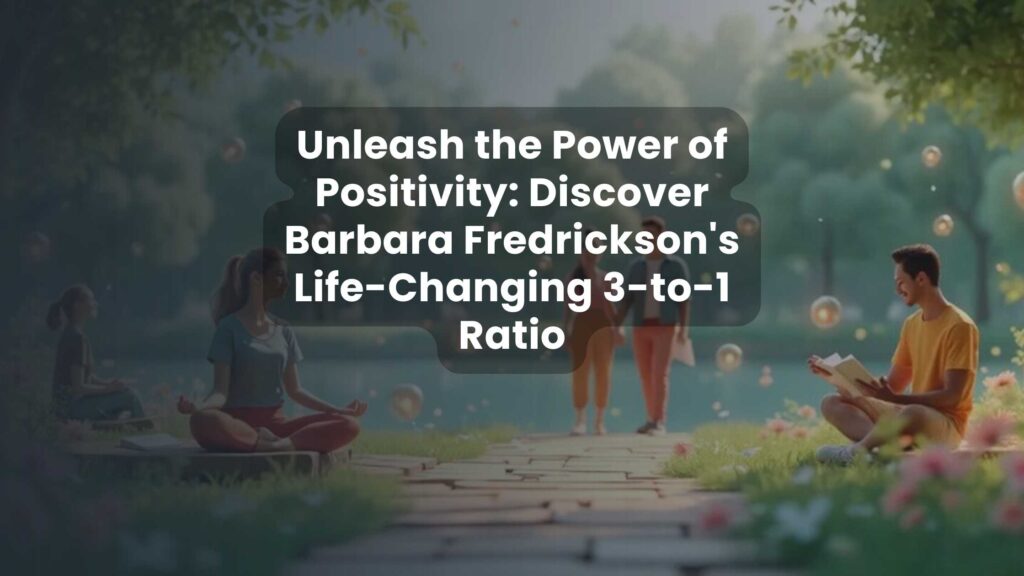
Unleash the Power of Positivity: Discover Barbara Fredrickson’s Life-Changing 3-to-1 Ratio

Imagine starting each day with a sense of joy and gratitude that not only uplifts your spirit but also expands the possibilities around you. This isn’t just wishful thinking—it’s a powerful approach to life backed by science and research. At the heart of this transformation is a simple yet profound concept: balancing your emotional experiences in a way that nurtures your mental health and resilience. Barbara Fredrickson’s groundbreaking insight reveals that experiencing at least three positive emotions for every negative one can dramatically improve well-being. By embracing this three-to-one ratio, you unlock a pathway to broaden your awareness, build lasting resources like meaningful relationships and problem-solving skills, and create a ripple effect that enriches every aspect of your life. Through mindfulness, gratitude, and intentional positivity, you can reshape your mindset and daily experiences, moving toward a life marked by greater fulfillment and connection.
Understanding Barbara Fredrickson’s 3-to-1 Positivity Ratio
Barbara Fredrickson’s 3-to-1 Positivity Ratio is a powerful concept that highlights the importance of maintaining a healthy balance between positive and negative emotions. According to her research, experiencing at least three positive emotions for every negative one is key to flourishing mental health. This doesn’t mean ignoring challenges but rather ensuring that positive feelings—such as joy, gratitude, and hope—outnumber negative ones. For example, someone who faces stress at work but also regularly experiences laughter, appreciation, and enthusiasm is more likely to thrive. This ratio acts as a psychological tipping point, supporting resilience and well-being in everyday life.
The foundation of this ratio lies in Fredrickson’s broaden-and-build theory, which explains how positive emotions expand our awareness and help us develop lasting resources. When you feel positive emotions, your mind opens to new possibilities, creative ideas, and stronger social connections. Imagine a team at work that celebrates small victories together; their shared positivity builds trust and improves problem-solving abilities. This positive momentum not only enhances individual happiness but also fuels collective growth. It’s a cycle that reinforces itself, making the 3-to-1 ratio a practical strategy for both personal and professional success.
One of the most engaging aspects of Fredrickson’s theory is positivity resonance—the shared experience of positive emotions that deepen human connections. When people laugh together or express genuine appreciation, they form stronger bonds that improve emotional support and teamwork. For instance, couples who regularly share moments of joy tend to report higher satisfaction and stability in their relationships. This resonance amplifies the benefits of the positivity ratio by creating a supportive social environment where positive emotions multiply and negative feelings lose their grip.
Managing negative emotions effectively is essential to maintaining the 3-to-1 ratio, and techniques like mindfulness and cognitive reframing play a crucial role. Mindfulness helps individuals remain present and savor positive experiences, preventing negative thoughts from dominating their mindset. Cognitive reframing allows people to view setbacks as opportunities for growth rather than failures. For example, someone facing criticism at work might choose to see it as constructive feedback, which can reduce stress and promote learning. These strategies empower individuals to navigate challenges without letting negativity overwhelm their positive emotional balance.
Applying the 3-to-1 positivity ratio in everyday life can transform both work and personal environments. Simple habits such as keeping a gratitude journal, acknowledging small wins, or sharing positive feedback with colleagues can increase the frequency of positive emotions. In workplaces, leaders who encourage positivity foster creativity, motivation, and satisfaction among employees. At home, expressing gratitude and celebrating joyful moments strengthens family bonds. By consciously cultivating more positive emotions than negative ones, you create a ripple effect that improves well-being and inspires others around you to do the same.
To unleash the power of positivity, consider these practical steps: start your day by listing three things you are grateful for, practice mindfulness during breaks to notice uplifting moments, and make a habit of sharing compliments or laughter with others. Tracking your emotions can help you stay aware of your positivity ratio and motivate you to shift focus toward uplifting experiences. These small, consistent actions reinforce a positive mindset, making the 3-to-1 ratio an achievable and impactful part of your daily routine.
How Positive Emotions Fuel Personal Growth and Resilience
Positive emotions play a crucial role in fueling personal growth and resilience by opening up new ways of thinking and experiencing the world. When you start your day with feelings of joy and gratitude, your mind becomes more flexible and creative. This expanded awareness allows you to see opportunities where others might see obstacles. For example, individuals who practice gratitude journaling often report improved problem-solving skills and a greater willingness to learn from challenges. This shift not only enhances mental health but also builds the foundation for lasting growth by turning setbacks into stepping stones.
One key concept supporting this idea is the 3-to-1 positivity ratio, which suggests that experiencing at least three positive emotions for every negative one helps maintain emotional balance. Simple activities like savoring small pleasures—a warm cup of coffee or a kind word—can help achieve this balance. Research shows that people who maintain this ratio are more resilient in the face of stress and recover faster from adversity. By consciously increasing positive experiences, you build emotional reserves that protect against burnout and enhance your overall well-being.
The broaden-and-build theory explains how positive emotions expand your thinking and help you develop valuable resources over time. When you feel hopeful, curious, or content, your mind opens to new ideas and possibilities, which supports creativity and social connection. For instance, a team member who approaches problems with optimism is more likely to collaborate effectively, leading to stronger work relationships and shared success. These social bonds and problem-solving skills then become assets that you can draw on during tough times, reinforcing your resilience and capacity for growth.
Positivity resonance, the shared experience of positive emotions like laughter or mutual appreciation, strengthens relationships and creates a sense of belonging. When people connect through positive moments, they build trust and emotional safety, which enhances collective satisfaction in groups or families. For example, coworkers who celebrate small wins together often report higher job satisfaction and better teamwork. By fostering these moments, you create a supportive environment that encourages continuous growth and emotional strength, benefiting both you and those around you.
Overcoming negative emotions is an essential part of resilience, and techniques like mindfulness and cognitive reframing help manage these challenges effectively. Mindfulness encourages you to notice your feelings without judgment, allowing you to step back from stress and respond thoughtfully. Cognitive reframing involves shifting your perspective to see difficulties as opportunities for learning rather than threats. Together, these practices reduce the impact of negative emotions and increase your ability to bounce back from setbacks. For example, someone facing criticism might use reframing to view feedback as a chance to improve, leading to personal development rather than discouragement.
Practicing mindfulness also deepens your appreciation of positive experiences by keeping you anchored in the present moment. This awareness enables you to savor joy and gratitude fully, which enhances the frequency and intensity of positive emotions. Regular mindfulness practice can increase your overall sense of well-being and reduce anxiety by focusing your attention on what is going well. Simple steps like mindful breathing or taking a moment to notice beauty in your surroundings can help you cultivate this habit and strengthen your emotional resilience.
Cultivating gratitude is another powerful way to fuel personal growth and resilience. Expressing gratitude shifts your focus from what is lacking to what is abundant in your life, transforming your mood and enhancing your relationships. Studies show that people who regularly practice gratitude experience lower stress levels and greater happiness. To integrate gratitude into daily life, try writing down three things you are thankful for each evening or sharing appreciation with friends and family. This practice not only improves your mindset but also deepens social bonds, creating a positive cycle of emotional support.
Applying the principles of positivity in both work and personal life can boost productivity and harmony. When you approach tasks with a positive mindset, you invite creativity and reduce stress, leading to better outcomes. For example, employees who maintain a positive outlook tend to be more engaged and collaborative, which benefits team performance. Similarly, positivity in personal relationships fosters understanding and patience, making it easier to navigate conflicts. Incorporating small positive habits, such as starting meetings with a highlight or practicing daily affirmations, can enhance your environment and promote resilience.
The ripple effect of positivity shows how individual emotional strength can inspire wider communities, creating cultures of growth and harmony. When one person models positivity and resilience, it encourages others to adopt similar attitudes, leading to collective well-being. For instance, schools that emphasize positive psychology report improved student behavior and academic achievement. By nurturing and sharing positive emotions, you contribute to a supportive network that benefits everyone, reinforcing your own growth while uplifting others around you.
Exploring the Broaden-and-Build Theory of Positive Emotions
The Broaden-and-Build Theory of Positive Emotions reveals how feelings like joy, gratitude, and love do more than just brighten our day—they actively expand our mental horizons. When we experience positive emotions, our minds open up to new possibilities, creative ideas, and fresh perspectives. For example, someone feeling joyful might be more inclined to explore new hobbies or connect with others, which in turn builds valuable social networks and coping skills. This theory emphasizes that positive emotions are not fleeting; instead, they lay the foundation for lasting personal growth and resilience by broadening our awareness and encouraging behaviors that build enduring resources.
Research supports the idea that maintaining a high ratio of positive to negative emotions, often cited as three positive experiences for every negative one, can significantly boost mental health. Simple practices such as gratitude journaling or savoring small moments of happiness help increase positivity and align well with the broaden-and-build framework. For instance, employees who regularly acknowledge achievements and express gratitude often report better collaboration and creativity at work. This balance not only supports emotional well-being but also strengthens problem-solving skills, enabling individuals to face challenges with greater confidence and flexibility.
One fascinating aspect of the broaden-and-build theory is the concept of positivity resonance, which occurs when sharing joyful experiences leads to deeper connections. Laughter, shared enthusiasm, or mutual appreciation can create a ripple effect, enhancing relationships and even fostering a sense of community. Consider a team that celebrates small wins together: their shared positivity builds trust and cooperation, which improves overall group performance. This dynamic shows how positive emotions extend beyond the individual, enriching social environments and creating supportive networks that further enhance well-being.
Overcoming negative emotions is a critical part of cultivating positivity. Techniques like mindfulness and cognitive reframing help us manage difficult feelings while allowing positive emotions to flourish. Mindfulness encourages present-moment awareness, helping individuals savor positive experiences rather than getting caught in stress or worry. For example, pausing to notice a kind gesture or the warmth of sunlight can shift attention toward positivity. Cognitive reframing, on the other hand, involves reshaping perspectives to find constructive meaning in adversity, which builds emotional resilience and nurtures a more optimistic outlook.
Implementing the broaden-and-build theory in daily life can transform both personal and professional experiences. By intentionally fostering positive emotions through gratitude, mindfulness, and shared joy, people enhance creativity, productivity, and satisfaction. At work, this might look like celebrating team milestones or encouraging open communication to boost morale. In personal relationships, expressing appreciation and sharing positive moments strengthens bonds and nurtures trust. These practical steps not only improve individual happiness but also create harmonious environments where everyone can thrive, illustrating the true power of positivity to transform lives.
Creating Stronger Bonds Through Positivity Resonance
Creating stronger bonds through positivity resonance involves more than just sharing happy moments—it’s about actively tuning into and amplifying the positive emotions experienced together. When people engage in genuine, joyful interactions such as shared laughter, mutual appreciation, or collaborative success, they generate a unique emotional connection that deepens relationships. Studies show that these shared positive experiences release oxytocin, the “bonding hormone,” which strengthens trust and empathy. For example, teams that celebrate small wins together often report higher morale and cooperation, illustrating how positivity resonance can transform ordinary connections into powerful, lasting bonds.
The concept of the 3-to-1 positivity ratio highlights how maintaining a balance of positive emotions over negative ones is essential in building and sustaining strong relationships. By consciously increasing moments of gratitude, kindness, or simple pleasures—such as complimenting a colleague or expressing thanks to a family member—you create emotional reserves that buffer against conflicts and stress. This balance not only improves individual well-being but also nurtures a supportive environment where bonds can flourish. For instance, couples who regularly express appreciation tend to resolve disagreements faster and feel more satisfied in their partnership, demonstrating the practical impact of fostering positivity resonance.
Mindfulness plays a crucial role in enhancing positivity resonance by helping individuals stay aware of and savor positive interactions as they happen. When people practice present-moment awareness, they notice subtle cues like a smile or a kind gesture, which might otherwise go overlooked. This heightened awareness enriches social exchanges, making connections feel more authentic and meaningful. In a workplace setting, mindfulness can help colleagues recognize and celebrate each other’s contributions, boosting collective positivity and cooperation. To cultivate this, try pausing briefly during conversations to fully absorb positive moments, reinforcing the emotional bonds created in real time.
Gratitude is another powerful tool for cultivating stronger bonds through positivity resonance. Expressing genuine thanks can shift focus from what’s lacking to what is abundant in relationships, fostering a warm and appreciative atmosphere. Simple practices such as keeping a gratitude journal or verbally acknowledging someone’s support can lead to increased feelings of closeness and trust. Research indicates that people who regularly share gratitude experience greater relationship satisfaction and emotional resilience. To implement this, set aside time each day to reflect on positive interactions and openly share your appreciation with those around you, creating a cycle of positivity that strengthens your connections.
Applying the principles of positivity resonance in both personal and professional life can lead to profound improvements in relationship quality and overall satisfaction. In teams, leaders who encourage open celebrations of achievements and foster an environment of positive feedback enable stronger collaboration and innovation. At home, prioritizing moments of joy and connection—like family dinners without distractions or shared hobbies—builds a foundation of emotional safety and warmth. Practical steps include scheduling regular check-ins focused on positive experiences, practicing active listening, and consciously acknowledging others’ strengths. These deliberate actions unleash the power of positivity, transforming everyday interactions into opportunities for deeper, more resilient bonds.
Effective Strategies to Overcome Negative Emotions Daily
Waking up filled with joy and gratitude can open your world to endless possibilities, fueling personal growth and resilience. This practice is not just a fleeting emotion; it serves as the bedrock for a fulfilling life. When you begin your day with a positive mindset, you set a tone that influences your interactions and decisions. Research shows that individuals who embrace positivity are more likely to overcome challenges and maintain better mental health. Imagine starting each day by reflecting on three things you are grateful for; this simple act can shift your perspective and enhance your overall mood.
To effectively balance negative emotions, consider the 3-to-1 positivity ratio. It suggests that for every negative emotion, we should aim to cultivate three positive ones. This can be achieved through practices like gratitude journaling, where you jot down daily joys and achievements. Simple pleasures, such as enjoying a warm cup of coffee or basking in the sun, can also contribute to this balance. By consciously acknowledging and amplifying positive experiences, you create a buffer against negativity and build a more resilient mindset.
The Broaden-and-Build Theory highlights how positive emotions can expand our awareness and help us build lasting resources. When we experience joy, our minds open to new possibilities and creative solutions that might otherwise go unnoticed. For example, a team that celebrates small wins together is likely to innovate more effectively because the positive atmosphere encourages collaboration and idea-sharing. This theory underscores the importance of fostering positivity, as it not only enhances individual well-being but also nurtures a thriving environment.
Engaging in positivity resonance can deepen connections with those around us. When we share joyful moments, like laughter or success, we reinforce our relationships and create a sense of belonging. Studies have shown that shared positive experiences lead to greater relationship satisfaction and trust. This could mean celebrating a coworker’s achievement or sharing a funny story with friends. Such interactions strengthen social bonds and create networks of support that can be invaluable during challenging times.
Overcoming negative emotions requires intentional strategies, such as mindfulness and cognitive reframing. Mindfulness practices encourage us to stay present, helping us to savor positive moments and heighten our appreciation for life. For example, taking a few minutes each day to focus on your breath can ground you in the moment, reducing anxiety and increasing awareness of your feelings. Cognitive reframing, on the other hand, involves shifting your perspective on a negative experience. Instead of viewing setbacks as failures, consider them as opportunities for growth. This shift can significantly enhance emotional resilience.
Cultivating gratitude is another powerful strategy to combat negative emotions. Expressing gratitude strengthens personal bonds and encourages a focus on abundance rather than scarcity. For instance, writing a thank-you note to a colleague can not only boost their mood but also reinforce a positive work environment. By regularly acknowledging what we are thankful for, we train our minds to recognize the good in our lives, which can transform our overall outlook and relationships.
Implementing these positivity principles can have a profound impact on both personal and professional life. In the workplace, fostering a positive environment can enhance productivity and creativity. For example, teams that celebrate achievements and encourage open communication often see improved collaboration and innovation. In personal settings, nurturing positivity can lead to deeper relationships and increased satisfaction. When positivity becomes a core value, it not only benefits you but also inspires those around you.
The ripple effect of positivity cannot be underestimated. When individuals embrace a positive mindset, they inspire their communities to do the same. This collective shift creates a culture of growth and harmony, leading to environments where everyone can thrive. As positivity spreads, it fosters resilience, creativity, and a sense of belonging, benefiting not just individuals but society as a whole. Embracing positivity transforms lives, guiding us toward well-being and supportive environments that nurture our potential.
The Role of Mindfulness in Enhancing Positive Experiences
Mindfulness plays a crucial role in enhancing positive experiences by helping individuals fully immerse themselves in the present moment. When practicing mindfulness, people become more aware of their surroundings, sensations, and emotions without judgment. This heightened awareness allows them to notice and savor small joys that often go unnoticed, such as the warmth of sunlight or the sound of laughter. For example, a study found that individuals who practiced mindful breathing reported increased feelings of happiness and reduced stress, demonstrating how mindfulness can directly boost positive emotions. By training the mind to stay present, mindfulness unlocks the power of positivity and invites richer, more meaningful experiences into daily life.
One key aspect of mindfulness is its ability to support the 3-to-1 positivity ratio, which balances negative emotions with three positive ones to promote mental health. Mindful attention helps individuals recognize fleeting negative thoughts without becoming overwhelmed, making it easier to shift focus toward gratitude or pleasant moments. For instance, keeping a gratitude journal while practicing mindfulness encourages noticing positive details and emotions throughout the day. This balance not only strengthens emotional resilience but also aligns with the broaden-and-build theory, which explains how positive emotions expand thinking and build valuable skills like creativity and social bonds. Mindfulness acts as a gateway to cultivating these positive emotions, enhancing overall well-being.
Sharing mindful moments with others can deepen connections and enhance positivity resonance—the process through which shared positive emotions amplify relationship satisfaction. When people engage in mindful listening or express genuine appreciation during conversations, they foster closeness and trust. Real-world examples include teams practicing mindfulness exercises together to improve communication and collaboration, resulting in higher productivity and harmony at work. By consciously tuning into positive shared experiences, mindfulness helps generate a ripple effect of positivity that benefits both personal and professional relationships, creating environments where joy and gratitude thrive.
Mindfulness also offers practical tools to overcome negative emotions by encouraging cognitive reframing and emotional regulation. Instead of reacting impulsively to stress or frustration, mindful individuals observe these feelings with curiosity and detachment. This approach allows for a healthier response, reducing the intensity of negative emotions and paving the way for positive growth. For example, a person facing a challenging situation may use mindfulness techniques to acknowledge their feelings, then reframe the experience as an opportunity to learn and build resilience. Incorporating mindfulness into daily routines equips readers with actionable steps to transform emotional challenges into opportunities for positivity and personal development.
To make the most of mindfulness in enhancing positive experiences, try simple practices that fit into everyday life. Start by dedicating five minutes each morning to mindful breathing or body scans, focusing on sensations and thoughts without judgment. Next, integrate gratitude exercises by listing three positive moments from your day while reflecting on them mindfully. Finally, engage in mindful communication by giving full attention to others during conversations, noticing both verbal and nonverbal cues. These small but consistent actions help unleash the power of positivity, transforming your life with positive emotions and creating a foundation for lasting joy and fulfillment.
Cultivating Gratitude to Boost Happiness and Relationships
Cultivating gratitude plays a vital role in boosting happiness and strengthening relationships by shifting focus from what is lacking to what is abundant. When individuals consciously acknowledge the positive aspects of their lives, they tap into the power of positivity, which awakens a deeper sense of joy and contentment. This mindful recognition of kindness, support, or simple daily pleasures not only uplifts mood but also encourages personal growth and resilience. For example, maintaining a gratitude journal where you list three things you are thankful for each day can help balance negative feelings and increase overall emotional well-being.
Gratitude also enhances relationships by promoting positivity resonance—a process where sharing joyful moments creates deeper connections and mutual satisfaction. When people express genuine appreciation to friends, family, or colleagues, it fosters trust and empathy, making bonds stronger and more fulfilling. Studies show that couples who regularly share gratitude report higher relationship satisfaction and less conflict. Simple acts such as thanking a coworker for their support or sending a heartfelt note to a loved one can amplify positive emotions and build long-lasting social resources.
Incorporating gratitude into daily life can be practical and straightforward. Start by setting aside a few minutes each day for mindful reflection on positive experiences. This practice aligns with the broaden-and-build theory, which suggests that positive emotions expand awareness and help develop skills and connections that support long-term happiness. Mindfulness techniques, such as focusing on breath or savoring a moment of kindness, deepen this awareness and enhance appreciation for the present. Over time, cultivating gratitude helps overcome negative emotions by creating a mental habit of noticing and valuing the good, even during challenging times.
To effectively unleash the power of gratitude, consider these actionable steps: write down three positive events or things you are grateful for daily, express thanks directly to people in your life, and practice mindfulness to stay aware of positive moments as they happen. These habits foster an upward spiral of positivity that not only transforms your outlook but also improves your interactions with others. By nurturing gratitude, you create a ripple effect that enhances both personal happiness and the quality of your relationships, making life more fulfilling and harmonious.
Applying Fredrickson’s Positivity Principles at Work and Home
Applying Fredrickson’s positivity principles at work and home can significantly transform your daily experiences by fostering a healthier mindset and deeper connections. At the core of this approach is the power of positivity, which emphasizes starting each day with joy and gratitude. When you consciously focus on positive emotions, you open your mind to new opportunities and creative solutions, whether facing a challenging project at work or resolving family conflicts. For example, professionals who begin meetings by sharing small wins or expressions of thanks often notice improved collaboration and morale, while families practicing nightly gratitude rituals report stronger emotional bonds and greater overall happiness.
A key concept to implement is the 3-to-1 positivity ratio, which suggests balancing every negative emotion with three positive ones to sustain mental well-being. Practically, this means acknowledging frustrations or setbacks but intentionally seeking out uplifting moments such as celebrating achievements, enjoying simple pleasures, or reconnecting with loved ones. At work, this might involve keeping a gratitude journal or complimenting colleagues to foster a supportive environment. At home, sharing stories of what went well during the day can create a positive atmosphere that helps everyone feel valued and motivated to overcome challenges.
The broaden-and-build theory further explains how positive emotions extend our awareness and help build lasting resources. Experiencing joy, interest, or love doesn’t just feel good in the moment—it also enhances problem-solving skills, creativity, and social bonds. For instance, teams that encourage positivity tend to innovate more effectively and adapt quickly to change. Similarly, families that focus on enjoying shared activities often develop stronger communication patterns and resilience. By applying this theory, you can intentionally cultivate habits that expand your emotional resources, such as engaging in group brainstorming sessions at work or planning fun, inclusive outings with family.
Positivity resonance emphasizes how sharing positive moments can deepen connections and improve overall satisfaction. Simple acts like laughing together, expressing genuine appreciation, or celebrating milestones create emotional synchrony that strengthens relationships. In a workplace context, this might look like recognizing a colleague’s effort publicly or organizing social events that encourage camaraderie. At home, it could involve creating traditions around shared meals or weekend activities that foster joy. These moments of positivity resonance not only brighten the immediate experience but also build trust and empathy, laying the foundation for long-term harmony and cooperation.
Managing negative emotions through mindfulness and cognitive reframing is another crucial element in applying Fredrickson’s principles. When stress or disappointment arises, pausing to observe thoughts without judgment can prevent escalation and promote emotional balance. For example, practicing brief mindfulness exercises during breaks at work or before family dinners can help reset your mood and improve focus. Cognitive reframing—such as viewing a missed deadline as a learning opportunity rather than a failure—also shifts perspective toward growth. These techniques build resilience, enabling you to navigate challenges calmly and maintain a positive outlook in both professional and personal settings.
Mindfulness and awareness further enhance the ability to savor positive experiences, increasing present-moment appreciation. By intentionally tuning in to the sights, sounds, and emotions around you—whether enjoying a productive meeting or a quiet moment with family—you amplify the impact of positive emotions. This practice can be as simple as taking a few deep breaths before starting the day or reflecting on a pleasant interaction before bedtime. Over time, cultivating mindfulness helps embed positivity into your routine, making joyful moments more frequent and meaningful.
Expressing gratitude regularly is a powerful way to reinforce positivity in all areas of life. Gratitude shifts your focus from scarcity to abundance, improving mood and strengthening relationships. At work, thanking team members for their contributions can boost motivation and build a culture of appreciation. At home, sharing what you are thankful for during meals or conversations nurtures emotional closeness and resilience against stress. Studies show that people who practice gratitude consistently experience increased happiness and reduced symptoms of depression, making it a practical tool for sustaining positivity across environments.
Applying Fredrickson’s positivity principles in work and personal life not only enhances productivity and harmony but also fosters creativity and satisfaction. Positive emotions fuel motivation, encourage collaboration, and reduce burnout, creating a more dynamic and enjoyable workplace. Simultaneously, they improve communication and emotional support at home, contributing to overall well-being. For instance, companies that invest in positivity training report higher employee engagement and retention, while families who prioritize positive interactions tend to report greater life satisfaction. By integrating these principles into daily routines, you can unleash the power of positivity to transform your life comprehensively.
Finally, the ripple effect of positivity illustrates how individual efforts can inspire broader cultural shifts. When you consistently embody gratitude, mindfulness, and positivity, you influence those around you to adopt similar attitudes, creating supportive and thriving communities. In the workplace, this can lead to a more inclusive and innovative environment, while at home, it fosters a nurturing space where everyone feels valued. Small, intentional acts—like offering encouragement or celebrating others’ successes—can spark widespread change, demonstrating the profound impact of applying Fredrickson’s positivity principles at work and home.
Conclusion
In conclusion, embracing Barbara Fredrickson’s 3-to-1 positivity ratio offers a practical and powerful way to transform your emotional well-being and overall life experience. By consciously balancing negative emotions with a greater number of positive ones, you open yourself to the expansive benefits of positivity—enhanced resilience, deeper relationships, and increased creativity. Drawing from the broaden-and-build theory, positivity not only lifts your mood but also builds lasting personal resources, helping you navigate challenges with greater ease. Through practices like mindfulness, gratitude, and sharing joyful moments, you can cultivate a richer, more connected life both personally and professionally. Remember, your positive mindset doesn’t just affect you; it has the potential to inspire and uplift those around you, creating a ripple effect that fosters community and growth.
Now is the perfect time to reflect on your own emotional balance. How can you invite more positive experiences into your daily routine? Whether through gratitude journaling, mindful awareness, or simply savoring small joys, start today and watch how your life begins to shift. For more insights on harnessing the power of positive emotions and transforming your life, continue exploring the science and stories behind positivity—your journey to lasting well-being is just beginning.
FAQ
FAQ Section: Unleash the Power of Positivity – Discover Barbara Fredrickson’s Life-Changing 3-to-1 Ratio
What is the 3-to-1 positivity ratio and why is it important?
The 3-to-1 positivity ratio refers to the idea that experiencing at least three positive emotions for every one negative emotion helps maintain mental health and emotional well-being. According to Barbara Fredrickson’s research, this balance allows individuals to build resilience, foster personal growth, and thrive in everyday life.
How can I cultivate more positive emotions in my daily routine?
You can cultivate positive emotions by practicing gratitude journaling, savoring simple joys such as a beautiful sunset or a kind gesture, and engaging in activities that bring you happiness. Mindfulness techniques also help you become more aware of positive moments and increase your overall sense of joy and contentment.
What is the broaden-and-build theory mentioned in Barbara Fredrickson’s work?
The broaden-and-build theory explains how positive emotions expand your awareness and thinking, allowing you to discover new ideas, opportunities, and connections. Over time, these positive emotions help build valuable personal resources like stronger social bonds and improved problem-solving abilities.
How does positivity resonance impact relationships?
Positivity resonance occurs when people share moments of genuine positive emotion, like laughter or kindness, creating deeper emotional connections. This shared positivity enhances relationship satisfaction and fosters a supportive, enriching environment for everyone involved.
How can I manage negative emotions without suppressing them?
Managing negative emotions effectively involves mindfulness and cognitive reframing practices. Mindfulness helps you observe your feelings without judgment, while cognitive reframing allows you to view challenges from a more positive or constructive perspective, building emotional resilience.
What role does gratitude play in fostering positivity?
Expressing gratitude shifts your focus from what is lacking to what you appreciate, strengthening your mood and relationships. Regularly acknowledging the good in your life nurtures positivity and helps create a sense of abundance and connection with others.
Can the 3-to-1 positivity ratio be applied to my work life?
Yes, applying positivity principles at work can enhance productivity, creativity, and overall satisfaction. Fostering a positive atmosphere encourages collaboration, reduces stress, and promotes harmony, benefiting both individual performance and team dynamics.
What is the ripple effect of positivity?
The ripple effect of positivity describes how one person’s positive emotions and behaviors can inspire and uplift others, creating a culture of growth and harmony. By embracing positivity, you contribute to building supportive communities that promote well-being for everyone.
How can I start incorporating these positivity practices today?
Begin by paying attention to the positive moments in your day and intentionally cultivating gratitude. Try keeping a gratitude journal, practicing mindfulness, and seeking opportunities to share positive experiences with others. Over time, these habits will help you reach and maintain the beneficial 3-to-1 positivity ratio.
Why is embracing positivity considered life-changing?
Embracing positivity transforms your outlook and emotional health, fostering resilience, stronger relationships, and greater fulfillment. By focusing on positive emotions and gratitude, you create a foundation for sustained well-being and a more meaningful, joyful life experience.