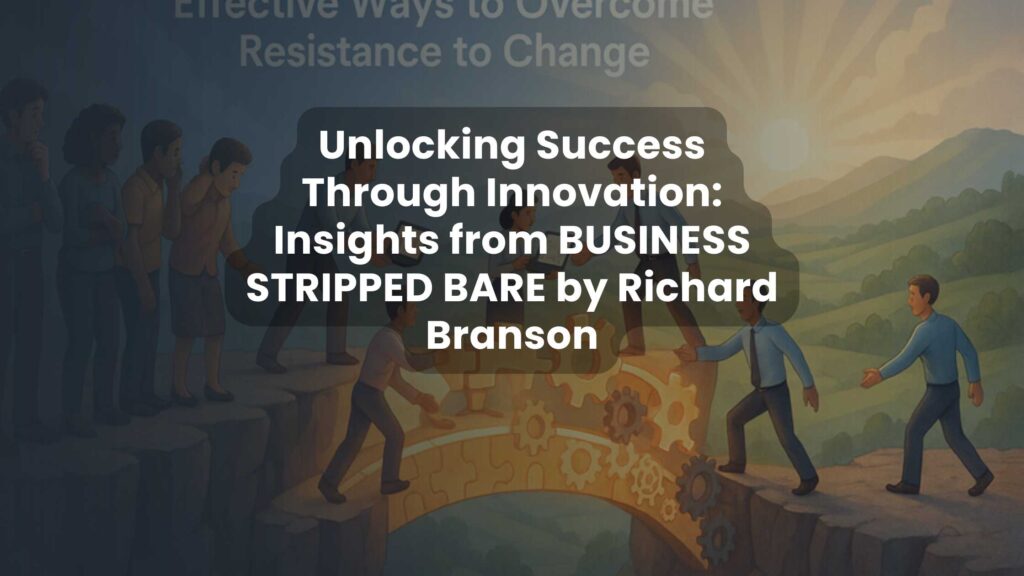
Unlocking Success Through Innovation: Insights from BUSINESS STRIPPED BARE by Richard Branson

In the fast-paced world of business, standing still is not an option. Success belongs to those who not only anticipate change but actively embrace it as a catalyst for growth. In a landscape where innovation drives market leadership and adaptability determines survival, understanding how to foster a culture that welcomes new ideas is essential. Drawing inspiration from the experiences and insights shared by Richard Branson in BUSINESS STRIPPED BARE, we explore how businesses can unlock their full potential by turning change into opportunity. From overcoming resistance to adopting cutting-edge technologies, the journey toward sustained success is paved with creativity, flexibility, and a bold willingness to reinvent the status quo.
Why Embracing Change Is Crucial for Business Growth
In today’s fast-paced business environment, why embracing change is vital for business growth cannot be overstated. The marketplace is constantly evolving due to technological advances, shifting consumer preferences, and global economic fluctuations. Companies that cling to outdated methods risk losing relevance and market share. Conversely, businesses that proactively adapt to change unlock new opportunities for expansion, innovation, and customer engagement. For example, Netflix transitioned from DVD rentals to streaming services, transforming its business model to stay ahead of competitors and dominate the entertainment industry. This adaptability has fueled its remarkable growth and industry leadership.
Innovation strategies that drive market leadership emerge naturally when organizations embrace change. By fostering creativity and leveraging emerging technologies, businesses can develop unique products and services that captivate both customers and top talent. Encouraging a culture where employees feel safe to experiment and propose new ideas results in continuous improvement and differentiation. Take Tesla, for instance. Its commitment to innovation in electric vehicle technology and renewable energy solutions has positioned it as a trailblazer, setting new standards in the automotive sector. This proactive approach to change doesn’t just boost growth—it builds resilience against future disruptions.
The role of adaptability in modern business success is equally critical. Flexibility allows companies to respond swiftly to changing market demands and capitalize on emerging trends. Businesses that cultivate adaptable teams and processes can pivot quickly, reducing downtime and maintaining customer satisfaction during transitions. A practical example is how many retailers rapidly shifted to e-commerce during the COVID-19 pandemic, demonstrating the power of adaptability to sustain operations and even expand in challenging conditions. Encouraging adaptability involves training employees to embrace new skills and fostering decision-making autonomy at all levels.
Leaders play a pivotal role in how to foster a culture of innovation and change within their organizations. Creating an environment where open dialogue is encouraged and innovative ideas are recognized inspires teams to explore inventive solutions. Reward systems that acknowledge creative contributions motivate continued experimentation and growth. Virgin Group exemplifies this approach by encouraging calculated risk-taking and exploring diverse ventures, which keeps the brand relevant and thriving across industries. Leadership commitment to change sends a clear message that innovation is not just welcomed but essential for success.
Overcoming resistance to change is an important step many businesses face. It is natural for employees to feel uncertain or hesitant when confronted with new processes or goals. Clear communication about the benefits of change, coupled with appropriate training and support, can ease anxiety and build confidence. Involving employees in the change process promotes ownership and reduces friction. For example, companies that implement change management programs often report smoother transitions and higher adoption rates, leading to stronger overall performance.
Embracing technological advancements is another critical component of driving business growth. Technologies such as artificial intelligence, the Internet of Things, and automation can significantly enhance operational efficiency and improve customer experiences. Companies that integrate these tools early can gain a competitive advantage by streamlining workflows and delivering personalized services. Retail giant Amazon, for instance, uses AI-powered recommendations and automated warehouses to optimize its operations and customer satisfaction. Staying ahead with technology ensures a business remains innovative and ready to meet future challenges.
To effectively embrace change, businesses can focus on practical steps such as regularly assessing market trends, investing in employee development, and fostering open communication channels. Building cross-functional teams to pilot new initiatives encourages collaboration and diverse perspectives. Additionally, setting measurable goals for innovation efforts helps track progress and refine strategies. By embedding these actions into the company culture, organizations position themselves to not only survive but thrive amid ongoing change.
The Critical Role of Adaptability in Business Success
In today’s rapidly shifting business environment, the ability to adapt is more than just an advantage—it is essential for survival. Companies that embrace change position themselves to capitalize on emerging opportunities and avoid becoming obsolete. For example, businesses that quickly adjusted to remote work during the global pandemic not only maintained operations but also discovered new efficiencies and ways to engage employees. This flexibility fosters resilience, allowing organizations to respond effectively to unexpected challenges and evolving customer needs.
Innovation plays a pivotal role in reinforcing adaptability within organizations. By encouraging creative thinking and integrating new technologies, businesses can stay ahead of market trends and maintain relevance. Take the Virgin Group as an example; their willingness to take risks and explore diversified ventures has kept them at the forefront of multiple industries. Such innovation strategies not only drive market leadership but also attract top talent and build a loyal customer base eager for cutting-edge products and services.
Creating a culture that supports change is critical to sustaining adaptability. Leaders must foster open communication and reward inventive ideas to inspire teams to embrace new approaches. Overcoming natural resistance to change requires clear messaging and active involvement of employees in the transition process. Providing training and highlighting the benefits of change can ease uncertainties, build confidence, and ensure smoother adoption of new practices across the organization.
Technological advancements, such as artificial intelligence and the Internet of Things, offer powerful tools to enhance business adaptability. Companies that integrate these innovations improve operational efficiency and customer satisfaction, maintaining a competitive edge. For instance, retailers using AI-driven analytics can anticipate customer preferences and adjust inventory accordingly, leading to optimized sales and reduced waste. Staying current with technology trends is a strategic move that prepares businesses for future challenges and growth.
To harness the critical role of adaptability, businesses should implement specific steps: regularly evaluate market dynamics, invest in employee development focused on flexibility, and promote a mindset open to experimentation. Encouraging cross-functional collaboration can also reveal new perspectives and solutions. By embedding adaptability into the company’s core values and strategies, organizations can turn uncertainty into opportunities for sustained success and industry leadership.
The Critical Role of Adaptability in Business Success
In today’s ever-evolving business landscape, why embracing change is vital for business growth cannot be overstated. Companies that cling to outdated methods risk falling behind as competitors innovate and adapt. For example, Netflix transformed from a DVD rental service to a global streaming giant by responding swiftly to changing consumer preferences and technology. This shift not only ensured its survival but also positioned it as a market leader. Businesses that actively welcome change open doors to new opportunities, allowing them to stay relevant and achieve sustainable growth.
Innovation strategies that drive market leadership play a pivotal role in maintaining adaptability. Encouraging creativity and integrating cutting-edge technologies enable companies to meet evolving customer needs and stand out in crowded markets. Take Tesla, for instance, whose focus on electric vehicle innovation has disrupted the automotive industry. By fostering a culture where experimentation is valued, businesses can attract top talent and build a loyal customer base eager for fresh solutions. This proactive approach to innovation fuels ongoing success and competitive advantage.
The role of adaptability in modern business success extends beyond reacting to external shifts; it involves cultivating internal flexibility. Organizations that empower employees to pivot quickly and embrace new ideas respond more effectively to market fluctuations and emerging trends. For example, during the COVID-19 pandemic, many companies rapidly adopted remote work technologies to maintain productivity. This ability to adjust operational models swiftly reflects how adaptability helps businesses thrive amid uncertainty and capitalize on new growth avenues.
How to foster a culture of innovation and change starts with leadership that supports open communication and values diverse perspectives. Creating an environment where employees feel safe to share ideas encourages continuous improvement and inventive problem-solving. Recognizing and rewarding creative efforts motivates teams to push boundaries and develop innovative products or services. Companies like Google encourage this culture by allowing employees to dedicate time to passion projects, resulting in breakthroughs such as Gmail and Google Maps.
Overcoming resistance to change is a common challenge that businesses must address to successfully adapt. Resistance often stems from fear of the unknown or discomfort with new processes. Clear communication about the benefits of change, coupled with training and support, helps build confidence and acceptance among staff. Involving employees early in the transition process fosters ownership and reduces pushback, ensuring smoother implementation of new strategies or technologies.
Embracing technological advancements is another critical aspect of adaptability that drives business success. Technologies like artificial intelligence and the Internet of Things offer powerful tools to boost efficiency, improve customer experiences, and create new revenue streams. Retailers using AI-driven analytics, for example, can personalize marketing efforts and optimize inventory management, resulting in higher sales and customer satisfaction. Keeping pace with technological innovation ensures that businesses remain competitive and prepared for future challenges.
To implement adaptability effectively, consider these practical steps:
– Regularly assess market trends and customer feedback to identify areas needing change.
– Encourage cross-functional collaboration to foster diverse ideas and solutions.
– Invest in employee training to build skills that support new technologies and processes.
– Establish clear communication channels to explain the purpose and benefits of changes.
– Recognize and reward innovative contributions to motivate ongoing adaptability.
By integrating these approaches, business leaders can create resilient organizations that not only survive market shifts but also lead their industries through continuous innovation and growth.
How to Build a Culture That Fuels Innovation
Building a culture that fuels innovation starts with embracing change as a core value. In today’s fast-paced business environment, companies that resist transformation risk falling behind. Encouraging teams to view change not as a threat but as an opportunity opens doors to new ideas and growth. For instance, organizations that have adopted agile methodologies often report faster product development and improved customer satisfaction. Embracing change creates a mindset where innovation becomes a natural response to evolving market demands, positioning your business for long-term success.
To drive innovation, it’s essential to implement strategies that nurture creativity and leverage emerging technologies. This means creating spaces where employees feel safe to experiment and share unconventional ideas without fear of failure. Companies like Google have famously dedicated time for employees to work on passion projects, resulting in groundbreaking products like Gmail. Encouraging such freedom, combined with tools that enhance collaboration and data analysis, empowers teams to discover solutions that set your business apart and establish market leadership.
Adaptability plays a crucial role in sustaining innovation within a company. When organizations promote flexibility and responsiveness, they can swiftly pivot to meet changing customer needs or capitalize on new trends. For example, during the recent shift to remote work, businesses that adapted quickly by implementing digital communication platforms maintained productivity and kept innovation alive. Cultivating adaptability means training leaders and staff to embrace uncertainty and continuously seek improvement, ensuring your business remains agile and competitive.
Creating a culture of innovation also requires fostering open communication and recognizing creative efforts. Leaders should actively encourage diverse viewpoints and reward team members who offer inventive solutions. This approach not only motivates employees but also builds a collaborative environment where ideas flourish. Take Virgin Group, for example—they thrive by daring to take risks and exploring new ventures, which keeps their brand fresh and competitive. By celebrating innovation and supporting calculated risks, you inspire ongoing creativity across your organization.
Overcoming resistance to change is another vital step in building an innovative culture. People naturally hesitate when faced with new processes or technologies, but transparent communication can ease these concerns. Engage employees early by explaining the benefits of change and providing training to build confidence. This approach reduces fear and fosters buy-in, making transitions smoother and innovation more sustainable. When teams feel supported, they are more likely to contribute fresh ideas and drive meaningful progress.
Finally, staying ahead requires embracing technological advancements like artificial intelligence and the Internet of Things. Integrating these tools enhances operational efficiency and improves customer experiences, reinforcing your innovation culture. Companies that adopt cutting-edge technology often gain a competitive edge by delivering smarter solutions faster. To implement this effectively, assess your current processes, identify areas for tech integration, and invest in ongoing learning to keep your workforce updated. This proactive approach ensures your business not only adapts but leads in an evolving marketplace.
Effective Ways to Overcome Resistance to Change
Resistance to change is a normal human reaction, but understanding its roots can help businesses effectively manage transitions. Employees often fear the unknown, worry about their job security, or feel overwhelmed by new processes. To counteract these feelings, leaders must prioritize clear communication. This involves not only sharing the reasons behind the change but also outlining the expected benefits for both the organization and the employees. For instance, a company undergoing a digital transformation should convey how new technologies can simplify daily tasks, reduce workload, and potentially create new job opportunities. When employees feel informed and involved, they are more likely to support new initiatives.
An effective way to overcome resistance is by actively engaging employees in the change process. This can be achieved through workshops, brainstorming sessions, or feedback forums where team members can express their concerns and contribute ideas. By creating a platform for open dialogue, employees feel valued and heard, which fosters a sense of ownership over the changes. For example, a firm implementing a new customer relationship management system might invite input from the sales team to ensure the tool meets their needs. This participatory approach not only eases resistance but often leads to more innovative solutions and a smoother transition.
Training and support are also critical elements in alleviating resistance to change. When companies provide adequate resources and training sessions, employees can build the necessary skills and confidence to adapt to new systems or processes. For instance, if a manufacturing company introduces automated machinery, comprehensive training programs will help workers learn the new equipment effectively. This not only minimizes anxiety but also enhances productivity, as employees can operate the new tools with competence and comfort. Moreover, continuous support, such as mentoring or access to help desks, ensures that employees feel backed throughout the process.
Recognizing and rewarding adaptability can further encourage a culture that embraces change. Celebrating successes, whether big or small, reinforces the idea that innovation and flexibility are valued within the organization. For example, a company could implement an incentive program that rewards teams who successfully adopt new practices or improve efficiency during transitions. This not only motivates individuals but also creates a ripple effect, inspiring others to engage positively with change initiatives. By recognizing efforts, businesses can cultivate an environment where employees are eager to embrace new challenges.
Lastly, leadership plays a vital role in overcoming resistance to change. Leaders must model the behavior they wish to see by demonstrating their commitment to the change process. When leaders are enthusiastic about new initiatives and share their vision, it can inspire employees to follow suit. For instance, companies like Virgin exemplify this model, where leadership actively encourages innovation and risk-taking. By showing confidence in the transformation, leaders can turn potential resistance into enthusiasm, paving the way for a smoother and more successful transition.
Overall, overcoming resistance to change involves a multifaceted approach that prioritizes communication, employee engagement, training, recognition, and strong leadership. By implementing these strategies, organizations can foster a culture of adaptability and innovation, essential for thriving in a competitive business landscape.
Effective Ways to Overcome Resistance to Change
Overcoming resistance to change begins with understanding the root causes behind it. Often, employees feel uncertain about how changes will affect their roles, leading to fear and hesitation. To address this, leaders should communicate transparently and early, explaining why embracing change is vital for business growth. For example, when a company clearly shares how new processes can improve efficiency or open new markets, employees are more likely to see the benefits and support the transition. Regular updates and open forums where staff can voice concerns also build trust and reduce anxiety.
Another effective method to overcome resistance is involving employees in the change process. When people participate in decision-making, they develop a sense of ownership and empowerment. This engagement can be as simple as soliciting ideas for implementing new technology or creating small task forces to pilot innovative strategies. A case in point is how some organizations foster a culture of innovation by encouraging teams to experiment and share feedback. This approach not only reduces pushback but also drives market leadership by tapping into creative problem-solving.
Providing adequate training and support is crucial in smoothing the path toward change. Resistance often stems from a lack of confidence or skills needed to adapt. Businesses that invest in comprehensive training programs help employees build competence and reduce fear of the unknown. For example, during a digital transformation, offering hands-on workshops and ongoing coaching can make technological advancements feel accessible rather than intimidating. This strategy boosts adaptability, allowing the workforce to respond swiftly to shifting demands.
Rewarding and recognizing efforts to embrace change further fuels motivation. Positive reinforcement highlights the value of adaptability and innovation, reinforcing desired behaviors. Companies that celebrate successes, whether big or small, create a culture where change is seen as an opportunity rather than a threat. Virgin Group’s approach exemplifies this by acknowledging risk-taking and creativity, which has enabled them to thrive through continuous innovation. Such recognition inspires teams to pursue inventive solutions, advancing the organization’s overall success.
To implement these strategies effectively, leaders can follow clear steps: start by communicating the vision behind the change, involve employees in planning and feedback, provide tailored training, and establish reward systems that acknowledge progress. By doing so, businesses not only overcome resistance but also harness the full potential of their workforce, positioning themselves to thrive in a competitive, ever-evolving market.
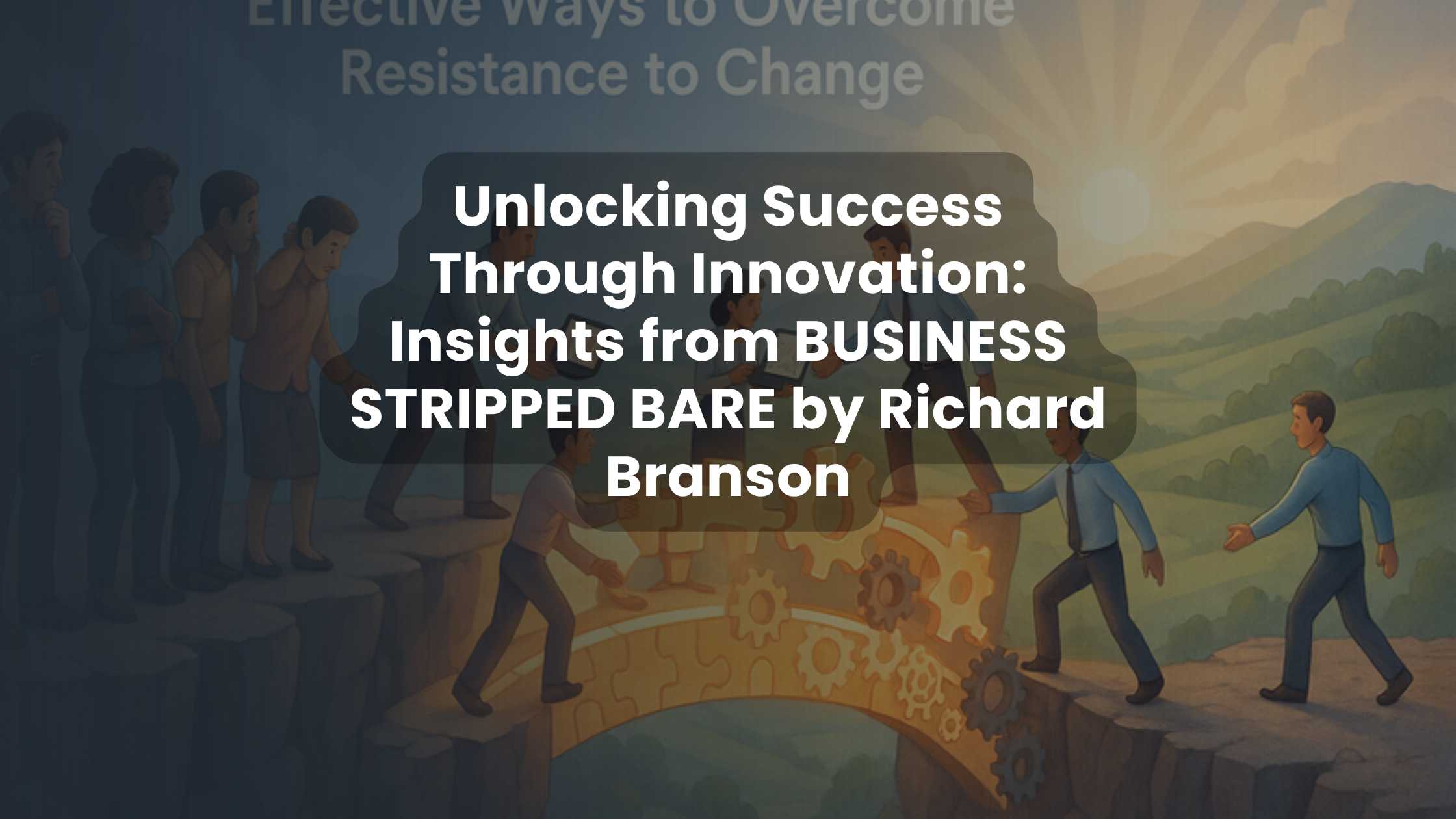
Effective Ways to Overcome Resistance to Change
Overcoming resistance to change begins with clear and honest communication. When employees understand the reasons behind a transition and how it benefits both the organization and their roles, they are more likely to embrace new directions. For example, a company shifting to remote work can reduce anxiety by explaining improved work-life balance and productivity gains. Providing detailed information early removes uncertainty, which is often the root of resistance. Leaders should hold open forums or Q&A sessions to address concerns, ensuring everyone feels heard and valued during the change process.
Creating a culture that values adaptability and innovation significantly reduces pushback. When organizations encourage employees to share ideas and experiment without fear of failure, change becomes a natural part of daily operations. Consider how tech giants like Google foster creativity by allowing employees dedicated time for personal projects, which often leads to breakthroughs. By embedding flexibility into your company’s DNA, you prepare teams to respond swiftly to shifting market demands and emerging opportunities, reinforcing the importance of embracing change for business growth.
Providing adequate training and support is another effective way to ease resistance. Learning new systems or workflows can be intimidating, especially when employees feel unprepared. Offering hands-on workshops, online tutorials, or mentorship programs helps build confidence and competence. Take, for instance, a retail chain introducing AI-powered inventory management; staff who receive clear instruction are more likely to adopt the technology enthusiastically. Structured learning not only improves skills but also demonstrates the organization’s commitment to employee development throughout the change.
Engaging employees directly in the change process empowers them and reduces opposition. Involving team members in decision-making or pilot programs creates a sense of ownership and control. For example, a manufacturing firm implementing lean processes might invite workers to contribute ideas on improving efficiency. This collaboration leads to practical solutions and fosters a positive attitude toward change. When employees feel their input matters, resistance diminishes, and commitment to new initiatives strengthens.
Recognizing and rewarding adaptability motivates ongoing acceptance of change. Celebrating successes, whether through public acknowledgment or incentives, reinforces desired behaviors and highlights the benefits of innovation. Companies like Virgin Group exemplify this approach by embracing risk and rewarding creative problem-solving, which has kept them competitive across diverse industries. By establishing recognition programs that honor flexibility and forward-thinking, organizations encourage a workforce eager to evolve and grow alongside the business.
Integrating Innovation and Change for Long-Term Success
In today’s fast-paced business environment, why embracing change is vital for business growth cannot be overstated. Companies that resist transformation often find themselves falling behind competitors who are quicker to adapt. Change opens doors to new markets, customer segments, and technological advancements. Take Netflix, for example, which shifted from DVD rentals to streaming services, showcasing how embracing change can lead to long-term success and market leadership. Understanding that change is not a threat but an opportunity allows businesses to stay relevant and competitive.
Innovation strategies that drive market leadership focus on fostering creativity and leveraging emerging technologies. Encouraging employees to think outside the box and experiment with new ideas creates a dynamic workplace that continuously pushes boundaries. Google’s famous policy of allowing employees to spend 20 percent of their time on passion projects has led to innovations like Gmail and Google Maps. Such strategies help attract top talent and build a loyal customer base eager to engage with fresh, innovative products and services.
The role of adaptability in modern business success is crucial in navigating shifting market conditions. Organizations that encourage flexibility can respond quickly to customer needs and emerging trends, avoiding stagnation. For instance, during the COVID-19 pandemic, many retailers rapidly adapted by enhancing their online presence and offering contactless delivery, ensuring continued revenue streams despite lockdowns. Building adaptability into company culture means preparing teams to pivot efficiently and seize new opportunities as they arise.
How to foster a culture of innovation and change involves cultivating a supportive environment where open dialogue thrives. Leaders play a key role by recognizing and rewarding creative ideas, which motivates employees to contribute actively. Companies like 3M have institutionalized innovation through dedicated time for experimentation and by celebrating successes publicly. Creating safe spaces for risk-taking and learning from failure empowers teams to develop inventive solutions that drive ongoing business growth.
Overcoming resistance to change is often one of the biggest hurdles in integrating innovation and transformation. Clear communication about the benefits and purpose of change helps alleviate fears and builds trust. Engaging employees throughout the process, combined with targeted training, increases confidence and acceptance. IBM’s transformation in the 1990s demonstrated how leadership’s transparent approach to change, coupled with workforce involvement, can turn resistance into enthusiasm.
Embracing technological advancements such as artificial intelligence and the Internet of Things offers businesses a competitive edge. These technologies streamline operations, improve customer experiences, and generate valuable data insights. Amazon’s use of AI-powered recommendation systems enhances personalization and boosts sales, illustrating the power of integrating technology. Staying current with technological trends ensures your business remains efficient and well-positioned for future growth.
To effectively integrate innovation and change for long-term success, consider these practical steps:
– Communicate the vision and benefits of change clearly to all stakeholders.
– Encourage experimentation by allocating time and resources for innovative projects.
– Provide training and support to build adaptability skills across teams.
– Recognize and reward creative contributions to foster motivation.
– Invest in emerging technologies that align with business goals.
By following these steps, businesses can create a resilient culture that embraces transformation and drives sustained growth in an ever-evolving market.
Conclusion
In conclusion, Richard Branson’s *Business Stripped Bare* offers invaluable insights into how embracing change and fostering innovation are essential for sustained business success. From adapting to evolving market demands and cultivating a culture that encourages creativity, to leveraging new technologies and overcoming resistance to change, the book highlights practical strategies that can transform challenges into opportunities. The Virgin Group’s journey serves as a powerful example of how risk-taking and continuous innovation drive growth and keep a company relevant in a competitive landscape. As you reflect on these lessons, consider how your own organization can integrate adaptability and forward-thinking approaches to not only survive but thrive in today’s dynamic business world. Ready to take your business to the next level? Dive deeper into these principles and start unlocking your path to success through innovation today.
FAQ
Frequently Asked Questions about Unlocking Success Through Innovation: Insights from BUSINESS STRIPPED BARE by Richard Branson
1. Why is embracing change vital for business growth?
In today’s fast-changing business environment, adapting to change is essential to remain competitive. Companies that resist transformation often fall behind, while those open to change discover new opportunities and achieve sustainable growth.
2. What innovation strategies can help drive market leadership?
Fostering creativity and leveraging new technologies are key innovation strategies. Prioritizing these approaches helps position your business as an industry leader, attracting top talent and building a loyal customer base.
3. How important is adaptability in modern business success?
Adaptability is crucial for thriving in dynamic markets. Encouraging flexibility within your organization allows you to respond effectively to shifting demands and capitalize on emerging trends, ensuring your business stays ahead.
4. How can leaders foster a culture of innovation and change?
Leaders should create a supportive environment that encourages open dialogue and values innovative ideas. Recognizing and rewarding creativity motivates teams to pursue inventive solutions, driving continuous innovation.
5. What lessons can be learned from Virgin’s approach to change and innovation?
The Virgin Group showcases success through innovation and calculated risk-taking. Their willingness to explore new ventures keeps them relevant and diversified, offering valuable insights on embracing change for growth.
6. How can businesses overcome resistance to change?
Resistance to change is natural, but it can be managed through clear communication and support. Engaging employees in the process, explaining benefits, and providing necessary training helps build confidence and acceptance.
7. Why is embracing technological advancements important?
Staying ahead with technologies such as artificial intelligence and the Internet of Things improves efficiency and enhances customer satisfaction. Embracing these advancements ensures your business remains competitive and ready for future challenges.
By integrating change and innovation into your business strategy, you can not only navigate market challenges effectively but also lead the way in shaping future industry trends. Adapt, innovate, and drive your business toward lasting success.