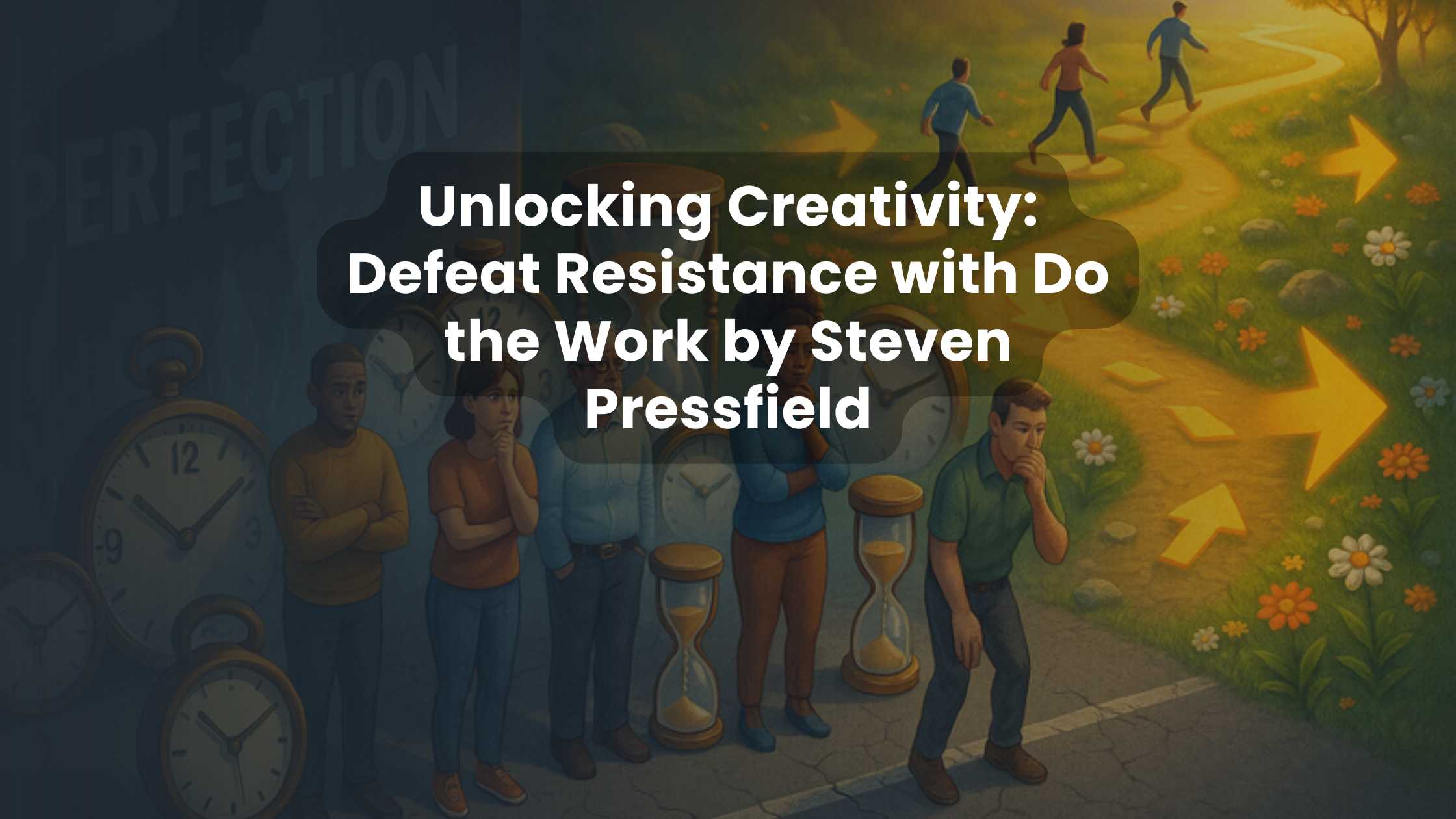
Unlocking Creativity: Defeat Resistance with Do the Work by Steven Pressfield

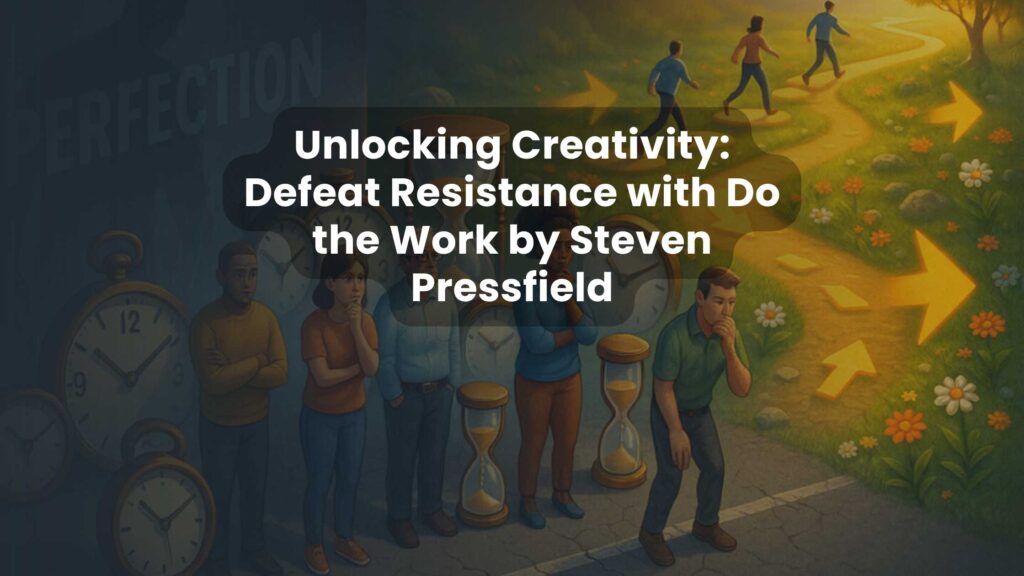
There’s an invisible force that quietly sabotages your best intentions, whispering doubts and planting seeds of procrastination just when you’re ready to create. This force, known as Resistance, is more than mere distraction—it’s a psychological barrier rooted deep in fear of failure, change, and the unknown. It lurks in moments of hesitation, disguised as self-doubt or the endless search for the perfect time to start. Recognizing Resistance is the first step toward breaking free from its grip. By tuning into your daily habits through mindfulness and reflection, you can pinpoint the triggers that stall your progress. But awareness alone isn’t enough; overcoming Resistance requires practical strategies like setting small, achievable goals, enlisting support from others, and celebrating every victory no matter how small. When you confront Resistance head-on, you not only reclaim your creativity but also transform fear into a powerful compass for growth. Waiting for the perfect moment is a trap that only strengthens Resistance’s hold. Instead, embracing imperfection and diving in despite uncertainty unleashes momentum and innovation. Understanding these dynamics opens the door to unlocking your true potential, allowing you to move beyond hesitation and fully embrace the creative journey.
What is Resistance and How Does It Manifest in Creative Work
Resistance is an invisible force that often stands between creative ideas and their realization. It manifests as procrastination, self-doubt, or hesitation, quietly undermining your efforts and keeping you stuck in a familiar comfort zone. When you sit down to start a project or face a blank page, resistance may make you feel distracted or overwhelmed, dragging you away from meaningful work. This internal struggle isn’t just about laziness; it’s a powerful barrier that can stall progress and silence your creative voice if left unchecked.
At its core, resistance has a psychological foundation rooted in fear—fear of failure, fear of change, and fear of the unknown. These fears trigger a defensive response, protecting you from perceived threats but simultaneously blocking growth. For example, an artist may delay sharing their work because they fear criticism, or a writer might avoid starting a novel due to uncertainty about the outcome. Understanding that resistance is not just a lack of motivation but a natural reaction to discomfort helps in addressing it more compassionately and effectively.
Identifying resistance in your daily creative life requires mindful observation and honest self-reflection. Techniques like journaling can reveal recurring patterns—such as avoiding tasks at certain times or feeling stuck after receiving feedback—that signal resistance. Mindfulness practices help you notice moments when hesitation creeps in, allowing you to pause and question what is holding you back. By recognizing these triggers early, you can prevent resistance from growing into a full-blown creative block.
To overcome resistance, breaking tasks into small, manageable steps is essential. Setting achievable goals creates momentum and reduces the overwhelming feeling that feeds procrastination. Accountability partners can provide encouragement and a sense of responsibility, making it harder to give in to resistance. Celebrating small wins, no matter how minor, reinforces progress and builds confidence, helping to chip away at the invisible barriers that resistance creates.
Resistance directly impacts creativity and productivity by limiting the flow of ideas and the willingness to experiment. When left unchallenged, it can lead to stagnation, missed opportunities, and frustration. However, by confronting resistance, creatives unlock new levels of innovation and output. For instance, a designer who pushes through initial doubts may discover unique solutions, while a musician who records rough drafts instead of waiting for perfection often uncovers unexpected inspiration.
Fear plays a crucial role as the catalyst for resistance. Rather than viewing fear solely as an obstacle, it can be reframed as a valuable signal pointing toward areas of growth and challenge. When fear arises, it highlights where change is needed, offering an opportunity to move beyond comfort zones. This shift in perspective transforms fear from a paralyzing force into a motivating guide that encourages creative exploration and resilience.
Turning fear into a personal compass involves using it intentionally to inform your decisions. Instead of avoiding tasks that induce fear, lean into them as markers of meaningful progress. For example, if public speaking terrifies you but is necessary for your project’s success, use that fear to prepare and grow rather than retreat. Embracing fear this way fosters courage, helping you take risks that lead to personal and creative development.
Waiting for the perfect moment to begin creative work often leads to delays and missed opportunities. The myth of readiness can trap you in endless preparation, preventing real progress. Starting before you feel completely ready allows you to learn through action and adapt along the way. Many successful creators reveal that their best work emerged from imperfect beginnings rather than flawless starts.
Readiness is often overrated because it suggests full control over outcomes, which is rarely possible in creative endeavors. Taking the leap without complete preparedness opens doors to unexpected feedback and growth. This approach encourages experimentation and continuous improvement, making the creative process dynamic rather than static.
Balancing preparation with action is key to overcoming resistance’s paradox. Setting clear deadlines creates a sense of urgency that combats overthinking. Prioritizing execution over excessive planning helps maintain momentum, clarifies goals, and fosters a productive cycle of doing and refining. This balance ensures that creativity moves forward instead of stalling in the planning phase.
How to Identify Resistance Patterns in Your Daily Routine
Resistance often hides in plain sight within your daily routine, subtly influencing your actions without obvious signs. It can manifest as procrastination when you delay important tasks or as persistent self-doubt that saps your confidence. Recognizing what resistance looks like is the first step toward overcoming it. For example, if you notice yourself endlessly checking emails instead of starting a project, that’s resistance pulling you away from progress. Paying attention to these subtle behavioral cues helps you identify the invisible force standing between you and your goals.
At its core, resistance is a psychological defense mechanism rooted in fear—fear of failure, change, or the unknown. This fear triggers a natural response to avoid discomfort, keeping you locked in familiar patterns. Imagine a person hesitant to pitch a new idea at work because they fear rejection. This hesitation is resistance in action, protecting them from potential embarrassment but also blocking growth. Understanding this helps reframe resistance not as laziness or weakness but as a natural emotional response that can be managed and redirected.
To spot resistance in your daily life, develop habits that increase self-awareness. Journaling is a powerful method; by writing down your thoughts and emotions regularly, you can track moments when resistance arises and what triggers it. Mindfulness practices, such as short meditation breaks, also sharpen your ability to notice when your mind wanders or when negative thoughts stall your momentum. For instance, after jotting down that you feel anxious before starting a new task, you can connect that feeling to fear-based resistance and plan accordingly.
Once you identify resistance patterns, practical strategies can help you move past them. Breaking large tasks into smaller, manageable steps reduces overwhelm and makes starting easier. Setting micro-goals—like writing just one paragraph instead of a whole report—creates momentum. Additionally, sharing your goals with an accountability partner adds external motivation and support. Celebrating small victories, such as completing a step or overcoming a moment of hesitation, reinforces progress and diminishes resistance over time.
Resistance doesn’t just impede task completion; it also stifles creativity and productivity. When resistance takes hold, new ideas are suppressed because fear and doubt limit your willingness to experiment. Overcoming resistance opens the door to innovation by freeing your mind from hesitation. For example, an artist stuck in a creative block may discover fresh inspiration once they push through the fear of failure. Recognizing this impact encourages embracing discomfort as a catalyst for growth rather than a barrier.
Fear plays a central role as a catalyst for resistance, often amplifying its effects. Instead of viewing fear as an enemy, consider it a signal pointing to areas where growth is possible. When you feel fear before a challenging task, it indicates a threshold worth crossing. This shift in perspective transforms fear from a paralyzing force into a guide that encourages personal development. For instance, public speakers often feel nervous before presentations, but those who reframe fear use it to fuel their preparation and performance.
To turn fear into a useful compass, start by acknowledging it instead of avoiding it. When fear arises, ask yourself what it is trying to tell you about your limits and where you need to stretch. Use this insight to make intentional decisions that challenge your comfort zone gradually. For example, if you fear networking events, set a goal to introduce yourself to just one new person initially. This approach helps build confidence and reduces resistance by making fear manageable and actionable.
Waiting for the perfect moment to start a project often strengthens resistance rather than alleviating it. The myth of readiness causes many to delay action indefinitely, missing valuable opportunities for growth and learning. Instead, beginning before every condition is perfect allows you to gather real-world feedback and adjust as you go. For example, entrepreneurs who launch minimum viable products early gain insights that shape their success, whereas those who wait for perfection may never take the leap.
Taking action without full readiness fosters progress by breaking the paralysis that resistance creates. When you act despite uncertainty, you expose yourself to new experiences and knowledge that refine your approach. This process helps dismantle the paradox of preparation, where excessive planning leads to stagnation. Setting deadlines and prioritizing execution over endless analysis can propel you forward. For instance, writers who commit to daily word counts often find momentum and clarity that no amount of pre-writing could provide.
How to Identify Resistance Patterns in Your Daily Routine
Resistance in daily life often shows up subtly, making it tricky to recognize at first. It manifests as procrastination, self-doubt, or avoidance—small behaviors that quietly block your progress. For example, you might find yourself endlessly scrolling through social media instead of starting a project or hesitating to speak up in meetings despite having valuable ideas. These patterns are signs that resistance is at work, holding you back from stepping out of your comfort zone. By understanding what resistance looks like, you can begin to pinpoint moments when it creeps into your routine.
At its core, resistance is deeply tied to psychological factors, especially fear. Fear of failure, change, or the unknown triggers a defensive response that keeps you safe but stagnant. This internal pushback can feel like an invisible barrier stopping you from taking risks or trying new approaches. For instance, someone might avoid applying for a promotion because they fear they aren’t ready, even when they have the skills. Recognizing this fear as the root cause of resistance helps you separate the feeling from reality, making it easier to confront and manage.
To identify resistance effectively, increasing self-awareness is key. Techniques such as journaling your thoughts and emotions, or practicing mindfulness, can reveal consistent triggers in your daily routine. You might notice, for example, that your resistance spikes whenever you face complex tasks or deadlines. Tracking these moments over time builds a clear picture of when and why resistance occurs. This insight allows you to address specific obstacles rather than feeling overwhelmed by vague frustration or stress.
Once resistant patterns are identified, practical steps can help dismantle them. Breaking large goals into smaller, manageable tasks reduces overwhelm and makes starting easier. Enlisting an accountability partner offers external motivation and support, which can keep resistance in check. Celebrating even minor achievements reinforces positive momentum, encouraging you to push past hesitation. A person trying to write a book, for example, might commit to writing 200 words daily instead of waiting for inspiration, gradually overcoming resistance through steady progress.
Resistance doesn’t just stall progress—it also limits creativity and productivity. When resistance dominates, ideas get stuck, and motivation dwindles, preventing innovation. However, by recognizing and addressing resistance, you free your mind to explore new possibilities and work more efficiently. Entrepreneurs who overcome their resistance to risk-taking often find they generate more creative solutions and make faster decisions. Understanding this connection motivates you to confront resistance proactively rather than letting it suppress your potential.
Fear plays a pivotal role as the catalyst behind resistance, but it doesn’t have to be an enemy. Instead, fear can serve as a valuable signal highlighting areas where growth is possible. For example, feeling nervous before a presentation may indicate that the opportunity is important and worth pursuing. Viewing fear as a guide rather than a barrier helps shift your mindset from avoidance to curiosity, empowering you to tackle challenges with greater confidence.
Transforming fear into a personal compass involves using it to inform your choices rather than control them. When fear arises, ask yourself what this feeling is trying to teach or show you. This approach turns hesitation into actionable insight, encouraging decisions that foster development. For instance, if fear of public speaking stops you, consider it a prompt to improve communication skills, turning resistance into a constructive driver of growth.
Waiting for the perfect moment often leads to stagnation because readiness is a myth. Resistance thrives when you delay action, creating a cycle of procrastination and doubt. Starting tasks before feeling fully prepared allows you to learn through experience, adapt, and refine your approach. Someone launching a side business might hesitate until every detail is perfect, but taking imperfect action reveals real-world challenges and solutions faster, breaking resistance’s hold.
Readiness is overrated because it can become an excuse for inaction. Taking the leap without full preparation opens the door to feedback and improvement. This mindset encourages experimentation rather than perfection, helping you build resilience against resistance. For instance, a designer might release a minimum viable product to gather user input instead of waiting to create an ideal version, accelerating growth and innovation.
Balancing preparation with action helps overcome the paradox of endless readiness. Setting firm deadlines and prioritizing execution over analysis keeps momentum moving forward. By committing to a timeline, you force yourself to act, reducing the chance resistance will stall progress. This technique is effective for students who procrastinate on assignments; by breaking study time into scheduled blocks, they minimize resistance and improve productivity.
Fear’s Role in Resistance: Turning Obstacles Into Opportunities
Fear plays a central role in resistance, acting as a powerful signal that something important is at stake. Resistance itself is an invisible force that often manifests as procrastination, self-doubt, or hesitation, keeping individuals stuck in their comfort zones. This force is deeply rooted in our psychology, where fear of failure, change, or the unknown triggers a defensive response. Rather than seeing fear solely as a barrier, recognizing it as a natural and informative reaction helps transform resistance from an obstacle into an opportunity for growth.
Understanding the psychological nature of resistance reveals that fear is not just a hindrance but also a catalyst that highlights areas needing attention. When fear arises, it often points to challenges that push personal boundaries and demand adaptation. For example, a writer facing the fear of criticism may experience resistance to publishing their work. By acknowledging this fear, the writer can reframe it as a chance to improve and connect with readers, turning hesitation into creative momentum. This reframing shifts fear from paralyzing to empowering, guiding individuals toward meaningful progress.
Spotting resistance early in daily life is crucial for turning fear into opportunity. Techniques like journaling and mindfulness help identify patterns where resistance shows up, such as avoiding difficult conversations or delaying important projects. By tracking these moments, people become more aware of how fear manifests and the specific triggers behind it. For instance, a professional who notices a recurring fear of public speaking can take targeted steps to build confidence, such as practicing in low-pressure settings or joining a supportive group. This awareness transforms vague feelings of resistance into actionable insights.
Overcoming resistance involves practical strategies that harness fear as a motivational tool rather than an obstacle. Breaking tasks into small, manageable steps reduces overwhelm and lowers the intimidation factor that fear often amplifies. Using accountability partners provides external support and encouragement, making it easier to face fears head-on. Celebrating small victories reinforces progress and builds momentum, shifting the focus from what could go wrong to what is being achieved. For instance, an entrepreneur launching a new product might start with a pilot test, gathering feedback in a way that turns fear of failure into learning opportunities.
Fear can serve as a personal compass, guiding decision-making and personal development when approached correctly. Instead of waiting for the perfect moment or feeling fully ready, taking action even amid fear encourages growth through experience. Research shows that delaying action until complete readiness often leads to missed opportunities and increased resistance. When individuals embrace the discomfort of starting imperfectly, they create space for innovation and adaptation. This mindset helps overcome the paradox of preparation, where too much planning stalls progress, by emphasizing execution and learning in real time.
To turn obstacles into opportunities, it is essential to balance preparation with decisive action. Setting clear deadlines forces commitment and reduces the tendency to overanalyze, which often fuels fear-driven resistance. By focusing on doing rather than perfecting, individuals begin to dismantle invisible barriers that held them back. Practical steps include identifying fears, breaking goals into achievable parts, seeking support, and celebrating progress. Using fear as a guide rather than an enemy empowers people to transform resistance into a dynamic force for creativity, productivity, and success.
Fear’s Role in Resistance: Turning Obstacles Into Opportunities
Fear often acts as an invisible force that manifests as resistance, holding individuals back from reaching their goals. This resistance can appear in various forms, such as procrastination, self-doubt, or even a reluctance to embrace change. Understanding what resistance is and how it operates in our lives is crucial for overcoming the obstacles that keep us stuck in our comfort zones. By recognizing these patterns, individuals can begin to confront their fears and transform these challenges into opportunities for growth. For instance, a student may hesitate to start a project due to fear of failure, but by breaking the task into smaller parts, they can gradually overcome this resistance and achieve a successful outcome.
At its core, the psychological nature of resistance links closely to our fear of failure, change, and the unknown. This defensive mechanism can stifle personal and professional growth if it remains unchecked. Recognizing that fear is an inherent part of the human experience allows individuals to reframe their mindset. Instead of viewing fear as a barrier, it can be perceived as a signal for self-exploration and development. For example, an artist may feel paralyzed by the fear of criticism but can channel that anxiety into creating more authentic and innovative work by embracing vulnerability. This shift in perspective empowers individuals to see resistance not as a roadblock but as a stepping stone toward greater achievements.
Strategies for identifying resistance in daily life are essential for personal development. By practicing mindfulness and journaling, individuals can become more aware of the triggers that cause them to hesitate. These techniques encourage self-reflection, allowing for deeper insights into the thoughts and emotions that fuel resistance. For instance, a professional might keep a journal to track their feelings about taking on new responsibilities. Over time, patterns may emerge that highlight specific fears, such as inadequacy or rejection. Recognizing these patterns is the first step toward addressing them and creating a plan to move forward.
Once resistance is identified, overcoming it requires practical strategies. Setting small, achievable goals can help break down overwhelming tasks into manageable steps, making the process feel less daunting. Additionally, using accountability partners can provide the necessary support and encouragement to push through moments of doubt. Celebrating small victories along the way builds momentum and reinforces the idea that progress is possible. For example, a writer might commit to completing a certain number of pages each week, rewarding themselves with a treat for meeting their goal. This approach not only fosters creativity but also reinforces the notion that overcoming resistance can lead to tangible results.
Fear, while often perceived negatively, can be reframed as a catalyst for personal growth. Instead of allowing fear to dictate actions, individuals can use it as a compass to guide their decisions. By embracing fear and challenging themselves, they can unlock new opportunities for development. For instance, someone might fear public speaking but choose to take on speaking engagements as a way to conquer that fear. This proactive approach not only builds confidence but also expands their skill set, demonstrating that fear can be a powerful motivator rather than a crippling hindrance.
Taking the leap and acting before feeling fully prepared can lead to significant breakthroughs. Waiting for the perfect moment often results in missed opportunities and stagnation. By embracing the idea that readiness is overrated, individuals can engage in the learning process that comes from taking action, even in imperfect circumstances. For example, an entrepreneur may launch a business idea without having every detail planned out. This willingness to act allows for real-time feedback and adjustments, ultimately fostering growth and innovation.
Balancing preparation and action is crucial for overcoming the paradox of readiness. Setting deadlines for tasks can encourage individuals to prioritize execution over endless planning. By emphasizing action, individuals can build momentum and clarity, propelling them forward even when faced with uncertainty. For instance, a student may set a deadline to complete a research paper, focusing on drafting rather than perfecting each section. This practical approach not only alleviates the pressure of perfectionism but also promotes a sense of accomplishment as they advance through the project.
By understanding the intricate relationship between fear and resistance, individuals can adopt a proactive stance toward their personal and professional challenges. Embracing fear, identifying resistance, and taking actionable steps are essential elements in transforming obstacles into opportunities. This focus on growth and development empowers individuals to break free from the constraints of their comfort zones, allowing them to explore new avenues and achieve their goals.
Why Waiting for the Perfect Moment Blocks Your Progress
Waiting for the perfect moment often means waiting indefinitely, as that ideal time rarely exists. This hesitation is a common form of resistance, an invisible force that manifests through procrastination, fear, and self-doubt. Resistance keeps you trapped in your comfort zone, where taking risks feels safer than moving forward. For example, an aspiring writer might delay starting a book because they believe conditions aren’t quite right, unknowingly allowing resistance to block their creative progress. Recognizing this resistance is the first step to overcoming it and unlocking momentum.
Resistance is deeply rooted in psychology and acts as a defense mechanism against fear of failure and change. It protects us from the unknown by convincing us to wait, creating a false sense of security. This psychological barrier stifles growth by preventing you from embracing new opportunities. Consider entrepreneurs who delay launching their ideas until every detail is perfect. This fear-driven resistance often results in lost chances and stagnant progress, showing how waiting for the perfect moment can be more harmful than helpful.
Identifying resistance in your daily life requires mindfulness and honest self-reflection. Keeping a journal to track moments when hesitation strikes can reveal patterns and triggers. For instance, you might notice that you procrastinate most when facing complex tasks or uncertain outcomes. By pinpointing these moments of resistance, you gain clarity and control, allowing you to address the underlying fears and self-doubt that block your progress.
One effective way to overcome resistance is by breaking projects into smaller, manageable steps. Setting achievable goals reduces the overwhelm that fuels procrastination and fear. Partnering with an accountability buddy can also provide encouragement and external motivation. Celebrating small victories along the way builds momentum, turning resistance into forward motion. For example, a person preparing for a presentation can rehearse in short sessions, each time building confidence and reducing the urge to delay preparation.
Resistance doesn’t just hinder progress; it also limits creativity and productivity. When hesitation takes hold, innovative ideas are suppressed, and energy is wasted in overthinking. By confronting resistance directly, you free your mind to explore new possibilities and take bold actions. Artists and inventors who push past resistance often report breakthroughs precisely because they didn’t wait for conditions to be perfect. This demonstrates how embracing imperfection can lead to greater creative output and success.
Fear plays a central role in resistance, acting as a catalyst that magnifies doubts and hesitation. However, fear doesn’t have to be a barrier; it can serve as a personal compass signaling areas where growth is possible. Instead of avoiding fear, use it to guide your decisions and challenge yourself. For example, public speakers often feel fear before stepping on stage but learn to channel it as energy that enhances their performance. Reframing fear in this way transforms resistance into a powerful tool for progress.
Waiting until you feel fully ready before taking action is often a trap that leads to missed opportunities. Starting before you’re completely prepared allows you to learn from real experiences rather than hypothetical scenarios. This approach creates feedback loops where mistakes become lessons, accelerating growth. For instance, launching a minimum viable product lets entrepreneurs gather user insights early, improving the final outcome faster than endless preparation.
Balancing preparation with execution is key to overcoming the paradox of waiting. Setting firm deadlines encourages action and prevents analysis paralysis, where overthinking stalls progress. By focusing on completion rather than perfect readiness, you build momentum and gain clarity on what actually works. Scheduling regular check-ins or progress reviews can help maintain this balance, ensuring that preparation fuels action instead of replacing it.
To break free from the cycle of waiting for the perfect moment, start by acknowledging resistance and its psychological roots. Use journaling or mindfulness to identify your personal triggers. Then, commit to small, manageable tasks with clear deadlines, and seek support through accountability partners. Embrace fear as a guide rather than a barrier. By taking imperfect action now, you open the door to growth, creativity, and meaningful progress.
Taking Action Now: Overcoming the Myth of Readiness for Success
Resistance is an unseen force that quietly holds many people back from reaching their goals. It often appears as procrastination, self-doubt, or fear, creating a barrier that keeps you stuck in your comfort zone. This resistance isn’t just a lack of motivation—it’s deeply rooted in psychological defenses designed to protect you from failure and change. When you understand what resistance is and how it shows up in your life, you can start to recognize the subtle ways it stops your progress, whether it’s delaying a project or avoiding a difficult conversation.
At its core, resistance is a natural psychological response to fear of the unknown. This fear triggers a protective mechanism that keeps you from stepping into new challenges, but it can also limit your growth and creativity. For example, many innovators and entrepreneurs face resistance when launching new ideas. Instead of waiting for the perfect moment or feeling completely ready, they push forward and adapt along the way. This approach reveals that readiness is often an illusion, and overcoming resistance requires embracing discomfort and uncertainty as part of the journey toward success.
Identifying resistance in everyday life starts with increasing your self-awareness. Techniques like journaling and mindfulness help you spot the moments when fear or hesitation creeps in. By writing down your thoughts and tracking patterns, you can uncover the specific triggers that cause you to stall. For instance, you might notice that you delay tasks involving public speaking or decision-making. Once you pinpoint these moments, you can create strategies to confront resistance head-on, such as preparing in smaller steps or seeking feedback from trusted peers.
To overcome resistance, it helps to break large goals into smaller, manageable actions. Setting achievable milestones creates a sense of progress and reduces overwhelm. Accountability partners also play a crucial role by providing encouragement and keeping you on track. Celebrating even minor successes builds momentum and shifts your mindset from fear to confidence. For example, a writer struggling with a book project can commit to writing for just 10 minutes a day, gradually building a habit that breaks through resistance and boosts productivity.
Fear often acts as the catalyst for resistance, but it doesn’t have to be a roadblock. Instead, fear can be reframed as a personal compass that guides growth. When you learn to interpret fear as a signal pointing toward areas where you need to stretch yourself, it becomes a valuable tool rather than an enemy. Many successful leaders credit their ability to lean into fear as a key factor in their achievements. By acknowledging fear without letting it dominate your decisions, you turn hesitation into motivation for taking action.
Waiting for the perfect moment or full readiness can be a trap that delays progress indefinitely. Taking action now, even when you feel unprepared, opens the door to real-world learning and adjustment. This proactive mindset encourages experimentation and reveals insights that you wouldn’t gain by waiting. For example, startups often launch minimum viable products to test ideas early, learning and improving rapidly rather than aiming for perfection from the start. This approach highlights why readiness is overrated and action is essential.
Balancing preparation with execution is critical to overcoming the paradox of preparation paralysis. While planning is important, excessive analysis can lead to stagnation. Setting clear deadlines and prioritizing action helps you maintain momentum and gain clarity through doing. For instance, committing to a firm deadline for a presentation forces you to focus on progress rather than endless tweaking. By valuing execution over perfection, you break free from resistance and move steadily toward your goals.
Taking Action Now: Overcoming the Myth of Readiness for Success
Resistance is an invisible force that often holds us back from taking meaningful steps toward our goals. It shows up as procrastination, self-doubt, or fear, subtly convincing us to stay within our comfort zones. This internal pushback can feel overwhelming, yet it is a natural response to uncertainty and change. Recognizing resistance as a barrier is the first step to overcoming it, especially when it prevents us from acting before we feel “ready.” For example, many entrepreneurs delay launching their projects because they believe they need perfect conditions, missing out on valuable early feedback and growth opportunities.
At its core, resistance is deeply rooted in psychology, acting as a defense mechanism that protects us from potential failure or the unknown. This fear-based response can stifle creativity and halt progress if left unaddressed. Understanding this psychological nature helps us see resistance not just as laziness or lack of motivation but as a signal that requires attention. For instance, a writer may experience resistance when starting a new book, feeling intimidated by the scope of the work. By acknowledging this fear, they can reframe it as a natural part of the creative process rather than a reason to delay.
Spotting resistance in everyday life requires conscious effort and self-awareness. Tools like journaling and mindfulness help identify patterns and triggers that cause hesitation. Keeping track of moments when you avoid tasks or feel stuck can reveal the underlying causes of resistance. For example, if you notice you always postpone making important phone calls, it could signal fear of confrontation or rejection. By recognizing these patterns, you gain clarity and can develop strategies to push through barriers and take action.
Practical strategies can help you overcome resistance and start moving forward, even when you don’t feel fully prepared. Breaking large tasks into small, manageable steps reduces overwhelm and encourages progress. Enlisting an accountability partner provides support and motivation, while celebrating small wins builds confidence and momentum. For example, someone aiming to launch a website might begin by setting a goal to draft one page per day instead of trying to complete the entire site at once. This approach transforms resistance into manageable actions, making success more attainable.
Fear often acts as a catalyst for resistance, intensifying hesitation and self-doubt. However, instead of allowing fear to paralyze you, it can be reframed as a personal compass that highlights areas for growth and challenge. When you view fear as a guide, it shifts from a barrier to a motivating force. For example, an individual afraid of public speaking can use that nervous energy to prepare more thoroughly, turning fear into a driver for improvement rather than avoidance.
Waiting for the perfect moment to act is a common trap linked to the myth of readiness. The truth is, there is rarely a flawless time to begin, and delaying action only prolongs uncertainty and missed opportunities. Taking action now, even if conditions aren’t ideal, enables learning through real-world experience and adjustment. A startup founder who launches a minimum viable product quickly can gather user feedback and iterate, rather than endlessly preparing and losing market relevance.
Readiness is often overrated because acting before feeling fully prepared opens doors to unexpected insights and growth. Waiting for complete readiness can lead to stagnation, while taking the leap encourages experimentation and resilience. A study of successful innovators shows that those who embrace imperfection and start early tend to adapt faster and achieve better results. This mindset turns hesitation into momentum, fueling progress instead of fear.
Balancing preparation with decisive action is key to overcoming the paradox of being stuck in endless planning. Setting clear deadlines emphasizes execution over analysis, helping to shift focus from perfect preparation to forward movement. For example, setting a launch date for a project creates accountability and encourages timely progress, reducing the temptation to overthink. This balance fosters clarity and a sense of achievement, keeping resistance at bay and success within reach.
Conclusion
In Steven Pressfield’s *Do the Work*, the concept of resistance is brought to light as the invisible force that silently sabotages our creative efforts through fear, procrastination, and self-doubt. Understanding resistance as a psychological defense mechanism rooted in our fear of failure and the unknown helps us recognize its presence in everyday life. By becoming aware of these patterns through tools like journaling and mindfulness, we gain the power to confront resistance head-on. Practical strategies such as breaking tasks into smaller steps, setting achievable goals, and seeking accountability can transform hesitation into forward momentum. Importantly, Pressfield reframes fear not as an enemy but as a compass that points us toward growth and creativity. Waiting for the perfect moment or feeling fully prepared only strengthens resistance; instead, taking imperfect action propels us past these mental barriers and into productivity.
Unlocking your creative potential means understanding and embracing the tension between fear, resistance, and action. The path to success becomes clearer when you stop waiting and start doing. Reflect on where resistance might be holding you back in your own creative journey and consider how you can use fear as a signal rather than a stop sign. Ready to defeat resistance and unlock your full creative power? Dive deeper into *Do the Work* and take the first step toward transforming your ideas into reality today.
FAQ
Frequently Asked Questions about Unlocking Creativity: Defeat Resistance with Do the Work by Steven Pressfield
What is Resistance and How Does It Manifest?
Resistance is an invisible force that prevents you from moving forward by creating procrastination, fear, and self-doubt. It keeps you stuck in your comfort zone, blocking progress in your creative and professional endeavors.
What is the Psychological Nature of Resistance?
Resistance is deeply rooted in psychology as a defensive mechanism. It arises from fears such as fear of failure, change, and the unknown. When left unchecked, it can stifle personal growth and creativity.
How Can I Identify Resistance in Daily Life?
Identifying resistance requires self-awareness. Techniques like journaling and mindfulness help you spot recurring patterns and triggers that cause delays or avoidance in your work or creative process.
What Are Some Practical Tips for Overcoming Resistance?
To defeat resistance, set small and achievable goals, break your tasks into manageable steps, seek support through accountability partners, and celebrate your victories to create positive momentum.
How Does Resistance Impact Creativity and Productivity?
Resistance acts as a barrier to creativity and productivity. When you confront and overcome it, you unlock your ability to innovate and produce meaningful work without hesitation.
What Role Does Fear Play in Resistance?
Fear is a major catalyst for resistance. It magnifies the invisible barriers by making challenges seem more daunting. However, fear can be reframed as a signal for growth rather than an obstacle.
How Can I Turn Fear Into a Personal Compass?
Instead of avoiding fear, use it as guidance. Allow fear to challenge you and help with decision-making. This mindset transforms fear into a tool for personal development and courage.
Why Should I Start Before I Feel Ready?
Waiting for the perfect moment often leads to missed chances. Taking action early, even when imperfect, enables learning and growth through real experiences rather than endless preparation.
Why is Readiness Overrated?
Complete readiness is a myth that can delay progress. Acting without full preparation opens opportunities to gain feedback, learn from mistakes, and discover innovative solutions along the way.
How Can I Overcome the Paradox of Preparation?
Balance is key. Set deadlines and prioritize execution over excessive analysis. This approach builds momentum and clarity, helping you move forward without getting stuck in preparation.
In Summary
Understanding resistance and fear, while rejecting the myth of perfect readiness, helps break down barriers to creativity and success. Embrace fear as a guide and commit to action now to dissolve invisible obstacles and unlock your true potential.