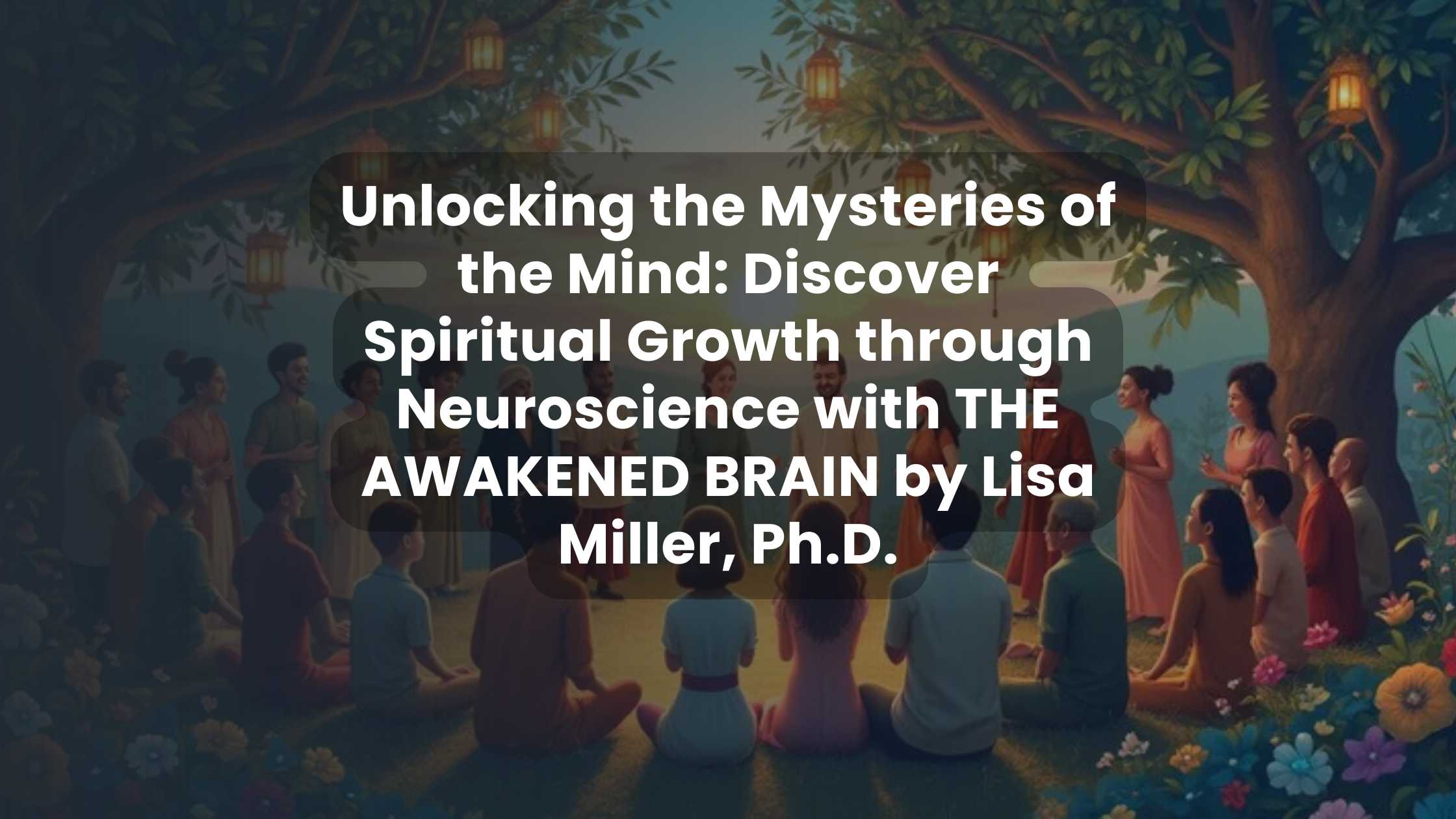
Unlocking the Mysteries of the Mind: Discover Spiritual Growth through Neuroscience with THE AWAKENED BRAIN by Lisa Miller, Ph.D.

In a world where science and spirituality often seem at odds, the groundbreaking work of Dr. Lisa Miller in “The Awakened Brain” invites us to bridge this divide. Imagine a journey that not only explores the depths of the human mind but also illuminates the profound ways spirituality can shape our mental health and emotional well-being. Recent advances in neuroscience reveal that our spiritual experiences are intricately linked to specific neural pathways, suggesting that the practices we often associate with the soul—mindfulness, meditation, prayer—are also deeply rooted in the biology of our brains.
As we dive deeper into the research, it becomes clear that spirituality is not merely a lofty concept but a practical tool for enhancing our mental health. Evidence shows that those who engage in spiritual practices often report lower levels of anxiety and depression, discovering a sense of purpose and community that acts as a balm for isolation. The transformative power of awe—whether born from a majestic sunset or meaningful human connection—activates brain regions that foster emotional regulation, leading to personal growth and richer life experiences.
Moreover, the complex interplay of genetics and environment shapes our unique spiritual journeys, highlighting the individuality of our quests for meaning. In “The Awakened Brain,” Dr. Miller equips us with practical strategies to cultivate spiritual awareness and resilience, from mindfulness meditation to gratitude journaling, all aimed at enhancing our connection to ourselves and others.
As we stand on the brink of a new understanding of spirituality’s role in mental health, the potential for future innovations in holistic treatment beckons. This exploration promises not only to enrich our lives but also to revolutionize how we view the mind-body-spirit connection. Join us on this enlightening journey into the mysteries of the mind, where the wisdom of spirituality meets the rigors of neuroscience, paving the way for a more integrated and fulfilling existence.
Unlocking the Neural Pathways to Spirituality: A Scientific Exploration
Recent neuroscience research has begun to unravel the intricate relationship between spirituality and our brain’s neural pathways. Spirituality is not merely an abstract concept; it is deeply rooted in the architecture of our brains. Engaging in practices such as mindfulness, meditation, or prayer has been shown to activate specific areas of the brain, particularly the prefrontal cortex and parietal lobes. These regions play critical roles in emotional regulation and our sense of connection to the world around us. For instance, studies have demonstrated that regular meditation can increase gray matter density in these areas, suggesting a biological basis for the emotional benefits often associated with spiritual practices.
The impact of spirituality on mental health is another compelling aspect of this scientific exploration. Research indicates that individuals who incorporate spiritual elements into their lives report lower levels of anxiety and depression. This connection is not purely anecdotal; it is supported by quantitative studies showing that spiritual practices contribute to a greater sense of purpose and belonging, which are vital components of mental well-being. In fact, a survey revealed that nearly 60% of participants who engaged in regular spiritual practices felt a significant reduction in feelings of isolation, highlighting spirituality’s role as a powerful antidote to loneliness and despair.
Experiences of awe and transcendence are also pivotal in understanding the transformative power of spirituality. Whether derived from breathtaking natural landscapes or profound human connections, moments of awe elevate mood and enhance creativity. Neuroscientific studies indicate that these experiences activate brain regions associated with emotional regulation, leading to personal growth and improved mental health. For example, individuals who spend time in nature report feeling a heightened sense of interconnectedness, which not only boosts their mood but can also inspire them to engage more deeply with their spiritual journeys.
Moreover, the interplay of genetics and environment significantly shapes individual spiritual experiences. Genetic variations can influence personality traits, such as openness to experience, which may predispose some individuals to pursue spiritual engagements more than others. Additionally, one’s upbringing and social support systems play crucial roles in molding these experiences, underscoring the uniqueness of each person’s spiritual path. This combination of biological and environmental factors illustrates that spirituality is not a one-size-fits-all endeavor; rather, it is a deeply personal journey influenced by a myriad of factors.
To cultivate spiritual awareness and resilience, individuals can adopt practical strategies that enhance their connection to spirituality. Mindfulness meditation, even when practiced for just a few minutes daily, can significantly reduce stress and improve emotional awareness. Gratitude journaling, which involves noting three things one appreciates each day, fosters a positive outlook and strengthens emotional bonds. Engaging with nature is another profound way to inspire deeper reflections and evoke feelings of awe, while community involvement—whether through spiritual groups or volunteering—provides essential social support and a sense of belonging. Continuous learning about spirituality and neuroscience can further enrich personal growth, allowing individuals to explore the depths of their spiritual lives.
The power of community and connection cannot be overlooked in the exploration of spirituality. Engaging with others who share similar beliefs creates a nurturing environment conducive to growth. This shared journey can take place in various forms, from local spiritual groups to online forums, where individuals can exchange experiences and offer mutual support. Such interactions not only reinforce spiritual beliefs but also enhance the overall spiritual journey, making it a collective rather than an isolated experience.
Looking to the future, ongoing research continues to illuminate the connections between spirituality and mental health, suggesting transformative possibilities. The integration of spiritual practices into clinical settings could pave the way for holistic treatments that address both mind and spirit. This promising approach may lead to innovative solutions for mental health challenges, encouraging a more comprehensive understanding of well-being that encompasses both psychological and spiritual dimensions. As the field of neuroscience unfolds its findings, it holds the potential to enrich our understanding of spirituality and its profound impact on human experience.
How Spiritual Practices Enhance Mental Health: Insights from Neuroscience
Recent neuroscience research has uncovered fascinating insights into how spirituality is intricately linked to specific neural pathways in the brain. Engaging in spiritual practices such as mindfulness, meditation, or prayer activates critical areas like the prefrontal cortex and parietal lobes. These regions play vital roles in emotional regulation and our sense of connection to the world around us. For instance, studies have shown that individuals who regularly practice meditation demonstrate enhanced cognitive flexibility and emotional resilience, contributing to better mental health outcomes. This neural activation not only fosters a deeper understanding of oneself but also reinforces our interconnectedness with others, creating a foundation for improved emotional well-being.
The impact of spirituality on mental health is increasingly supported by empirical evidence. Research indicates that individuals who incorporate spiritual practices into their daily lives often experience significant reductions in anxiety and depression. These practices provide not only a sense of purpose but also a feeling of belonging to a community, which can serve as a powerful remedy for feelings of isolation. For example, a study published in the Journal of Happiness Studies found that participants who engaged in spiritual activities reported a 30 percent decrease in depressive symptoms over a six-month period. This underscores the potential of spirituality as a vital component of holistic mental health care.
Experiences of awe and transcendence, often found in spiritual contexts, can lead to transformative emotional states that enhance mental health. Engaging with nature or forming deep human connections can elevate one’s mood and inspire creativity. Neuroscience has shown that feelings of awe activate brain regions associated with emotional regulation, leading to profound personal growth. In one study, participants who recorded awe-inspiring moments in their lives reported increased feelings of happiness and life satisfaction. This suggests that infusing daily life with opportunities for awe can be a simple yet powerful strategy to improve mental wellness.
The interplay between genetics and environment further shapes individual spiritual experiences. Genetic variations can influence personality traits, such as openness to experience, which may determine how one engages with spirituality. Additionally, one’s upbringing and social surroundings play crucial roles in shaping spiritual beliefs and practices. This unique combination of factors highlights the diversity of spiritual journeys individuals undertake, leading to personalized experiences that enhance mental health in varied ways. Understanding these influences can help individuals tailor their spiritual practices to better suit their needs and foster resilience.
Practical strategies for cultivating spiritual awareness can significantly enhance mental health and resilience. Mindfulness meditation, for instance, can be introduced gradually, starting with just a few minutes each day to reduce stress and increase self-awareness. Maintaining a gratitude journal by jotting down three things one appreciates daily can foster a positive mindset. Similarly, engaging with nature, whether through walks in the park or hikes in the mountains, can evoke feelings of awe and inspire deeper reflections. Community involvement, such as joining a spiritual group or volunteering, can provide essential support and a sense of belonging, further enhancing one’s spiritual journey.
Finally, the power of community and connection cannot be overstated. Engaging with others who share similar spiritual beliefs fosters a nurturing environment conducive to personal growth. Local groups or online forums can offer invaluable support and camaraderie, which boosts mental health and reinforces spiritual practices. As individuals navigate their spiritual journeys, the presence of a supportive community can amplify the benefits of their practices, encouraging deeper exploration and understanding.
Ongoing research continues to shed light on the connection between spirituality and mental health, promising innovative solutions to mental health challenges. As the field evolves, the integration of spiritual practices into clinical settings could pave the way for holistic treatments that consider both mind and spirit. By recognizing the profound influence of spirituality on mental well-being, healthcare providers may soon develop more comprehensive approaches that address the multifaceted nature of mental health issues.
The Transformative Power of Awe: Elevating Your Spiritual Experience
Awe is a profound emotional experience that transcends the ordinary, inviting individuals to connect with something greater than themselves. This feeling can be triggered by various stimuli, such as breathtaking landscapes, extraordinary art, or deep connections with others. Research shows that these moments of awe not only elevate mood but also activate specific areas in the brain, including the prefrontal cortex and parietal lobes. These regions are crucial for emotional regulation and for fostering a sense of interconnectedness with the world around us. Engaging with awe can thus serve as a gateway to enhancing our spiritual experiences, grounding us in the present moment while simultaneously expanding our awareness.
The transformative power of awe extends beyond mere emotional elevation; it plays a significant role in improving mental health. Studies have demonstrated that individuals who actively engage in awe-inspiring activities tend to report lower levels of anxiety and depression. These experiences often provide a renewed sense of purpose and belonging, functioning as a remedy for feelings of isolation. For instance, individuals who spend time in nature or engage in community-based spiritual practices often find themselves more resilient in the face of life’s challenges, as the shared experience of awe can foster stronger social bonds and a supportive network.
Furthermore, the experience of awe facilitates personal growth by inducing transcendence. When individuals are moved by something larger than themselves, they often find creativity and inspiration flowing more freely. This transformative experience can lead to significant shifts in perspective, encouraging people to reevaluate their lives and priorities. Neuroscientific research supports this, indicating that awe activates brain regions associated with emotional regulation, promoting a more harmonious state of mind. By embracing these moments of awe, individuals can embark on a journey of self-discovery and spiritual awakening that enriches their lives.
The influence of genetics and environment on spiritual experiences adds another layer to the transformative power of awe. Genetic predispositions can shape personality traits that either facilitate or hinder spiritual engagement, while environmental factors, such as upbringing and social support, help define the unique spiritual journeys of individuals. This interplay highlights the importance of nurturing environments, as they can amplify the impact of awe on personal and collective spiritual experiences. By understanding these factors, individuals can cultivate their spiritual awareness more effectively, leading to deeper connections with themselves and others.
To harness the transformative power of awe, practical strategies can be employed to enhance spiritual awareness and resilience. Mindfulness meditation, for example, encourages individuals to immerse themselves fully in the present, making them more receptive to awe-inspiring moments. Gratitude journaling can also help shift focus to positive experiences, inviting more opportunities for awe into daily life. Engaging with nature, whether through hikes or simple walks in the park, allows individuals to encounter awe firsthand, while community involvement fosters a sense of belonging and shared spiritual exploration. Continuous learning about spirituality and neuroscience can further enrich this journey, providing valuable insights into the profound connections between mind, body, and spirit.
As we delve deeper into the intersection of spirituality and neuroscience, it becomes clear that fostering community and connection is vital for spiritual growth. Engaging with others who share similar beliefs creates a supportive environment where individuals can explore their spiritual experiences more openly. Local spiritual groups or online forums can serve as platforms for shared learning and encouragement, helping individuals navigate their unique spiritual journeys. This sense of community not only enhances personal growth but also reinforces the understanding that spirituality is a shared human experience, enriched by diverse perspectives and connections. The ongoing research in this field promises to reveal even more about how these connections can lead to holistic approaches for mental health and overall well-being.
Genetics and Environment: The Dual Influences on Spiritual Growth
Genetics and environment intertwine to shape the complex landscape of spiritual growth, influencing how individuals connect with their sense of purpose and the world around them. Research indicates that genetic variations can predispose individuals to certain personality traits, such as openness or conscientiousness, which can significantly affect their spiritual engagement. For instance, individuals with a genetic inclination towards openness may be more receptive to spiritual experiences and practices, while those with a natural predisposition towards introversion might find solace in solitary reflection or meditation. This genetic framework is further enriched by environmental factors, including one’s upbringing, cultural background, and social support systems, which collectively mold one’s spiritual journey into a unique tapestry of beliefs and practices.
The neural basis of spirituality reveals how specific brain regions are activated during spiritual practices, enhancing emotional regulation and fostering deeper connections. Neuroscientific studies show that activities such as mindfulness, meditation, or prayer stimulate areas like the prefrontal cortex and parietal lobes, leading to improved mental health outcomes. One notable finding is that individuals who engage in regular spiritual practices report lower levels of anxiety and depression, underscoring the therapeutic potential of spirituality. This is particularly evident in community settings, where shared beliefs and practices create a supportive environment that combats feelings of isolation and enhances the overall sense of belonging.
Experiencing awe and transcendence is another vital aspect of spiritual growth, as these transformative moments can elevate mood and inspire creativity. Whether triggered by the majesty of nature or profound human connections, feelings of awe activate brain regions associated with emotional regulation, promoting significant personal growth. For example, spending time in natural settings has been shown to increase feelings of wonder, leading individuals to reflect on their place in the universe and fostering a deeper understanding of their spiritual selves. This emotional elevation not only contributes to individual resilience but also encourages community bonding, as shared awe-inspiring experiences can strengthen social ties and collective spiritual practices.
Incorporating practical strategies into daily life can further enhance spiritual awareness and resilience. Mindfulness meditation, for instance, offers a structured approach to reducing stress and increasing present-moment awareness, paving the way for deeper spiritual insights. Similarly, gratitude journaling encourages individuals to reflect on positive aspects of their lives, fostering a mindset that is open to spiritual growth. Engaging with nature and participating in community activities, such as joining a spiritual group or volunteering, not only nurtures personal development but also cultivates a sense of belonging that is crucial for spiritual flourishing. By actively seeking out these experiences, individuals can create a rich environment that supports their spiritual journey while embracing the dual influences of genetics and environment.
Practical Strategies for Enhancing Spiritual Awareness and Resilience
Practical strategies for enhancing spiritual awareness and resilience can lead to profound personal growth and emotional well-being. One effective approach is mindfulness meditation, which encourages individuals to cultivate present-moment awareness. Research has shown that even a few minutes of daily mindfulness practice can significantly reduce stress levels, allowing for greater emotional regulation. This aligns with neuroscience findings that suggest engaging in mindfulness activates regions of the brain, such as the prefrontal cortex, which are linked to emotional processing and self-awareness. By carving out time for meditation, individuals can begin a transformative journey toward deeper spiritual awareness.
Incorporating gratitude journaling into daily routines offers another powerful strategy for enhancing spiritual resilience. By consciously reflecting on three things one appreciates each day, individuals can foster a positive mindset that counters feelings of anxiety and depression. Studies have indicated that gratitude can create a sense of purpose and community, essential elements for mental health. This practice not only shifts focus from negativity to positivity but also strengthens neural pathways associated with emotional well-being, making it easier to navigate life’s challenges with resilience.
Connecting with nature provides a unique opportunity to evoke feelings of awe, which can be transformative for spiritual growth. Engaging with the natural world—whether through hiking, gardening, or simply spending time outdoors—can elevate mood and inspire deeper reflections. Neuroscience supports this notion, revealing that experiences of awe activate brain regions tied to emotional regulation. This connection to nature not only enhances feelings of joy but also fosters a greater appreciation for life, reinforcing one’s spiritual journey.
Community involvement enhances spiritual awareness and resilience by fostering a sense of belonging. Joining local spiritual groups or participating in volunteer work allows individuals to connect with like-minded individuals, creating a supportive network that encourages growth. The impact of social support on spiritual practices can be profound; individuals often report feeling less isolated and more empowered when surrounded by a nurturing community. This shared experience not only reinforces personal beliefs but also provides a platform for exploration and learning, further enriching one’s spiritual path.
Lastly, continuous learning about spirituality and neuroscience can deepen understanding and promote personal growth. Engaging with literature and research on the intersection of these fields not only broadens perspectives but also reinforces the idea that spirituality is a unique journey shaped by both genetics and environment. By embracing the complexities of their spiritual experiences, individuals can cultivate a more resilient mindset, ultimately leading to enhanced mental health. This exploration encourages an ongoing dialogue between mind and spirit, essential for navigating the intricacies of modern life.
Building Community: The Importance of Connection in Spiritual Development
Building a sense of community is fundamental to spiritual development, as connection with others fosters a supportive environment where individuals can explore their beliefs and experiences. Engaging in shared spiritual practices, such as group meditation or prayer circles, not only enhances personal growth but also strengthens the bonds among participants. Research indicates that individuals who are part of a spiritual community often report lower levels of anxiety and depression, highlighting the role of social support in mental health. For example, a study showed that participants involved in faith-based groups exhibited a significant decrease in symptoms of depression, suggesting that the collective energy and encouragement found in these spaces can act as a powerful antidote to feelings of isolation.
The neural basis of spirituality further underscores the importance of connection. Neuroscience reveals that engaging in communal spiritual activities activates specific areas of the brain associated with emotional regulation, such as the prefrontal cortex and parietal lobes. This activation not only enhances individual well-being but also cultivates a shared sense of purpose within the group. When individuals come together to share their spiritual journeys, the resulting sense of awe and transcendence can elevate mood and inspire creativity, leading to transformative experiences that promote personal growth. The interplay between individual neural pathways and collective spiritual engagement exemplifies how connection can amplify the effects of spiritual practices, creating a ripple effect that benefits the entire community.
Moreover, the role of genetics and environment cannot be overlooked in shaping spiritual experiences. While genetic predispositions may influence personality traits that affect one’s spiritual engagement, the environment—particularly the presence of a supportive community—can nurture these traits, allowing individuals to explore their spirituality more freely. For instance, those raised in nurturing spiritual environments often find it easier to connect with others and develop deeper spiritual insights. By fostering a community that encourages exploration and dialogue, individuals can navigate their unique spiritual paths with greater confidence and resilience.
To cultivate this sense of community, practical strategies can be employed. Joining a local spiritual group or participating in online forums provides opportunities for connection and support, while engaging in mindfulness practices can deepen individual awareness and facilitate meaningful interactions with others. Gratitude journaling and spending time in nature further enhance one’s connection to both self and community, fostering a shared appreciation for the beauty and complexity of life. By embracing these strategies, individuals not only enrich their own spiritual journeys but also contribute to the collective strength of their communities, reinforcing the idea that spirituality thrives in connection.
The Future of Spirituality in Neuroscience: Bridging Mind and Spirit
Recent advancements in neuroscience have shed light on the intricate relationship between spirituality and the brain, revealing that spirituality is not merely an abstract concept but is deeply rooted in our neural pathways. Engaging in practices such as mindfulness, meditation, or prayer activates specific brain regions like the prefrontal cortex and parietal lobes. These areas are associated with emotional regulation and self-awareness, suggesting that spiritual practices can enhance our emotional well-being and foster a greater connection to the world around us. For instance, a study published in the journal “Psychological Science” found that individuals who regularly practiced mindfulness reported higher levels of life satisfaction and emotional resilience, underscoring the profound impact of spirituality on mental health.
Moreover, the integration of spirituality into mental health care has shown promising results, particularly in reducing anxiety and depression. Research indicates that individuals who incorporate spiritual practices into their lives often experience a heightened sense of purpose and belonging, which serves as a powerful antidote to feelings of isolation. Community involvement, whether through spiritual groups or volunteering, has been linked to improved mental health outcomes. A survey conducted by the Pew Research Center revealed that individuals who engage in communal spiritual activities report lower levels of stress and a greater sense of fulfillment, emphasizing the therapeutic potential of connecting with others on a spiritual level.
Experiences of awe and transcendence also illustrate the transformative potential of spirituality. Engaging with nature or participating in profound human interactions can elevate mood and foster creativity, activating brain regions responsible for emotional regulation. Research has shown that these awe-inspiring moments can lead to significant personal growth, enhancing overall mental well-being. A study published in the journal “Emotion” found that people who frequently experience awe report greater life satisfaction and increased feelings of connectedness, highlighting the importance of such experiences in cultivating a rich spiritual life.
Furthermore, the interplay of genetics and environment plays a critical role in shaping individual spiritual experiences. Genetic variations can influence personality traits that predispose individuals to spiritual engagement, while upbringing and social context can significantly shape how spirituality is expressed and understood. This complexity underscores the uniqueness of each person’s spiritual journey, suggesting that both innate predispositions and external influences contribute to the way we connect with the spiritual dimension of life.
To cultivate spiritual awareness and resilience, practical strategies can be employed. Mindfulness meditation, for instance, can be practiced for just a few minutes daily to reduce stress and enhance self-awareness. Keeping a gratitude journal, where one notes three things they appreciate each day, fosters a positive mindset and deepens spiritual reflection. Spending time in nature not only evokes feelings of awe but also inspires deeper contemplation, allowing individuals to connect with something greater than themselves. Additionally, joining a spiritual community or engaging in volunteer work creates a sense of belonging and support, which is vital for nurturing spiritual growth. Continuous learning about the intersection of spirituality and neuroscience also empowers individuals to embark on a journey of personal development and understanding.
As ongoing research continues to illuminate the connection between spirituality and mental health, the future of spirituality in neuroscience holds exciting possibilities. Integrating spiritual practices into clinical settings could lead to more holistic treatment approaches that address both mind and spirit, potentially transforming the landscape of mental health care. With innovative solutions on the horizon, the merging of spirituality and neuroscience invites individuals to explore the profound impact that spiritual practices can have on overall well-being.
Embracing Spiritual Growth: Practical Steps for a Transformative Journey
Embracing spiritual growth involves a multifaceted approach that encourages individuals to explore their inner selves while fostering connections with the world around them. Recent neuroscience research has illuminated the neural underpinnings of spirituality, indicating that practices such as mindfulness, meditation, and prayer activate key brain regions like the prefrontal cortex and parietal lobes. These areas are crucial for emotional regulation and enhancing our sense of connection, thereby facilitating a deeper understanding of ourselves and our relationships with others. For example, studies reveal that individuals engaging in consistent mindfulness practices report not only greater emotional stability but also a heightened sense of purpose, which can significantly improve overall quality of life.
Moreover, the impact of spirituality on mental health cannot be understated. Evidence suggests that integrating spiritual practices into daily routines leads to lower levels of anxiety and depression. This is particularly relevant in today’s fast-paced society, where feelings of isolation are rampant. Spirituality often provides a sense of community and belonging, acting as a powerful antidote to loneliness. By participating in group activities or spiritual discussions, individuals can find support and encouragement, which can be transformative in their personal journeys. For instance, those who regularly attend spiritual gatherings often report feeling more connected and optimistic about their lives.
Experiences of awe and transcendence also play pivotal roles in spiritual growth. Engaging with nature or forming profound human connections can elevate one’s mood and inspire creativity. Neuroscientific studies show that such transformative experiences activate brain regions associated with emotional well-being, enabling personal growth and resilience. For instance, spending time in nature has been linked to increased feelings of awe, which not only uplifts the spirit but also encourages deeper reflections on life’s purpose and meaning. This connection to a larger reality can significantly enhance one’s mental health.
Understanding the role of genetics and environment further highlights the uniqueness of each individual’s spiritual journey. Genetic predispositions can influence personality traits that either facilitate or hinder spiritual engagement, while one’s upbringing and social environment shape how these experiences manifest. This interplay emphasizes the importance of personal context in the spiritual growth process. For example, individuals raised in supportive, spiritually-aware families are often more likely to embrace and explore their spirituality compared to those who are not exposed to such environments.
To cultivate spiritual awareness and resilience, practical strategies can be incorporated into daily life. Mindfulness meditation, even in short durations, can effectively reduce stress and foster self-awareness. Keeping a gratitude journal, where one notes three things to appreciate each day, can cultivate a positive mindset that enhances overall well-being. Additionally, engaging with nature and participating in community activities can provide a sense of belonging and support, essential components for spiritual enrichment. Continuous learning about spirituality and neuroscience can further empower individuals to deepen their understanding and practice.
The power of community in spiritual growth cannot be underestimated. Engaging with others who share similar beliefs fosters an environment conducive to exploration and support. Whether through local groups or online forums, these connections can significantly enhance one’s spiritual journey. As ongoing research continues to explore the relationship between spirituality and mental health, the potential for integrating spiritual practices into clinical settings becomes increasingly apparent. Such an approach promises innovative solutions to mental health challenges, paving the way for a future where mind and spirit are nurtured in tandem.
Conclusion
In conclusion, “Unlocking the Mysteries of the Mind: Discover Spiritual Growth through Neuroscience with THE AWAKENED BRAIN” by Lisa Miller, Ph.D., offers a profound exploration of the intricate relationship between spirituality and neuroscience. As we delve into the neural foundations of our spiritual experiences, we uncover not just the biological underpinnings of our beliefs, but also the ways in which these practices can be harnessed for improved mental health and overall well-being.
The evidence is compelling: spiritual practices such as mindfulness, meditation, and community engagement activate critical brain regions that foster emotional regulation and resilience. Moreover, the transformative power of awe and transcendence can elevate our mood and ignite creativity, paving the way for personal growth. Understanding the interplay of genetics and environment further highlights the unique paths we each traverse in our spiritual journeys, emphasizing the importance of individual experiences and connections.
As we look to the future, the potential for integrating spirituality into mental health treatment presents exciting opportunities for holistic healing. By embracing practical strategies like mindfulness meditation, gratitude journaling, and active community involvement, we can cultivate a deeper sense of spiritual awareness and resilience in our lives.
Ultimately, the journey toward spiritual growth is not just about individual enlightenment; it is about fostering a community of support and shared beliefs. As we learn from the insights of neuroscience, we can approach our spiritual paths with intention and curiosity, unlocking the mysteries of our minds and enriching our lives in the process. Let us embark on this transformative journey together, guided by the wisdom of “THE AWAKENED BRAIN.”
FAQ
FAQ Section for “Unlocking the Mysteries of the Mind: Discover Spiritual Growth through Neuroscience with THE AWAKENED BRAIN by Lisa Miller, Ph.D.”
What is the main premise of “The Awakened Brain”?
“The Awakened Brain” explores the profound relationship between spirituality and neuroscience, illustrating how spiritual practices can enhance mental health and personal growth. Dr. Lisa Miller presents research that highlights the neural pathways associated with spirituality and demonstrates how engaging in spiritual practices can lead to improved emotional regulation and connection with the world.
How does neuroscience explain spirituality?
Recent studies in neuroscience reveal that spirituality is linked to specific neural pathways in the brain. Practices such as mindfulness, meditation, and prayer activate key areas like the prefrontal cortex and parietal lobes. These activations are associated with enhanced emotional regulation, which can lead to a deeper sense of connection to oneself and others.
Can spirituality really impact mental health?
Yes, evidence from neuroscience suggests that integrating spirituality into one’s life can significantly improve mental health. Many individuals report lower levels of anxiety and depression when they engage in spiritual practices. These practices often foster a sense of purpose and community, serving as a powerful antidote to feelings of isolation.
What role do awe and transcendence play in spiritual experiences?
Experiencing awe, whether through nature or deep human connections, can elevate mood and boost creativity. Neuroscience shows that such transformative experiences activate brain regions involved in emotional regulation, ultimately leading to significant personal growth and improved mental health.
How do genetics and environment influence spiritual experiences?
Both genetics and environment shape individual spiritual experiences. Genetic variations can affect personality traits that predispose individuals to engage in certain spiritual practices. Meanwhile, one’s upbringing and social support systems play critical roles in how spirituality is expressed and experienced, highlighting the uniqueness of each person’s spiritual journey.
What are some practical strategies for cultivating spiritual awareness?
Several practical strategies can help enhance spiritual awareness and resilience. These include practicing mindfulness meditation daily, maintaining a gratitude journal, spending time in nature, engaging with community groups, and continuously learning about spirituality and neuroscience. Each of these practices can contribute to personal growth and emotional well-being.
Why is community important in spiritual growth?
Engaging with others who share similar spiritual beliefs fosters a nurturing environment that supports personal growth. Being part of a spiritual community can provide a sense of belonging, encouragement, and shared experiences, which are essential for deepening one’s spiritual journey.
What does the future hold for the relationship between spirituality and neuroscience?
Ongoing research is continually illuminating the connection between spirituality and mental health. As our understanding deepens, there may be greater integration of spiritual practices into clinical settings. This could lead to holistic treatment approaches that address both the mind and spirit, offering innovative solutions to contemporary mental health challenges.
In conclusion, “The Awakened Brain” by Dr. Lisa Miller provides valuable insights into how spiritual practices can enhance mental health and resilience. By incorporating mindfulness, gratitude, and community involvement into daily life, individuals can embark on a transformative journey toward a more spiritually enriched existence, supported by the findings of neuroscience.