Unlock Your Path to Bliss: Mastering the Secrets of Daily Joy with Happier by Tal Ben-Shahar

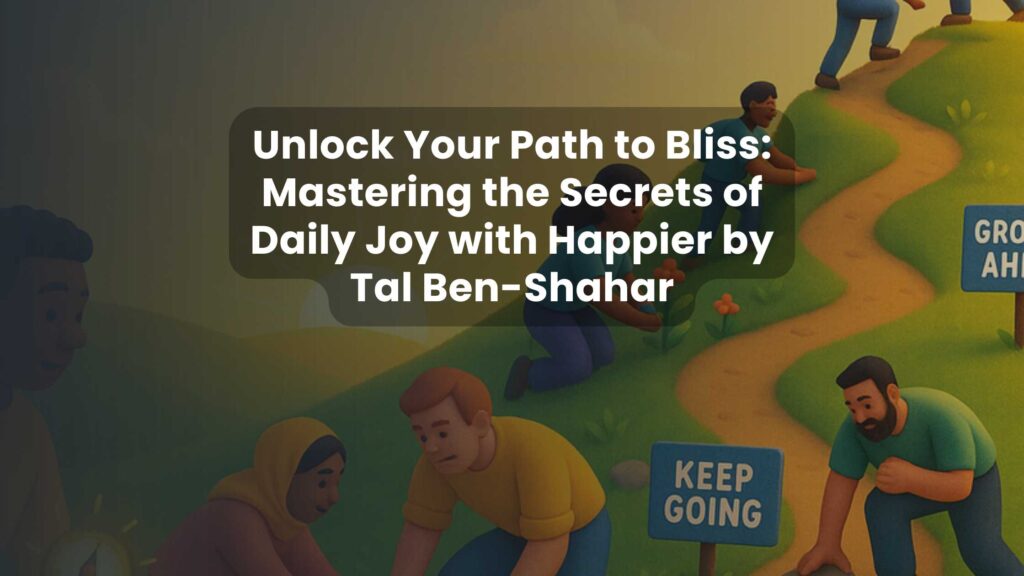
What truly makes us happy? Is it the accumulation of material possessions, or is there something more profound that fuels our sense of joy and fulfillment? Dive into the wisdom of Tal Ben-Shahar’s The Happiness Formula, where the secrets to lasting happiness are revealed through the harmonious blend of purpose, pleasure, and engagement. This transformative approach goes beyond fleeting moments of delight, inviting you to discover a life enriched by meaningful direction, savoring simple joys, and immersing yourself fully in the present. By embracing these principles, you can unlock a path to daily joy that sustains you through challenges and setbacks, turning each experience into an opportunity for growth and deeper satisfaction. Let this journey inspire you to cultivate resilience, harness your strengths, and step into a future where happiness is not just a fleeting feeling but a way of living.
Understanding Tal Ben-Shahar’s Happiness Formula Explained
Tal Ben-Shahar’s happiness formula offers a refreshing, science-backed approach to understanding what truly brings joy and contentment. At its core, the formula breaks happiness into three essential components: purpose, pleasure, and engagement. Purpose acts as the guiding light, providing meaning to daily actions and long-term goals. Without purpose, even moments of pleasure can feel empty or fleeting. For instance, someone who volunteers regularly often reports deeper satisfaction because their actions align with personal values, illustrating how purpose fuels lasting happiness beyond transient pleasures.
Pleasure, the second part of the formula, involves savoring simple, everyday joys that enhance our well-being. These pleasures can be as basic as enjoying a favorite meal or the warmth of sunlight on a spring afternoon. When pleasure is experienced in harmony with purpose, it becomes more sustainable, preventing the burnout that sometimes follows chasing fleeting thrills. For example, taking mindful breaks during work to appreciate small comforts can boost mood and productivity, showing how pleasure supports a joyful living.
Engagement, the third element, captures the magic of being fully absorbed in activities that challenge and inspire us. This state of flow connects the purposeful with the pleasurable, transforming routine tasks into meaningful experiences. A musician practicing an instrument, fully immersed in the moment, exemplifies engagement in action. This deep focus not only enhances skill but also fosters a profound sense of fulfillment, reinforcing happiness through active participation rather than passive consumption.
Applying the happiness formula involves practical steps anyone can take to integrate these three elements into daily life. Start by identifying what gives your life meaning—whether it’s a career goal, nurturing relationships, or contributing to a cause. Next, intentionally incorporate pleasurable activities that complement your purpose, such as reading a book related to your passions or sharing a meal with loved ones. Finally, cultivate moments of engagement by focusing attention on tasks that challenge and excite you. For example, setting aside time to learn a new skill or hobby can create flow experiences that enrich your overall happiness.
Challenges and setbacks are inevitable, yet the happiness formula encourages resilience as a vital tool for maintaining joy. Instead of viewing obstacles as roadblocks, seeing them as growth opportunities can shift your mindset toward positivity and learning. Studies show that individuals who develop adaptability bounce back stronger, using adversity to deepen their sense of purpose and engagement. Practicing gratitude and mindfulness in tough times further supports emotional well-being, helping maintain balance and perspective.
Incorporating positive psychology principles closely complements Ben-Shahar’s formula by emphasizing strengths and growth. Focusing on what you excel at rather than dwelling on weaknesses builds confidence and motivation. Embracing a growth mindset allows you to approach challenges with curiosity rather than fear, turning setbacks into valuable lessons. Daily habits like gratitude journaling, mindful breathing, or fostering positive relationships create a supportive environment for happiness to flourish, making these approaches practical and accessible.
Failure, often seen as a negative end, becomes a powerful catalyst for growth when viewed through this framework. Many successful people attribute their achievements to learning from failures, which opened new paths and fueled creativity. By reframing setbacks as stepping stones, you can develop resilience and refine your goals, enhancing both personal and professional development. For example, entrepreneurs often iterate their ideas based on early failures, ultimately leading to breakthroughs that align closely with their purpose and passions.
Together, these insights invite you to explore the happiness formula as a dynamic, practical guide for joyful living. By balancing purpose, pleasure, and engagement, and embracing resilience and positive psychology, you create a foundation for sustainable well-being. This approach empowers you to transform everyday experiences into meaningful moments, crafting a life infused with joy, growth, and fulfillment.
How Purpose Fuels Lasting Happiness and Fulfillment
Purpose acts as a powerful driving force that fuels lasting happiness and fulfillment by providing a clear sense of direction in life. When individuals align their actions with deeply held values and goals, purpose becomes more than just a concept—it turns into a guiding light that motivates daily choices. For example, someone dedicated to environmental conservation finds joy not only in personal success but also in contributing to a greater cause. This connection surpasses fleeting pleasures, creating a stable foundation for well-being that persists even during challenging times. Research shows that people with a strong sense of purpose report higher life satisfaction and better mental health, demonstrating how purpose anchors happiness beyond momentary gains.
Integrating purpose with pleasurable experiences enhances overall joy, making happiness sustainable rather than temporary. Pleasure often arises from simple moments like enjoying a meal or spending time with loved ones, but when these are linked to meaningful goals, they contribute to a richer life. Consider an artist who finds delight in creating paintings and sharing them with others, blending pleasure with purpose. This synergy transforms everyday activities into fulfilling experiences that feed both the heart and mind. By savoring these moments mindfully, individuals can deepen their engagement with life, making happiness a natural outcome of purposeful living.
Engagement, or the state of flow, emerges when people immerse themselves fully in activities aligned with their purpose and passions. During flow, individuals lose track of time and experience heightened focus and satisfaction, which reinforces their sense of accomplishment. For instance, a teacher passionate about educating can become so absorbed in lesson planning or interacting with students that work feels rewarding rather than burdensome. This deep involvement bridges the gap between purpose and pleasure, enriching life with meaningful experiences that cultivate long-term fulfillment. Regularly seeking flow states can improve motivation and resilience, essential components of lasting happiness.
To apply the happiness formula effectively, start by identifying activities that resonate with your core values and bring genuine satisfaction. Create a list of pursuits that align with your purpose and incorporate moments of pleasure within them. Practicing mindfulness during these activities helps deepen your connection to the present, enhancing engagement. Simple steps such as setting aside time for hobbies, volunteering, or nurturing relationships can support this process. Consistency is key—small, deliberate actions build momentum toward a joyful and purposeful life. Tracking progress through journaling or reflection can keep motivation high and clarify the path forward.
Challenges and setbacks are inevitable, but embracing resilience allows purpose to continue fueling happiness even during difficult times. Viewing obstacles as opportunities for growth shifts the narrative from failure to learning, strengthening mental toughness. For example, an entrepreneur who faces business setbacks but adapts and innovates often finds deeper fulfillment in overcoming adversity. Building resilience involves cultivating a growth mindset, where problems are seen as chances to develop skills and character. Practical ways to enhance resilience include maintaining supportive relationships, practicing gratitude, and focusing on strengths. This approach ensures that purpose remains a steady source of happiness despite life’s ups and downs.
Savoring Pleasure: Simple Joys That Boost Well-Being
Savoring pleasure involves more than fleeting moments of enjoyment; it is about truly appreciating the simple joys that enrich daily life and boost well-being. When you focus on small, pleasurable experiences like the warmth of morning sunlight or the scent of fresh coffee, you tap into a powerful source of happiness. Research shows that consciously savoring positive moments can increase overall life satisfaction and reduce stress. For example, pausing to enjoy a favorite meal without distractions allows you to engage fully with the experience, enhancing your mood and creating lasting positive memories.
Integrating pleasure with a sense of purpose amplifies its impact on well-being. According to Tal Ben-Shahar’s happiness formula, pleasure aligned with purpose creates sustainable joy rather than temporary gratification. When your daily pleasures connect to your values—such as nurturing relationships or contributing to a cause—you build a deeper sense of fulfillment. For instance, volunteering at a community garden may bring simple physical pleasure and sunshine, but also supports a meaningful goal, enriching your emotional health. This combination fosters a balanced approach to happiness, where enjoyment complements personal growth.
Engagement plays a crucial role in savoring pleasure by helping you immerse fully in enjoyable activities. When you enter a state of flow—whether while painting, gardening, or playing music—time seems to disappear, and you experience intense focus and satisfaction. This deep involvement enhances the joy derived from simple pleasures by making them more memorable and impactful. Studies indicate that people who regularly engage in flow activities report higher levels of happiness and lower rates of anxiety. To cultivate this, try dedicating specific time blocks to hobbies that absorb your attention and bring you joy, free from distractions.
Practical steps can help you savor pleasure daily and boost well-being effectively. Start by slowing down and noticing sensory details in ordinary moments, such as the crispness of autumn air or the taste of a favorite fruit. Keep a gratitude journal to record these instances, which reinforces positive emotions and awareness. Additionally, practice mindful breathing or meditation to anchor yourself in the present, making pleasurable experiences more vivid. Prioritize quality time with loved ones, as social connections amplify enjoyment and contribute to long-term happiness. These small, consistent habits build resilience and foster a deeper appreciation for life’s simple joys.
Understanding the role of pleasure within the broader happiness formula empowers you to create a joyful life. By blending purpose, pleasure, and engagement, you transform everyday experiences into sources of well-being. Remember, it’s not about grand gestures but about nurturing an attitude that seeks out and cherishes small moments of delight. Embrace this approach with patience and openness, and watch how these simple joys gradually elevate your mood and overall quality of life.
Achieving Engagement: Finding Flow for Daily Contentment
Engagement is a cornerstone of daily contentment, often described as the experience of flow—a state where you become fully immersed in an activity, losing track of time and external distractions. Achieving this flow is more than just being busy; it’s about aligning your actions with your values and passions so that each moment feels meaningful. For example, an artist painting with deep focus or a teacher engrossed in lesson planning can experience flow by channeling their purpose and skill. This immersion not only enhances productivity but also fosters a profound sense of satisfaction and joy, which contributes significantly to overall happiness.
Finding flow requires intentional choices in how you spend your time. Rather than multitasking or drifting through the day, prioritize activities that match your strengths and interests while providing a moderate challenge. Research shows that people who regularly enter flow states report higher well-being and lower stress levels. Consider breaking your work into focused intervals, like the Pomodoro technique, where you dedicate 25 minutes to a single task with full attention. This structure encourages engagement and helps cultivate a rhythm that makes daily tasks more rewarding and less draining.
Integrating flow into everyday life also means balancing purpose with pleasure. According to Tal Ben-Shahar’s Happiness Formula, engagement acts as the bridge that connects these two elements—purpose gives direction, while pleasure adds enjoyment. For instance, someone passionate about environmental conservation might find flow in volunteering for local clean-up events, experiencing both the satisfaction of meaningful work and the simple joy of being outdoors. By identifying activities that naturally blend your goals with enjoyable moments, you create a sustainable path to contentment that feels authentic rather than forced.
To develop a habit of finding flow, begin by reflecting on what activities make you lose track of time. Keep a journal to track when you feel most engaged and energized throughout the day. Then, adjust your schedule to include more of these experiences, even in small doses. Practical steps include setting clear goals for each task, minimizing distractions like social media, and practicing mindfulness to stay present. This approach not only improves focus but also trains your mind to seek engagement actively, transforming routine moments into opportunities for joy and growth.
Ultimately, achieving engagement through flow is a dynamic process that fosters resilience and personal development. When challenges arise, viewing them as chances to learn rather than obstacles helps maintain your connection to purposeful activities. Stories of successful individuals often highlight how embracing setbacks fueled their creativity and deepened their engagement. By cultivating this mindset, you not only enhance your daily contentment but also build a foundation for long-term happiness enriched by meaningful experiences and continuous growth.
Practical Steps to Apply the Happiness Formula Today
The Happiness Formula, as articulated by Tal Ben-Shahar, offers a roadmap for individuals seeking lasting joy in their lives. To apply this formula practically, it’s essential to begin by understanding the three core components: purpose, pleasure, and engagement. Purpose acts as your guiding light, providing a sense of direction and meaning that transcends fleeting material gains. By identifying what truly matters to you—be it in your career, relationships, or personal projects—you create a foundation for happiness that remains resilient amid life’s challenges.
Next, integrating pleasure into your daily routine is crucial for fostering a joyful existence. This doesn’t mean indulging in excess; rather, it’s about savoring simple moments that bring you joy, such as enjoying a warm cup of coffee in the morning or watching the sun set. When these pleasurable experiences align with your sense of purpose, they become integral to your overall happiness. For example, if your purpose involves nurturing others, moments spent with loved ones can be both pleasurable and fulfilling, enhancing your emotional well-being.
Engagement, often described as the state of flow, is the final piece of the Happiness Formula. This is when you are so immersed in an activity that you lose track of time, whether it’s painting, writing, or participating in sports. To apply this in your life, seek out activities that challenge and excite you, pairing them with your sense of purpose. By doing so, even mundane tasks can transform into rewarding experiences that contribute to your happiness. Consider a scenario where a professional finds joy in mentoring others—this not only aligns with their career goals but also enriches their personal satisfaction.
While implementing the Happiness Formula, it’s important to acknowledge that challenges and setbacks are part of the journey. Resilience is key to navigating these obstacles, allowing you to view them as opportunities for growth rather than barriers to happiness. When faced with difficulties, reflect on your purpose, and use it as a compass to guide your decisions and actions. For instance, if a project at work doesn’t go as planned, instead of feeling defeated, evaluate what you can learn from the experience and how it aligns with your larger goals.
Additionally, positive psychology complements the Happiness Formula, focusing on your strengths rather than weaknesses. By identifying and harnessing your innate talents, you can enhance your sense of well-being and fulfillment. For example, if you excel in communication, seek opportunities to engage and connect with others, fostering relationships that contribute to your happiness. Incorporate practices like gratitude journaling and mindfulness into your daily routine to further solidify this positive mindset, making it a habitual part of your life.
Ultimately, applying the Happiness Formula is about taking small, consistent steps toward a more fulfilling life. Begin by identifying activities that resonate with your purpose, and consciously integrate pleasurable experiences into your routine. As you cultivate engagement and resilience, remember that every effort counts. Each day is an opportunity to enhance your happiness, turning challenges into avenues for personal development and growth. Embrace the process, and watch as these practical steps lead you toward a more joyful and meaningful existence.
Building Resilience: Overcoming Setbacks on Your Joy Journey
Building resilience is essential when facing setbacks on your journey to joy. Life is unpredictable, and challenges often arise when least expected. Instead of allowing these obstacles to derail your happiness, resilience empowers you to bounce back stronger. Think of resilience as a muscle that grows with use—each setback offers a chance to develop greater inner strength. For example, someone who loses a job might initially feel disheartened, but by focusing on new skills or opportunities, they can transform this setback into a fresh start. This ability to adapt and recover is a crucial part of sustaining joy in the long term.
Understanding the connection between resilience and the happiness formula deepens your ability to overcome difficulties. Purpose, pleasure, and engagement serve as anchors during tough times. When setbacks occur, reconnecting with your purpose can provide clarity and motivation. For instance, if your purpose involves helping others, volunteering after a personal loss may rekindle a sense of meaning. Similarly, savoring simple pleasures like a walk in nature or a favorite meal can restore balance and emotional well-being. Engagement, or being fully absorbed in an activity, offers an escape from negative thoughts and recharges your mental energy. Together, these elements create a foundation that supports emotional recovery and sustained happiness.
Building resilience also involves shifting your mindset toward growth. Viewing setbacks not as failures but as opportunities to learn encourages creativity and problem-solving. Studies show that individuals who adopt a growth mindset are more likely to persevere and achieve long-term success. For example, Thomas Edison famously regarded his many unsuccessful attempts as steps toward inventing the light bulb. By reframing adversity as a teacher rather than a threat, you cultivate flexibility and confidence. Practical steps to develop this mindset include keeping a journal to reflect on lessons learned or discussing challenges with a supportive community, which can provide perspective and encouragement.
Practical strategies can help you build resilience on your joy journey. Start by setting realistic goals that align with your values and purpose, breaking them into manageable steps to avoid feeling overwhelmed. Practice mindfulness to stay present and reduce stress, focusing on what you can control rather than dwelling on setbacks. Cultivating positive relationships also strengthens resilience; sharing your experiences with trusted friends or mentors can offer emotional support and new insights. Additionally, embracing gratitude through daily reflections helps shift attention from difficulties to the strengths and joys already present in your life. These actionable habits create a resilient mindset that turns challenges into growth opportunities, making your pursuit of happiness more sustainable and fulfilling.
Harnessing Positive Psychology to Elevate Mental Health
Harnessing positive psychology to elevate mental health involves focusing on what makes life worth living rather than just treating mental illness. This approach emphasizes the cultivation of strengths, positive emotions, and meaningful connections, shifting the narrative from surviving to thriving. For instance, incorporating practices such as gratitude journaling or mindfulness can enhance well-being by rewiring the brain to notice and appreciate positive experiences more readily. Research shows that individuals who regularly engage in these activities report higher levels of happiness and lower levels of depression, highlighting how positive psychology provides practical tools for mental health improvement.
One key concept in this realm is The Happiness Formula, which breaks down joy into three essential components: purpose, pleasure, and engagement. Purpose acts as a guiding light, giving life direction and meaning, whether through work, hobbies, or relationships. Pleasure involves savoring simple joys, like a warm cup of coffee or a walk in nature, grounding happiness in everyday moments. Engagement refers to the state of flow, where full absorption in an activity creates deep satisfaction. Together, these elements form a powerful framework for building lasting happiness, as demonstrated by studies linking purposeful living and active engagement to reduced anxiety and improved mood.
Positive psychology also stresses the importance of a growth mindset, which transforms challenges into opportunities for learning and resilience. Instead of fearing failure, individuals are encouraged to see setbacks as stepping stones toward personal development. This mindset not only fosters adaptability but also enhances mental health by reducing the stigma around mistakes. For example, professionals who adopt this perspective often report higher job satisfaction and lower burnout rates, showing that resilience cultivated through positive psychology can be a buffer against stress.
Practical steps to harness positive psychology include identifying personal strengths and actively applying them in daily life. People who focus on what they do well experience greater confidence and motivation, which contributes to overall well-being. Additionally, building supportive relationships and practicing gratitude can create a positive feedback loop of joy and connection. Simple habits like writing down three things you are thankful for each day or setting aside time for meaningful social interactions can have a measurable impact on mental health, making these approaches accessible and effective.
Finally, embracing the lessons of failure and setbacks is central to harnessing positive psychology for mental health. Stories of successful individuals often reveal how early failures became catalysts for growth, creativity, and innovation. By reframing difficulties as opportunities, you develop resilience that not only helps you bounce back but also enriches your emotional life. Incorporating this perspective into daily routines encourages a balanced approach to happiness, blending purpose, pleasure, and engagement with the courage to face and learn from challenges.
Turning Failure Into Growth: Secrets to Sustainable Happiness
Failure often feels like a setback, but it can be a powerful catalyst for growth when approached with the right mindset. Instead of viewing failure as a dead end, consider it a stepping stone that reveals new directions and opportunities. For example, Thomas Edison’s thousands of unsuccessful attempts before inventing the light bulb highlight how persistence through failure sparks innovation. By reframing failure as a learning experience, you unlock potential for personal development and sustainable happiness that goes beyond momentary success.
Setbacks encourage creativity and problem-solving by pushing you to reassess your goals and strategies. When faced with obstacles, some of the most effective responses include breaking challenges into manageable parts, seeking feedback, and experimenting with alternative approaches. Studies show that individuals who treat setbacks as opportunities for growth tend to develop greater resilience and achieve longer-lasting fulfillment. This process of adaptation not only fuels progress but also deepens your engagement with life’s purpose, a key component of The Happiness Formula.
Resilience, built through overcoming difficulties, acts as a shield that helps you bounce back stronger from adversity. Each failure encountered and navigated successfully strengthens your ability to face future challenges with confidence. For instance, athletes often describe how losses enhance their mental toughness and sharpen their focus, ultimately contributing to their success. Cultivating resilience involves practices such as mindfulness, positive self-talk, and maintaining supportive relationships, all of which contribute to enduring happiness and well-being.
Real-world success stories emphasize the transformative power of failure in achieving meaningful happiness. Take Oprah Winfrey, whose early career setbacks did not deter her but instead fueled her determination and growth. These narratives demonstrate that failure is not the opposite of success but a vital part of the journey. Embracing this perspective allows you to foster creativity and innovation while maintaining a balanced sense of joy rooted in purpose, pleasure, and engagement.
To turn failure into growth and sustainable happiness, start by adopting a positive mindset that sees mistakes as valuable lessons. Practice reflection by journaling experiences and identifying what each setback teaches you. Combine this with small, consistent actions aligned with your passions to stay engaged. Most importantly, build a support network that encourages resilience and provides constructive feedback. By integrating these steps, you can harness failure as an essential ingredient in your path toward joyful living.
Conclusion
In unlocking your path to bliss through mastering the secrets of daily joy, Tal Ben-Shahar’s work offers profound insights into how purpose, pleasure, and engagement intertwine to create a fulfilling life. By embracing the happiness formula, you learn that true happiness isn’t found in fleeting material gains but in aligning your actions with meaningful goals, savoring simple pleasures, and immersing yourself fully in the present. Positive psychology further enhances this journey by encouraging you to focus on strengths, cultivate a growth mindset, and transform setbacks into valuable opportunities for growth. Rather than fearing failure, viewing it as a catalyst for personal development empowers you to build resilience and find deeper satisfaction in your progress.
As you move forward, remember that happiness is a daily practice shaped by consistent small actions and an open heart. Reflect on the ways purpose, pleasure, and engagement play roles in your own life and consider how you can nurture these elements each day. For those inspired to dive deeper, The Happiness Formula by Tal Ben-Shahar offers a rich exploration of joyful living that complements the lessons from Happier and provides practical tools for lasting well-being.
Begin your journey today by identifying one meaningful activity that brings you joy and purpose. Commit to engaging with it fully and mindfully, and watch how this simple shift can transform your experience of happiness. Your path to bliss is waiting—embrace it with curiosity and courage.
FAQ
Frequently Asked Questions about Unlock Your Path to Bliss: Mastering the Secrets of Daily Joy with Happier by Tal Ben-Shahar
What is the central idea behind Unlock Your Path to Bliss?
The book focuses on mastering daily joy by understanding and applying the principles of positive psychology. It emphasizes the balance of purpose, pleasure, and engagement to cultivate sustainable happiness in everyday life.
How does purpose contribute to lasting happiness?
Purpose acts as a guiding light that aligns your daily activities with your core values. It gives meaning to life beyond temporary pleasures, helping you wake up each day with motivation and a sense of direction.
What role does pleasure play in achieving happiness?
Pleasure comes from savoring simple, comforting moments such as enjoying a meal or appreciating a sunset. When these moments are connected to your sense of purpose, they contribute to a more sustainable and fulfilling happiness.
What is engagement and why is it important?
Engagement refers to the state of flow, where you become fully absorbed in activities you love. This deep involvement links purpose and pleasure, turning everyday tasks into enriching and joyful experiences.
How can I start applying the happiness formula in my life?
Begin by identifying activities that resonate with your purpose, combine them with experiences that bring you pleasure, and practice mindfulness to stay present. Small, consistent actions accumulate over time to create a joyful life.
What challenges might I face while pursuing happiness, and how can I overcome them?
Happiness is not without setbacks. Developing resilience and adaptability allows you to bounce back from difficulties, viewing challenges as opportunities for growth rather than obstacles.
How does positive psychology influence the approach to happiness in this book?
Positive psychology shifts the focus from fixing weaknesses to enhancing personal strengths. It encourages a growth mindset and offers practical tools like gratitude journaling, mindfulness, and fostering positive relationships to improve overall well-being.
Why is embracing failure important on the path to happiness?
Failure is seen as a catalyst for growth. Instead of fearing it, learning from failure opens new paths to success and deeper contentment. It encourages creativity, problem-solving, and strengthens resilience.
Can you explain the connection between resilience and happiness?
Resilience is the ability to recover from adversity. Building resilience through facing challenges helps transform setbacks into opportunities for personal development, which supports lasting happiness.
Are there real-life examples of success through failure mentioned?
Yes, many successful individuals credit their achievements to lessons learned from past failures. Viewing failure as part of the journey allows creativity and innovation to flourish, which is a key theme in the book.
How does this book differ from other self-help or happiness guides?
Unlock Your Path to Bliss integrates scientific research from positive psychology with practical, actionable advice. It uniquely balances purpose, pleasure, and engagement, offering a holistic and realistic approach to mastering daily joy.
What daily habits does the book recommend to maintain happiness?
The book encourages incorporating gratitude journaling, mindfulness practices, engagement in meaningful activities aligned with your purpose, and nurturing positive relationships as foundational habits for sustained joy.
How can I maintain happiness during difficult times?
By cultivating a growth mindset and resilience, you learn to view difficulties as opportunities for growth. Staying connected to your purpose and savoring small pleasures helps maintain emotional balance during challenging periods.
Is this book suitable for someone new to positive psychology concepts?
Absolutely. The book presents complex ideas in a clear and relatable way, making it accessible for beginners while offering depth for those familiar with positive psychology.
How can I measure my progress in mastering the secrets of daily joy?
Tracking your engagement in purposeful activities, noting moments of pleasure, and reflecting on your emotional resilience through journaling or self-assessment can help you observe your growth over time.
Where can I find additional resources related to the happiness formula?
The book references further reading on positive psychology, mindfulness, and resilience-building techniques. Exploring works by Tal Ben-Shahar and related positive psychology literature can deepen your understanding.
What mindset shifts are necessary to unlock lasting bliss?
Shifting from seeking external validation or material gains to focusing on internal fulfillment through purpose, appreciating simple pleasures, embracing flow, and learning from failures is key to sustained happiness.
How does the book address the balance between pleasure and purpose?
It highlights that pleasure alone is fleeting, but when combined with a meaningful purpose, it creates a richer and more sustainable experience of joy.
Can this approach to happiness benefit mental health?
Yes, positive psychology practices such as gratitude, mindfulness, and resilience-building are known to enhance mental health by promoting well-being, reducing stress, and fostering a positive outlook.
What is the ultimate takeaway from Unlock Your Path to Bliss?
The book invites you to embrace a holistic happiness formula that integrates purpose, pleasure, and engagement, along with resilience and a growth mindset, to transform everyday life into a fulfilling and joyful journey.