Unlocking Creativity: Embark on The Artist’s Journey by Steven Pressfield

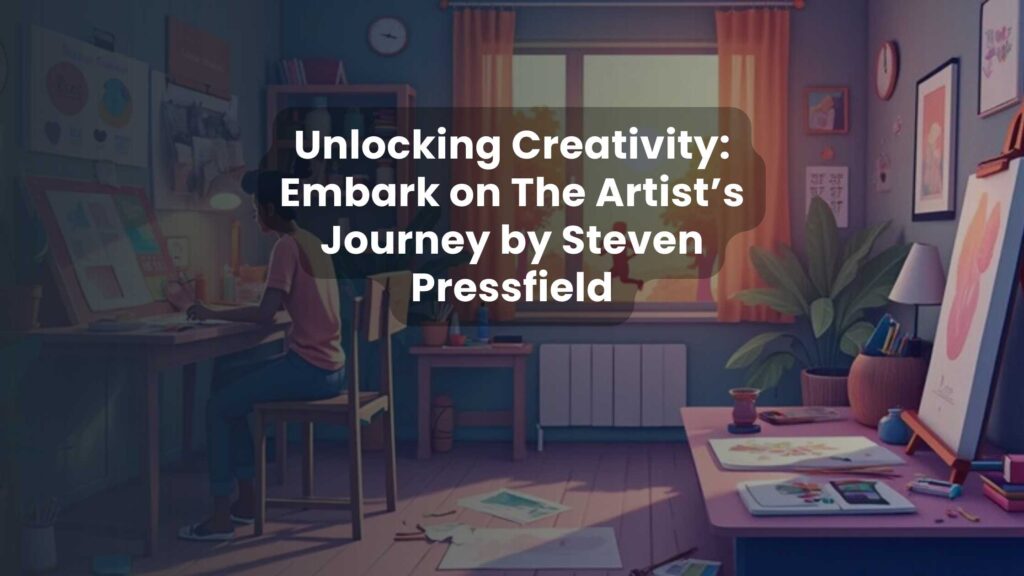
In the realm of creativity, every artist embarks on a unique journey fraught with challenges and triumphs. Yet, the path to self-expression is rarely smooth; it is often marked by an invisible adversary that looms large in the psyche: resistance. In “Unlocking Creativity: Embark on The Artist’s Journey,” Steven Pressfield invites us to confront this inner turmoil head-on. He defines resistance not merely as procrastination or self-doubt, but as a formidable opponent that must be recognized and overcome if one is to fully embrace their artistic potential.
As we delve deeper into the book, we discover that the artistic journey is akin to a heroic adventure, filled with uncertainty and the promise of self-discovery. Pressfield compels artists to heed the call to explore the unknown, carving out a path that leads to greater authenticity and creative fulfillment. This odyssey is not solely about the end product; rather, it is a celebration of the process, where joy and creativity flourish when we shift our focus from outcomes to exploration.
However, the journey is not without its fears. Pressfield emphasizes that courage is essential in facing these fears, transforming anxiety into motivation. By confronting the barriers that hinder creativity, artists can unlock their unique voices and express their innermost truths. As we navigate through the pages of this transformative guide, we are invited to embrace the complexities of our creative struggles, nurturing a deeper connection to our art and, ultimately, to ourselves. Join us as we explore the profound insights of Pressfield and embark on a journey that promises to awaken the artist within.
The Inner Struggle: Understanding Resistance in the Artistic Process
Explore the concept of resistance as the primary adversary facing artists, highlighting how self-doubt and procrastination hinder creativity.
Every artist faces an internal struggle that can hinder creativity, and at the forefront of this battle lies the concept of resistance. Defined by Steven Pressfield, resistance manifests as self-doubt and procrastination, two formidable adversaries that often arise when inspiration strikes. For many artists, the mere act of beginning a project can evoke feelings of uncertainty, leading to a paralyzing fear of inadequacy. This self-doubt whispers insidiously, suggesting that one’s ideas are not worthy or that the final product will fall short of expectations. As a result, the creative process becomes mired in hesitation, and artists find themselves delaying the pursuit of their passions. According to a survey by the American Psychological Association, nearly 70 percent of individuals experience imposter syndrome, which can significantly impact their creative endeavors, showcasing the pervasive nature of this inner turmoil.
Procrastination serves as another facet of resistance, often presenting itself as a tempting escape from the daunting task of creation. Artists may distract themselves with trivial activities or convince themselves that they will work better under pressure, only to find that the deadline looms larger with each passing day. This cycle of avoidance not only stifles creativity but also cultivates a sense of guilt and frustration that can be detrimental to an artist’s mental well-being. Studies indicate that procrastination can lead to increased levels of anxiety and diminished self-esteem, further deepening the struggle. By recognizing procrastination as a manifestation of resistance, artists can begin to dismantle the barriers that inhibit their creative expression, transforming their relationship with time and productivity.
Understanding resistance is essential for artists as they embark on their unique journeys. Pressfield likens the creative process to a heroic adventure, where the call to explore the unknown requires a commitment to face the uncertainties ahead. This pivotal moment of decision can be daunting, yet it is precisely at this juncture that artists must muster the courage to confront their fears, including self-doubt and procrastination. By acknowledging these internal battles, artists can reclaim their narrative and embrace the dynamic nature of creativity. In doing so, they not only honor their artistic potential but also cultivate resilience against the inevitable challenges that arise in their pursuit of self-expression.
As artists navigate their creative paths, it becomes increasingly clear that the essence of their journey lies in the process itself, rather than the end result. Pressfield advocates for a shift in focus, encouraging artists to immerse themselves in the act of creation and relish the exploration of their ideas. This perspective invites a deeper connection to their work, fostering an environment where creativity can flourish unencumbered by the weight of external judgment. By prioritizing the joy of the artistic process, artists can liberate themselves from the confines of resistance, ultimately leading to a more fulfilling and authentic expression of their vision. This transformative approach not only enhances the quality of their work but also reinforces the importance of embracing the journey, with all its inherent ups and downs.
In the face of fear, artists must cultivate the courage to confront their creative blocks head-on. Pressfield emphasizes that successful creators acknowledge their fears but act despite them, transforming anxiety into motivation. This proactive mindset enables artists to harness their inner struggles, using them as fuel to propel their projects forward. By reframing fear as a natural component of the creative process, artists can develop strategies to navigate these challenges, empowering them to push through the discomfort that often accompanies artistic expression. This courage becomes a powerful tool, allowing artists to break free from the chains of resistance and discover new dimensions of their creativity.
The Call to Adventure: How Artists Embark on Their Unique Journeys
Discuss the pivotal moment when artists commit to their creative path, likening it to a heroic adventure filled with uncertainty and exploration.
The journey of an artist begins with a defining moment often referred to as the call to adventure. This pivotal instance marks a conscious decision to embrace the creative path, pushing beyond the familiar and stepping into the unknown. Much like a hero embarking on a quest, artists face this moment filled with a mix of excitement and trepidation. It is a leap of faith, where the allure of possibility beckons but is accompanied by the shadows of uncertainty. This commitment often involves grappling with self-doubt and fears, which can serve as significant hurdles. It is at this juncture that artists must summon their courage and decide to pursue their passion, despite the risks associated with vulnerability and exposure.
As artists embark on their unique journeys, they encounter various forms of resistance that can impede their progress. Steven Pressfield articulates this inner struggle as a powerful adversary, taking the shape of procrastination, self-doubt, and fear of failure. Recognizing these barriers is essential for overcoming them and moving forward on the artistic path. Many artists report that the hardest part of their creative process is not the act of creating itself, but rather the mental battle to begin. Research indicates that up to 70 percent of people experience imposter syndrome, a phenomenon where individuals doubt their accomplishments and fear being exposed as a fraud. This statistic underscores the commonality of these struggles, highlighting the importance of perseverance and commitment to one’s craft.
Once the initial commitment is made, the process of creation becomes both a source of joy and a means of self-discovery. Pressfield emphasizes that immersing oneself in the artistic process, rather than fixating solely on the end product, fosters a deeper connection to one’s work. This shift in focus can lead to a more fulfilling experience, as artists learn to appreciate the nuances of creation itself. For instance, many renowned artists, such as Vincent van Gogh, found solace and purpose in their daily artistic routines, finding joy in the act of painting rather than in the recognition that followed. This perspective allows for liberation from the pressures of external validation, encouraging artists to explore their creativity without the constraints of expectation.
However, the journey is not devoid of fear, which manifests as a constant companion along the way. Pressfield highlights that successful artists confront their fears head-on, transforming anxiety into motivation. This courage to face fear can propel artists to new heights, enabling them to take creative risks that ultimately define their unique voice. Notable figures like Maya Angelou and Frida Kahlo exemplify this spirit, as they channeled their personal struggles into powerful works that resonate with many. By acknowledging and working through their fears, artists can unlock deeper layers of creativity and expression, allowing their art to flourish in ways they might not have imagined.
Ultimately, the pursuit of an authentic voice is a transformative aspect of the artistic journey. Pressfield advocates for introspection and exploration as essential tools for artists to connect with their deeper truths. This quest for authenticity is often fraught with challenges, yet it is integral to crafting art that genuinely reflects the artist’s vision. Statistics show that artists who engage in reflective practices, such as journaling or meditative creation, are more likely to produce work that resonates with their audience. This process not only enhances artistic expression but also fosters a sense of fulfillment and purpose, allowing artists to navigate their creative journeys with clarity and confidence.
Embracing the Process: Finding Joy Beyond the Outcome
The journey of creativity is often fraught with internal struggles, a concept eloquently articulated by Steven Pressfield in his exploration of artistic resistance. Every artist, regardless of their medium, experiences moments of self-doubt and procrastination, which can impede their creative flow. This resistance, described as a formidable adversary, can manifest at the most inopportune times, often right when inspiration strikes. By acknowledging and understanding these barriers, artists can begin to dismantle them, allowing for a more authentic engagement with their craft. For instance, a painter might find themselves frozen in indecision when faced with a blank canvas, burdened by the weight of expectation. Recognizing this as a natural part of the creative process is the first step toward liberation.
As artists embark on their unique journeys, akin to a hero answering a call to adventure, they confront the unknown with a mix of excitement and trepidation. Pressfield emphasizes the significance of this commitment, as it marks the beginning of an exploration that can reveal hidden depths of creativity. This pivotal moment requires artists to embrace the uncertainties that lie ahead, transforming potential fear into a driving force. For example, a writer might decide to explore an unfamiliar genre, opening themselves up to new styles and storytelling techniques. This willingness to venture into uncharted territory is what ultimately enriches the creative experience and fosters personal growth.
Central to the artistic journey is the notion of finding joy within the process itself. Pressfield encourages artists to shift their focus from the end product to the act of creation, inviting them to immerse themselves in the sensations and experiences that arise during their work. This perspective allows for a deeper connection to one’s art, liberating creativity from the constraints of external validation. A musician, for example, may find immense satisfaction in the act of composing a melody, reveling in the notes and rhythms that flow through them rather than fixating on commercial success or accolades. Such an approach not only enhances the joy derived from artistic expression but also nurtures a more profound appreciation for the journey of creation.
However, the path is not without its challenges, particularly the ever-present specter of fear. Pressfield underscores the importance of courage in confronting these fears, which can serve as both a barrier and a catalyst for creativity. Successful artists acknowledge their anxieties but choose to act in spite of them. For instance, a sculptor may face fear of failure when attempting a new technique but finds that embracing this fear transforms it into motivation. By pushing through these moments of uncertainty, artists can channel their struggles into their work, allowing their projects to evolve and flourish in unexpected ways.
In the quest for authentic self-expression, artists must embark on a journey of introspection and exploration. Pressfield advocates for digging deep within oneself to uncover the truths that resonate not only with the creator but also with their audience. This exploration, while often challenging, is essential in crafting work that genuinely reflects an artist’s vision. A photographer, for instance, may spend years developing their style, experimenting with various subjects and techniques until they discover a voice that feels uniquely their own. This evolution is not merely about finding a niche but rather about understanding and articulating one’s perspective in a way that speaks to others.
Through the lens of these experiences, artists can cultivate a fulfilling and enriching creative path. By recognizing the intricate interplay of resistance, fear, and self-reflection, they are better equipped to confront the challenges ahead. Ultimately, embracing the artistic process—replete with its struggles and triumphs—allows for meaningful growth and self-discovery, paving the way for a more authentic and rewarding artistic journey.
Facing Fear: The Artist’s Courage in Confronting Creative Blocks
Fear is an ever-present companion on the creative journey, a shadow that can loom large over an artist’s work. It manifests in various forms: self-doubt, anxiety, and even the paralyzing pressure of perfectionism. Understanding this inner struggle, as described by Steven Pressfield, is crucial for artists seeking to push through their creative blocks. Resistance, as he calls it, emerges particularly during moments of inspiration, often leading to procrastination that stifles artistic expression. By acknowledging the existence of these barriers, artists can begin the process of dismantling them, paving the way for a more fulfilling creative experience.
The call to adventure is a pivotal moment in the artistic journey, an invitation to step into the unknown and embrace the uncertainties that lie ahead. Pressfield likens this moment to a heroic quest, where artists must summon the courage to commit to their creative path. This commitment often means confronting fears head-on, whether it’s the fear of failure, rejection, or even success. Such an endeavor is not merely about producing art; it’s about the transformation that occurs through the act of creation itself. When artists embrace this call, they embark on a journey of self-discovery that can unveil their unique voice and deepen their connection to their work.
Embracing the creative process rather than fixating on the outcome is essential for nurturing artistic growth. Pressfield encourages artists to find joy in the act of creation itself, shifting focus from the final product to the experiences amassed along the way. This perspective allows for a more authentic connection with one’s work, fostering an environment where creativity can flourish freely. By immersing themselves in the process, artists liberate their imaginations and open themselves up to new ideas and inspirations, transforming fear into motivation.
Ultimately, courage is the key to facing down fear and overcoming the creative blocks that threaten to stifle an artist’s voice. Successful creators acknowledge their fears but choose to act in spite of them. This act of bravery can turn anxiety into a driving force, propelling projects forward and encouraging exploration. By viewing fear not as an obstacle but as a catalyst for growth, artists can harness its energy, allowing it to fuel their creativity and push the boundaries of their artistic potential. As they confront their fears, they not only advance their work but also embark on a profound journey of self-expression and authenticity.
Discovering Your Authentic Voice: The Journey of Self-Expression
Finding one’s authentic voice is a transformative journey for any artist, serving as both a personal exploration and a means of deep connection with others. As Steven Pressfield emphasizes, this journey requires introspection, helping artists delve into their innermost truths that resonate not only with themselves but also with their audience. This process, while often challenging, is essential for crafting work that genuinely reflects an artist’s vision and intentions. For instance, consider the journey of acclaimed poet Maya Angelou, who drew from her life experiences, including trauma and resilience, to create powerful works that speak to universal themes of struggle and triumph. By confronting their own stories, artists can tap into a wellspring of authenticity that elevates their creations.
Central to this pursuit of authenticity is the inner struggle that many artists face—what Pressfield refers to as resistance. This resistance often manifests as self-doubt, procrastination, or fear, particularly when inspiration strikes. Understanding these barriers is crucial, as it allows artists to recognize when they are being held back by their own internal dialogue. Studies show that over 70% of creatives experience some form of imposter syndrome, which can severely undermine confidence and hinder the creative process. By acknowledging these feelings, artists can begin to dismantle the walls that inhibit their self-expression, ultimately allowing their true voice to emerge.
Once artists gain insight into their struggles, they can embark on their unique creative journeys, akin to a heroic adventure. Pressfield highlights the importance of answering a call to explore the unknown, which often requires a commitment to confront uncertainty and vulnerability. This pivotal moment can be likened to the journey of visual artist Frida Kahlo, who used her art to navigate her complex identity and chronic pain. Embracing the uncertainty of their paths not only marks the beginning of a quest to uncover creative potential but also fosters resilience as artists learn to adapt and grow amid challenges.
Moreover, embracing the artistic process itself can lead to newfound joy that transcends the mere pursuit of a finished product. By shifting focus from outcome to process, artists can cultivate a deeper connection to their work, revealing dimensions of creativity that may have remained hidden otherwise. Pressfield encourages artists to immerse themselves in creation, allowing the act of making to bring fulfillment. This perspective is reflected in the work of musicians like Yo-Yo Ma, whose passion for music often shines through in his performances, inviting audiences to experience the joy of the creative process alongside him.
As artists navigate their journeys, facing fear becomes an integral part of their growth. Courage empowers creatives to confront their anxieties and push through creative blocks, transforming fear into motivation. Pressfield asserts that successful creators acknowledge their fears but choose to act despite them. This mindset is exemplified by writers like J.K. Rowling, who faced numerous rejections before the success of the Harry Potter series. By confronting and channeling their fears, artists can propel their projects forward, gaining confidence and clarity in their authentic voices.
The Power of Discipline: Cultivating Consistency in Creativity
Discipline serves as the backbone of creativity, allowing artists to cultivate consistency in their work despite the myriad challenges that arise. As Steven Pressfield articulates, every artist grapples with internal resistance—self-doubt and procrastination—that can stifle creative impulses when inspiration strikes. By establishing a disciplined routine, artists can create a framework that enables them to navigate these obstacles. For instance, dedicating specific hours each day to artistic endeavors not only fosters a habit of creation but also diminishes the impact of resistance. Statistics reveal that individuals who set daily goals for their creative practices are significantly more likely to produce consistent work, illustrating how a disciplined approach can lead to artistic growth.
Engaging in the artistic process requires a commitment to exploration and self-discovery. Pressfield likens the creative journey to a heroic adventure, urging artists to answer their internal call to adventure. This commitment to embark on a quest, despite the uncertainties that lie ahead, is essential for unlocking one’s creative potential. By embracing this journey, artists can cultivate resilience and adaptability, qualities that enhance their consistency. For example, many successful artists have shared how their dedication to daily practices, such as sketching or writing, has led to breakthroughs in their work. This commitment transforms the act of creation into a meaningful experience, allowing artists to push through barriers and maintain momentum.
Moreover, the joy of creativity often resides in the process rather than the final outcome. Pressfield encourages a shift in focus from what artists produce to how they engage with their craft. This perspective not only liberates creativity but also fosters a deeper connection to the work, creating a cycle of motivation and inspiration. For instance, artists who prioritize experimentation and playfulness are more likely to discover new techniques and ideas that invigorate their practice. By cultivating an environment where process takes precedence, artists can reduce the pressure of perfectionism and enhance their overall enjoyment of creation.
Facing fear is another critical aspect that intertwines with discipline, as it empowers artists to confront the anxiety that accompanies creative blocks. Acknowledging and acting in the face of fear is what distinguishes successful creators from those who remain stagnant. Pressfield emphasizes that fear is a constant companion on the creative journey; however, it can be transformed into a source of motivation. Artists who practice discipline by consistently pushing through their fears often find that their most profound work emerges from these confrontations. For example, many renowned creators share stories of overcoming their fears and doubts to produce iconic pieces, demonstrating how courage, coupled with discipline, can elevate creativity.
Ultimately, discovering one’s authentic voice is a transformative endeavor that requires both introspection and consistent practice. Pressfield advocates for artists to delve deep into their thoughts and emotions, helping them connect with truths that resonate with their audience. This journey, while challenging, is essential for crafting work that genuinely reflects their vision. By incorporating discipline into their artistic routines, artists can create a safe space for exploration, allowing authenticity to flourish. For instance, writers who commit to a daily writing practice often develop their unique voice over time, illustrating how discipline can lead to profound self-expression and connection with others.
Building a Supportive Community: The Importance of Connection
Building a supportive community is essential for fostering connection, particularly in creative fields where collaboration and feedback can significantly enhance an artist’s journey. Many artists grapple with feelings of isolation as they confront the internal struggles of resistance, self-doubt, and fear, which can stifle their creativity. According to a study by the National Endowment for the Arts, individuals who engage in arts-related activities within a community setting report higher levels of satisfaction and lower levels of anxiety. This statistic underscores the power of connection; when artists share their experiences and challenges with others, they can draw strength from communal understanding, paving the way for personal and artistic growth.
As artists embark on their unique journeys—a path often likened to a heroic adventure—they benefit greatly from the encouragement and insights of a supportive community. The act of sharing one’s work can be daunting, especially when faced with the fear of judgment. However, when artists surround themselves with like-minded individuals who appreciate the artistic process, they are more inclined to embrace the uncertainties inherent in creativity. For example, many successful artists credit their peers and mentors for providing constructive feedback that not only helped them refine their techniques but also motivated them to push beyond their comfort zones. This collaborative environment nurtures a sense of belonging, essential for overcoming the resistance that often accompanies creative pursuits.
Moreover, the joy found in the artistic process is magnified within a community setting. Steven Pressfield emphasizes that shifting focus away from the end product to the act of creation itself can lead to greater fulfillment. When artists engage with others, they can explore new ideas and techniques, sparking inspiration that may not arise in solitude. For instance, group workshops or collaborative projects can cultivate an atmosphere of experimentation, where the fear of failure is mitigated by the collective encouragement of fellow artists. This shared experience reinforces the notion that creativity thrives in connection, allowing individuals to celebrate each other’s successes while navigating challenges together.
In the quest to discover their authentic voices, artists often face an arduous journey of self-exploration and introspection. A supportive community can play a pivotal role in this process, providing a safe space for vulnerability and honest expression. By engaging in discussions that challenge their perceptions and beliefs, artists can uncover deeper truths about their work and themselves. This journey, which may initially feel solitary, becomes enriched by the perspectives of others, fostering a more profound understanding of their unique artistic vision. The importance of connection in this context cannot be overstated; it is through the sharing of experiences and insights that artists can truly grow and evolve, crafting work that resonates deeply with their audience.
Actionable Insights: Transforming Challenges into Creative Growth
Actionable insights into the artistic process reveal that the journey of creativity is often fraught with challenges, yet these very challenges can catalyze profound growth. Steven Pressfield’s concept of resistance serves as a powerful reminder of the internal struggles artists face, such as self-doubt and procrastination. For instance, studies show that nearly 70 percent of creative professionals experience anxiety that stifles their work. By acknowledging and confronting this resistance, artists can break free from its grip and embark on a transformative journey. Recognizing these barriers not only empowers artists to move past them but also encourages a deeper exploration of their unique creative potential.
The call to adventure in an artist’s journey symbolizes a pivotal moment that propels one into the unknown—a moment that requires courage and commitment. Pressfield likens this to a heroic quest, where artists must embrace uncertainties to uncover their authentic selves. For example, many renowned artists, from Vincent van Gogh to Frida Kahlo, faced significant personal adversities yet channeled those experiences into groundbreaking works. By answering this call, artists can navigate the complexities of their creativity and cultivate resilience, ultimately allowing their art to flourish in unexpected ways.
Embracing the process of creation rather than fixating solely on the outcome is another crucial insight that can spark growth. Pressfield emphasizes that joy can be found in the act of creating itself, which can lead to a more profound connection with one’s work. Consider the practice of daily sketching or journaling, which encourages artists to explore ideas without the pressure of perfection. This shift in perspective not only liberates creativity but also fosters a sense of fulfillment, allowing artists to enjoy the journey itself rather than just the final product.
Courage plays a significant role in overcoming creative blocks, as fear often looms large in the artistic landscape. Pressfield asserts that successful creators acknowledge their fears but choose to act despite them. By facing fear head-on, artists can transform anxiety into motivation, propelling their projects forward. For instance, many writers and musicians report that performing publicly—despite the fear of failure—ultimately leads to greater confidence and creative breakthroughs. This process of confronting and conquering fear is not just a means to an end; it becomes a vital part of the artistic journey that fosters growth and self-discovery.
Finding an authentic voice is perhaps one of the most transformative aspects of an artist’s path. Pressfield advocates for introspection and exploration to help artists connect with the deeper truths that resonate with their audience. This journey, though often challenging, is essential for crafting work that genuinely reflects an artist’s vision. For example, many musicians evolve their sound through experimentation, leading to breakthrough albums that redefine genres. This search for authenticity not only enriches the artist’s relationship with their work but also creates a lasting impact on those who experience it. Through these actionable insights, artists can learn to navigate the complexities of their creative journeys, transforming challenges into opportunities for growth and self-expression.
Conclusion
In conclusion, “The Artist’s Journey” by Steven Pressfield serves as a profound guide for anyone navigating the complex landscape of creativity. This journey is not merely about producing art but rather about embracing the myriad challenges that accompany the artistic process. By acknowledging and understanding resistance, artists can transform self-doubt and procrastination into stepping stones toward growth.
Pressfield’s metaphor of the creative path as a heroic adventure reminds us that the call to explore our unique voices requires courage and commitment. It is through the willingness to face fear and uncertainty that we unlock our true potential, allowing our artistic expressions to resonate deeply with ourselves and others.
The joy of creation, as Pressfield emphasizes, lies not just in the finished product but in the rich tapestry of experiences woven throughout the process. By shifting our focus from outcomes to the journey itself, we cultivate a deeper connection with our work and, ultimately, with who we are as creators.
As you embark on your own artistic journey, remember the actionable tips provided to help you navigate resistance and foster creativity. Set up a dedicated workspace, establish realistic goals, experiment with new mediums, and seek support from a community of fellow artists. These steps will not only enhance your creative practice but also reinforce the importance of authentic self-expression.
In the words of Pressfield, “The artist’s journey is to discover who you are and what you have to say.” Let this journey be one of exploration, resilience, and unwavering passion. Embrace the process, confront your fears, and allow your unique voice to shine brightly. The world is waiting for your story, and the journey to uncover it is where the true magic resides.
FAQ
FAQ Section for Unlocking Creativity: Embark on The Artist’s Journey by Steven Pressfield
1. What is the main focus of “The Artist’s Journey”?
“The Artist’s Journey” by Steven Pressfield focuses on the psychological struggles that artists face in their creative processes. It emphasizes understanding and overcoming resistance, embracing the artistic journey, and discovering one’s authentic voice. Pressfield provides insights and actionable advice to help artists navigate their unique paths to creativity.
2. How does Pressfield define resistance in the creative process?
Pressfield defines resistance as a significant adversary that manifests as self-doubt, procrastination, and fear. He stresses that every artist encounters resistance, especially when they feel inspired. Recognizing these barriers is essential for overcoming them and progressing in one’s artistic journey.
3. What does the “call to adventure” mean for artists?
The “call to adventure” refers to the moment when an artist decides to embark on their creative journey. Pressfield likens this decision to a heroic quest, emphasizing the importance of committing to one’s path, embracing uncertainties, and exploring the unknown to uncover creative potential.
4. How can artists find joy in the creative process?
Pressfield encourages artists to shift their focus from the final product to the creative process itself. By immersing themselves in creation, artists can develop a deeper connection to their work, fostering joy and fulfillment in every aspect of artistic expression.
5. What role does fear play in the artist’s journey?
Fear is a constant companion in the creative process. However, Pressfield highlights that courage is key to navigating these fears. Successful artists acknowledge their anxieties and choose to act despite them, transforming fear into motivation that propels their projects forward.
6. How can an artist discover their authentic voice?
Finding one’s authentic voice involves introspection and exploration. Pressfield advocates for artists to connect with deeper truths that resonate with their audience. This challenging journey is crucial for creating work that genuinely reflects an artist’s vision and individuality.
7. What actionable tips does Pressfield offer to combat resistance?
Pressfield suggests several actionable tips to help artists combat resistance, including creating a dedicated workspace to minimize distractions, setting realistic daily goals to maintain momentum, experimenting with different mediums to discover new aspects of their artistic voice, and sharing work with a supportive community for feedback and connection.
8. What are the key take-home messages from “The Artist’s Journey”?
The key take-home messages from “The Artist’s Journey” include recognizing the complex interplay of resistance, fear, and self-reflection in the creative journey, embracing the artistic process for personal fulfillment and growth, and understanding that authenticity, discipline, and courage are essential in overcoming creative challenges.
9. Can you provide some quotes from the book that encapsulate its themes?
Certainly! Two notable quotes from “The Artist’s Journey” include: “The artist’s journey is to discover who you are and what you have to say,” and “Resistance is the enemy of creativity. Face it, fight it, and overcome it.”
10. Where can I find further resources on overcoming creative resistance and embracing my artistic journey?
For further exploration, you might consider looking into articles like “5 Ways to Recognize and Overcome Creative Resistance,” “3 Steps to Embrace the Artist’s Journey,” and “7 Practices for Finding Your Authentic Artistic Voice.” These resources can provide additional insights and practical steps to enhance your creative experience.