Unleashing Creativity: Conquering Obstacles with Art and Fear by David Bayles and Ted Orland

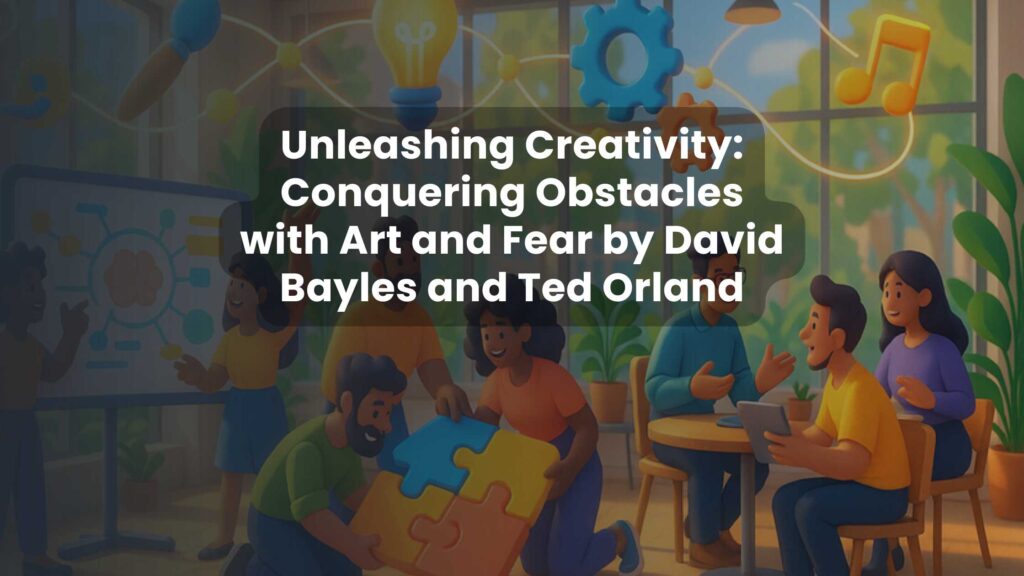
Creativity is often seen as a magical spark that leads to a finished masterpiece, but the true essence of artistic expression lies far beyond the final product. It is a dynamic journey filled with discovery, challenges, and transformation. Along this path, artists learn to embrace failure not as defeat but as a vital catalyst for growth, pushing boundaries and opening doors to unforeseen possibilities. Experimentation becomes the heartbeat of innovation, inviting creators to explore new techniques, forms, and perspectives that enrich their work and expand the cultural landscape. Rather than rushing toward a destination, the creative process encourages valuing each step, turning obstacles into invaluable lessons and redefining what success means on a deeply personal level. Through connection with others, artists find inspiration and support, fueling persistence and passion that keep their vision alive. This exploration invites every artist to see their journey as a living, evolving adventure—one where creativity flourishes through courage, resilience, and an open heart.
Unleashing Creativity: Understanding the Artistic Process Beyond Final Pieces
The creative process is much more than producing a final piece of art; it is a dynamic journey of discovery and transformation. Each stroke of the brush or digital adjustment represents a step in evolving ideas, where unexpected turns often lead to breakthroughs. Instead of focusing solely on perfection, artists learn to embrace exploration, allowing the process itself to become a meaningful milestone in their personal and artistic growth. This mindset shifts the value from the end product to the experiences and insights gained along the way.
Failure plays an essential role in this artistic journey, acting as a powerful ally rather than a setback. When artists accept mistakes as natural and necessary, they open the door to innovation and refinement. For example, renowned painters like Pablo Picasso often experimented with unconventional techniques that initially seemed like failures but ultimately shaped modern art. Embracing failure builds resilience, encouraging artists to push boundaries and discover new creative possibilities they might otherwise avoid.
Experimentation lies at the heart of artistic innovation, driving artists to expand their horizons and challenge traditional norms. Whether through mixing media, exploring abstract forms, or integrating digital tools, experimentation enriches the creative experience. Consider how artists like Yayoi Kusama use repetition and vibrant patterns to break conventional expectations, creating immersive environments that invite viewers to see art from fresh perspectives. This willingness to explore fuels cultural diversity within art and broadens the scope of creative expression.
Focusing on the journey rather than the destination allows artists to appreciate the value of process over product. Each stage of creation offers opportunities for learning and personal development. Instead of rushing to complete a piece, artists can savor experimentation, reflection, and revision. This approach transforms challenges into stepping stones, fostering continuous growth and deepening their connection with their work. It encourages mindfulness and patience, which enrich both the artist’s experience and the art itself.
Success in art is best redefined beyond fame or monetary gain, emphasizing dedication to the creative process. Artists who prioritize their journey find fulfillment through exploration and self-expression, defining success on their own terms. This perspective promotes a healthier relationship with creativity, where achievements are measured by progress and passion rather than external validation. For instance, many independent artists thrive by building communities around shared values rather than commercial success alone.
Community and collaboration expand the creative dialogue, enriching the artistic process through shared ideas and inspiration. Engaging with fellow artists, mentors, or audiences fosters a supportive environment where diverse perspectives challenge and refine creative thinking. Collaborative projects often lead to unexpected innovations, as seen in multidisciplinary art collectives that blend visual art, performance, and technology. This collective energy nurtures creativity, making the process more vibrant and inclusive.
Persistence and passion are essential fuels for artistic endeavors, sustaining motivation through experimentation and revision. These qualities help artists overcome obstacles, whether technical difficulties or creative blocks, ensuring continuous growth and evolution. The commitment to keep exploring and refining keeps the journey alive and authentic to each artist’s vision. Practical steps to cultivate persistence include setting small, achievable goals and maintaining a regular creative routine, which build momentum and reinforce dedication.
How Embracing Failure Fuels Innovation in Artistic Growth
Artistic growth thrives when failure is no longer feared but embraced as an essential part of the creative process. Rather than viewing mistakes as setbacks, artists who accept failure see it as a powerful catalyst for innovation. This mindset shifts the focus from producing a flawless end product to valuing every experiment and misstep along the way. For example, renowned painter Pablo Picasso famously said, “Learn the rules like a pro, so you can break them like an artist.” His willingness to deviate from traditional techniques led to groundbreaking styles such as Cubism, demonstrating how embracing failure can ignite fresh artistic directions.
Failure also encourages artists to step outside their comfort zones and explore new mediums or concepts, fueling experimentation that expands their creative boundaries. Trying unfamiliar techniques, whether mixing digital art with traditional painting or incorporating abstract elements, often results in unexpected breakthroughs. These experiments, even when imperfect, enrich the artist’s perspective and contribute to a broader cultural dialogue. A case in point is the rise of mixed media art, where the blending of diverse materials challenges conventional art forms and reflects a growing acceptance of trial and error in the creative journey.
Importantly, viewing failure as a stepping stone builds resilience and persistence, key traits that sustain long-term artistic development. Setbacks become valuable lessons rather than discouragements, helping artists refine their skills and deepen their passion. For instance, famous authors and visual artists often share stories of early rejections or flawed projects that ultimately guided them toward their unique voices. This persistence ensures that creative growth is continuous, making the journey itself more meaningful than any final masterpiece.
To harness the power of failure in your own artistic growth, consider adopting specific practices. Keep a journal to record experiments and reflect on what did and didn’t work. Set aside time for regular creative play without the pressure of perfection. Engage with fellow artists to share challenges and gain fresh insights. By viewing each “failure” as a learning opportunity, you open the door to innovation and a richer creative process. Embracing failure not only fuels artistic innovation but also transforms the journey of art into a rewarding path of self-discovery and continuous evolution.
Experimentation Techniques That Spark Breakthroughs in Art
The creative process in art goes far beyond simply producing a finished piece. It is an evolving journey where each brushstroke or sketch reveals new ideas and emotions. Artists often find that the act of creating becomes a form of discovery, allowing them to explore unfamiliar techniques and perspectives. For example, renowned painter Gerhard Richter frequently abandoned initial plans, letting accidental paint smudges guide the final outcome. This fluid approach highlights how embracing exploration can transform the process into a masterpiece itself, making every step meaningful rather than focusing solely on the end product.
Failure is often seen as a setback, but in the realm of artistic experimentation, it serves as a powerful catalyst for growth. When artists take risks with unconventional materials or unexpected concepts, mistakes are inevitable, yet they often spark innovative breakthroughs. Consider the story of Jackson Pollock, whose drip paintings were initially criticized but later celebrated as revolutionary. By viewing failure as a stepping stone rather than a barrier, artists develop resilience and open themselves to creative possibilities that rigid perfectionism might block.
At the core of artistic innovation lies experimentation, where pushing boundaries leads to new forms and expressions. Trying mixed media, combining traditional painting with digital tools, or exploring abstract shapes allows artists to challenge established norms. A contemporary example is the rise of augmented reality art, which blends physical and virtual experiences, expanding what art can be and how audiences interact with it. Experimentation enriches the creative process, encouraging artists to see their craft through fresh lenses and contribute to the evolving cultural landscape.
Focusing on the journey rather than the destination gives artists a deeper sense of fulfillment and growth. When creators value each step—testing ideas, revising techniques, and reflecting on their progress—they cultivate insights that go beyond the artwork itself. This mindset encourages patience and openness, turning challenges into opportunities for learning. For instance, sculptors who spend months molding clay often learn as much from the tactile process as from the final sculpture, highlighting the importance of valuing every moment of creation.
Success in art should be redefined beyond external achievements like fame or money. True accomplishment comes from wholehearted dedication to the creative process and a willingness to experiment boldly. Artists who prioritize passion and personal growth find their work more meaningful and authentic. Take Frida Kahlo, whose deeply personal paintings gained recognition because she remained true to her vision despite societal expectations. By embracing this broader definition of success, artists can nurture long-term satisfaction and innovation.
Community and collaboration play crucial roles in sparking breakthroughs in art by expanding creative dialogue. Engaging with fellow artists, mentors, or audiences introduces new perspectives and inspires fresh ideas. Collaborative projects, such as artist residencies or workshops, provide spaces where experimentation flourishes through shared knowledge and support. For example, the Bauhaus movement thrived because of its focus on interdisciplinary collaboration, which led to groundbreaking developments in design and architecture. Joining creative communities can thus energize individual practice and open doors to unexpected innovations.
Persistence and passion are the engines driving artistic experimentation and growth. Continually revisiting and refining ideas requires determination, especially when faced with setbacks or self-doubt. Artists like Vincent van Gogh exemplify relentless commitment, producing hundreds of works despite limited recognition during their lifetimes. This dedication fuels ongoing exploration and ensures that creativity remains vibrant and evolving. To cultivate persistence, artists can set small, manageable goals and celebrate incremental progress, making the creative journey both sustainable and inspiring.
Why Prioritizing the Creative Journey Enhances Personal Growth
The creative process is much more than just producing an end product; it is a profound journey of self-discovery and transformation. When artists prioritize the creative journey, they engage deeply with evolving perspectives and unexpected insights. This approach allows them to appreciate each stage of creation, rather than rushing toward a final piece. For example, a painter experimenting with new brush techniques may uncover novel textures or emotional expressions that redefine their work. This ongoing exploration not only enriches the artwork but also fosters significant personal growth, as individuals learn to value patience, curiosity, and adaptability throughout their creative endeavors.
Embracing failure plays a crucial role in enhancing personal growth during the creative journey. Far from being setbacks, mistakes and missteps act as valuable stepping stones that push artists beyond their comfort zones. When an artist attempts a challenging sculpture that collapses, the experience teaches problem-solving, resilience, and innovation. Psychological studies show that individuals who view failure as a learning opportunity develop higher levels of creativity and perseverance. By accepting failure as part of the process, one cultivates a mindset that encourages risk-taking and continuous improvement, which are essential for both artistic and personal development.
Experimentation lies at the heart of artistic innovation and personal growth. Trying new materials, exploring abstract concepts, or integrating digital tools can open doors to fresh creative expressions. For instance, a musician experimenting with electronic sounds alongside traditional instruments may discover unique compositions that push genre boundaries. This willingness to explore challenges conventional thinking and nurtures flexibility in problem-solving. Such creative experiments not only diversify an artist’s portfolio but also expand their worldview, enriching their personal and artistic identity.
Focusing on the journey rather than the destination allows artists to gain deeper insight and satisfaction from their work. When the emphasis shifts from achieving fame or perfection to appreciating each step, every challenge becomes a learning opportunity. For example, a writer revising drafts multiple times may find new layers of meaning and voice emerging in their stories. This mindset encourages mindfulness and patience, which contribute to emotional intelligence and self-awareness. Prioritizing the creative journey cultivates a fulfilling experience where growth is measured by progress, not just by the final outcome.
Redefining success in art helps individuals align their creative efforts with personal values and growth rather than external validation. Success is not limited to awards or financial gain; it involves dedication to the creative process and self-expression. Artists who focus on experimentation and continual learning often report higher satisfaction and motivation. For example, a photographer who explores diverse subjects and techniques finds joy in discovery, defining success as the evolution of their unique vision. This redefinition empowers creators to set meaningful goals and fosters long-term development grounded in authenticity.
Engaging with a creative community enriches the artistic journey by expanding perspectives and sparking collaboration. Interaction with peers provides feedback, encouragement, and inspiration, which fuels personal and creative growth. When a group of artists shares ideas in workshops or online forums, they build a supportive network that challenges assumptions and nurtures innovation. This collective dialogue strengthens individual voices and broadens creative horizons, demonstrating how collaboration enhances the learning process and fosters a thriving environment for growth.
Cultivating persistence and passion is essential to sustaining the creative journey and fostering personal development. The commitment to continually explore, revise, and refine work helps artists overcome obstacles and maintain momentum. For example, a dancer who practices tirelessly despite setbacks builds both skill and confidence over time. This dedication creates a positive feedback loop where passion drives persistence, and persistence deepens passion. By nurturing these qualities, individuals ensure their creative journey remains vibrant, meaningful, and aligned with their evolving personal vision.
To prioritize the creative journey and enhance personal growth, consider these practical steps:
– Set small, achievable creative goals to focus on progress rather than perfection.
– Embrace mistakes as learning moments and reflect on what they teach you.
– Experiment regularly with new techniques or ideas to challenge your comfort zone.
– Seek feedback and collaboration within a creative community to broaden perspectives.
– Celebrate milestones in the process, not just completed works, to stay motivated.
– Commit to consistent practice and nurture your passion to sustain long-term growth.
By implementing these strategies, you can transform your creative process into a powerful pathway for personal development and fulfillment.
Redefining Artistic Success: Beyond Fame and Financial Gain
Art is a journey of discovery where the process itself becomes the masterpiece. The creative process is not merely about producing a final product; it is an exploration of ideas, emotions, and techniques. Each brushstroke or note played is an opportunity for evolution, allowing artists to develop their unique perspectives. By embracing unexpected turns and valuing the journey over the destination, creators transform each piece into a milestone in their personal growth. This approach encourages a mindset where exploration triumphs over perfection, proving that the act of creation can be as fulfilling as the outcome.
Surprisingly, failure emerges as a vital ally in the artistic realm. Rather than being seen as a setback, failure pushes artists to challenge their boundaries and refine their skills. Many renowned artists, such as Vincent van Gogh and Frida Kahlo, faced numerous failures before achieving recognition. By embracing these moments, creators transform mistakes into extraordinary works, fostering resilience and opening doors to endless possibilities. This shift in perspective allows artists to view failures not as roadblocks but as stepping stones towards innovation and greater creativity.
At the heart of artistic innovation lies experimentation. Engaging with mixed media, abstract forms, and digital art enables artists to challenge established norms, leading to fresh interpretations and new artistic expressions. For instance, the rise of digital platforms has allowed creators to reach wider audiences and collaborate in unprecedented ways. This willingness to experiment enriches the artist’s experience and expands the cultural tapestry of art itself. By daring to explore unconventional methods, artists not only enhance their skills but also contribute to a richer, more diverse artistic landscape.
In the world of art, the journey often holds more significance than the destination. Many artists find that their most profound insights and personal growth occur during the creative process rather than after completing a work. By focusing on the steps taken along the way, artists can turn challenges into valuable learning opportunities. This perspective encourages a deeper connection to their craft, allowing for a more meaningful exploration of self and expression. It emphasizes that the act of creating can be as transformative as the end result, reinforcing the notion that each artistic endeavor is a vital part of an ongoing journey.
True artistic success transcends mere fame or financial gain; it is rooted in a dedication to the creative process itself. By valuing experimentation and the journey, artists can redefine success on their own terms. Rather than measuring their worth through accolades or monetary rewards, they focus on personal fulfillment and growth. This mindset fosters a healthier relationship with their art, allowing them to pursue their passions authentically and without the constraints of societal expectations. By cultivating this perspective, artists can navigate their creative paths with confidence and purpose.
Engaging with the art community plays a crucial role in expanding the creative dialogue. Collaboration and dialogue with fellow artists open new pathways for inspiration, allowing for the exchange of ideas and techniques. By participating in workshops, artist collectives, or local exhibitions, creators can foster a supportive environment where creativity thrives. This sense of community not only enriches the individual artist’s journey but also challenges perspectives, nurturing an atmosphere where innovation can flourish. Such connections can lead to unexpected collaborations that push the boundaries of art and enhance the overall experience.
Persistence and passion are the driving forces behind artistic endeavors. These qualities fuel the continual process of experimentation and revision, helping artists overcome obstacles they may encounter. For example, many artists face rejection or criticism, yet it is their passion that propels them to keep creating. This unwavering commitment ensures continuous growth and evolution, keeping their journey vibrant and aligned with their personal vision. By cultivating persistence, artists can navigate the ups and downs of their creative paths, ultimately leading to a more fulfilling and impactful artistic practice.
Dive into this vibrant world where art is a never-ending journey of exploration. Embrace the process, challenge norms, and let your unique artistic voice be heard. Transform obstacles into opportunities and explore endless possibilities in the world of art, where every experience is a chance to grow and redefine what it means to be truly successful.
The Power of Community and Collaboration in Creative Expansion
Community and collaboration serve as powerful catalysts in creative expansion by turning solitary efforts into shared experiences. When artists come together, the creative process transforms from a personal journey into a collective exploration. This dynamic interaction encourages diverse perspectives, which often lead to unexpected ideas and innovative solutions. For example, art collectives such as Meow Wolf combine talents from various disciplines—visual artists, designers, musicians—to create immersive environments that redefine traditional artistic boundaries. This synergy illustrates how collaboration enriches creativity far beyond what one could achieve alone.
Working within a community also offers invaluable support during the inevitable setbacks of the creative process. Embracing failure is easier when shared with others who understand the challenges and can offer constructive feedback. Consider how writers’ workshops or creative meetups provide a safe space to experiment with new styles or concepts without fear of judgment. This environment nurtures resilience, turning mistakes into stepping stones for growth. By normalizing trial and error, communities foster persistence and passion, two key ingredients that drive continuous artistic evolution.
Collaboration invites experimentation by combining different skills, ideas, and mediums, encouraging artists to step outside their comfort zones. When a painter partners with a digital artist or a poet collaborates with a musician, the fusion of disciplines sparks fresh creative energy and pushes boundaries. This process not only broadens individual capabilities but also enriches the cultural landscape by producing innovative art forms. Real-world examples include multidisciplinary festivals where creators blend technology, performance, and visual arts, demonstrating how collaborative experimentation fuels artistic innovation.
To harness the power of community and collaboration in your creative journey, start by actively seeking groups or networks aligned with your interests. Join local art clubs, online forums, or social media communities where open dialogue and feedback are encouraged. Engage with others by sharing your work and offering constructive critique. Set collaborative goals, such as group exhibitions or joint projects, to maintain motivation and accountability. These practical steps build connections that inspire and challenge you, turning the creative process into a shared adventure that continuously expands your artistic horizons.
Cultivating Persistence and Passion to Overcome Creative Blocks
Persistence and passion are the twin engines that propel artists through the inevitable creative blocks encountered during the creative process. When ideas seem elusive or motivation wanes, it is the steady commitment to one’s craft that sustains momentum. This dedication transforms frustration into a powerful drive to experiment and refine, allowing artists to discover new directions and unexpected outcomes. For example, renowned painter Vincent van Gogh created hundreds of works despite limited recognition during his lifetime, demonstrating how persistence can unlock profound creative breakthroughs. Embracing this mindset means viewing obstacles not as dead ends but as essential milestones on the path to artistic growth.
Passion acts as the emotional fuel that keeps creativity alive, even when progress feels slow or uncertain. It encourages artists to dive deeply into their work with curiosity and enthusiasm, fostering a genuine connection to the creative process itself rather than just the final product. This engagement promotes resilience, enabling artists to embrace failure as a valuable stepping stone rather than a setback. Consider how author J.K. Rowling persisted through multiple rejections before Harry Potter became a global phenomenon—her passion for storytelling was crucial in overcoming those early hurdles. Cultivating such passion helps artists maintain focus and find joy in each phase of creation, turning challenges into opportunities for discovery.
Combining persistence with passion also encourages continuous experimentation, a vital ingredient for overcoming creative blocks. Artists who remain curious and open to new techniques or perspectives expand their creative horizons, often stumbling upon innovative solutions. For instance, digital artist Refik Anadol uses data-driven visuals to push the boundaries of traditional art, illustrating how experimentation fueled by passion can redefine artistic expression. To harness this power, artists can set aside time for playful exploration without judgment—whether trying a new medium, altering a routine, or collaborating with others—to reignite inspiration and break free from stagnation.
To cultivate persistence and passion effectively, artists can adopt practical strategies that support ongoing creative engagement. Setting small, achievable goals creates a sense of progress and builds confidence, while maintaining a creative journal encourages reflection on successes and challenges. Seeking feedback within a community provides fresh perspectives and motivation, helping to sustain enthusiasm. Additionally, practicing self-compassion during difficult periods can prevent burnout and maintain emotional balance. By integrating these steps, artists empower themselves to navigate creative blocks with resilience, transforming each hurdle into a stepping stone toward growth and artistic fulfillment.
Transforming Obstacles into Opportunities Through Art and Fear
The creative process is far more than simply producing a finished piece; it is a dynamic journey filled with discovery and transformation. When artists engage deeply with their work, they allow themselves to explore new ideas, experiment with techniques, and embrace the unexpected. This approach encourages evolving perspectives, where each brushstroke or sketch reflects personal growth rather than just aiming for perfection. By valuing the process over the outcome, creators turn challenges into milestones, making every step an opportunity to learn and innovate.
Failure often carries a negative stigma, but within the realm of art, it becomes a powerful tool for growth. Artists who embrace mistakes allow failure to push their boundaries and refine their skills. This mindset transforms setbacks into breakthroughs, opening doors to creative possibilities that might otherwise remain hidden. For example, famous artists like Pablo Picasso experimented with styles and faced rejection before pioneering Cubism, demonstrating how failure can be a stepping stone to extraordinary innovation.
Experimentation lies at the heart of artistic innovation. Trying out mixed media, abstract forms, or digital technologies invites artists to challenge traditional norms and rethink what art can be. This kind of exploration enriches the cultural tapestry, bringing fresh perspectives and new techniques into the conversation. When artists step outside their comfort zones and experiment boldly, they expand both their skills and the art world’s boundaries, inspiring others to do the same.
Focusing on the journey rather than the destination highlights the true value of artistic creation. Each phase—planning, drafting, reworking—offers lessons and insights that contribute to personal and creative growth. This mindset encourages artists to view obstacles as opportunities for learning instead of barriers. By honoring the process itself, creators build resilience and deepen their connection to their work, turning challenges into valuable experiences that shape their unique artistic voice.
Success in art goes beyond fame or financial gain, centering instead on dedication to the creative process and personal fulfillment. Artists who redefine success focus on their passion, experimentation, and continuous growth. This shift allows them to set their own standards and celebrate their journey, regardless of external recognition. By valuing perseverance and innovation over conventional measures, artists cultivate a more meaningful and sustainable creative practice.
Engaging with a community of artists and collaborators expands the creative dialogue, providing new sources of inspiration and support. Collaboration encourages sharing ideas, receiving feedback, and challenging perspectives, which can lead to unexpected breakthroughs. Participating in art groups or workshops fosters an environment where creativity thrives, making obstacles easier to overcome through collective strength and diverse viewpoints.
Persistence and passion are essential in transforming obstacles into opportunities through art. These qualities fuel continuous experimentation and revision, helping artists push through doubts and setbacks. By committing to their vision and maintaining enthusiasm, creators keep their work evolving and vibrant. This dedication ensures that challenges become catalysts for growth rather than reasons to quit, empowering artists to develop both their skills and their personal narrative.
To embrace this transformative approach, artists can start by setting small, manageable goals focused on process rather than product. They should allow themselves to make mistakes and reflect on them as part of learning. Experimenting with unfamiliar materials or styles can spark new ideas and invigorate creativity. Joining local or online art communities offers valuable feedback and motivation. Above all, maintaining passion and persistence will help artists navigate fear and obstacles, turning each challenge into an opportunity for innovation and self-discovery.
Conclusion
Unleashing Creativity: Conquering Obstacles with Art and Fear by David Bayles and Ted Orland offers a profound exploration of the artistic journey, emphasizing that creativity is far more than simply producing a final piece. The book highlights how embracing the creative process itself—full of experimentation, failure, and unexpected discoveries—can lead to personal growth and artistic innovation. It reminds us that true success lies not in external validation but in dedication, passion, and persistence, and that engaging with a community of fellow artists can deepen our understanding and expand our creative horizons.
As you reflect on these insights, consider how you approach your own creative challenges. Are you allowing yourself to experiment freely, to welcome failure as a necessary step, and to value the journey over the destination? Let this book inspire you to transform obstacles into opportunities and to view your artistic path as a continuous evolution. For anyone eager to deepen their creative practice and cultivate resilience, “Unleashing Creativity” is an invitation to embrace the unknown and discover the limitless possibilities within your own art.
If you’re ready to take your creative journey further, dive into the book and start experimenting today. Reflect on your process, connect with other artists, and most importantly, keep creating with passion and persistence. Your masterpiece is not just the art you make—it’s the artist you become along the way.
FAQ
Frequently Asked Questions about Unleashing Creativity: Conquering Obstacles with Art and Fear by David Bayles and Ted Orland
What is the main message of Unleashing Creativity?
The book emphasizes that creativity is a journey rather than just focusing on the end product. It encourages artists to embrace the process of discovery, including the unexpected turns and evolving perspectives that come with making art. This approach helps artists grow personally and creatively.
How does the book view failure in the creative process?
Failure is seen as an essential and valuable part of creativity. Instead of fearing mistakes, artists are encouraged to embrace failure as a stepping stone that pushes their boundaries, refines their skills, and leads to innovative breakthroughs. This mindset fosters resilience and opens up new creative possibilities.
Why is experimentation important according to the authors?
Experimentation is described as the heart of artistic innovation. By exploring different techniques, materials, and styles, such as mixed media or digital art, artists challenge existing norms and expand their creative horizons. Experimentation enriches the artistic experience and contributes to the broader cultural landscape.
Does the book prioritize the final artwork or the creative journey?
The authors highlight that the journey of creating art holds more significance than simply reaching the finished product. Focusing on the process allows artists to gain insight, personal growth, and a deeper connection to their work. Challenges become opportunities for learning and development along the way.
How does Unleashing Creativity redefine success in art?
Success is portrayed beyond fame or financial rewards. True success comes from a commitment to the creative process itself. By valuing experimentation and the ongoing journey, artists find fulfillment and growth that is meaningful on their own terms.
What role does community and collaboration play in creativity?
Engaging with a community of artists and collaborators is seen as vital to expanding the creative dialogue. Interaction with others provides new inspiration, support, and perspectives that challenge and enrich an artist’s work. Collaborative environments nurture creativity and help overcome obstacles.
How can artists cultivate persistence and passion according to the book?
Persistence and passion are fundamental drivers of artistic growth. They motivate artists to keep experimenting, revising, and pushing through difficulties. This commitment ensures continuous evolution of their work and helps them stay true to their unique creative vision.
Who would benefit from reading Unleashing Creativity?
Any artist or creative individual struggling with fear, self-doubt, or obstacles in their work will find valuable insights in this book. It is especially helpful for those seeking to embrace the creative process more fully, redefine success, and foster resilience through experimentation and community.
What practical advice does the book offer for overcoming creative blocks?
The book encourages embracing failure, experimenting freely without fear of judgment, focusing on the journey rather than the outcome, and seeking connection with other creatives. These strategies help artists transform obstacles into opportunities for growth and innovation.
How does Unleashing Creativity inspire ongoing artistic growth?
By framing art as a never-ending journey of exploration, the book inspires artists to keep evolving. It reminds them that each creation is a milestone, and that by embracing challenges and pushing boundaries, they contribute to their own development and the vibrant world of art itself.