Unlock Serenity: Master Your Anxiety with Breath Control Techniques from Anxiety Free by Patrick McKeown

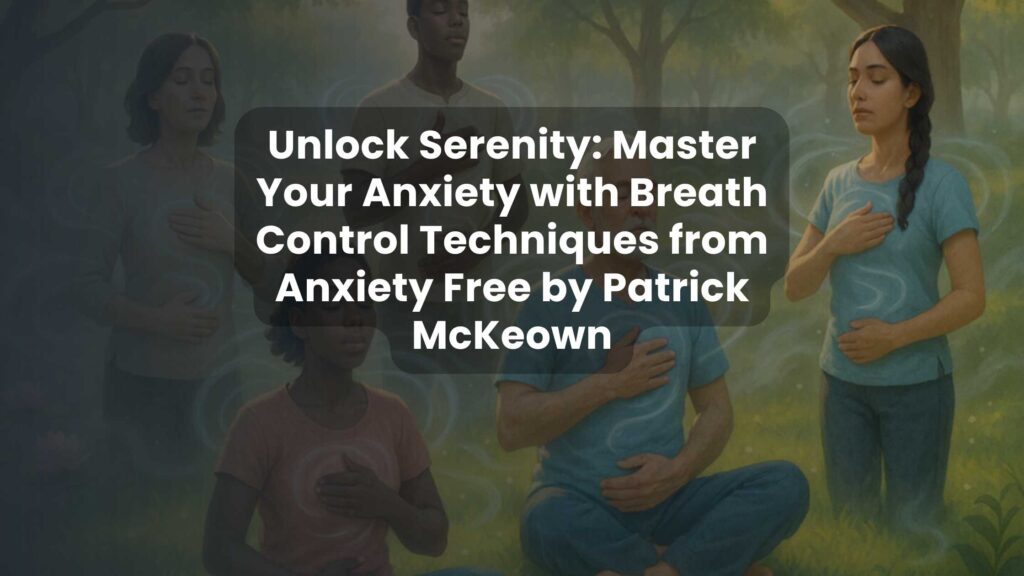
Anxiety often sneaks in through the way we breathe. When stress takes hold, our breath becomes shallow and rapid, trapping us in a cycle that intensifies feelings of unease. Understanding this intimate connection between breath and anxiety opens a powerful door to relief. By learning to control breathing patterns, we can influence not only how we feel mentally but also how our body responds physically.
One surprising ally in this process is carbon dioxide, often misunderstood yet essential for maintaining balance in our blood and ensuring oxygen reaches every cell. Mastering breath control techniques helps regulate carbon dioxide levels, calming the nervous system and stabilizing mood. Methods like the Buteyko breathing technique emphasize the importance of nasal breathing to gently correct over-breathing and restore calmness.
Transforming anxiety through breath involves more than just taking deep breaths; it requires conscious, deliberate practice that bridges the gap between mind and body. Simple everyday exercises can ease hyperventilation, improve emotional resilience, and even enhance sleep quality. By incorporating mindful breathing into daily routines and pairing it with healthy lifestyle choices, anxiety shifts from an overwhelming force to a manageable aspect of life.
This journey toward serenity is accessible to everyone willing to breathe with intention. With guidance from Patrick McKeown’s insights, mastering breath control can become a cornerstone of your mental well-being, helping you live with greater calm and clarity.
Understanding How Breath Patterns Influence Anxiety Relief
Anxiety often triggers a cascade of physical responses, with breath patterns playing a central role. When stress strikes, many people unconsciously shift to shallow, rapid breathing, which can worsen feelings of panic and tension. This connection between breath and anxiety is vital to understand because altering how we breathe breaks this harmful cycle. For example, studies show that individuals who learn to slow their breathing experience fewer anxiety symptoms, as the body receives signals that it is safe and calm. Recognizing this breath-anxiety connection empowers individuals to take control of their physical responses to stress, leading to improved mental well-being.
Carbon dioxide (CO2) frequently gets misunderstood as merely a waste gas, but it is essential for maintaining the right balance of oxygen in the blood. Proper CO2 levels ensure that oxygen is released efficiently to tissues, including the brain. When breathing becomes too fast and shallow, CO2 levels drop, causing dizziness, heart palpitations, and heightened anxiety. Learning breath control techniques helps stabilize CO2, which in turn calms the nervous system and eases anxiety symptoms. For instance, research on the Buteyko Breathing Method demonstrates how increasing CO2 through controlled nasal breathing leads to significant reductions in panic attacks and stress.
The Buteyko Breathing Method offers a practical approach to anxiety relief by emphasizing nasal breathing over mouth breathing. Nasal breathing naturally slows air intake and retains more CO2, which balances the body’s chemistry. This method is especially effective for those prone to hyperventilation, a common anxiety symptom. In real-life applications, many users report feeling calmer and more centered after practicing Buteyko exercises regularly. This technique not only improves physical symptoms but also enhances emotional stability by preventing the physiological triggers of anxiety.
Nasal breathing does more than just feel natural—it fundamentally supports emotional balance by regulating airflow and gas exchange. Compared to mouth breathing, which often leads to erratic breath patterns, nasal breathing promotes steadier oxygen and CO2 levels. This stability helps reduce the fight-or-flight response that fuels anxiety. For example, athletes and performers frequently use nasal breathing to maintain focus and manage stress during high-pressure situations. Incorporating nasal breathing into daily routines can thus be a simple yet powerful tool for managing anxiety in everyday life.
Conscious breathing techniques, such as diaphragmatic or belly breathing, directly counteract hyperventilation by encouraging deeper, slower breaths. These methods increase CO2 retention, which calms the nervous system and reduces anxiety symptoms like lightheadedness and rapid heartbeat. Practicing diaphragmatic breathing for just a few minutes during stressful moments can quickly shift the body out of panic mode. Health professionals often recommend these exercises as part of cognitive-behavioral therapy, highlighting their effectiveness in both immediate relief and long-term anxiety management.
Breath control uniquely bridges the gap between voluntary actions and involuntary bodily functions, making it a powerful tool for anxiety management. While heart rate or digestion are mostly automatic, breathing can be consciously adjusted to influence emotional states. This dual control means that changing breath patterns can reset the body’s stress response without requiring complex mental effort. For example, taking slow, deliberate breaths during a stressful event signals the brain to relax, reducing cortisol levels and promoting a sense of calm. Understanding this mind-body connection encourages people to use their breath as a daily resource for emotional regulation.
Incorporating simple breathing exercises into daily life can create lasting calm and resilience against anxiety. Techniques like the 4-7-8 method—inhaling for 4 seconds, holding for 7, and exhaling for 8—activate the parasympathetic nervous system, which slows heart rate and promotes relaxation. These exercises are easy to learn and can be done anywhere, making them practical for managing sudden stress. Consistent practice not only alleviates immediate anxiety but also strengthens the body’s overall stress response, improving mental health over time.
Lifestyle factors play a crucial role in supporting healthy breath patterns and reducing anxiety triggers. Regular physical activity enhances lung capacity and efficiency, while good posture ensures optimal airflow and diaphragm function. Additionally, a balanced diet rich in antioxidants supports respiratory health, further facilitating calm breathing. For example, individuals who combine exercise with mindful breathing report fewer anxiety episodes and greater overall well-being. Making these lifestyle adjustments creates a supportive environment for breath control techniques to work effectively.
Breathing practices also improve sleep quality, which is often disrupted by anxiety. Exercises like progressive muscle relaxation combined with slow, deep breathing before bedtime prepare the body for restful sleep by lowering stress hormones and calming the nervous system. Better sleep enhances emotional regulation and reduces morning anxiety, creating a positive feedback loop. Sleep clinics increasingly recommend breathing routines as non-pharmacological interventions for insomnia linked to anxiety, highlighting their practical benefits.
Integrating breathing techniques with meditation or yoga enriches a self-care routine by addressing both physical and mental aspects of anxiety. These combined practices cultivate mindfulness, body awareness, and emotional balance, turning breath control into a holistic tool for well-being. For instance, yoga sequences that emphasize breath synchronization promote deep relaxation and resilience against stress. By empowering individuals to take an active role in their mental health, these integrated approaches transform anxiety management from a reactive process into a proactive lifestyle choice.
The Crucial Role of Carbon Dioxide in Anxiety Management
Anxiety often triggers rapid, shallow breathing, which can worsen feelings of panic and stress. This happens because quick breaths expel too much carbon dioxide from the body, disrupting the delicate balance needed for calmness. Understanding the breath-anxiety connection is essential for managing anxiety effectively. When you slow down and control your breathing, you help maintain optimal carbon dioxide levels, which can ease symptoms and stabilize your mood. This simple shift offers a powerful tool to break the cycle of anxiety and restore mental balance.
Carbon dioxide plays a surprising but vital role in anxiety management. Many people think of CO2 as just a waste gas, but it is crucial for maintaining blood pH and ensuring oxygen reaches the brain. When carbon dioxide levels drop due to over-breathing, the blood becomes too alkaline, leading to symptoms like dizziness, tingling, and increased anxiety. By managing your breath to keep carbon dioxide at healthy levels, you can reduce these physical symptoms and create a calmer mental state. For example, athletes and singers use breath control to enhance performance and focus, showing how CO2 regulation supports both body and mind.
One effective way to harness the benefits of carbon dioxide in anxiety management is through the Buteyko Breathing Method. This technique emphasizes nasal breathing and reducing hyperventilation, allowing CO2 to build up to optimal levels. Practitioners of Buteyko have reported significant relief from anxiety symptoms, with many describing a newfound sense of calm and control. By focusing on gentle, measured breaths through the nose, this method helps stabilize the nervous system and improve emotional balance. Incorporating this practice into daily life offers a practical path to transform anxiety into manageable moments.
Nasal breathing itself is a powerful tool in maintaining carbon dioxide balance and reducing anxiety. Compared to mouth breathing, nasal breaths regulate airflow more efficiently and filter the air before it reaches the lungs. This process helps maintain stable CO2 levels, which in turn supports better oxygen delivery and calms the nervous system. Individuals who switch from mouth to nasal breathing often notice improvements in stress response and overall emotional well-being. Simple habits like consciously closing the mouth and breathing through the nose can make a significant difference in managing anxiety throughout the day.
Conscious breathing techniques such as diaphragmatic breathing are effective for combating hyperventilation and its anxiety-provoking effects. By focusing on slow, deep breaths that engage the diaphragm, you increase carbon dioxide retention and counteract the rapid breathing that causes panic. This technique not only reduces physical symptoms like heart palpitations and lightheadedness but also promotes a sense of safety and relaxation. Practicing diaphragmatic breathing for just a few minutes a day can provide immediate relief during anxiety episodes and build resilience over time.
Breath control uniquely bridges the gap between mind and body, offering a way to manage anxiety that combines psychological and physiological benefits. Unlike many involuntary functions, breathing is partly under conscious control, allowing you to influence your nervous system directly. This dual control means you can use breathing exercises to calm emotional turmoil while simultaneously balancing carbon dioxide levels in your blood. Recognizing this connection empowers you to take active steps in anxiety management, turning breathing from an automatic reaction into a deliberate tool for mental health.
Incorporating everyday breathing techniques can create lasting calm and improve anxiety management. Methods such as the 4-7-8 breathing exercise—where you breathe in for four seconds, hold for seven, and exhale for eight—help increase carbon dioxide levels and soothe the nervous system. These practices are easy to learn and can be done anywhere, making them practical tools for daily stress relief. Regular use of such techniques not only reduces immediate anxiety symptoms but also strengthens your overall ability to handle stress in challenging situations.
Lifestyle changes also play an important role in supporting healthy breathing and carbon dioxide regulation. Engaging in regular physical activity improves lung capacity and respiratory function, helping to prevent shallow, anxiety-driven breathing patterns. Maintaining good posture opens the airways, allowing for deeper, more effective breaths that preserve CO2 balance. Additionally, a balanced diet rich in antioxidants supports respiratory health and reduces inflammation. Together, these adjustments create a foundation for better breath quality and reduced anxiety triggers.
Breathing practices can also enhance sleep quality, which is closely linked to anxiety management. Exercises like progressive muscle relaxation paired with slow, controlled breathing before bedtime increase carbon dioxide levels and calm the mind. Improved sleep not only reduces anxiety but also boosts daytime focus and emotional resilience. Making breathing exercises a part of your nighttime routine offers a natural, drug-free approach to restfulness and mental clarity, helping to break the cycle of anxiety that often disrupts sleep.
Empowering your self-care routine with mindful breathing techniques creates a holistic approach to anxiety management. Combining breath control with activities such as meditation or yoga enhances both physical and emotional well-being. These practices increase awareness of your breath, strengthen CO2 regulation, and promote relaxation. By integrating breathing exercises into your daily routine, you build a sustainable strategy for managing anxiety that supports long-term mental health and a balanced emotional state.
Nasal Breathing Techniques That Reduce Anxiety Effectively
Anxiety often triggers rapid, shallow breathing, which can worsen feelings of stress and panic. This pattern creates a feedback loop where shallow breaths increase anxiety, leading to even more rapid breathing. Understanding the breath-anxiety connection is the first step toward relief. By becoming aware of how anxiety affects breathing, individuals can begin to consciously alter their breath patterns. This awareness alone can interrupt the cycle and provide a sense of control, making the experience of anxiety less overwhelming and more manageable.
Carbon dioxide (CO2) plays a surprisingly important role in how our bodies respond to stress. Many people think of CO2 as just a waste gas, but it’s essential for maintaining the right blood pH and ensuring oxygen is delivered efficiently to tissues. When anxiety causes hyperventilation, CO2 levels drop, which can increase feelings of dizziness, tingling, and panic. Nasal breathing techniques help maintain a healthy balance of CO2 by promoting slower, deeper breaths. This regulation stabilizes mood and reduces the physical symptoms that often accompany anxiety.
The Buteyko breathing method specifically targets the problem of hyperventilation by emphasizing nasal breathing. This technique encourages gentle, controlled breaths through the nose, which naturally increases CO2 levels in the blood. Practicing Buteyko breathing regularly has been shown to reduce anxiety symptoms and improve overall calmness. For example, people who use this method report fewer panic attacks and a greater sense of emotional balance, making it a practical tool for those seeking natural anxiety relief.
Nasal breathing offers distinct advantages over mouth breathing when it comes to managing anxiety. The nose filters, humidifies, and warms air, which helps regulate airflow more effectively. This control prevents excessive loss of CO2, which is common with mouth breathing during anxious episodes. By maintaining stable CO2 levels through nasal breathing, the body’s stress response is moderated, leading to improved emotional stability. This simple shift can transform how someone experiences anxiety, turning moments of panic into manageable situations.
Conscious breathing techniques like diaphragmatic breathing help counter hyperventilation by encouraging slower, deeper breaths. Focusing on the diaphragm engages the body’s natural relaxation response and helps restore CO2 balance. For example, taking slow breaths that expand the belly instead of the chest signals the nervous system to calm down, reducing heart rate and muscle tension. This approach empowers individuals to actively manage anxiety symptoms by using their breath as a calming anchor.
Breath control is unique because it bridges voluntary and involuntary bodily functions. Unlike most unconscious processes, breathing can be consciously altered, giving people a powerful tool to influence both mind and body. This connection allows nasal breathing techniques to address anxiety on multiple levels, balancing psychological relief with physiological stability. By mastering breath control, individuals can break free from anxiety’s grip and foster a more peaceful state of mind.
Incorporating simple breathing exercises into daily routines can produce lasting calm and resilience against anxiety. Techniques such as the 4-7-8 method—where one inhales for four seconds, holds the breath for seven, and exhales for eight—activate the parasympathetic nervous system and promote relaxation. Practicing these exercises regularly can reduce baseline anxiety levels and improve overall emotional health. These accessible methods fit easily into busy lives, making anxiety management practical and sustainable.
Lifestyle factors also play a key role in enhancing nasal breathing and reducing anxiety. Regular physical activity improves lung capacity and breathing efficiency, while maintaining good posture ensures the airway remains open and unobstructed. A balanced diet supports respiratory health by reducing inflammation and promoting oxygen delivery. Together, these habits create a foundation that supports easier, more effective nasal breathing, which in turn lowers anxiety triggers throughout daily life.
Breathing exercises before bedtime can significantly improve sleep quality, which is often disrupted by anxiety. Techniques such as progressive muscle relaxation combined with slow nasal breathing prepare the body for restful sleep by calming the nervous system and increasing CO2 levels. Better sleep reduces morning anxiety and helps maintain emotional balance throughout the day. Making these practices part of a nightly routine can transform how anxiety affects rest and recovery.
Combining nasal breathing with mindfulness practices like meditation or yoga enhances their anxiety-reducing effects. These holistic routines integrate breath control with mental focus and gentle movement, creating a comprehensive self-care strategy. For example, yoga sessions that emphasize nasal breathing can deepen relaxation and improve emotional regulation. By incorporating these practices, individuals empower themselves to manage anxiety more effectively and cultivate long-term mental wellness.
Using Conscious Breathing to Overcome Hyperventilation Symptoms
Anxiety commonly triggers rapid, shallow breathing, which can spiral into hyperventilation and worsen feelings of panic and discomfort. Understanding the breath-anxiety connection is essential for breaking this cycle. When you recognize that your breathing patterns influence your mental state, you gain the power to intervene. Conscious breathing shifts your focus from racing thoughts to controlled, calming breaths, helping to reduce stress and prevent hyperventilation symptoms from taking hold.
A key element in managing hyperventilation is the role of carbon dioxide in the body. Often misunderstood as merely a waste gas, carbon dioxide is vital for maintaining the blood’s pH balance and ensuring efficient oxygen delivery to tissues. Hyperventilation lowers CO2 levels, leading to dizziness, tingling, and increased anxiety. By learning to control your breath, you can restore CO2 to optimal levels, which helps stabilize your mood and ease physical symptoms linked to panic attacks.
The Buteyko breathing method offers a practical approach to overcoming hyperventilation symptoms by emphasizing nasal breathing and breath control. This technique encourages slower, more deliberate breaths through the nose, which naturally raises CO2 levels and reduces anxiety. Many people who practice Buteyko report fewer panic episodes and a calmer baseline state, highlighting the method’s effectiveness in transforming how the body responds to stress.
Nasal breathing itself plays a crucial role in managing hyperventilation. Unlike mouth breathing, which tends to be faster and less regulated, nasal breathing filters and humidifies air, creating a more stable airflow. This helps maintain carbon dioxide levels and improves overall respiratory efficiency. By simply shifting to nasal breathing during moments of stress, you can improve emotional balance and reduce the likelihood of triggering hyperventilation symptoms.
Conscious breathing exercises, such as diaphragmatic breathing, directly counteract hyperventilation by encouraging deeper, slower breaths. This technique involves engaging the diaphragm, which increases lung capacity and promotes CO2 retention. Practicing diaphragmatic breathing regularly can reduce common hyperventilation symptoms like lightheadedness and chest tightness, making it a reliable tool for managing anxiety in real time.
Breath control bridges the gap between the mind and body by offering a voluntary action that influences involuntary physiological responses. This unique connection means that by consciously adjusting your breathing, you can directly affect your nervous system and calm anxiety symptoms. This physiological and psychological interplay gives conscious breathing a dual benefit, making it an effective strategy for comprehensive anxiety management.
Incorporating simple breathing routines into daily life can provide lasting calm and resilience. Techniques like the 4-7-8 method—breathing in for 4 seconds, holding for 7, and exhaling for 8—activate the parasympathetic nervous system, which helps slow the heart rate and reduce stress. Practicing these exercises consistently builds a foundation for better CO2 balance and improved emotional regulation.
Lifestyle factors also influence breathing quality and anxiety levels. Regular physical activity strengthens respiratory muscles and improves lung capacity, while maintaining good posture ensures optimal airflow. A balanced diet supports overall health, contributing to better breathing function. These adjustments complement conscious breathing techniques by reducing anxiety triggers and enhancing your body’s ability to maintain stable CO2 levels.
Breathing exercises before bedtime can significantly improve sleep quality, which in turn reduces anxiety symptoms. Methods like progressive muscle relaxation combined with slow, mindful breathing help prepare the body for restful sleep. Better sleep supports mental health and decreases morning hyperventilation episodes, creating a positive cycle of calm and recovery.
Integrating conscious breathing into a broader self-care routine can enhance mental and emotional well-being. Pairing breath control with practices such as meditation or yoga offers a holistic approach to anxiety management. These combined methods nurture both body and mind, empowering you to transform anxiety into a manageable part of life and fostering a balanced, healthier emotional state.
Using Conscious Breathing to Overcome Hyperventilation Symptoms
Anxiety often leads to shallow, rapid breathing, creating a vicious cycle that intensifies stress and discomfort. This phenomenon, known as the breath-anxiety connection, highlights the importance of recognizing and adjusting one’s breathing patterns. When individuals become aware of their breath, they can take proactive steps to break this cycle. By consciously modifying the way they breathe, they can significantly improve their mental well-being. This shift not only fosters a sense of calm but also empowers individuals to regain control over their anxiety, transforming their experience of stressful situations.
Carbon dioxide, often seen as a mere waste product, plays a vital role in maintaining blood pH balance and ensuring effective oxygen delivery throughout the body. Many people overlook the significance of CO2 levels in managing anxiety symptoms. When hyperventilating, individuals expel too much carbon dioxide, leading to feelings of lightheadedness and increased anxiety. By employing conscious breathing techniques, one can regulate their breathing to stabilize CO2 levels, which in turn helps alleviate anxiety and stabilize mood. Understanding this crucial relationship enables individuals to approach their breathing with newfound awareness and intention.
The Buteyko Breathing Method provides a structured approach to correcting hyperventilation through intentional nasal breathing. This technique emphasizes the importance of inhaling through the nose, which promotes better regulation of airflow and increases carbon dioxide levels in the bloodstream. By practicing the Buteyko Method, individuals can effectively reduce anxiety and cultivate a sense of calm. This method not only aids in combating hyperventilation but also empowers individuals to reclaim their breath, making it a powerful tool for emotional regulation.
Nasal breathing is particularly beneficial as it ensures a more controlled airflow compared to mouth breathing. This method helps maintain stable CO2 levels, which is essential for emotional balance and a healthy stress response. Incorporating nasal breathing into daily routines can have transformative effects on anxiety management. By focusing on this simple yet impactful practice, individuals can enhance their overall mental health and improve their ability to cope with stressors in their lives.
Combatting hyperventilation can be achieved through conscious breathing techniques, such as diaphragmatic breathing. This practice encourages deeper, slower breaths that counteract the rapid, shallow breathing associated with anxiety. By increasing carbon dioxide levels, diaphragmatic breathing effectively reduces anxiety symptoms and fosters a sense of relaxation. Individuals can easily incorporate this technique into their daily lives, making it a practical and accessible method for managing stress and anxiety.
Breath control serves as a bridge between voluntary and involuntary actions, providing a unique mechanism to manage anxiety effectively. By harnessing the power of breath, individuals can experience both psychological benefits and physiological needs being met. The practice of conscious breathing not only calms the mind but also engages the body in a way that promotes overall well-being. This duality makes breath control a versatile tool in the journey toward emotional stability.
Incorporating everyday breathing techniques, such as the 4-7-8 method, can enhance feelings of calm and promote resilience against anxiety. This simple exercise involves inhaling for four seconds, holding the breath for seven seconds, and exhaling for eight seconds. Regular practice of this technique can help calm the nervous system, improve CO2 levels, and support mental well-being. By making these techniques a part of daily routines, individuals can cultivate a lasting sense of calm and reduce the frequency of anxiety symptoms.
Lifestyle adjustments also play a crucial role in enhancing breathing quality. Regular physical activity, maintaining good posture, and following a balanced diet can all support respiratory function and reduce potential anxiety triggers. By integrating these practices into daily life, individuals can improve their overall breath quality and, in turn, enhance their ability to manage anxiety effectively. These holistic lifestyle changes can create a supportive environment for mental health.
Enhancing sleep quality is another vital aspect of effective anxiety management. Engaging in breathing exercises before bedtime, such as progressive muscle relaxation, can significantly improve sleep quality. Better sleep promotes restorative rest, which is essential for managing anxiety levels. By prioritizing these breathing practices as part of a nightly routine, individuals can wake up feeling refreshed and ready to face the day, with less morning anxiety.
To empower self-care routines, combining breathing techniques with practices like meditation or yoga can offer comprehensive support for mental health. These holistic approaches address the interconnectedness of the mind and body, creating a balanced pathway toward anxiety management. By integrating mindful breathing with other self-care practices, individuals can cultivate a more profound sense of well-being and resilience. This multifaceted approach transforms anxiety from a daunting challenge into a manageable aspect of life, allowing individuals to breathe better and live better.
Connecting Mind and Body: Breath Control for Anxiety Balance
Anxiety often triggers shallow, rapid breathing, creating a cycle where stress feeds on itself. This connection between breath and anxiety can be overlooked, yet understanding it is vital for managing mental health. When you breathe quickly and superficially, your body receives less carbon dioxide, which disrupts the delicate chemical balance in your blood. This imbalance can heighten feelings of panic and restlessness, worsening anxiety symptoms. By recognizing these patterns, you can begin to change your breathing habits and influence your emotional state positively.
Carbon dioxide plays a surprising, supportive role in maintaining emotional balance. While many think of CO2 as merely a waste gas, it is essential for regulating blood pH and ensuring oxygen reaches your tissues efficiently. When anxiety causes you to breathe too fast or too deeply, you expel more CO2 than your body needs, leading to dizziness, tingling, and increased anxiety. Learning to control your breath helps keep CO2 levels stable, which in turn calms your nervous system and stabilizes mood fluctuations. This physiological effect highlights how breath control is a powerful tool for anxiety balance.
The Buteyko Breathing Method offers a practical solution by emphasizing nasal breathing and reducing over-breathing. Developed to address hyperventilation, this technique encourages lighter, slower breaths through the nose, which naturally boosts carbon dioxide levels. Studies have shown that people using the Buteyko Method experience fewer anxiety episodes and report a greater sense of calm. Nasal breathing also filters and warms the air entering the lungs, improving overall respiratory function. By adopting this method, individuals can consciously reshape their breathing patterns and reduce anxiety’s grip.
Nasal breathing is more than a simple habit; it is a key to emotional regulation. Unlike mouth breathing, which can cause excessive air intake and lower carbon dioxide levels, nasal breathing creates resistance that slows airflow. This process maintains CO2 at optimal levels, supporting a more balanced nervous system response. Practicing nasal breathing during stressful moments can help ground you and reduce the intensity of anxiety reactions. For example, shifting from mouth to nose breathing during a stressful meeting or before bedtime can ease tension and improve focus.
Hyperventilation is a common physiological response to anxiety, but conscious breathing techniques can effectively counteract it. Diaphragmatic breathing, also known as belly breathing, encourages deep, slow breaths that engage the diaphragm muscle. This method increases the amount of carbon dioxide retained in the blood, reversing the effects of hyperventilation. Many therapists recommend diaphragmatic breathing as part of anxiety treatment plans because it trains the body to respond calmly under pressure. Practicing this technique daily can help you regain control during anxiety spikes and lower overall stress levels.
Breath control bridges the gap between mind and body by combining voluntary action with involuntary physiological processes. Unlike heart rate or digestion, breathing is unique because you can consciously modify it to influence how you feel. This dual control makes breath regulation an accessible way to manage anxiety without medication. By focusing on your breath, you engage both your psychological awareness and your body’s natural calming mechanisms. This connection transforms breath control into a powerful tool for emotional self-regulation.
Incorporating simple breathing exercises into your daily routine can create lasting calm and resilience. Techniques like the 4-7-8 method, where you inhale for 4 seconds, hold for 7, and exhale for 8, activate the parasympathetic nervous system, which promotes relaxation. Practicing these exercises regularly not only reduces immediate anxiety symptoms but also builds your ability to handle stress over time. Whether during a short break at work or before sleep, these small moments of mindful breathing support long-term mental health.
Lifestyle choices significantly impact breathing quality and anxiety management. Activities like regular exercise improve lung capacity, while maintaining good posture ensures your airways remain open and efficient. Additionally, a balanced diet rich in antioxidants supports respiratory health and reduces inflammation that can exacerbate anxiety. Making these adjustments enhances your body’s natural ability to regulate breath and calm the nervous system. For instance, incorporating yoga or walking into your day supports better breathing patterns and emotional balance.
Breathing exercises can also improve sleep quality, which is often disrupted by anxiety. Techniques such as progressive muscle relaxation combined with slow, deep breathing help prepare your body for restful sleep. Improved sleep reduces daytime anxiety and enhances overall mood. People who practice these exercises before bedtime often report falling asleep faster and waking less frequently during the night. This restorative rest is crucial for maintaining mental health and preventing anxiety from spiraling out of control.
Enhancing your self-care routine with breath control creates a holistic approach to anxiety management. Pairing mindful breathing with meditation or yoga deepens your awareness of the mind-body connection and strengthens mental resilience. These practices encourage calm, focus, and emotional balance beyond what breathing alone can achieve. By integrating breath control into a broader wellness plan, you empower yourself to face anxiety with greater confidence and ease. Simple daily steps, like beginning your morning with a few minutes of focused breath, can transform your emotional landscape over time.
Daily Breath Exercises to Sustain Long-Term Calmness
Anxiety often disrupts natural breathing patterns, causing shallow and rapid breaths that create a feedback loop, intensifying feelings of stress. Understanding the breath-anxiety connection is crucial for sustaining long-term calmness. When anxiety triggers quick, surface-level breathing, the body receives less oxygen and expels too much carbon dioxide, which can heighten panic and discomfort. By becoming aware of this cycle, individuals can consciously shift their breathing from shallow to deeper, slower rhythms, breaking the chain of anxiety and restoring mental balance.
Carbon dioxide plays a vital but often overlooked role in managing anxiety. Many assume that more oxygen is always better, yet maintaining proper CO2 levels is essential for blood pH balance and efficient oxygen delivery to tissues. Breath control exercises help regulate these CO2 levels, preventing symptoms like dizziness and shortness of breath commonly linked to anxiety attacks. For example, controlled breathing methods that emphasize gentle, nasal inhalations and extended exhalations can stabilize mood and reduce the frequency of anxiety episodes by maintaining this delicate balance.
The Buteyko Breathing Method offers a practical pathway to calm by focusing on nasal breathing and correcting hyperventilation. This technique trains individuals to breathe more slowly and through the nose, increasing carbon dioxide levels that are often depleted during anxious episodes. Studies have shown that people practicing Buteyko breathing report fewer panic attacks and improved emotional resilience. Incorporating this method into daily routines can provide a tangible way to ease stress and create a lasting sense of tranquility.
Nasal breathing itself has transformative effects on emotional regulation and stress reduction. Unlike mouth breathing, nasal breathing filters and humidifies the air, enhancing oxygen absorption and maintaining carbon dioxide stability. This natural regulation reduces the likelihood of hyperventilation, a common trigger for anxiety symptoms. For instance, during stressful moments, consciously switching to nasal breathing can lower heart rate and calm the nervous system, helping individuals regain control over their emotional responses.
Combatting hyperventilation through conscious breathing techniques like diaphragmatic breathing is another effective strategy for sustaining calm. By engaging the diaphragm and taking slow, deep breaths, individuals increase CO2 retention, which counteracts the symptoms of rapid breathing during anxiety. This method not only reduces physical signs of panic but also promotes a sense of groundedness. Practicing diaphragmatic breathing daily, even for just a few minutes, can build resilience to stress and improve overall mental clarity.
Breath control uniquely bridges the gap between the psychological and physiological aspects of anxiety. Since breathing is both an automatic and voluntary function, it offers a powerful tool for managing stress. By consciously adjusting breath patterns, individuals can influence nervous system activity, shifting from sympathetic (fight-or-flight) dominance to parasympathetic (rest-and-digest) activation. This dual influence makes breath exercises accessible and effective for calming anxiety in real-time, empowering people to take control over their mental state whenever needed.
Incorporating everyday breathing techniques such as the 4-7-8 method into your routine can foster lasting calmness. This technique involves inhaling quietly through the nose for four seconds, holding the breath for seven seconds, and exhaling slowly through the mouth for eight seconds. Such exercises activate the parasympathetic nervous system, lowering heart rate and reducing stress hormones. Regular practice not only soothes immediate anxiety but also builds a foundation for emotional stability throughout the day.
Lifestyle adjustments can significantly enhance breathing quality and reduce anxiety triggers. Simple habits like maintaining good posture, engaging in regular physical activity, and eating a balanced diet support optimal respiratory function. For example, exercise increases lung capacity and strengthens the diaphragm, making deep breathing easier and more effective during stressful situations. These changes improve overall breath control and contribute to a calmer mental state over time.
Breathing exercises also play a crucial role in enhancing sleep quality, which is often disrupted by anxiety. Techniques like progressive muscle relaxation combined with slow, controlled breathing before bedtime can help quiet the mind and prepare the body for restorative rest. Improved sleep reduces morning anxiety and enhances daytime mood, creating a positive cycle of calmness and well-being.
To empower your self-care routine, integrate breath control with complementary practices like meditation or yoga. These holistic approaches address both the mind and body, amplifying the benefits of daily breath exercises. For instance, yoga sessions that emphasize mindful breathing improve emotional balance and physical relaxation simultaneously, making anxiety management a sustainable, enriching journey. By weaving breath exercises into daily habits, you can transform anxiety from a disruptive force into a manageable part of life.
Lifestyle Habits That Improve Breathing and Lower Anxiety
Anxiety often triggers shallow, rapid breathing, which creates a cycle that intensifies feelings of stress and unease. Understanding the breath-anxiety connection is the first step toward breaking this loop. When your breathing becomes erratic, your body perceives it as a sign of danger, which activates the fight-or-flight response. This reaction increases heart rate and tension, making anxiety worse. By recognizing how your breathing patterns influence your mental state, you can start to consciously alter them and regain control over your emotions.
Carbon dioxide plays a surprisingly vital role in managing anxiety. Many people mistakenly think of CO2 as a waste gas to eliminate quickly, but it is essential for maintaining blood pH balance and ensuring oxygen is delivered efficiently to tissues. Proper control of your breath helps keep CO2 at optimal levels, preventing symptoms such as dizziness and lightheadedness that often accompany anxiety attacks. For example, studies have shown that maintaining steadier CO2 levels through controlled breathing can stabilize mood and reduce panic.
One effective method to improve breathing and lower anxiety is the Buteyko Breathing Method. This technique emphasizes nasal breathing and slowing down the breath to correct hyperventilation, which is common during anxious episodes. By increasing CO2 levels through controlled nasal breathing, individuals report calmer feelings and less frequent panic attacks. Practicing Buteyko regularly can train your respiratory system to function more efficiently, promoting long-term emotional balance.
Nasal breathing itself offers numerous benefits over mouth breathing, especially in managing anxiety. Breathing through the nose warms and filters air, but more importantly, it regulates airflow to maintain stable levels of carbon dioxide. This stability helps your body respond to stress more effectively, reducing the intensity of anxiety symptoms. For instance, switching to nasal breathing during stressful moments can lower heart rate and create a sense of groundedness, making it easier to manage emotions in real time.
Conscious breathing techniques, like diaphragmatic breathing, help combat hyperventilation—a common problem in anxiety sufferers. Deep, controlled breaths engage the diaphragm, increasing oxygen intake and carbon dioxide retention simultaneously. This process calms the nervous system and interrupts the cycle of rapid breathing that fuels panic. Practicing diaphragmatic breathing for just a few minutes daily can significantly reduce the frequency and severity of anxiety episodes.
Breath control sits uniquely at the intersection of voluntary and involuntary actions, making it a powerful tool for managing anxiety. While breathing happens automatically, you can consciously change your pattern to influence both mind and body. This dual control bridges psychological and physiological responses, allowing you to calm your nervous system intentionally. Using breath as a tool provides immediate relief and builds resilience against future stressors.
Incorporating simple breathing exercises like the 4-7-8 method into daily routines can promote lasting calm. This technique involves inhaling for four seconds, holding the breath for seven, and exhaling for eight, which activates the parasympathetic nervous system responsible for relaxation. Regular practice enhances carbon dioxide levels in the blood, reducing anxiety and improving emotional regulation. Many people find that these brief exercises fit easily into busy schedules and provide quick stress relief.
Lifestyle adjustments also play a crucial role in enhancing breathing and reducing anxiety. Regular physical activity strengthens respiratory muscles and improves lung capacity, while maintaining good posture allows for optimal airflow. A balanced diet supports overall respiratory and nervous system health, minimizing triggers that exacerbate anxiety. For example, reducing caffeine intake can prevent overstimulation of the nervous system, and staying hydrated ensures mucus membranes function properly, supporting smooth nasal breathing.
Breathing exercises before sleep can dramatically improve sleep quality and reduce morning anxiety. Techniques such as progressive muscle relaxation combined with mindful breathing slow down the heart rate and relax the body. Better sleep supports emotional regulation and resilience against stress. Practicing these exercises nightly can establish a calming bedtime routine, helping to break the cycle of anxiety-related insomnia.
Combining breath control with meditation or yoga enhances mental health by creating a comprehensive self-care routine. These practices integrate mindful breathing with movement and mental focus, promoting balance in both body and mind. Users often report reduced anxiety symptoms and a more grounded emotional state after consistent practice. Empowering yourself with these tools transforms anxiety management into a holistic, sustainable journey toward well-being.
Conclusion
In unlocking serenity through breath control techniques from Patrick McKeown’s Anxiety Free, we’ve explored how understanding the connection between breath and anxiety can transform your mental well-being. By recognizing the impact of shallow, rapid breathing and embracing the role of carbon dioxide as an ally rather than an enemy, you can begin to break the cycle of anxiety. The Buteyko Breathing Method and nasal breathing practices offer practical pathways to restore balance and calm by increasing CO2 levels and reducing hyperventilation. Incorporating conscious, diaphragmatic breathing into daily life bridges the gap between mind and body, helping to regulate stress responses naturally.
Simple breathing exercises like the 4-7-8 technique, combined with lifestyle adjustments such as regular exercise, good posture, and mindful nutrition, enhance respiratory function and resilience against anxiety triggers. Additionally, integrating breath-focused practices into your evening routine can improve sleep quality, providing restorative rest essential for emotional stability. By weaving these techniques into your self-care rituals, alongside meditation or yoga, you empower yourself with holistic tools to manage anxiety effectively.
Take a moment to reflect on your current breathing habits. Could a few mindful breaths unlock a calmer, more centered you? Dive deeper into these techniques and begin your journey toward mastering anxiety through the power of breath. Breathe better, live better, and embrace serenity as an attainable part of everyday life.
FAQ
Frequently Asked Questions About Unlock Serenity: Master Your Anxiety with Breath Control Techniques from Anxiety Free by Patrick McKeown
What is the connection between breathing and anxiety?
Anxiety often causes shallow and rapid breathing, which can create a cycle that intensifies stress. By understanding and changing these breathing patterns, you can significantly improve your mental well-being and reduce anxiety symptoms.
How does carbon dioxide affect anxiety?
Carbon dioxide plays a vital role in maintaining the balance of blood pH and ensuring effective oxygen delivery to the body. Proper breath control helps keep carbon dioxide levels stable, which can reduce anxiety symptoms and promote a calmer mood.
What is the Buteyko Breathing Method and how does it help anxiety?
The Buteyko Breathing Method emphasizes nasal breathing to correct over-breathing or hyperventilation. This technique increases carbon dioxide levels in the body, which helps alleviate anxiety and promotes a state of calmness.
Why is nasal breathing important for managing anxiety?
Nasal breathing regulates airflow more efficiently than mouth breathing. It helps maintain stable carbon dioxide levels, which improves the body’s stress response and supports emotional balance during anxious moments.
How can conscious breathing combat hyperventilation?
Conscious breathing techniques such as diaphragmatic breathing help counteract hyperventilation by increasing carbon dioxide levels. This physiological effect reduces anxiety symptoms and helps restore a sense of calm.
In what way does breath control bridge psychological and physiological aspects of anxiety?
Breath control is unique because it involves both voluntary and involuntary actions. This allows you to use breath techniques to manage anxiety by providing psychological relief while addressing physiological imbalances simultaneously.
What are some simple breathing techniques I can use daily for lasting calm?
Techniques like the 4-7-8 breathing method are easy to incorporate into your daily routine. These exercises help calm the nervous system, enhance carbon dioxide levels, and support overall mental well-being.
How can lifestyle changes improve breathing and reduce anxiety?
Engaging in regular exercise, maintaining good posture, and following a balanced diet all contribute to better respiratory function. These lifestyle adjustments help reduce anxiety triggers and improve the quality of your breath.
Can breath control techniques improve sleep quality?
Yes, breathing exercises performed before bedtime, such as progressive muscle relaxation combined with mindful breathing, can enhance sleep quality. Better rest contributes to lower anxiety levels upon waking.
How can breath control be integrated into a broader self-care routine?
Combining breath control with practices like meditation or yoga creates a holistic approach to mental health. These combined methods offer comprehensive support, helping you manage anxiety more effectively and promoting overall well-being.
How can mastering breath control transform my experience with anxiety?
By learning and consistently practicing breath control techniques, you can transform anxiety from an overwhelming experience into a manageable part of life. Mindful breathing helps you maintain emotional balance and enhances your overall quality of life.
Where can I learn more about these breath control techniques?
Unlock Serenity: Master Your Anxiety with Breath Control Techniques from Anxiety Free by Patrick McKeown offers detailed guidance on understanding and practicing these methods effectively for anxiety relief.