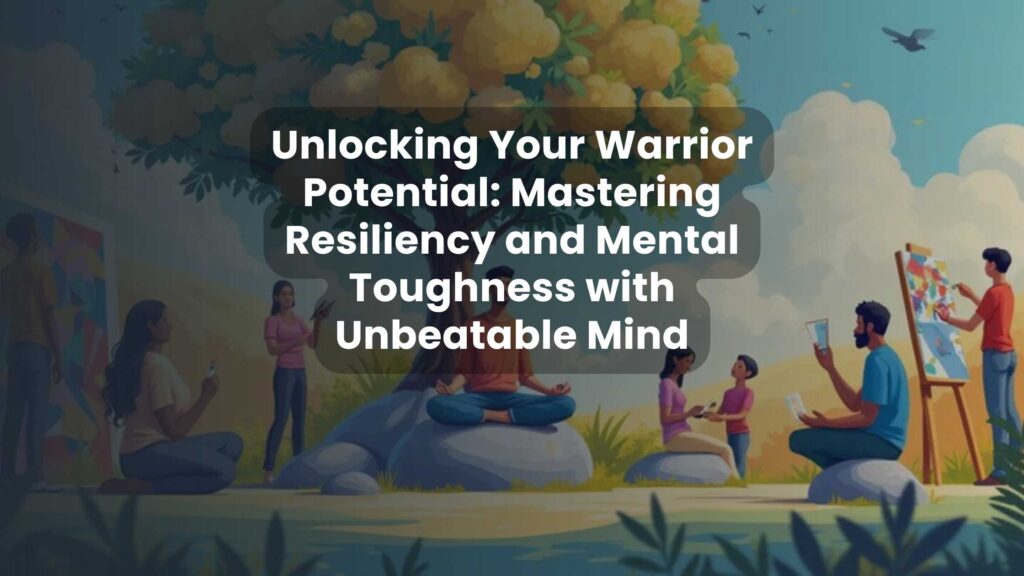
Unlocking Your Warrior Potential: Mastering Resiliency and Mental Toughness with Unbeatable Mind

In today’s fast-paced and often unpredictable world, the ability to harness mental toughness and resiliency is more crucial than ever. The journey to unlocking your warrior potential is not merely a quest for strength; it’s an exploration into the depths of your mind, where skills like focus, emotional resilience, and determination take center stage. Mental toughness is not a fixed trait reserved for the elite; it is a skill that can be cultivated through intentional practice and techniques that prepare you for the challenges life throws your way.
Understanding the foundational principles of mental toughness is the first step toward success. Techniques such as visualization and mindfulness play a pivotal role in helping individuals navigate obstacles with clarity and confidence. When you learn to be present and harness the power of your breath, you gain control over stress and enhance your ability to perform under pressure. Through effective goal-setting and the cultivation of a warrior mindset, you can equip yourself with the tools necessary to confront adversity head-on.
As you embark on this transformative journey, remember that your mindset shapes your reality. By embracing the principles outlined in “Unbeatable Mind” by Mark Divine, you will not only learn to overcome setbacks but also flourish in a world that demands excellence. Join us as we delve deeper into the strategies and insights that will empower you to master resilience and mental toughness, unlocking your true warrior potential.
Unlocking Mental Toughness: The Foundation of Resiliency
Unlocking mental toughness is essential for building a solid foundation of resiliency. This skill, far from being an innate trait, can be cultivated through various techniques such as visualization, mindfulness, and affirmations, which empower individuals to confront challenges with unwavering determination. For instance, studies have shown that regular mindfulness meditation can significantly enhance emotional resilience, enabling people to better manage stress and maintain focus in demanding situations. Moreover, effective visualization serves as a mental roadmap for success, allowing individuals to picture positive outcomes and set SMART goals that boost motivation and readiness. Incorporating breathing techniques, like box breathing, can further calm the mind during high-pressure moments, ensuring that one remains composed and focused. By embracing a warrior mindset, characterized by resilience and courage, individuals can tackle adversity with tenacity, ultimately cultivating a positive attitude that reinforces their ability to bounce back from setbacks. Through these methods, the journey towards unlocking mental toughness becomes a transformative experience, fostering continuous growth and a commitment to personal and professional excellence.
Harnessing Mindfulness for Enhanced Focus and Performance
Harnessing mindfulness can significantly enhance focus and performance, acting as a powerful tool for individuals seeking to achieve their goals. By cultivating a present-moment awareness through regular mindfulness practices, like meditation and deep breathing, individuals can reduce stress and improve mental clarity. For instance, studies have shown that employees who practice mindfulness report a 32% increase in their focus and productivity levels. This heightened state of awareness not only sharpens concentration but also fosters emotional resilience, enabling individuals to navigate challenges with greater ease. Techniques such as visualization and affirmations complement mindfulness by creating a mental roadmap for success, empowering individuals to envision positive outcomes and stay motivated. Moreover, embracing a warrior mindset, characterized by resilience and determination, further strengthens one’s ability to confront adversity. In a world where distractions are abundant, incorporating mindfulness into daily routines serves as a cornerstone for enhanced performance and personal growth.
Fostering Team Cohesion: The Power of Collaboration
Fostering team cohesion through collaboration is essential for achieving peak performance and overcoming challenges. When team members communicate openly and align their goals, they create a powerful synergy that enhances productivity and innovation. For instance, research shows that teams with strong collaborative practices are 5 times more likely to achieve their objectives, highlighting the tangible benefits of working together. Techniques like mindfulness and effective visualization can further strengthen this collaboration by promoting mental clarity and shared vision among teammates. By incorporating practices such as box breathing to manage stress and maintain focus, teams can navigate high-pressure situations more effectively. Additionally, cultivating emotional resilience within the group allows for better handling of setbacks, reinforcing trust and mutual support. Ultimately, fostering a culture of collaboration not only enhances team dynamics but also cultivates a mindset geared toward continuous learning and growth, empowering individuals to contribute to their collective success.
Mastering Breathing Techniques for Stress Control
Mastering breathing techniques is essential for effective stress control and overall mental well-being. These techniques, such as box breathing and diaphragmatic breathing, not only calm the mind but also enhance focus, allowing individuals to navigate high-pressure situations with greater ease. For example, research has shown that structured breathing practices can reduce cortisol levels— the hormone linked to stress— by up to 30 percent, providing a tangible benefit to those who incorporate them into their daily routines. By engaging in practices that promote mindfulness and emotional resilience, individuals can cultivate a deeper awareness of their stress responses and develop the mental toughness needed to face challenges head-on. Just as visualization creates a roadmap for success, deliberate breathing techniques offer a pathway to emotional stability and clarity, empowering individuals to harness their full potential. Through consistent practice, these simple yet powerful tools can transform one’s approach to stress, fostering a more balanced and fulfilling life.
Developing a Warrior Mindset: Insights from Mark Divine
Developing a warrior mindset is essential for overcoming challenges and achieving personal success. Mark Divine emphasizes that this mindset is rooted in resilience, courage, and a commitment to never give up, traits that can be cultivated through intentional practices. For instance, understanding mental toughness is pivotal, as it is not merely an innate quality but a skill that can be developed through techniques like visualization and mindfulness. Engaging in regular mindfulness exercises fosters mental clarity and emotional resilience, helping individuals manage stress effectively and maintain focus during high-pressure situations. Visualization, particularly when combined with SMART goal-setting, serves as a powerful tool for creating a mental roadmap to success, enhancing motivation by allowing individuals to envision their desired outcomes. Furthermore, incorporating breathing techniques, such as box breathing, calms the mind and sharpens concentration, equipping individuals with the control necessary to navigate adversity. By embracing these strategies, one can cultivate a warrior mindset that not only confronts challenges with tenacity but also fosters personal accountability and continuous learning, ultimately leading to sustained growth and achievement.
Building Emotional Resilience: Strategies for Overcoming Setbacks
Building emotional resilience is essential for effectively overcoming setbacks and challenges in life. This resilience can be strengthened through various strategies that promote mental toughness, such as visualization, mindfulness, and breathing techniques. For instance, research shows that individuals who practice mindfulness meditation regularly report lower levels of stress and enhanced focus, enabling them to navigate pressures more effectively. Visualization serves as a powerful tool, allowing individuals to create a mental roadmap towards their goals, thereby increasing motivation and preparing them for success. Techniques like box breathing can calm the mind, providing clarity during high-pressure situations, while affirmations help cultivate a positive mindset that reinforces determination. By adopting these strategies, individuals can develop a warrior mindset characterized by resilience and adaptability, equipping them to face adversity with courage and tenacity. Ultimately, fostering emotional resilience not only enhances personal well-being but also strengthens team dynamics, as shared trust and communication are vital components for collaborative success.
Fostering Team Cohesion: The Power of Collaboration
Fostering team cohesion through collaboration is essential for maximizing performance and achieving collective goals. When team members work together harmoniously, they create a synergistic environment that enhances creativity and problem-solving capabilities. For example, research has shown that teams with strong collaborative foundations can outperform their competitors by as much as 30 percent. This increase in performance can be attributed to the trust and open communication that develops when individuals feel valued and supported. Moreover, techniques such as mindfulness and visualization not only bolster individual mental toughness but also contribute to a shared mindset that aligns team efforts toward common objectives. By cultivating emotional resilience and promoting personal accountability, teams can navigate challenges with tenacity, reinforcing a warrior mindset that embraces adversity. Ultimately, investing in team cohesion today lays the groundwork for sustained success in the future, highlighting the transformative power of collaboration.
Embracing Self-Leadership: The Key to Personal Accountability
Embracing self-leadership is essential for cultivating personal accountability, as it empowers individuals to take responsibility for their actions and decisions. This proactive approach not only fosters integrity but also drives excellence in both personal growth and team performance. For instance, individuals who practice self-leadership often employ techniques such as visualization and mindfulness, which enhance mental toughness and resilience. According to research, those who engage in regular mindfulness practices report a 30 percent increase in focus and clarity, enabling them to manage stress more effectively and maintain their commitment to goals. Additionally, by setting SMART goals—specific, measurable, achievable, relevant, and time-bound—individuals create a mental roadmap that propels them toward success. As they navigate challenges, the cultivation of emotional resilience becomes crucial; effective strategies for managing emotions can help maintain focus and foster a warrior mindset. By embracing self-leadership, individuals not only enhance their own capabilities but also contribute positively to their teams, creating a culture of accountability and shared success.
Conclusion
In conclusion, unlocking your warrior potential through the principles of resiliency and mental toughness is not merely a dream but a tangible reality that anyone can achieve. As we have explored throughout this journey, mental toughness is a skill that can be cultivated through intentional practice and the right mindset. By integrating techniques such as visualization, mindfulness, and effective breathing exercises into your daily routine, you can strengthen your ability to face life’s challenges head-on.
Mindfulness plays a pivotal role in enhancing focus and clarity, allowing you to remain present in critical moments and manage stress effectively. Coupled with visualization techniques, you can create a powerful mental roadmap that guides you toward achieving your goals, ensuring that your mind is primed for success.
Adopting a warrior mindset, as championed by Mark Divine, empowers you to embrace resilience, courage, and adaptability. These traits are essential for navigating adversity and maintaining momentum, particularly when faced with setbacks. Moreover, the importance of emotional resilience cannot be overstated; mastering your emotions enables you to maintain focus and composure in high-pressure situations.
Encouraging a team-oriented approach enhances collaboration and performance outcomes, reinforcing the idea that you are not alone in your journey. Building trust, promoting open communication, and aligning on shared goals are fundamental to cultivating a thriving team dynamic.
As you move forward, remember that self-leadership and personal accountability are cornerstones of growth. Taking ownership of your actions fosters integrity, setting a standard for both individual and collective success. A commitment to lifelong learning ensures that you can adapt to changes and challenges, paving the way for continuous improvement.
Finally, maintaining a positive attitude is vital. By reframing negative thoughts and practicing gratitude, you can bolster your mental resilience and enhance your overall well-being.
In today’s fast-paced world, the insights shared in “Unbeatable Mind” by Mark Divine serve as a valuable resource for anyone looking to elevate their performance and achieve success. Embrace the journey of mastering resiliency and mental toughness, and unlock the warrior within you. Your potential is boundless, and with dedication and the right strategies, you can thrive in any environment.
FAQ
FAQ Section for Unlocking Your Warrior Potential: Mastering Resiliency and Mental Toughness with Unbeatable Mind
1. What is mental toughness and how can it be developed?
Mental toughness is the ability to stay focused, resilient, and determined in the face of challenges. Unlike a fixed trait, it is a skill that can be honed over time. Techniques such as visualization, affirmations, and mindfulness are effective ways to build mental toughness, enabling individuals to tackle obstacles with confidence.
2. How does mindfulness contribute to mental toughness?
Mindfulness is a practice that enhances mental clarity and emotional resilience. By staying present and fully engaged in the moment, individuals can better manage stress and increase focus. Regular meditation practices not only promote relaxation but also enhance performance in high-pressure situations.
3. What are some effective visualization techniques for achieving my goals?
Visualization involves creating a mental image of success, which acts as a roadmap towards achieving your objectives. By picturing positive outcomes and employing the SMART criteria—specific, measurable, achievable, relevant, and time-bound—you can boost your motivation and mentally prepare yourself for success.
4. Why are breathing techniques important for managing stress?
Breathing techniques play a crucial role in stress management. Methods such as box breathing help calm the mind and sharpen focus. By mastering these techniques, individuals can gain better control over their emotional responses, especially during challenging moments.
5. What does it mean to cultivate a warrior mindset?
Cultivating a warrior mindset means fostering resilience, courage, and a firm commitment to never give up. By embodying these qualities, individuals can face adversity with tenacity and determination, which is essential for overcoming life’s challenges.
6. How can I improve my emotional resilience?
Emotional resilience is vital for navigating setbacks and maintaining focus. Practical strategies, such as managing your emotions effectively and practicing self-compassion, can help you cultivate emotional resilience and enhance your overall mental toughness.
7. What elements contribute to building a strong team mindset?
A strong team mindset is built on trust, open communication, and shared goals. By fostering these elements, teams can improve collaboration and performance outcomes, leading to greater success in achieving common objectives.
8. What is the role of self-leadership in personal growth?
Self-leadership involves taking responsibility for your actions and decisions. By embracing personal accountability, you can cultivate integrity and excellence, which not only benefits your individual growth but also enhances team performance.
9. How important is continuous learning for success?
A commitment to continuous learning is essential for sustained success. Adopting a growth mindset allows individuals to adapt more effectively to changes and challenges, ensuring they remain competitive and innovative in any environment.
10. How can I cultivate a positive attitude?
A positive attitude significantly impacts your performance and overall well-being. Strategies such as reframing negative thoughts and practicing gratitude can help bolster your mental resilience, allowing you to approach challenges with optimism and confidence.
In summary, mental toughness and resilience are skills that can be developed through dedicated practice. By focusing on techniques like mindfulness, effective goal setting, emotional management, and teamwork, individuals can unlock their warrior potential and thrive in the face of adversity. Lifelong learning and a positive attitude further enhance personal and professional growth, making these concepts invaluable for anyone striving for success in today’s challenging environment.