Unlocking the Secrets of Success: Embark on a Journey of Mastery with Robert Greene’s Wisdom

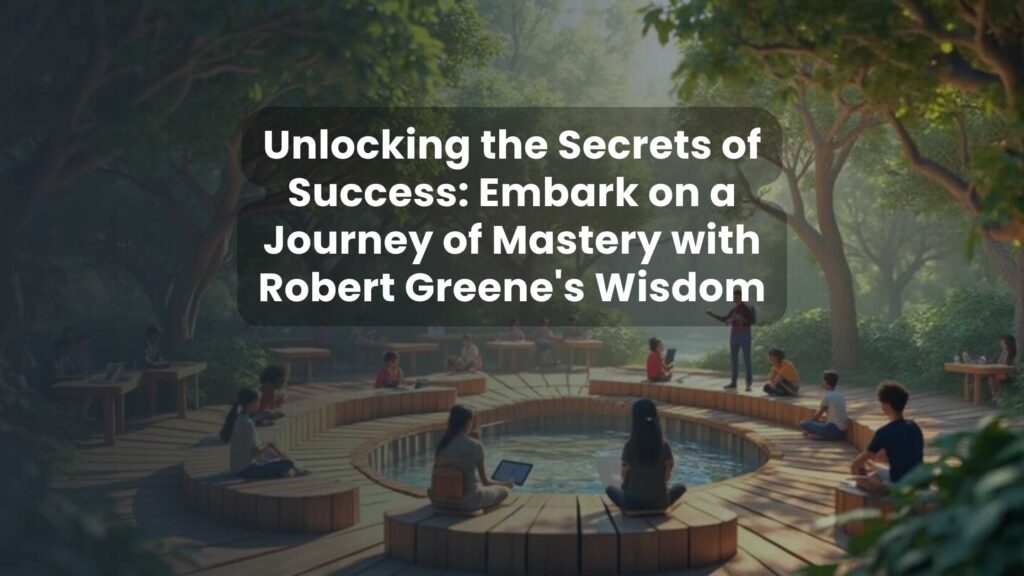
Success is often seen as a destination, but in reality, it is a continuous journey—a path defined by dedication, growth, and transformation. Drawing on the profound insights of Robert Greene, this exploration invites you to delve into the art of mastery, unlocking the secrets that elevate ordinary efforts into extraordinary achievements. From the patient diligence of the apprenticeship phase to the bold innovation of creative expression, mastery is a dynamic process that requires more than just skill; it demands emotional resilience, social intelligence, and an unyielding commitment to learning. Whether you are just beginning your journey or seeking to refine your expertise, embracing these principles can transform the way you approach your craft, helping you move beyond competence to true excellence. Step into a world where mastery is not a final destination but an ever-evolving pursuit, guided by wisdom, perseverance, and a deep understanding of both yourself and the world around you.
Mastering the Apprenticeship Phase: Building Strong Foundations Early
Mastering the apprenticeship phase is essential for building a strong foundation early in any pursuit of excellence. This initial stage revolves around absorbing core principles and skills with patience and humility. Rather than rushing ahead, apprentices focus on understanding the basics thoroughly, which sets the stage for future growth. For example, in trades like carpentry or culinary arts, apprentices spend months or even years honing fundamental techniques before attempting more complex tasks. This deliberate practice ensures that their skills are reliable and adaptable, reducing mistakes and building confidence over time.
Mentorship plays a crucial role during the apprenticeship phase by providing guidance and accelerating progress. A skilled mentor not only teaches technical skills but also shares insights from experience, helping apprentices navigate challenges and avoid common pitfalls. Consider how a seasoned painter mentors an apprentice by demonstrating brush techniques, offering feedback, and encouraging experimentation within safe boundaries. This hands-on support fosters deeper learning and motivation, making the apprenticeship phase more productive and less daunting.
Developing emotional resilience is another key aspect of mastering the apprenticeship phase. Early learning often involves setbacks and frustrations, but cultivating patience and a growth mindset enables apprentices to persevere. For instance, a coding apprentice encountering frequent errors learns to view mistakes as opportunities rather than failures. This resilience strengthens their ability to stay focused and maintain enthusiasm despite obstacles, which is critical for sustained improvement and eventual mastery.
To maximize the apprenticeship phase, apprentices should adopt practical strategies that promote consistent growth. Setting clear, measurable goals helps maintain direction and track progress. Breaking down complex skills into manageable steps allows for steady advancement without feeling overwhelmed. Additionally, seeking regular feedback from mentors and peers ensures continuous refinement and prevents stagnation. By combining these approaches, apprentices build strong foundations that support more creative and innovative phases of learning later on.
Understanding and aligning with natural learning rhythms can enhance efficiency during the apprenticeship phase. Just as athletes incorporate rest to allow muscle recovery, learners benefit from balanced practice sessions interspersed with breaks. This approach prevents burnout and improves retention. For example, language learners who study intensively for short periods followed by rest often retain vocabulary better than those who cram. Embracing these natural patterns helps apprentices sustain motivation and absorb information more effectively.
Social intelligence is also vital in the apprenticeship phase, especially in collaborative environments. Developing communication skills and emotional awareness enables apprentices to build relationships and learn from others. In team-based professions like healthcare or engineering, being able to listen, ask questions, and adapt to feedback fosters a supportive learning atmosphere. This social engagement not only improves technical skills but also prepares apprentices for future leadership and teamwork challenges.
Avoiding complacency early on is important to stay on the path to mastery. Even in the apprenticeship phase, maintaining curiosity and a willingness to tackle new challenges drives continuous growth. For instance, a musical apprentice who experiments with different genres and techniques expands their skill set beyond the basics. This proactive mindset prevents skill stagnation and keeps learning dynamic, laying the groundwork for future innovation and personal style development.
Finally, embracing the mindset of a perpetual student from the very start shapes long-term success. Recognizing that mastery is a lifelong journey encourages apprentices to remain open to feedback and new knowledge. This attitude fosters humility and adaptability, valuable traits as industries and technologies evolve. Those who see themselves as lifelong learners are better equipped to integrate skills and experiences naturally, moving seamlessly toward mastery and beyond.
How Mentorship Accelerates Your Journey to True Mastery
Mentorship plays a pivotal role in unlocking mastery by providing personalized guidance tailored to your unique strengths and challenges. Unlike self-directed learning, mentorship offers real-time feedback that sharpens your skills and nurtures your intuition, which is essential for deep understanding. For example, top athletes often credit their coaches with accelerating their progress by identifying subtle weaknesses and suggesting targeted improvements. This focused attention prevents common pitfalls and speeds up the apprenticeship phase, allowing you to build a solid foundation more efficiently.
A mentor also acts as a catalyst during the creative-active phase of mastery, encouraging experimentation and innovation. When you have a trusted guide, you gain the confidence to push boundaries and develop your own style without fear of failure. Consider how renowned chefs evolve their signature dishes through mentorship, blending traditional techniques with personal flair. This dynamic interaction transforms routine practice into a rich learning experience, making your journey both exciting and productive as you integrate new ideas with foundational skills.
Moreover, mentorship strengthens emotional resilience, a critical yet often overlooked aspect of mastering any discipline. Setbacks and frustrations are inevitable, but mentors provide encouragement and perspective that help you maintain focus and motivation. Studies in professional development show that individuals with mentors are more likely to persist through challenges and sustain long-term growth. By sharing their own experiences with failure and recovery, mentors foster a mindset that views obstacles as opportunities for learning rather than barriers.
Social intelligence is another valuable benefit of mentorship that accelerates mastery. Effective mentors not only impart knowledge but also model how to navigate complex interpersonal dynamics within your field. This guidance enhances your ability to collaborate, network, and communicate, which are crucial for accessing new opportunities and resources. For example, in creative industries, mentorship often opens doors to partnerships and projects that would otherwise remain inaccessible, enriching your learning environment and broadening your expertise.
To make the most of mentorship on your path to mastery, approach the relationship with clear goals and openness to feedback. Regularly discuss your progress and challenges, and be willing to step outside your comfort zone when advised. Seek mentors who have demonstrated excellence in areas relevant to your ambitions and who communicate in a supportive, constructive manner. By actively engaging in this partnership, you maximize your learning efficiency and accelerate your journey toward true mastery.
Innovate and Personalize: Embracing the Creative-Active Mastery Stage
In the creative-active mastery stage, innovation and personalization become the driving forces behind exceptional performance. This phase marks a shift from simply applying learned skills to experimenting with new ideas and approaches. Individuals begin to infuse their work with originality, tailoring techniques to fit their unique strengths and preferences. For example, a graphic designer who has mastered fundamental tools might start blending unexpected color palettes or incorporating mixed media, transforming standard projects into distinctive art pieces. By embracing innovation, professionals not only refine their craft but also push the boundaries of what is possible in their field.
Personalization in this stage means more than just customization; it reflects a deep understanding of one’s own style and the confidence to express it authentically. This allows for meaningful differentiation in a competitive environment. Consider a chef who moves beyond classic recipes to create signature dishes that showcase personal culinary philosophy while meeting diners’ tastes. This creative freedom encourages experimentation while maintaining a high standard of quality, demonstrating mastery through originality. It also helps build a personal brand, which can be essential for career advancement and recognition.
To effectively innovate and personalize, it is crucial to remain open to continuous learning and feedback. Mastery is not a fixed destination but an evolving journey where even subtle improvements contribute to excellence. Professionals can adopt strategies such as dedicating time for creative brainstorming, seeking diverse perspectives, and testing new methods in controlled settings. For instance, a software developer might allocate time each week to explore emerging technologies and incorporate select features into projects. This proactive approach keeps skills sharp and aligns innovation with practical application.
Practical steps to embrace this stage include setting specific goals for creative experimentation and tracking results to identify what resonates most. Keeping a journal or portfolio of ideas and iterations can help maintain momentum and clarity. Collaborating with mentors or peers who encourage risk-taking and constructive critique also fuels growth. By blending innovation with personalization, individuals unlock mastery that is not only effective but also deeply fulfilling, positioning themselves as leaders and trendsetters in their fields.
Innovate and Personalize: Embracing the Creative-Active Mastery Stage
At the Creative-Active Mastery Stage, innovation and personalization become the driving forces behind true excellence. This phase marks a shift from simply applying learned skills to experimenting with new ideas and infusing personal style into your work. It is where mastery transforms from routine execution into creative expression, allowing you to stand out by tailoring solutions that resonate uniquely with your goals and audience. For example, a musician in this stage might blend genres to create a signature sound, or a software developer could design intuitive interfaces that reflect their distinct approach to user experience. Embracing this stage means moving beyond imitation to crafting original contributions that push boundaries.
Innovation at this level thrives on curiosity and a willingness to challenge conventions. By actively seeking novel approaches, you foster a dynamic environment where creativity flourishes. The Creative-Active Mastery Stage encourages iterative experimentation, where each attempt refines your style and deepens your expertise. Companies that embody this mindset, like Apple or Tesla, continuously innovate by integrating cutting-edge technology with personalized design, setting industry standards. To emulate this, focus on identifying gaps in your field and explore unconventional methods to address them, using feedback as a guide to evolve your creations.
Personalization is equally crucial in this mastery phase. It involves adapting techniques and knowledge to fit your unique strengths, values, and context, making your work authentic and impactful. For instance, a chef who personalizes recipes to highlight local ingredients not only honors tradition but also creates a distinctive culinary experience. This tailored approach boosts engagement and relevance, whether in art, business, or technology. Practical steps to enhance personalization include reflecting on your core motivations, experimenting with diverse styles, and soliciting feedback to align your innovations with audience needs effectively.
To harness the full potential of the Creative-Active Mastery Stage, cultivate habits that support continuous innovation and personalization. Set aside regular time for creative exploration, embrace failure as a learning tool, and seek collaboration to gain fresh perspectives. Additionally, document your experiments and outcomes to track progress and identify patterns that inform future efforts. By systematically integrating these practices, you unlock mastery that not only achieves excellence but also generates original value, ensuring your contributions remain relevant and inspiring in a constantly evolving landscape.
Harnessing Nature’s Patterns to Boost Learning Efficiency
Nature’s intricate patterns offer a wealth of insights that can significantly enhance learning efficiency. By observing the natural world, we can identify rhythms and cycles that reflect effective learning strategies. For instance, the way trees grow—slowly but steadily, adapting to their environment—mirrors the learning process. Just as trees need time and the right conditions to flourish, learners must be patient and allow themselves to grow through experience and practice. This understanding emphasizes the importance of taking deliberate breaks and ensuring a balanced approach to studying, leading to deeper comprehension and retention of information.
Incorporating nature-inspired methodologies into learning environments can transform the educational landscape. For example, the concept of biomimicry illustrates how organisms adapt to their surroundings, which can be applied to personalize learning experiences. Just as a river carves its path through the landscape, learners can find their unique way through challenges by identifying their interests and strengths. This adaptive approach not only fosters engagement but encourages learners to explore topics that resonate with them personally, enhancing motivation and overall learning outcomes.
Embracing the cycles found in nature can also guide the structure of learning sessions. Research supports the idea of spaced repetition, akin to the way seasons change, allowing for periods of rest and renewal. This method enhances memory retention significantly compared to cramming. For instance, the “spacing effect” shows that information is better remembered when it is spaced out over time rather than presented all at once. By implementing this strategy, learners can improve their ability to recall and apply knowledge, leading to mastery in their chosen fields.
Practical applications of these principles can be easily integrated into daily routines. Start by observing the natural patterns in your environment and reflect on how they can inform your learning process. Create a study schedule that mimics natural cycles, allowing for periods of intense focus followed by breaks for reflection and relaxation. Additionally, consider seeking mentorship, much like the symbiotic relationships found in ecosystems, where different species support one another’s growth. A mentor can provide guidance and feedback, accelerating your learning journey while helping you navigate challenges with greater ease.
Furthermore, developing emotional resilience is crucial for maintaining progress in the face of setbacks. Nature teaches us that change is constant, and adaptability is key to survival. By cultivating a mindset that embraces challenges as opportunities for growth, learners can sustain their motivation and commitment. Engaging with communities or groups that support collaborative learning can also enhance social intelligence, essential for thriving in a dynamic learning environment. This collaboration not only enriches the learning experience but mirrors the interconnectedness found in nature.
Finally, always strive to remain curious and open to new experiences. Just as ecosystems evolve, learners should embrace the role of the perpetual student, continuously seeking knowledge and improvement. By staying attuned to the lessons offered by nature, individuals can unlock their potential and achieve excellence in their pursuits. This lifelong commitment to learning, inspired by the natural world, ensures that one remains adaptable and prepared for the challenges of an ever-changing landscape.
Harnessing Nature’s Patterns to Boost Learning Efficiency
Nature offers a remarkable blueprint for learning efficiency, with patterns that have evolved over millennia to optimize growth and adaptation. By observing cycles such as the changing seasons, the rhythm of day and night, and the growth patterns of plants, learners can align their study habits with these natural flows. For example, just as plants follow periods of active growth and rest, students can alternate focused study sessions with breaks to enhance memory retention. This approach not only prevents burnout but also mirrors the natural balance of effort and recovery, making learning more sustainable and effective.
One powerful pattern to harness is the concept of incremental progress, similar to how trees grow ring by ring over time. Mastery in any field is rarely achieved overnight; it requires consistent, small steps that compound into significant improvement. Embracing this natural pace encourages patience and persistence during the apprenticeship phase of learning, when foundational skills are built. Research shows that spacing out practice over weeks or months leads to better long-term retention compared to cramming. By using nature’s gradual unfolding as a metaphor, learners can stay motivated and focused, knowing that each step contributes to lasting mastery.
Mentorship plays a role akin to the symbiotic relationships found in ecosystems, where different species support each other’s growth. A mentor acts as a guide who helps learners navigate challenges and accelerates their journey to excellence. Just as bees pollinate flowers to help them flourish, mentors provide feedback and knowledge that unlock deeper understanding. Leveraging this natural dynamic enriches the learning process, allowing individuals to move confidently from basic skills to creative experimentation. Practical tip: Seek out mentors who challenge your thinking and offer diverse perspectives to foster innovation and personal style.
Integrating skills and experiences resembles the interconnected networks of roots beneath a forest floor, where information flows seamlessly to support the whole system. As learners progress to advanced phases of mastery, their accumulated knowledge blends into instinctive decision-making. This phase is characterized by effortless application, where skills become second nature. Aligning this integration with nature’s holistic patterns encourages learners to trust their intuition while remaining adaptable. To implement this, reflect regularly on lessons learned and experiment with applying them in new contexts, reinforcing the natural cycle of growth and adaptation.
Emotional resilience, much like nature’s ability to recover from storms or droughts, is essential for maintaining momentum in learning. Setbacks and failures are inevitable but can be transformed into opportunities for growth when approached with a resilient mindset. Cultivating this quality allows learners to stay engaged throughout their journey, especially during challenging phases. Techniques such as mindfulness and positive self-talk mirror nature’s steady recovery processes and can be practiced daily to build mental strength. Embracing this resilience ensures continuous progress and aligns with nature’s enduring spirit of renewal.
Building Emotional Resilience to Enhance Long-Term Collaborative Mastery Success
Building emotional resilience is essential for sustaining long-term collaborative mastery success. When individuals face setbacks or conflicts within a team, emotional resilience acts as a buffer, helping them recover quickly and maintain focus on shared goals. For example, in high-pressure environments like software development or healthcare, resilient team members manage stress better, which leads to more consistent performance and innovation. Developing this resilience means learning to regulate emotions, stay optimistic despite obstacles, and view challenges as opportunities for growth rather than threats.
One key aspect of emotional resilience in collaboration is the ability to navigate interpersonal dynamics with empathy and patience. Teams that cultivate emotional awareness can resolve misunderstandings without escalating tensions, fostering a culture of trust and mutual respect. This emotional intelligence strengthens communication channels and enhances group problem-solving effectiveness. Consider a creative agency where diverse talents must merge ideas; emotional resilience allows members to balance differing opinions, leading to innovative outcomes rather than conflict-driven stagnation.
Building emotional resilience also supports the apprenticeship and mastery phases of any collaborative journey. During the apprenticeship phase, individuals often encounter steep learning curves and uncertainty, which can trigger frustration or self-doubt. Emotional resilience helps learners stay engaged and motivated through these early challenges. Later, in the mastery-integration phase, resilience ensures that even highly skilled collaborators remain adaptable and open to feedback. This continuous emotional stamina is what enables teams to innovate actively, embracing new styles and approaches without fear of failure.
Practical steps to build emotional resilience include practicing mindfulness techniques to stay present and reduce stress during difficult interactions. Regular reflection on personal reactions and triggers can also increase self-awareness, a cornerstone of emotional regulation. Teams can benefit from creating safe spaces for honest feedback and encouraging open dialogue about emotional challenges. Leaders should model resilient behaviors by demonstrating calm problem-solving and maintaining a positive outlook, inspiring others to follow suit. Together, these actions create a resilient culture that propels long-term collaborative mastery success.
Developing Social Intelligence to Enhance Collaborative Mastery
Developing social intelligence is a key factor in enhancing collaborative mastery, as it helps individuals navigate complex interpersonal dynamics with ease. Social intelligence involves understanding and managing emotions, recognizing social cues, and adapting communication styles to different situations. For example, in a team project, a member with high social intelligence can sense when a colleague is overwhelmed and offer support or adjust their approach to maintain harmony. This ability to read and respond to social signals fosters an environment where collaboration thrives, leading to more effective problem-solving and innovation.
Building on this foundation, cultivating empathy plays a crucial role in mastering collaboration. Empathy allows team members to appreciate diverse perspectives and motivations, which can reduce conflicts and increase mutual respect. Research shows that teams demonstrating high empathy levels outperform others in creativity and productivity. Practical steps to develop empathy include active listening exercises, seeking feedback, and engaging in diverse group activities. These practices encourage openness and understanding, which are essential for unlocking mastery in any collective endeavor.
Another vital aspect of social intelligence is effective communication, which directly impacts collaborative success. Clear and concise communication minimizes misunderstandings and ensures that all members are aligned with shared goals. Leaders who model transparent communication create trust and encourage others to express ideas freely. For instance, technology companies that prioritize open dialogue often report faster decision-making and greater innovation. To enhance communication skills, individuals can focus on refining their verbal and non-verbal cues, practicing constructive feedback, and using collaborative tools that facilitate real-time interaction.
Conflict resolution skills also form a critical component of social intelligence in collaborative settings. Conflicts are inevitable in any group, but the ability to address disagreements constructively can transform challenges into growth opportunities. Techniques such as identifying common ground, staying solution-focused, and maintaining emotional control help teams move past disputes efficiently. Case studies from high-performing organizations reveal that teams equipped with conflict resolution training experience higher retention rates and stronger cohesion. Implementing regular conflict management workshops or role-playing scenarios can prepare members to handle tensions proactively.
To put these ideas into practice, individuals and teams can adopt specific strategies to boost social intelligence and collaboration. Start by setting shared expectations for respectful communication and active engagement. Encourage regular check-ins to gauge team morale and address issues early. Additionally, fostering a culture of curiosity—where members ask questions and seek to understand before reacting—can deepen connections and enhance collective mastery. By integrating these actionable steps, teams not only improve their social skills but also unlock the full potential of collaborative excellence.
Conclusion
In conclusion, unlocking the secrets of success through Robert Greene’s wisdom is a transformative journey that demands dedication, patience, and continuous growth. By understanding the core principles of mastery, embracing the apprenticeship phase, and seeking guidance from mentors, you lay a strong foundation for excellence. Progressing through stages of creative experimentation and skill integration allows you to develop a unique style and instinctual expertise. Along the way, cultivating emotional resilience and social intelligence enhances your ability to navigate challenges and collaborate effectively. Most importantly, maintaining curiosity and a commitment to lifelong learning ensures you stay ahead, evolving with every new experience.
If you’re ready to deepen your understanding and take your pursuit of mastery further, explore our comprehensive guide, Unlocking Mastery: The Ultimate Guide to Achieving Excellence. Reflect on your own journey—where are you now, and what steps will you take to move forward with greater purpose? Success is not a destination but an ongoing adventure. Embrace it fully and keep pushing the boundaries of what you can achieve.
FAQ
Frequently Asked Questions about Unlocking the Secrets of Success: Embark on a Journey of Mastery with Robert Greene’s Wisdom
What is the core idea behind mastery according to Robert Greene?
Mastery is about developing deep intuition and a profound understanding of your chosen field. It requires dedication, patience, and a commitment to continuous improvement. The goal is to move beyond surface-level knowledge to achieve excellence through sustained effort and learning.
How important is the apprenticeship phase in the journey to mastery?
The apprenticeship phase is crucial as it lays the foundation for your expertise. During this phase, you focus on absorbing essential skills and knowledge with humility and patience. It is a time for learning, practice, and building the groundwork necessary for advanced growth.
Why does mentorship play a vital role in achieving mastery?
Mentors provide guidance, challenge your thinking, and offer valuable insights that accelerate your development. Their experience helps you avoid common pitfalls and gain a clearer path toward mastery, making mentorship an indispensable part of the journey.
What happens during the creative-active phase of mastery?
In this phase, you begin to experiment and innovate beyond foundational skills. It’s where personal style and originality emerge, allowing you to add your unique flair and make creative decisions that distinguish your work from others.
How does the mastery-integration phase transform your abilities?
This phase blends all your skills and experiences into instinctual and seamless actions. Decisions and performances become automatic and fluid, allowing you to operate at a level that feels natural and transcends ordinary competence.
Can observing nature really help with mastering a skill?
Yes, nature offers valuable lessons in efficiency and rhythm. By aligning your learning process with natural patterns such as cycles of effort and rest, you can enhance your progress and avoid burnout, making your path to mastery smoother.
What role does emotional resilience play in mastering a craft?
Emotional resilience is essential for managing setbacks and challenges. It helps you maintain focus, motivation, and determination even when facing difficulties, ensuring you stay on course toward achieving mastery.
Why is social intelligence important in the mastery journey?
Mastery is not only about individual skill but also about effective collaboration. Social intelligence enables you to build strong relationships, communicate well, and work harmoniously with others, which can significantly enhance your growth and opportunities.
How can one avoid complacency once they reach a high level of mastery?
Avoiding complacency requires maintaining curiosity and a willingness to embrace new challenges. Continually seeking growth and staying adaptable ensures you remain ahead and relevant in an ever-changing world.
What does it mean to be a perpetual student in the context of mastery?
Being a perpetual student means committing to lifelong learning. Even after achieving mastery, a true master continues to seek new knowledge and experiences, ensuring ongoing evolution and preparedness for future challenges.
Where can I learn more about Robert Greene’s approach to mastery?
You can explore Robert Greene’s book titled “Mastery,” which delves deeply into these concepts and guides readers through the detailed steps and mindset necessary to achieve excellence in any field.