Unlocking Creativity: How Bored and Brilliant Helps You Discover Your Inner Genius


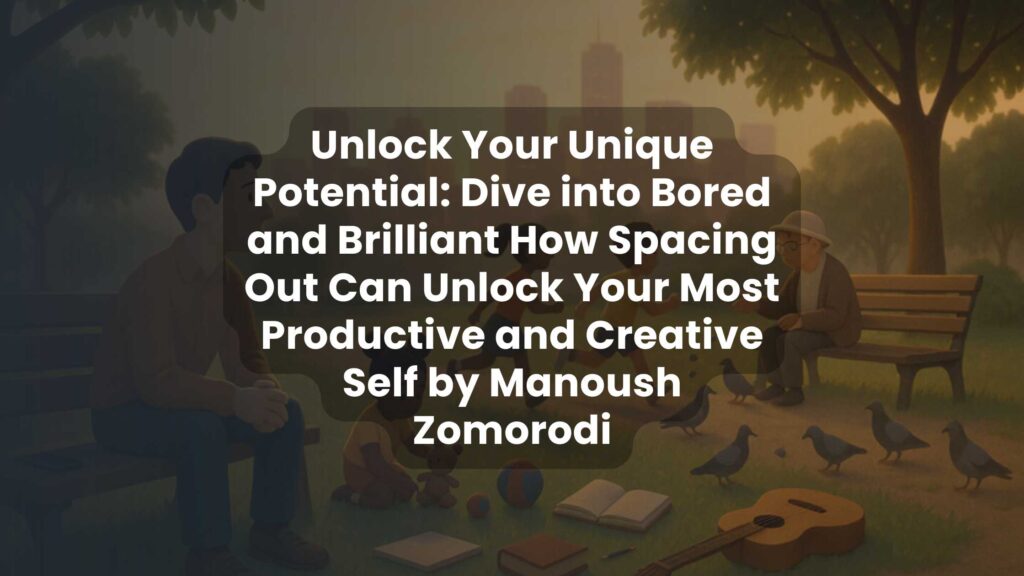
In a world constantly buzzing with activity and digital distractions, the concept of boredom often gets a bad rap. We tend to view it as an uncomfortable void to fill, a nuisance to dodge at all costs. However, what if we reframe our understanding of boredom and see it as a vital catalyst for creativity? Emerging research highlights boredom not as an enemy but as a powerful ally in the creative process. It allows our minds to wander, explore uncharted territories, and connect ideas in innovative ways.
As we navigate our fast-paced, screen-filled lives, we face a paradox: while technology offers endless stimulation, it simultaneously stifles our ability to embrace moments of stillness and reflection. Digital distractions pull us away from the depths of our thoughts, robbing us of the very experience that can unlock our creative potential. But there is hope. By incorporating practices that promote mindfulness and intentionally carving out time for boredom, we can reignite our imaginations and tap into our inner genius.
Neuroscience reveals that when we allow ourselves to be bored, we activate a mental state that fosters creativity. It is within these moments of quiet that our brains engage in self-reflection, sparking connections that can lead to groundbreaking ideas. Embracing boredom and minimizing distractions can help us not only understand ourselves better but also enhance our productivity and innovative thinking. Join us as we delve into the captivating intersection of boredom and creativity, exploring practical strategies to unlock your creative brilliance and discover the genius that lies within.
The Transformative Power of Boredom in Creative Thinking
Boredom plays a transformative role in enhancing creative thinking, acting as a catalyst for our minds to wander and explore new ideas. Rather than viewing boredom as a negative state, it is crucial to recognize its importance in the creative process, as it allows the brain to make innovative connections and generate unique solutions. Studies show that when we experience boredom, the brain activates its default mode network, a region associated with imagination and self-reflection, leading to insights that might otherwise remain undiscovered. However, in today’s digital age, constant distractions from screens diminish our ability to engage with boredom, which can stifle creativity. To counter this, implementing a digital detox—such as dedicating certain hours to screen-free activities—can help reclaim the time needed for boredom to flourish. Furthermore, mindfulness practices during these moments can enhance our capacity to stay present, encouraging deeper thought and reflection. By embracing boredom and consciously reducing distractions, we unlock our creative potential and foster an environment ripe for innovation and self-discovery.
Navigating Digital Distractions: A Barrier to Creative Flow
Digital distractions are a significant barrier to achieving creative flow, as they prevent individuals from experiencing the boredom that ignites imaginative thinking. In an age dominated by smartphones, notifications, and endless online content, the opportunity for our minds to wander is increasingly rare. Studies have shown that constant connectivity diminishes our ability to engage in the kind of reflective thinking that boredom fosters, which is essential for creativity. For instance, research indicates that boredom activates the brain’s default mode network, a crucial area linked to self-reflection and innovative thought. By managing screen time and embracing moments of inactivity, we can harness boredom as a powerful ally in the creative process. Implementing a structured digital detox, where individuals carve out screen-free hours for outdoor activities or mindfulness practices, can rejuvenate the mind and spark new ideas. Ultimately, by valuing boredom and reducing distractions, we unlock a deeper understanding of ourselves and enhance our capacity for creativity.
The Neuroscience Behind Boredom: Fueling Creative Insights
Boredom is a crucial element in the creative process that allows our minds to explore new ideas and solutions. Research in neuroscience shows that when we experience boredom, our brains activate the default mode network, a region associated with imagination and self-reflection. This activation can lead to innovative connections, as it encourages us to think beyond our immediate circumstances. For instance, studies indicate that individuals who allow themselves to feel bored tend to generate more creative ideas than those constantly bombarded by digital distractions. In today’s fast-paced digital world, the relentless notifications and instant gratification we seek often prevent us from experiencing true boredom, ultimately stifling our creativity. By implementing strategies such as designated screen-free hours or mindfulness practices, we can rediscover the benefits of boredom, allowing it to serve as a fertile ground for inspiration. Embracing these moments of stillness can unlock not just productivity but also a richer understanding of ourselves and our creative capabilities.
Mindfulness Practices: Cultivating Creativity from Within
Mindfulness practices are essential for cultivating creativity from within, as they allow individuals to embrace the often-overlooked power of boredom. Boredom, far from being merely an uncomfortable feeling, plays a vital role in the creative process by providing the mental space necessary for exploration and innovation. Studies have shown that when individuals experience boredom, their brains activate the default mode network, a state that enhances imagination and self-reflection. In our digital age, however, constant distractions from screens can stifle this valuable experience, diminishing our creative potential. By implementing mindful techniques such as meditation and deep-breathing exercises, individuals can learn to appreciate moments of stillness rather than seeking immediate distractions. Moreover, engaging in structured digital detoxes, where screen time is intentionally reduced, can lead to breakthroughs in creativity by freeing the mind to make unexpected connections. Ultimately, embracing boredom as a creative ally encourages deeper thought processes and fosters a richer understanding of oneself and the world.
Embracing a Digital Detox: A Pathway to Enhanced Creativity
Embracing a digital detox can significantly enhance creativity by allowing individuals to rediscover the power of boredom. In our fast-paced, digitally-driven lives, constant notifications and online engagements prevent us from experiencing the stillness that often sparks innovative ideas. Studies indicate that boredom is not merely an uncomfortable state; it serves as a crucial catalyst for creativity, activating the brain’s default mode network and fostering imagination and self-reflection. For instance, when we disconnect from our screens, we create opportunities for our minds to wander, leading to unexpected insights and connections. Techniques like mindfulness and meditation can further enhance this experience, encouraging a presence that nurtures creative thought. By designating screen-free hours for activities such as nature walks or artistic pursuits, individuals can cultivate an environment where boredom becomes a fertile ground for inspiration. Ultimately, by valuing moments of stillness and minimizing digital distractions, we unlock our creative potential and encourage deeper, more productive thought processes.
Essential Insights: The Connection Between Boredom and Creative Genius
Boredom is a crucial element in the creative process that allows our minds to explore new ideas and solutions. Contrary to common belief, experiencing boredom can ignite a spark of imagination, as it activates the brain’s default mode network, enhancing our ability to think creatively. For instance, research indicates that individuals suffering from digital distractions often struggle with this essential mental state, leading to diminished creative output. By managing screen time and embracing periods of boredom, we open ourselves up to innovative connections and insights that might otherwise be overlooked. Techniques such as mindfulness and structured digital detoxes encourage us to stay present, fostering an environment where creativity can flourish. Ultimately, by valuing boredom and minimizing distractions, we can unlock our creative potential, leading to deeper, more productive thought processes that inspire fresh ideas and solutions.

Exploring the Depths: Research on Boredom and Creative Potential
Boredom serves as a vital catalyst for creativity, unlocking pathways to innovative thinking and self-discovery. While often dismissed as a negative experience, research illustrates that boredom enables our minds to wander, fostering the exploration of new ideas and solutions. For instance, studies show that when individuals encounter periods of boredom, they are more likely to engage in imaginative thinking, as the brain’s default mode network becomes activated during these moments. However, in today’s digital age, constant distractions from screens and notifications impede our ability to experience true boredom, which in turn stifles creativity. To combat this, implementing strategies like digital detoxes can help restore opportunities for boredom, allowing individuals to immerse themselves in mindfulness practices such as meditation or nature walks. By embracing boredom rather than avoiding it, we can harness its hidden benefits and enhance our creative potential, ultimately leading to deeper insights and innovative breakthroughs. Engaging with this topic invites further exploration into the fascinating interplay between boredom and creativity, revealing a wealth of strategies to cultivate imaginative thinking.
Actionable Strategies: Unlocking Your Creative Potential Through Boredom
Embracing boredom as a catalyst for creativity can unlock untapped potential within us. Contrary to common belief, boredom is not merely a dull experience; it serves as a vital component in the creative process that enables our minds to wander freely and generate new ideas. For instance, research indicates that when we allow ourselves to experience boredom, our brains activate the default mode network, a region associated with imagination and self-reflection, leading to innovative connections and insights. In today’s digital age, however, constant distractions from screens inhibit our ability to truly engage with boredom. Studies suggest that managing screen time can significantly enhance our creative capabilities by fostering moments of introspection. Techniques such as mindfulness and structured digital detoxes not only encourage presence but also create an environment where boredom can thrive, ultimately inspiring fresh ideas. By recognizing boredom as a creative ally and minimizing distractions, we can enhance productivity and deepen our understanding of ourselves, paving the way for greater innovation and creative expression.
Conclusion
In conclusion, embracing boredom as a catalyst for creativity can unlock a wellspring of innovative ideas and insights. The journey through understanding how boredom plays a crucial role in the creative process reveals that it is not merely an uncomfortable state to be avoided but rather a necessary part of our mental landscape. In a world saturated with digital distractions, recognizing the impact these interruptions have on our ability to experience boredom is essential for nurturing creativity.
As we delve into the neuroscience behind boredom, we discover that this often-overlooked state activates key areas of our brains responsible for imagination and self-reflection. By practicing mindfulness, we can enhance our ability to stay present during moments of boredom, allowing our thoughts to wander freely and explore new possibilities. Implementing a digital detox can further amplify this process, creating dedicated time for introspection and creative exploration without the constant pull of technology.
The key takeaways from this exploration encourage us to view boredom not as a void to fill but as a fertile ground for cultivating our inner genius. By reducing digital distractions and valuing moments of stillness, we can ignite our creative potential and foster deeper, more productive thought processes. As we continue to investigate the captivating connection between boredom and creativity, we equip ourselves with the tools to harness this powerful state, ultimately leading to greater self-understanding and innovation.
So, the next time you find yourself feeling bored, instead of reaching for your phone or turning on the TV, consider allowing your mind to wander. Embrace the stillness, and you might just discover the brilliance that lies within.
FAQ
FAQ Section for Unlocking Creativity: How Bored and Brilliant Helps You Discover Your Inner Genius
What is the role of boredom in the creative process?
Boredom plays a crucial role in creativity by allowing our minds to wander and explore new ideas. Rather than being seen as a negative feeling, boredom can serve as a catalyst for innovative thinking, helping us discover unexpected solutions to problems.
How do digital distractions impact creativity?
In today’s digital world, constant distractions prevent us from experiencing true boredom, which is essential for creativity. When our attention is fragmented by screens and notifications, our ability to think deeply and creatively diminishes. Managing screen time and minimizing distractions are vital steps to rediscovering the creative potential that comes from boredom.
What does neuroscience say about boredom and creativity?
Research in neuroscience suggests that boredom activates the brain’s default mode network, which is associated with imagination and self-reflection. This state of mind can lead to the formation of innovative connections and insights, ultimately enhancing our creative capabilities.
How can mindfulness practices enhance creativity during moments of boredom?
Incorporating mindfulness techniques during periods of boredom can help us stay present and resist the urge to seek distractions. Practices such as meditation and deep-breathing exercises create a mental environment that fosters creativity, allowing our minds to generate fresh ideas and insights.
What is a digital detox, and how can it help boost creativity?
A digital detox involves intentionally reducing screen time and digital distractions for a designated period. By engaging in screen-free activities such as outdoor exploration or mindfulness practices, we create space for boredom, which can ultimately inspire new ideas and enhance our creative growth.
What are the key takeaways regarding boredom and creativity?
Embracing boredom as a creative ally is essential for unlocking our potential. By reducing digital distractions, we can enhance our productivity and gain deeper self-understanding, leading to greater innovation. Recognizing boredom as a beneficial state can pave the way for more profound and productive thought processes.
How can I further explore the relationship between boredom and creativity?
To dive deeper into the fascinating link between boredom and creativity, consider exploring research in neuroscience and mindfulness. Reading books and articles on these topics can provide additional strategies for harnessing the power of boredom to foster innovative thinking and creative growth.