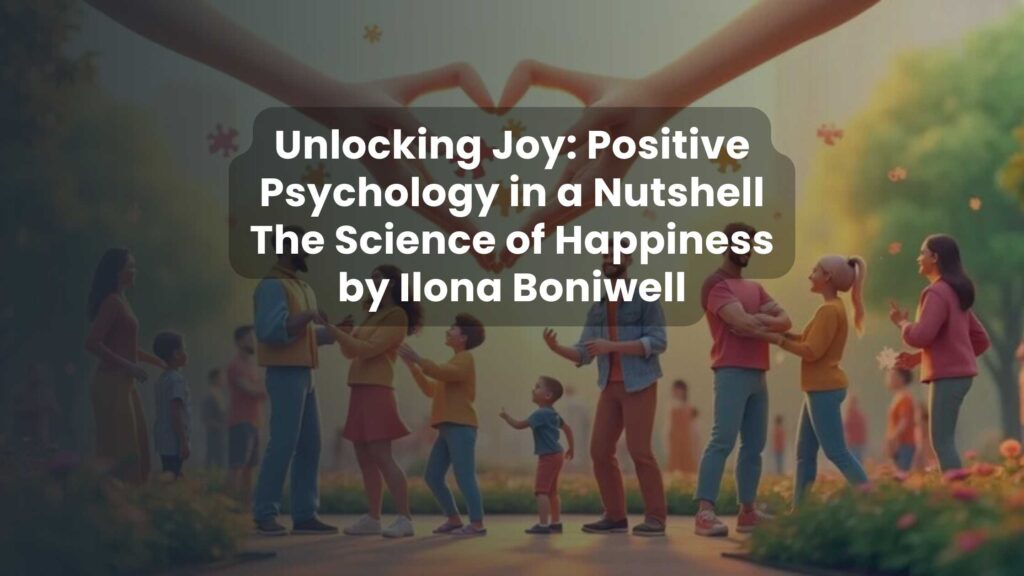
Unlocking Joy: Positive Psychology in a Nutshell The Science of Happiness by Ilona Boniwell

In a world often focused on fixing what’s wrong, a refreshing perspective emerges that centers on what makes life truly worth living. This approach delves into the strengths and virtues that empower individuals and communities to flourish, shifting the focus from simply solving problems to enriching the quality of our everyday experiences. At the heart of this science lies the exploration of emotions like joy and gratitude, which do more than brighten moments—they build resilience and shape a healthier outlook on life. Imagine being so fully immersed in an activity that time seems to disappear, where enjoyment and satisfaction flow naturally; this state, known as flow, plays a pivotal role in boosting overall well-being. By uncovering and embracing personal strengths such as courage and wisdom, individuals align their actions with deeper values, fostering a sense of authenticity and purpose. Coupled with hope and optimism, these qualities become powerful forces that transform challenges into opportunities for growth. Meaningful relationships further enrich this journey, offering support and connection that elevate happiness. Practices like gratitude and mindfulness cultivate appreciation and presence, helping to reduce stress and nurture positivity. Building resilience equips individuals to navigate adversity with strength and confidence, while pursuing meaning and purpose lays the foundation for lasting fulfillment. This science offers practical strategies to unlock joy and guide us toward a more vibrant, satisfying life.
Understanding Positive Psychology: Foundations of Happiness Science
Positive psychology shifts the focus from simply addressing problems to cultivating the strengths and virtues that help individuals and communities thrive. This approach highlights the foundations of happiness science by emphasizing what makes life worth living, rather than just fixing what is wrong. For example, instead of only treating depression, positive psychology explores how fostering hope, resilience, and gratitude can improve overall well-being. Research shows that by focusing on these positive traits, people experience greater life satisfaction and a deeper sense of fulfillment.
Emotions play a crucial role in achieving happiness, serving as the building blocks for a resilient and healthy mindset. Positive emotions such as joy, gratitude, and curiosity do more than brighten a moment; they broaden our perspectives and open doors to new possibilities. For instance, feeling gratitude regularly has been linked to stronger immune systems and reduced stress levels. By cultivating these emotions, individuals turn fleeting feelings into powerful tools that support long-term happiness and mental health.
One of the key discoveries in positive psychology is the concept of flow, a state of complete absorption in an activity. Flow occurs when challenges perfectly match a person’s skills, leading to intense focus and enjoyment. This state not only makes experiences more fulfilling but also boosts life satisfaction by creating meaningful moments throughout the day. Athletes, artists, and even workers often report that entering flow helps them perform better and feel more connected to their tasks, highlighting its importance in well-being.
Identifying and using personal strengths and virtues is another cornerstone of happiness science. Qualities like courage, wisdom, and kindness serve as internal guides that shape meaningful actions and authentic living. When people align their daily choices with these strengths, they experience greater satisfaction and purpose. For example, someone who values kindness may find joy in volunteer work, which reinforces both their identity and overall happiness.
Hope and optimism are vital fuels for personal growth and happiness. These attitudes encourage individuals to face challenges with confidence and view setbacks as opportunities rather than failures. Studies show that optimistic people tend to recover from difficulties faster and maintain better physical health. By nurturing hope, individuals build the inner resilience needed to pursue goals and maintain motivation even during tough times.
Building positive relationships is essential for enhancing life satisfaction. Meaningful connections provide emotional support, increase empathy, and foster trust, all of which contribute to a happier life. Positive psychology emphasizes the importance of nurturing these bonds through active listening, kindness, and shared experiences. For instance, people with strong social networks often report higher happiness levels and longer lifespans, demonstrating the power of human connection.
Practicing gratitude is a simple yet effective pathway to increased happiness. By consciously focusing on what we appreciate, gratitude shifts attention away from what is lacking and fosters a mindset of abundance. Keeping a gratitude journal, where one records daily positive experiences, has been shown to improve mood and reduce depressive symptoms. This practice encourages a deeper appreciation for life’s blessings, making happiness more accessible.
Embracing mindfulness allows individuals to stay fully present and engaged, reducing stress and enhancing overall happiness. Mindfulness teaches acceptance and non-judgmental awareness, helping people navigate daily challenges with calmness and clarity. Regular mindfulness practice has been linked to lower anxiety levels and improved emotional regulation, making it a valuable tool for anyone seeking a more peaceful and joyful life.
Resilience, the ability to cope with adversity, is another important aspect of positive psychology. It can be strengthened by building supportive relationships, maintaining hope, and developing adaptive coping strategies. For example, people who view setbacks as learning opportunities tend to bounce back faster and grow stronger from their experiences. Cultivating resilience equips individuals to face life’s inevitable challenges with grace and confidence.
Pursuing meaning and purpose offers lasting fulfillment beyond temporary pleasures. When actions align with personal values and contribute to something greater than oneself, a deep sense of joy and satisfaction follows. For instance, engaging in community service or creative projects that resonate with one’s beliefs can create a fulfilling life narrative. Positive psychology encourages finding and following this sense of purpose to achieve enduring happiness.
Flow State Explained: Boosting Well-Being Through Engagement
Flow state is a powerful mental condition where a person becomes fully immersed and focused on the task at hand. This deep engagement creates a sense of effortless concentration and enjoyment. Psychologists describe this state as a peak experience that leads to high productivity and satisfaction. For example, artists painting or athletes competing often report losing track of time because they are so absorbed in their activity. Understanding the foundations of positive psychology helps explain why flow enhances well-being, as it shifts attention from problems to strengths and virtues that allow individuals to thrive.
Emotions play a crucial role in achieving and sustaining the flow state. Positive feelings like joy, excitement, and gratitude amplify motivation and resilience, encouraging people to return to these engaging experiences. Studies show that individuals who frequently enter flow report higher overall happiness and reduced stress levels. By exploring the role of emotions in achieving happiness, we see how flow connects with lasting well-being. For instance, a musician feeling gratitude for their craft may experience flow more easily, turning their passion into a source of fulfillment rather than mere entertainment.
The science behind flow reveals how this state impacts both mental and physical well-being. When in flow, the brain releases neurotransmitters such as dopamine and endorphins, which improve mood and promote learning. This neurochemical response not only makes tasks more enjoyable but also enhances life satisfaction by making daily routines feel more meaningful. Research with professionals like surgeons and programmers demonstrates that flow boosts efficiency and creativity, reinforcing the idea that fully engaging with a challenge benefits personal growth and happiness.
Personal strengths and virtues are closely tied to experiencing flow. Using qualities like courage, wisdom, and perseverance helps individuals tackle activities that match their skills and interests, creating the perfect balance needed for flow. For example, a teacher who applies empathy and patience can enter flow while guiding students, leading to a more rewarding teaching experience. Unveiling the importance of these strengths encourages people to recognize and develop their unique talents, aligning their actions with authentic values to increase purpose and satisfaction.
Hope and optimism are essential fuels for entering and maintaining flow, especially when facing challenges. These positive outlooks transform obstacles into opportunities for improvement, making it easier to stay engaged without frustration. Athletes recovering from injury often rely on optimism to maintain focus during rehabilitation exercises, eventually experiencing flow again. By fostering hope, individuals build confidence that sustains their commitment to meaningful activities, contributing to personal growth and happiness.
Building positive relationships also supports flow and well-being by creating a network of trust and encouragement. Collaboration and social connection enhance engagement, as shared goals and empathy motivate individuals to put forth their best effort. Workplaces that prioritize positive psychology principles often see higher employee satisfaction and more frequent flow experiences during team projects. These relationships increase life satisfaction by providing emotional support and reinforcing strengths, making challenging tasks more enjoyable and less isolating.
Practicing gratitude offers a simple yet powerful way to boost flow states. By focusing on what is abundant rather than scarce, gratitude shifts mindset toward positivity and openness. Keeping a gratitude journal, for example, can prime the brain to notice opportunities for engagement and achievement. This practice nurtures the emotional foundation needed for flow, enhancing mood and encouraging ongoing participation in fulfilling activities.
Mindfulness complements flow by training individuals to stay present and fully attentive. This non-judgmental awareness reduces distractions and anxiety, making it easier to enter a state of deep focus. Techniques like mindful breathing or body scans help ground attention in the current moment, preparing the mind for flow. Embracing mindfulness also increases happiness by promoting acceptance, which reduces frustration when faced with difficult tasks and supports sustained engagement.
Resilience is another key factor that helps maintain flow through life’s ups and downs. Building resilience involves cultivating hope, maintaining strong social support, and reframing setbacks as learning experiences. For instance, entrepreneurs who recover quickly from failure often report reentering flow states more easily because they view challenges as growth opportunities. Strategies to enhance resilience empower individuals to cope with adversity while remaining connected to their passions and strengths.
Pursuing meaning and purpose provides lasting motivation to seek flow experiences. When actions align with personal values and contribute to something larger, individuals feel a deeper sense of fulfillment. Volunteers working for causes they care about often describe flow moments during their service, which enhances their overall happiness. Integrating purpose with flow creates a cycle of positive engagement, reinforcing a life filled with joy and satisfaction.
Flow State Explained: Boosting Well-Being Through Engagement
Flow state is a powerful concept within positive psychology, describing the experience of being fully immersed and focused on an activity. When people enter this state, they lose track of time and self-consciousness, feeling a deep sense of enjoyment and engagement. This intense absorption not only boosts immediate pleasure but also contributes to long-term well-being by enhancing life satisfaction. For example, athletes who describe being “in the zone” during competition often report higher happiness levels and improved performance. Understanding the foundations of flow helps individuals harness their strengths and create conditions that foster this enriching experience.
Emotions play a crucial role in achieving and sustaining flow. Positive emotions such as joy, curiosity, and gratitude create an environment where engagement naturally thrives. These emotions build resilience, allowing individuals to bounce back from setbacks while maintaining focus on meaningful activities. For instance, a musician who feels gratitude for their craft may find it easier to enter flow during practice, leading to greater skill development and happiness. Exploring the role of emotions in flow reveals how cultivating positivity can transform fleeting moments into sustained well-being.
The science behind flow reveals its significant impact on mental health and life satisfaction. Neuroscientific studies show that flow decreases activity in the brain’s prefrontal cortex, reducing self-critical thoughts and promoting a sense of effortless control. This neurological shift explains why people often feel deeply fulfilled during flow-inducing activities like painting, writing, or coding. Research indicates that regularly experiencing flow is linked with lower stress levels and improved mood. By understanding this science, individuals can intentionally seek activities that match their skill level and challenge, optimizing their chances of entering flow and boosting well-being.
Personal strengths and virtues are key to unlocking flow experiences. Identifying qualities like perseverance, creativity, and courage allows people to engage deeply in tasks aligned with their true selves. When actions resonate with these strengths, individuals find flow more accessible and meaningful. For example, a teacher who embraces wisdom and patience may find themselves fully absorbed while guiding students, experiencing flow that enhances job satisfaction. By unveiling and applying personal virtues, people create a stronger connection between their purpose and daily activities, leading to greater fulfillment.
Hope and optimism fuel the motivation needed to pursue flow states. These attitudes encourage a positive outlook on challenges, transforming obstacles into opportunities for growth. A software developer confident in their ability to solve complex problems is more likely to engage fully in their work, entering flow more frequently. This mindset not only supports personal growth but also enhances happiness by reinforcing a belief in one’s potential. Incorporating hope and optimism into daily routines can empower individuals to embrace flow and thrive in various aspects of life.
Building positive relationships enhances the likelihood of experiencing flow and improving overall life satisfaction. Supportive social connections provide encouragement and feedback, making engagement in shared or individual activities more fulfilling. Teams that foster trust and empathy often report higher collective flow during collaboration, leading to better outcomes and stronger bonds. For example, a group of dancers who trust each other can enter synchronized flow, amplifying joy and satisfaction. Prioritizing positive relationships creates an environment conducive to flow and well-being.
Practicing gratitude complements the flow experience by shifting attention toward abundance and appreciation. Keeping a gratitude journal or regularly reflecting on positive moments helps maintain a mindset that welcomes engagement and joy. When individuals recognize the value in their activities and surroundings, they are more likely to enter flow with enthusiasm. Research shows that gratitude practices increase dopamine levels, supporting motivation and focus. Integrating gratitude into daily life nourishes the emotional soil where flow can flourish.
Mindfulness strengthens the ability to enter flow by training attention and reducing distractions. Being fully present allows individuals to engage deeply with the task at hand, enhancing concentration and enjoyment. Mindfulness techniques, such as focused breathing or body scans, cultivate acceptance and non-judgmental awareness, which support sustained flow experiences. For instance, writers who practice mindfulness may overcome creative blocks more easily and lose themselves in their work. Embracing mindfulness helps maintain a clear, calm focus essential for flow and happiness.
Resilience plays a vital role in sustaining flow through challenges and setbacks. Developing resilience involves building supportive relationships, maintaining hope, and adapting to adversity with flexibility. People who bounce back quickly from failure can re-engage with flow-inducing activities without prolonged self-doubt. For example, entrepreneurs who view setbacks as learning opportunities often return to their work with renewed energy and focus. Strengthening resilience equips individuals to preserve flow states, contributing to ongoing well-being.
Pursuing meaning and purpose aligns closely with the flow experience, offering lasting fulfillment beyond momentary pleasure. When activities connect to personal values and contribute to something larger, engagement deepens and satisfaction increases. Volunteers who dedicate time to causes they care about often report frequent flow experiences, feeling joy and a sense of contribution. By intentionally choosing pursuits that reflect core beliefs, individuals cultivate a purposeful life rich in flow and happiness. This alignment fosters enduring well-being through meaningful engagement.
Hope and Optimism: Keys to Growth and Happiness
Hope and optimism serve as powerful engines for personal growth and happiness, laying a strong foundation for positive psychology. These qualities encourage individuals to focus on strengths and virtues rather than solely on problems or setbacks. For example, when faced with challenges, an optimistic outlook can transform obstacles into opportunities, fostering resilience and perseverance. Studies show that people who maintain hope are more likely to set and achieve goals, enhancing their overall life satisfaction. This shift from problem-solving to growth-oriented thinking creates a pathway to thrive in both personal and professional spheres.
Emotions play a crucial role in how hope and optimism contribute to happiness. Positive emotions such as joy, gratitude, and enthusiasm are closely linked with these attitudes, helping individuals to build mental and emotional resilience. When someone feels hopeful, they tend to experience a sense of possibility that fuels motivation and persistence, even during difficult times. For instance, research indicates that hopeful individuals often recover faster from setbacks because they focus on future success rather than past failures. This emotional strength not only improves well-being but also creates a healthier perspective that can sustain happiness over the long term.
The state of flow, or complete absorption in an activity, is another way hope and optimism enhance well-being. Optimistic individuals are more likely to engage deeply in tasks that challenge their skills and spark their interest, leading to moments of flow. These experiences contribute to a fulfilling life by making everyday activities more enjoyable and meaningful. For example, someone who believes in their ability to improve might persist in learning a new language or mastering a musical instrument, entering a flow state that boosts satisfaction and happiness. This connection between optimism and flow highlights how hopeful attitudes encourage active engagement with life.
Personal strengths and virtues are essential elements that hope and optimism help to unlock. Identifying qualities such as courage, wisdom, and perseverance allows individuals to live authentically and with purpose. Optimism fuels the confidence needed to act in alignment with these strengths, creating a sense of fulfillment. For instance, a person who values courage may take bold steps to change careers or start a new project, motivated by the belief that positive outcomes are possible. Harnessing these traits through hope not only enhances personal growth but also builds a life rich with meaning and joy.
Building positive relationships is another critical factor in leveraging hope and optimism for happiness. Optimistic people tend to foster trust and empathy, which strengthen social bonds and create supportive networks. These connections provide emotional resources that enhance resilience and life satisfaction. For example, someone with a hopeful outlook might seek out friends or mentors during challenging periods, benefiting from their encouragement and perspective. Positive psychology emphasizes that nurturing these relationships is vital for sustaining happiness and well-being over time.
Practicing gratitude is a practical way to cultivate hope and optimism in daily life. By focusing on what is abundant rather than what is lacking, gratitude shifts the mindset toward positivity. Keeping a gratitude journal, for example, helps individuals recognize small blessings and successes, reinforcing a hopeful attitude. This habit not only improves mood but also fosters a greater appreciation for life’s experiences, contributing to sustained happiness. Integrating gratitude practices can thus serve as an actionable step toward building a more optimistic and growth-oriented mindset.
Mindfulness complements hope and optimism by encouraging presence and acceptance. Staying fully engaged in the moment reduces stress and anxiety that can undermine a hopeful outlook. Through mindful awareness, individuals learn to observe thoughts and emotions non-judgmentally, allowing hope to flourish even in uncertainty. For instance, mindful breathing exercises can help someone pause and reset when negative thinking arises, paving the way for optimism to return. This practice enhances happiness by promoting calmness and emotional balance, supporting a more resilient and hopeful approach to life.
Resilience is closely intertwined with hope and optimism, equipping individuals to cope with adversity and bounce back stronger. Developing resilience involves fostering supportive relationships, maintaining a positive mindset, and viewing challenges as growth opportunities. For example, people who approach failures with hope often engage in problem-solving rather than avoidance, leading to personal development. Strategies such as goal-setting and reframing setbacks can strengthen this resilience, allowing individuals to navigate life’s ups and downs with confidence and optimism.
Finally, pursuing meaning and purpose is a fundamental way that hope and optimism drive lasting fulfillment. When actions align with core values and contribute to something larger, individuals experience deeper happiness and motivation. Optimism inspires people to believe in their potential to make a meaningful impact, whether through community involvement, creative projects, or career goals. For instance, volunteers who hope their efforts will improve lives often report higher life satisfaction. Embracing purpose through hope not only enriches personal growth but also creates a sense of joy that endures beyond momentary pleasures.
Hope and Optimism: Keys to Growth and Happiness
Hope and optimism serve as foundational pillars in the realm of positive psychology, which emphasizes the importance of focusing on strengths and virtues that promote personal and communal flourishing. This approach marks a significant shift from traditional problem-solving methods, encouraging individuals to enhance their overall quality of life. By nurturing a hopeful and optimistic mindset, people can identify opportunities for growth rather than simply coping with challenges. For instance, a study published in the Journal of Positive Psychology found that individuals with higher levels of hope reported greater life satisfaction and were more likely to achieve their goals. This illustrates how cultivating these attributes can lead to a more fulfilling existence.
Emotions play a crucial role in achieving happiness, with positive feelings like joy and gratitude acting as catalysts for resilience. These emotions can transform brief moments of contentment into powerful instruments of well-being. When individuals practice gratitude, for example, they not only enhance their mood but also create a shift in perspective that fosters lasting positivity. Research shows that people who regularly engage in gratitude exercises, such as keeping a gratitude journal, report higher levels of happiness and lower levels of depression. By embracing positive emotions, individuals can build a stronger foundation for a satisfying life.
The concept of flow, a state of complete immersion in an activity, also significantly impacts overall well-being. When individuals experience flow, they are fully engaged, leading to heightened enjoyment and increased life satisfaction. This phenomenon can occur during various activities, such as art, sports, or even work, where individuals lose track of time and become absorbed in the moment. According to psychologist Mihaly Csikszentmihalyi, the experience of flow is linked to personal happiness, as it allows for creativity and fulfillment. By seeking out activities that induce flow, individuals can enhance their daily experiences and overall life satisfaction.
Understanding and leveraging personal strengths and virtues is another essential component of achieving happiness. Identifying qualities such as courage, wisdom, and empathy enables individuals to live more authentically. When actions align with these strengths, people often feel a deeper sense of satisfaction and purpose. For example, someone who possesses a strong sense of empathy might find fulfillment in helping others, which reinforces their sense of identity and value. This alignment fosters a richer, more meaningful life, highlighting the importance of self-awareness in the pursuit of happiness.
Hope and optimism are powerful motivators that fuel personal growth and resilience. By fostering a mindset that views challenges as opportunities for growth, individuals can approach adversity with confidence. Research shows that optimistic individuals are more likely to set and accomplish goals, as they believe in their capacity to overcome obstacles. For instance, a longitudinal study revealed that students with higher levels of hope performed better academically and were more likely to persist in the face of challenges. This demonstrates how cultivating hope can lead to substantial personal development and a more resilient outlook on life.
Building positive relationships is another critical factor that enhances life satisfaction. Meaningful connections with others provide support, encouragement, and shared joy, all of which contribute to happiness. The principles of positive psychology emphasize the importance of empathy and trust in fostering these relationships. Studies have shown that individuals with strong social networks experience lower stress levels and higher overall well-being. By prioritizing connection and nurturing relationships, individuals can create a supportive environment that significantly boosts their happiness.
Practicing gratitude is a practical pathway to increased happiness. By shifting focus from what is lacking to what is abundant, individuals can enhance their mood and cultivate positivity. Simple practices like gratitude journals, where one notes daily blessings, can lead to profound changes in outlook. Research indicates that those who regularly express gratitude experience elevated levels of life satisfaction and improved mental health. This practice encourages individuals to appreciate the small joys in life, reinforcing a positive mindset.
Mindfulness, the practice of being fully present and engaged in the moment, also contributes significantly to happiness. By reducing stress and anxiety, mindfulness helps individuals accept experiences without judgment. Studies have shown that mindfulness practices, such as meditation and deep breathing, can lead to increased emotional well-being and resilience. By incorporating mindfulness into daily routines, individuals can foster a greater sense of peace and acceptance, enhancing their overall quality of life.
Resilience, the ability to bounce back from adversity, is essential for navigating life’s challenges. Building resilience involves cultivating supportive relationships, maintaining hope, and developing coping strategies. Research shows that resilient individuals are better equipped to face difficulties and view them as opportunities for growth. For example, a study highlighted that individuals who engaged in community support programs reported higher resilience levels. By fostering connections and maintaining a hopeful outlook, individuals can strengthen their ability to cope with life’s inevitable ups and downs.
Finally, pursuing meaning and purpose in life leads to lasting fulfillment. When individuals align their actions with personal values and contribute to a cause greater than themselves, they experience a profound sense of joy and purpose. Research indicates that those who engage in purposeful activities, such as volunteering or pursuing personal passions, report higher levels of happiness. By focusing on meaningful pursuits, individuals can cultivate a rich and satisfying life, enhancing their overall well-being and sense of happiness.
Building Strong Positive Relationships for Greater Life Satisfaction
Building strong positive relationships is a cornerstone of greater life satisfaction. When people connect on a deep level, they experience increased happiness and emotional support that enhances overall well-being. Positive psychology highlights how meaningful relationships foster empathy and trust, creating a network of support that encourages resilience during challenging times. For example, studies show that individuals with strong social bonds are less likely to suffer from stress and depression, underscoring the vital role relationships play in maintaining mental health.
Emotions play a critical role in shaping the quality of relationships and, by extension, life satisfaction. Experiencing positive emotions such as joy, gratitude, and compassion within interactions strengthens bonds and builds a foundation of mutual respect. These emotions help individuals feel valued and understood, which deepens connections and promotes a positive cycle of well-being. For instance, couples who regularly express appreciation and kindness report higher relationship satisfaction and longevity, illustrating how nurturing emotions contribute to lasting happiness.
Understanding and utilizing personal strengths also enrich interpersonal relationships. When individuals recognize qualities like kindness, patience, and courage, they can bring these virtues into their interactions, creating more authentic and supportive connections. Embracing these strengths helps align actions with core values, fostering trust and openness in relationships. A practical example is a manager who leverages empathy and effective communication to build a motivated and cohesive team, demonstrating how personal virtues translate into stronger social ties.
Hope and optimism further fuel the growth of positive relationships by encouraging a constructive approach to conflicts and setbacks. Viewing challenges as opportunities rather than threats allows individuals to maintain trust and cooperation during difficult times. This mindset supports personal growth and strengthens bonds by fostering forgiveness and understanding. For example, friends who maintain an optimistic outlook during disagreements are more likely to resolve conflicts peacefully and grow closer as a result.
To build strong positive relationships, consider these actionable steps: actively listen to others without judgment, express gratitude regularly, and seek opportunities to support friends and family. Prioritize quality time by engaging in shared activities that promote flow, where both parties are fully present and absorbed. Practice mindfulness to stay attentive and responsive, reducing misunderstandings. By implementing these strategies, individuals can cultivate deeper connections that contribute significantly to greater life satisfaction.
Gratitude Practices: Simple Habits to Increase Daily Happiness
Gratitude practices are simple habits that can significantly boost daily happiness by shifting our focus toward the positive aspects of life. Understanding the foundations of positive psychology helps us see gratitude not just as a polite gesture but as a powerful tool that nurtures well-being. Positive psychology emphasizes strengths and virtues, encouraging people to appreciate what they have rather than dwell on what they lack. For example, keeping a gratitude journal where you write down three things you are thankful for each day can increase feelings of joy and satisfaction. This small habit rewires the brain to notice abundance, leading to a healthier and more optimistic outlook on life.
Exploring the role of emotions reveals how gratitude fosters resilience and a stronger sense of well-being. When you regularly practice gratitude, positive emotions like joy, contentment, and hope become more frequent, helping you to cope better with stress and setbacks. Consider the case of individuals who maintain gratitude lists during difficult times—they often report improved mental health and a greater capacity to bounce back from adversity. These emotional shifts are not just fleeting moments; they contribute to a deeper, lasting happiness by altering how you experience and interpret daily events.
The science behind flow also connects to gratitude practices by enhancing overall life satisfaction. Flow occurs when you are so engaged in an activity that time seems to disappear, and gratitude can help you recognize these moments of deep enjoyment. By appreciating your ability to focus and immerse yourself, you become more aware of the richness in everyday experiences. For example, a musician who feels grateful for the opportunity to play may enter flow more easily, making their practice sessions more rewarding. This awareness promotes well-being by turning ordinary activities into sources of happiness.
Unveiling the importance of personal strengths and virtues further supports the role of gratitude in creating a meaningful life. When you identify qualities like courage, wisdom, or kindness within yourself, expressing gratitude for these strengths reinforces your sense of self-worth and purpose. Aligning daily actions with your core virtues, such as thanking others for their support or acknowledging your perseverance, leads to greater fulfillment. Practical steps include listing your top strengths and reflecting on how gratitude enhances them, helping you live authentically and with more satisfaction.
Hope and optimism are essential fuels for personal growth and happiness, and gratitude directly amplifies these positive attitudes. By regularly recognizing the good in your life, you cultivate a hopeful mindset that views challenges as opportunities rather than obstacles. For instance, someone who practices gratitude might find it easier to stay optimistic during career setbacks by focusing on past achievements and supportive relationships. This mindset encourages continuous growth and resilience, empowering you to face the future with confidence.
Building positive relationships is another key area where gratitude practices make a difference. Expressing appreciation for friends, family, and colleagues strengthens bonds and creates a supportive network that enhances life satisfaction. Positive psychology highlights empathy and trust as vital for happiness, and simple acts like saying “thank you” or writing a note of appreciation can deepen connections. Research shows that people who regularly express gratitude experience more positive social interactions, which in turn boosts emotional well-being.
Practicing gratitude also encourages mindfulness, helping you stay present and fully engaged in the moment. Mindfulness reduces stress and anxiety by promoting acceptance and non-judgmental awareness, and gratitude complements this by drawing attention to the good things around you. For example, pausing each morning to appreciate the fresh air, a warm cup of coffee, or a kind gesture can ground you in the present and set a positive tone for the day. This combined practice enhances happiness by fostering a calm and appreciative mindset.
To enhance resilience and cope with adversity, gratitude can serve as a practical strategy. When faced with challenges, focusing on what still goes well or what lessons can be learned builds emotional strength. Supportive relationships, hope, and gratitude work together to help you navigate hardships more effectively. A useful tip is to write down three positive things that happened each day, even during tough times, to maintain perspective and reinforce resilience.
Finally, pursuing meaning and purpose becomes easier when gratitude is part of your daily routine. Reflecting on what you are thankful for aligns your actions with your values and encourages contributions beyond yourself. Acts of gratitude can inspire volunteering, mentoring, or other purposeful activities that bring lasting joy. To implement this, consider setting weekly intentions to express gratitude through service or creative pursuits, deepening your sense of fulfillment and connection.
Mindfulness Techniques for Stress Reduction and Emotional Wellness
Mindfulness techniques for stress reduction and emotional wellness center on cultivating a deep awareness of the present moment, which helps quiet the mind and ease tension. By focusing attention on the here and now, individuals can interrupt the cycle of worry and rumination that often fuels stress. For example, simple breath awareness exercises invite a calm pause, allowing the nervous system to shift from fight-or-flight to a more relaxed state. Research shows that regular mindfulness practice can lower cortisol levels, the hormone linked to stress, supporting both mental and physical health. Integrating these techniques into daily routines encourages a more balanced emotional response, leading to greater resilience in the face of challenges.
Building on this foundation, mindfulness also plays a vital role in enhancing emotional wellness by fostering acceptance and non-judgmental awareness of one’s feelings. Instead of trying to suppress or avoid difficult emotions, mindfulness invites individuals to observe their thoughts and sensations with curiosity and kindness. This approach aligns with positive psychology’s emphasis on embracing personal strengths and virtues, such as courage and wisdom, to live authentically. For instance, a person practicing mindful awareness might notice feelings of frustration without reacting impulsively, choosing instead to respond thoughtfully. Over time, this cultivates emotional intelligence and a greater capacity for self-regulation, which are key components of lasting well-being.
Incorporating mindfulness into daily life also supports the development of hope and optimism, essential drivers of personal growth and happiness. When individuals learn to stay present and attentive, they often experience moments of flow—being fully absorbed in an activity—which research links to increased life satisfaction. Mindfulness enhances the ability to savor these positive experiences, making them more vivid and meaningful. Moreover, mindful reflection can help reframe setbacks as opportunities rather than obstacles, reinforcing an optimistic outlook. Practical applications include setting aside a few minutes each day for mindful journaling focused on gratitude and accomplishments, which reinforces positive emotions and builds resilience.
To make mindfulness techniques accessible and effective, it’s helpful to start with straightforward, actionable steps. One practical tip is to practice mindful breathing for five minutes each morning, paying close attention to the sensation of the breath entering and leaving the body. Another is to engage in body scan meditation before bedtime, which promotes relaxation and emotional balance. Additionally, incorporating brief mindfulness pauses throughout the day—such as noticing sensations during routine activities like walking or eating—can anchor attention and reduce stress. These simple practices empower individuals to create a steady foundation for emotional wellness, making mindfulness a practical tool to enhance quality of life.
Conclusion
In conclusion, *Unlocking Joy: Positive Psychology in a Nutshell* by Ilona Boniwell offers a compelling exploration of the science behind happiness and well-being. By understanding the foundations of positive psychology, we learn to shift our focus from merely solving problems to enhancing life through strengths and virtues. The book highlights how positive emotions like joy and gratitude build resilience and a healthier outlook, while the concept of flow immerses us in fulfilling activities that elevate life satisfaction. Emphasizing personal strengths, hope, and optimism encourages growth and fosters confidence in facing challenges. Furthermore, cultivating meaningful relationships, practicing gratitude, and embracing mindfulness nurture a deeper sense of happiness. Strategies for resilience and pursuing purpose remind us that lasting fulfillment comes from aligning our lives with what truly matters. This insightful guide not only enriches our knowledge but also inspires practical steps toward a more joyful and meaningful existence.
To truly unlock your own joy, take a moment to reflect on which of these principles resonate most with you. How might you begin to incorporate positive psychology into your daily routine? Consider exploring further into these topics or even starting a practice like gratitude journaling or mindfulness meditation. Your journey toward greater happiness and well-being starts with a single, intentional step—why not take it today?
FAQ
Frequently Asked Questions about Unlocking Joy: Positive Psychology in a Nutshell The Science of Happiness by Ilona Boniwell
What is the main focus of positive psychology as explained in the book?
Positive psychology shifts the focus from just solving problems to enhancing life’s quality by emphasizing strengths and virtues that help individuals and communities thrive. It is about understanding what makes life worth living and how to cultivate happiness and well-being.
How do emotions play a role in achieving happiness according to the book?
Positive emotions such as joy and gratitude are crucial for building resilience and fostering a healthier perspective on life. These emotions transform fleeting moments into powerful tools that contribute to lasting well-being and overall happiness.
What is the concept of flow and how does it impact well-being?
Flow is described as a state of complete absorption in an activity where time seems to disappear and one experiences deep enjoyment. This state enhances life satisfaction by making everyday experiences more fulfilling and meaningful.
Why are personal strengths and virtues important for happiness?
Identifying and using personal strengths like courage and wisdom helps individuals live more authentically. When actions align with these strengths, people experience greater satisfaction, purpose, and a sense of fulfillment in their lives.
How do hope and optimism contribute to personal growth?
Hope and optimism enable individuals to face challenges with confidence. Viewing adversity as an opportunity for growth helps fuel personal development and fosters a positive outlook on life.
What role do relationships play in enhancing life satisfaction?
Meaningful relationships increase happiness by providing emotional support and connection. Positive psychology stresses the importance of empathy and trust in building networks that contribute significantly to life satisfaction.
How can practicing gratitude increase happiness?
Gratitude shifts attention from what is lacking to what is abundant, improving mood and fostering positivity. Practices such as keeping a gratitude journal help cultivate a deeper appreciation for life’s blessings and enhance overall well-being.
What is mindfulness and how does it help in leading a happier life?
Mindfulness involves being fully present and engaged in the moment without judgment. This practice reduces stress and anxiety while promoting acceptance and awareness, which are essential for increasing happiness.
What strategies does the book suggest for building resilience?
The book highlights that resilience can be developed by nurturing supportive relationships and maintaining a hopeful outlook. These strategies equip individuals to handle life’s difficulties and view challenges as opportunities for growth.
How does pursuing meaning and purpose contribute to lasting fulfillment?
Living in alignment with personal values and contributing to something larger than oneself leads to a sense of meaning and joy. This alignment provides lasting fulfillment beyond temporary pleasures.
How does Unlocking Joy guide readers toward a happier life?
The book offers practical strategies based on positive psychology to enhance well-being through strengths, virtues, and positive experiences. It helps readers cultivate habits and mindsets that promote happiness and a more fulfilling life overall.