Unlock the Power of Essentialism by Greg McKeown: Your Guide to a Purposeful and Simplified Life

Imagine waking up each day with a clear sense of purpose, where every decision you make aligns seamlessly with your deepest values and ambitions. In a world overflowing with distractions and endless demands, this kind of clarity might seem elusive. Yet, the philosophy of essentialism offers a transformative way to cut through the noise, allowing you to focus on what truly matters. It’s not about simply getting rid of things but about thoughtfully choosing where to invest your time and energy. By embracing essentialism, you unlock a mindset that empowers better decision-making, encourages confident boundaries, and cultivates a life rich with meaning and simplicity. This approach invites you to say no to the trivial and yes to the vital, ensuring that your days are spent on pursuits that bring genuine satisfaction and growth. Through essentialism, you can experience the freedom of intentional living, where every choice contributes to your personal development and overall well-being.
Understanding Essentialism: The Philosophy Behind a Simplified Life
Imagine a life where every decision you make aligns perfectly with your deepest values and long-term goals. Understanding the philosophy of essentialism involves recognizing that it’s not simply about getting rid of clutter or minimizing possessions. Instead, it’s about thoughtfully filtering out the noise and distractions that clutter everyday life. This mindful focus sharpens your attention on what truly matters, allowing you to create a simpler, more meaningful lifestyle. For example, a professional overwhelmed by endless meetings might use essentialism to prioritize only those that directly impact key projects, freeing up time for creative work and personal growth.
In today’s fast-paced world, essentialism plays a crucial role in improving decision-making. By clarifying what is vital, it helps you cut through the mental clutter that leads to indecision or burnout. When your choices reflect your core values, actions become purposeful and clear-cut rather than scattered or reactionary. Consider a student who uses essentialism to decide which extracurricular activities to pursue, choosing those that align with their passion and career goals instead of spreading themselves too thin. This approach not only enhances productivity but also builds confidence in taking decisive steps forward.
A key concept in essentialism is embracing trade-offs, which can transform how you manage your time and energy. Accepting that every yes comes with a no empowers you to focus more deeply on selected priorities rather than trying to do everything. This mindset shift leads to better results and reduced stress. For instance, an entrepreneur might decline certain networking events to dedicate more hours to product development, recognizing that this trade-off accelerates business growth. Understanding and applying trade-offs enables you to invest your resources where they have the greatest impact.
Mastering the power of saying no with confidence is another cornerstone of essentialism. Saying no is not about being negative; it’s about protecting your time and mental space from unnecessary commitments. This skill helps you maintain focus on your true priorities and prevents overcommitment that can derail progress. For example, a busy parent might politely decline additional volunteer roles to dedicate quality time to family and self-care. Learning to say no effectively creates boundaries that support a balanced and intentional life.
Practicing essentialism means zeroing in on the vital few tasks and activities that deliver the most value. By consciously eliminating non-essential distractions, you concentrate your efforts on pursuits that drive meaningful outcomes. This could involve a writer choosing to focus only on their top-priority projects rather than juggling multiple side gigs. Tools such as to-do lists prioritized by impact or time-blocking techniques can help maintain this focus, ensuring energy is directed toward what truly counts.
Living with purpose is one of the greatest joys unlocked by essentialism. When life is simplified and focused, productivity naturally increases, and everyday efforts feel rewarding. Instead of drifting through obligations, you engage in activities that reflect your passions and values, making each day intentional. For example, someone practicing essentialism might dedicate mornings to creative work and afternoons to exercise and family time, creating a balanced routine that feels fulfilling rather than exhausting.
Essentialism also enhances personal growth by removing distractions and creating space for development. By focusing on fewer commitments, you can build skills more deeply, explore passions more freely, and nurture relationships more meaningfully. This approach promotes a deeper understanding of your potential and fosters continuous improvement. A professional might use essentialism to carve out time for learning new skills or mentoring others, enriching their career while maintaining a healthy work-life balance.
To begin embracing essentialism in your own life, start by identifying your core values and goals. Next, evaluate your daily tasks and commitments, asking which truly align with these priorities. Practice saying no to non-essential demands, and focus your energy on high-impact activities. Use tools like priority lists or time-blocking to maintain focus. These steps empower you to live intentionally, making choices that lead to a simpler, more satisfying life.
How Essentialism Improves Decision-Making and Focus
Understanding the philosophy of essentialism lays the foundation for improving decision-making and focus. Essentialism is about more than just cutting back on commitments; it is a mindset that encourages you to identify and prioritize what truly aligns with your values and long-term goals. Imagine a life where each decision is intentional and reflects your deepest purpose. This clarity helps eliminate distractions that often lead to overwhelm and indecision. By filtering out the noise, essentialism creates mental space to concentrate on what matters most, making decision-making not only easier but also more meaningful.
Essentialism’s role in better decision-making becomes clear when you realize how it simplifies choices in a complex world. Instead of feeling pulled in multiple directions, you learn to evaluate options based on their alignment with your core principles. For example, a professional might use essentialism to decide which projects to pursue, focusing only on those that contribute significantly to career growth rather than spreading themselves thin. This approach reduces decision fatigue and increases confidence because each choice supports a clear and purposeful direction.
Embracing trade-offs is a transformative aspect of essentialism that enhances focus and productivity. Recognizing that every yes is a no to something else allows you to allocate your energy wisely. For instance, a busy parent practicing essentialism might decline social invitations to spend quality time with family or work on a passion project. This conscious acceptance of trade-offs empowers you to say no without guilt, knowing that your time is reserved for what genuinely matters. The result is a sharper focus on goals and a more balanced, satisfying life.
Mastering the power of saying no with confidence is essential to maintaining focus and improving decision-making. Essentialism teaches that declining unnecessary commitments is not selfish but a strategic choice to protect your time and energy. Consider an entrepreneur who turns down lucrative but misaligned business offers to focus on their primary mission. This ability to say no safeguards you from overcommitment and stress, ensuring you have the capacity to excel in your top priorities and make decisions that advance your core objectives.
Practicing essentialism means focusing on the vital few activities that deliver the greatest impact. By deliberately eliminating non-essential tasks, you free up time and mental resources for meaningful work. For example, a student might drop extracurriculars that do not contribute to their academic goals or personal growth, concentrating instead on key subjects and skills. This focused effort leads to higher quality outcomes and a sense of progress, reinforcing motivation and clarity in decision-making.
The joy of living with purpose naturally follows when you adopt essentialism. Simplifying your life and focusing on rewarding pursuits creates more satisfying daily experiences. When your actions align with your values, you feel a greater sense of fulfillment and motivation. Imagine a creative professional who dedicates time to projects that inspire them rather than chasing every opportunity. This purposeful lifestyle not only improves focus but also sparks enthusiasm and resilience, making it easier to navigate challenges and make thoughtful decisions.
Essentialism also enhances personal growth by removing distractions that hinder development. With fewer competing demands, you gain space to explore new skills, nurture important relationships, and deepen self-awareness. For example, a manager practicing essentialism might allocate regular time for professional learning and mentoring, which builds their capabilities and strengthens their team. This focused growth approach leads to continuous improvement and a clearer understanding of potential, reinforcing better decision-making and sustained focus on meaningful goals.
To implement essentialism effectively, start by identifying your top three priorities and evaluate all decisions against these. Practice saying no to commitments that don’t align with your priorities and schedule regular reflection time to reassess what truly matters. Use tools like priority lists or time-blocking to concentrate on vital tasks. By embracing these steps, you create a decision-making framework that enhances focus, reduces overwhelm, and supports a purposeful, productive life.
Embracing Trade-Offs: The Key to Intentional Living
Embracing trade-offs is at the heart of intentional living. When you accept that choosing one path means letting go of another, you gain clarity and control over your life. This mindset prevents the overwhelm that often comes from trying to do everything at once. Instead, it encourages you to prioritize what truly aligns with your values and long-term goals. For example, someone who decides to invest time in family dinners might say no to extra work hours that don’t support their well-being. Recognizing these trade-offs helps create a lifestyle where each choice feels meaningful and deliberate.
Understanding the philosophy of essentialism deepens this approach. Essentialism is not about deprivation but about filtering life’s distractions to focus on what matters most. It teaches that by eliminating the trivial many, you gain space to excel in the vital few. This concept is evident in how successful leaders manage their time—they concentrate on critical projects and delegate or decline less important tasks. Research shows that focusing on fewer priorities increases productivity and satisfaction. By embracing essentialism, you practice intentional living through clear, purpose-driven decisions.
One powerful aspect of embracing trade-offs is mastering the art of saying no with confidence. Declining commitments may feel uncomfortable, but it safeguards your time and energy for priorities that align with your goals. For instance, turning down a social event to complete a personal project might feel challenging, yet it reinforces your dedication to what matters. Learning to say no also reduces stress and prevents burnout. This skill empowers you to maintain focus and live intentionally, free from the pressure of overcommitment.
Practicing essentialism means concentrating on the vital few tasks that deliver the most value. Instead of spreading yourself thin across multiple responsibilities, zero in on activities that produce significant results. This approach is supported by studies showing that prioritizing top goals leads to better outcomes and increased motivation. A practical tip is to list your daily tasks and highlight the top three that align with your core purpose. By consistently focusing on these, you cultivate a more productive and rewarding routine that supports intentional living.
Living with purpose brings an unmatched sense of joy and fulfillment. When your choices reflect your true priorities, daily actions gain meaning and clarity. Essentialism encourages simplifying life to enhance this feeling, allowing you to invest your energy in rewarding pursuits. For example, spending time on a meaningful hobby or nurturing close relationships can replace less fulfilling activities. This shift not only boosts happiness but also strengthens your commitment to an intentional lifestyle.
Embracing trade-offs also enhances personal growth by creating space to develop skills, explore passions, and strengthen relationships. Removing distractions allows you to dive deeper into areas that foster self-improvement and understanding. For instance, dedicating focused time to learning a new skill or practicing mindfulness can significantly impact your growth journey. Essentialism supports this by promoting a balanced life filled with opportunities for meaningful progress rather than scattered efforts. This intentional approach nurtures both personal and professional development.
Mastering the Art of Saying No Confidently
Mastering the art of saying no confidently begins with understanding the philosophy of essentialism. Imagine a life where every choice you make aligns closely with your deepest values and long-term goals. Essentialism is not simply about rejecting tasks or invitations; it’s a deliberate practice of filtering out the noise and distractions that do not serve your purpose. By focusing on what truly matters, you create a simpler, more satisfying lifestyle that prioritizes meaningful commitments over fleeting demands.
Essentialism plays a crucial role in better decision-making by helping you cut through mental clutter and uncertainty. When faced with endless options, the principle of essentialism encourages you to assess each opportunity against your core values. This approach leads to clearer, more purposeful actions rather than scattered efforts. For example, instead of saying yes to every project at work, you choose initiatives that directly contribute to your professional growth, thus preserving your energy and focus for what counts the most.
A vital part of mastering saying no confidently involves embracing trade-offs. Essentialism teaches that every yes is also a no to something else. Recognizing this trade-off liberates you from the fear of missing out and empowers you to allocate your time and energy more effectively. For instance, declining a social event might free up time to complete a passion project or spend quality moments with family, resulting in greater productivity and satisfaction. This mindset shift transforms the way you view choices, turning no into a powerful tool for intentional living.
The power of saying no with confidence stems from the ability to protect your priorities. Essentialism equips you with the clarity to decline unnecessary commitments without guilt or hesitation. By doing so, you safeguard your time and mental well-being, preventing burnout and stress caused by overcommitment. Practicing polite but firm refusals, such as “I appreciate the offer, but I need to focus on my current priorities,” helps maintain relationships while honoring your boundaries effectively.
Practicing essentialism means focusing on the vital few tasks that deliver the most value. To say no confidently, start by identifying activities that align with your core goals and bring the highest impact. Create a mental or written list to clarify your priorities and revisit it regularly to stay on track. This focused approach not only improves productivity but also sharpens decision-making skills, making it easier to recognize which requests to accept and which to decline.
Living with purpose becomes more joyful when you master saying no confidently. Essentialism allows you to simplify your schedule, reduce overwhelm, and invest time in rewarding pursuits that resonate with your true self. For example, turning down a low-impact meeting can open space for personal development, hobbies, or self-care, enriching your overall quality of life. This intentional approach cultivates a sense of fulfillment and balance that comes from doing more of what truly matters.
Finally, essentialism enhances personal growth by removing distractions and creating space for meaningful experiences. When you say no to non-essential demands, you free up energy to nurture relationships, build new skills, and explore passions. This focused environment supports continuous learning and self-discovery, enabling you to reach your full potential. Practicing confident refusals is not just about exclusion; it’s about making deliberate choices that foster growth and long-term success.
Focusing on the Vital Few: Essentialism in Practice
Imagine a life where every choice reflects your deepest values and goals. Essentialism invites you to filter the noise of daily life, allowing you to focus on what truly matters. This philosophy emphasizes the importance of prioritizing your commitments and activities, leading to a simpler, more satisfying lifestyle. Rather than simply discarding tasks and responsibilities, essentialism encourages a thoughtful evaluation of what adds real value to your life. By embracing this mindset, you can cultivate a life filled with purpose and intentionality, making every day more rewarding.
In a world brimming with distractions, essentialism plays a crucial role in enhancing decision-making. It helps you hone in on vital choices by removing the mental clutter that often accompanies indecision. When your choices align with your core values, decision-making becomes clearer and more decisive. For example, if personal wellness is a core value, essentialism might guide you to prioritize fitness and healthy eating over less meaningful activities. This alignment leads to actions that are not only purposeful but also fulfilling, allowing you to navigate life’s challenges with greater confidence.
Embracing trade-offs is a liberating aspect of essentialism that can lead to profound transformation. The understanding that every yes is also a no to something else encourages you to channel your energy toward your most significant goals. For instance, if you choose to invest time in a career development course, you might forgo attending a social event. This strategic choice enhances productivity and fosters a deeper commitment to your aspirations. Recognizing these trade-offs enables you to make decisions that contribute meaningfully to your personal and professional growth.
Mastering the art of saying no is one of the most powerful tools offered by essentialism. By learning to decline unnecessary commitments, you protect your time and energy for what truly matters. This ability not only safeguards your priorities but also alleviates the pressure of overcommitment. For example, when asked to take on an additional project that doesn’t align with your goals, you can confidently decline, freeing yourself to focus on initiatives that drive impact and satisfaction. This newfound confidence in saying no empowers you to maintain a balanced and fulfilling life.
To practice essentialism effectively, focus on the vital few tasks that deliver the most value. This means actively eliminating non-essential activities that drain your energy and time. By concentrating your efforts on pursuits that truly matter, you can maximize your impact and achieve greater success. Consider creating a weekly planner that highlights key priorities, allowing you to allocate time efficiently to those tasks that align with your goals. This focused approach not only enhances productivity but also contributes to a more rewarding daily experience.
Living with purpose is one of the most significant joys that essentialism offers. By simplifying your life and enhancing your productivity, you can focus on rewarding pursuits that make each day intentional. For instance, dedicating time to a hobby that brings you joy or nurturing relationships with loved ones can create a fulfilling routine. When you prioritize what matters most, you experience a greater sense of achievement and happiness in your daily activities.
Essentialism also enhances personal growth by removing distractions that can hinder development. This philosophy creates space for skill-building, exploration of passions, and nurturing of meaningful relationships. By focusing on what is essential, you open yourself up to opportunities for self-discovery and growth. For example, dedicating time to learn a new skill can lead to career advancement or personal enrichment, demonstrating how essentialism can facilitate significant personal development.
Ultimately, essentialism is about doing more of what counts. By embracing this philosophy, you can achieve a balanced life filled with purposeful choices and growth opportunities. The practice of essentialism empowers you to unlock a fulfilling, intentional life, where each day is approached with clarity and purpose. By focusing on the vital few, you can cultivate an enriching lifestyle that resonates with your core values and aspirations.
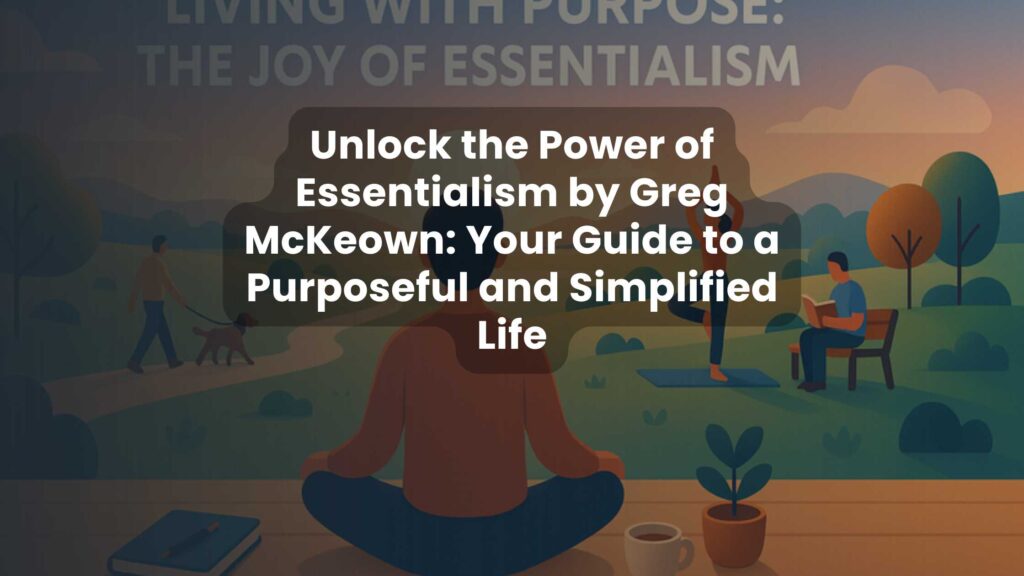
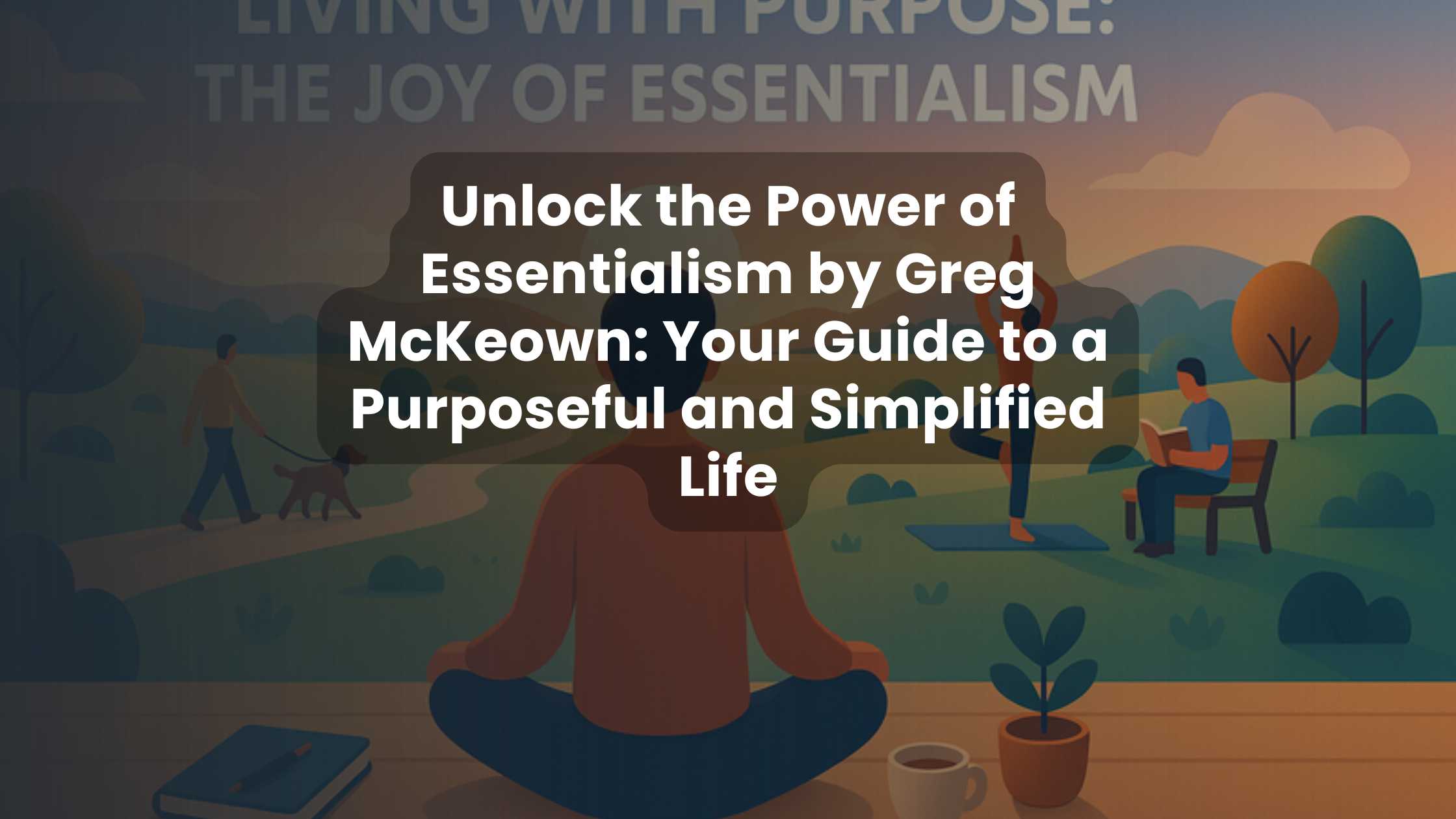
Living with Purpose: The Joy of Essentialism
Imagine a life where every decision you make reflects your deepest values and goals. Understanding the philosophy of essentialism means more than simply getting rid of clutter; it’s about filtering out the noise to focus on what truly matters. This approach creates a simpler, more satisfying lifestyle by helping you identify the core elements that bring meaning to your day-to-day existence. By living intentionally, you gain clarity and purpose, making it easier to navigate life’s complexities with confidence and calm.
In today’s fast-paced world, essentialism plays a vital role in better decision-making. Instead of feeling overwhelmed by countless options, you learn to prioritize the choices that align with your core principles. This focus removes mental clutter and indecision, allowing your actions to be clear and purposeful. For example, a professional who adopts essentialism might decline extra projects that don’t contribute to their long-term career goals, conserving energy for what truly advances their growth.
One of the most transformative lessons essentialism offers is embracing trade-offs. Recognizing that every yes means saying no to something else empowers you to direct your energy more effectively. When you accept this principle, you free yourself from the pressure to do everything and can focus wholeheartedly on your most important goals. This mindset shift often leads to greater productivity and satisfaction because you channel your efforts on what adds real value.
Mastering the power of saying no with confidence is another cornerstone of living with purpose. Essentialism teaches you to decline unnecessary commitments without guilt, protecting your time for genuine priorities. Whether it’s turning down social invitations that drain your energy or avoiding tasks at work that don’t align with your objectives, saying no becomes a tool for preserving balance and reducing stress. This ability safeguards your focus and supports a more intentional life.
Practicing essentialism means focusing on the vital few tasks that deliver the greatest impact. By eliminating non-essential activities, you create space to pursue what truly matters. For instance, a student might concentrate on mastering key subjects instead of spreading themselves thin across every club or event. This targeted approach not only boosts efficiency but also enhances the quality of your results and overall satisfaction.
Experience the joy of living with purpose by simplifying your life through essentialism. This philosophy allows you to enhance productivity and concentrate your efforts on rewarding pursuits. Each day becomes intentional, filled with meaningful actions that align with your values. People who embrace essentialism often report greater fulfillment because they spend time on what brings joy and significance, rather than being overwhelmed by distractions.
Essentialism also enhances personal growth by removing distractions and opening space to develop new skills, explore passions, and nurture relationships. By focusing on fewer priorities, you can deepen your understanding of your potential and invest in growth opportunities. This focused attention often leads to breakthroughs in creativity and self-awareness, enriching your life in both personal and professional ways.
Essentialism’s Role in Accelerating Personal Growth
Understanding the philosophy of essentialism is the first step toward accelerating personal growth. Imagine making every choice with clarity, where your actions consistently reflect your deepest values and long-term goals. Essentialism is not merely about cutting out distractions; it’s about thoughtfully filtering through life’s noise to focus on what truly matters. This approach simplifies daily living, reducing overwhelm and creating space for meaningful progress. For example, instead of multitasking on several projects, essentialism encourages focusing on the one that aligns most closely with your purpose, which naturally drives growth and satisfaction.
Essentialism’s role in better decision-making becomes clear when you consider how it helps remove mental clutter. In today’s fast-paced world, indecision often arises from too many options and competing demands. By anchoring your choices to core values, essentialism sharpens your focus, making decisions more straightforward and intentional. Studies show that people who prioritize essential tasks report higher productivity and lower stress levels. This clarity allows you to channel energy into purposeful actions rather than being stuck in a cycle of doubt, accelerating your ability to grow both personally and professionally.
A crucial concept within essentialism is embracing trade-offs, which can be transformational. Every commitment you accept means saying no to something else, and recognizing this empowers you to make deliberate choices. Instead of spreading yourself thin, you allocate your time and energy toward goals with the highest impact. Consider a professional who declines several low-priority meetings to dedicate time to mastering a new skill; this trade-off leads to greater expertise and career advancement. By consciously embracing these trade-offs, essentialism fuels focused growth and enhances overall productivity.
Mastering the power of saying no with confidence is a vital skill essentialism promotes to protect your personal growth. Too often, people accept every request, leading to burnout and diluted efforts. Essentialism teaches that saying no is not about rejection—it’s about setting boundaries to preserve your time for what truly matters. For instance, a student might decline social invitations during exam season to concentrate on studying, resulting in better grades and a sense of accomplishment. This confident refusal creates room for priorities that nurture growth rather than diminish it.
Practicing essentialism means focusing on the vital few tasks that drive real progress. By identifying and eliminating non-essential activities, you free up resources to invest in pursuits that deliver the highest value. This concentration on the most impactful work leads to visible results and personal satisfaction. For example, entrepreneurs who prioritize key strategic actions over minor details often see faster business growth and improved work-life balance. Adopting this practice helps you achieve more by doing less but better, accelerating your journey of personal development.
The joy of living with purpose comes naturally through essentialism, enriching personal growth in meaningful ways. When you simplify your life and remove distractions, your efforts align with rewarding activities that reflect your passions. This intentional living fosters motivation and a sense of fulfillment daily. Real-world examples include individuals who dedicate time to creative hobbies or volunteer work that resonates deeply with their values, experiencing enhanced well-being and growth. Essentialism thus transforms the way you engage with life, making each day more purposeful and growth-oriented.
How essentialism enhances personal growth is evident in its ability to create space for development across multiple areas. By stripping away distractions, you gain time to build new skills, explore passions, and nurture important relationships. This holistic approach builds a foundation for long-term success and self-awareness. For instance, a professional who applies essentialism to their routine can dedicate time to learning, networking, and self-care, which collectively promote growth. Embracing essentialism means doing more of what counts, shaping a balanced, intentional life full of continuous improvement.
Practical steps to implement essentialism for personal growth include:
– Regularly review your commitments and ask if they align with your core values.
– Practice saying no to requests or tasks that do not support your primary goals.
– Identify the top three tasks each day that contribute most to your growth.
– Schedule focused time blocks dedicated solely to these vital activities.
– Reflect weekly on progress and adjust priorities to maintain alignment with your purpose.
Following these actionable tips helps you harness essentialism’s power and accelerates your path toward meaningful personal growth.
Unlocking Fulfillment Through Purposeful and Simplified Choices
Imagine a life where every decision you make aligns closely with your deepest values and long-term goals. This is the core idea behind essentialism, a philosophy that encourages filtering out the unnecessary noise to focus on what truly matters. Instead of merely eliminating things from your schedule, essentialism guides you to create a simpler, more satisfying lifestyle by concentrating on purposeful and simplified choices. For example, rather than juggling multiple projects, you might choose to dedicate your energy to one or two that resonate strongly with your personal mission, leading to a clearer path toward fulfillment.
In today’s fast-paced world, making better decisions can be overwhelming. Essentialism plays a crucial role by helping you identify and commit to vital choices, reducing mental clutter and indecision. When you link your actions directly to your core values, your daily decisions become clearer and more intentional. A practical application could be prioritizing family time over less meaningful social obligations, which not only improves relationships but also reinforces your sense of purpose. Studies show that people who focus on value-driven decisions report higher life satisfaction and lower stress levels, illustrating the power of essentialism in real life.
One of the most transformative aspects of essentialism is embracing trade-offs with confidence. Understanding that every yes means saying no to something else allows you to allocate your energy more effectively. This mindset shift helps avoid burnout and increases productivity by focusing on fewer tasks that deliver greater impact. For instance, a professional might decline additional projects that do not align with their career goals to concentrate on developing a key skill set. Recognizing these trade-offs empowers you to live intentionally and make choices that support long-term fulfillment.
Mastering the power of saying no is essential to unlocking fulfillment through purposeful and simplified choices. Essentialism teaches that saying no is not about rejection but about protecting your time and resources for what truly matters. By confidently declining commitments that do not serve your priorities, you reduce overcommitment and create space for meaningful activities. For example, turning down a social invitation to complete a creative project you are passionate about can lead to greater personal satisfaction and growth. Cultivating this skill ensures your energy is reserved for your highest priorities.
Focusing on the vital few tasks that deliver the most value is a key practice in essentialism. By eliminating non-essential activities, you concentrate your efforts on pursuits that drive real impact and satisfaction. This approach can transform your workday by prioritizing projects that align with your goals and delegating or dropping less important ones. For example, a manager might streamline meetings to focus only on agenda items that advance strategic objectives, boosting team productivity and morale. This disciplined focus fosters a sense of accomplishment and forward momentum.
Living with purpose brings a unique joy that stems from clarity and intentionality. Essentialism allows you to simplify life, enhance productivity, and direct your energy toward rewarding pursuits. When your daily actions reflect your true priorities, each day feels more meaningful and controlled. A person practicing essentialism might spend mornings on meditation and exercise to nurture well-being, rather than scrolling through social media. This purposeful living encourages balance and fulfillment, making each moment count.
Essentialism also supports personal growth by removing distractions that hinder development. When you focus on fewer but more meaningful activities, you create space to build new skills, explore passions, and nurture important relationships. This intentional reduction in commitments can open doors for learning and self-discovery. For example, dedicating time to a hobby like painting or writing can improve creativity and emotional well-being. Embracing essentialism helps you reach your potential by prioritizing growth and meaningful experiences in your life.
To start unlocking fulfillment through purposeful and simplified choices, try these practical steps: first, identify your core values by listing what matters most to you. Next, audit your activities and commitments to see which align with those values. Then, practice saying no to requests that don’t support your priorities. Finally, focus daily on one or two vital tasks that drive progress toward your goals. By consistently applying these strategies, you can simplify your life and create a more intentional path to fulfillment.
Conclusion
In summary, Unlock the Power of Essentialism by Greg McKeown invites us to live a life deeply aligned with our values by focusing on what truly matters. This philosophy encourages clearer decision-making, the courage to say no, and the wisdom to embrace trade-offs, all of which help us simplify our lives and amplify our impact. By concentrating on the vital few rather than the trivial many, essentialism paves the way for greater productivity, personal growth, and a more purposeful existence. If you’re ready to move beyond the noise and distractions, start reflecting on your priorities today. Consider which commitments deserve your energy and which can be gracefully released. Dive deeper into essentialism and discover how intentional choices can transform your life into one of clarity, joy, and meaningful progress.
FAQ
Frequently Asked Questions About Unlock the Power of Essentialism by Greg McKeown: Your Guide to a Purposeful and Simplified Life
What is Essentialism and how can it change my life?
Essentialism is a philosophy focused on identifying and prioritizing what truly matters in your life. It encourages filtering out the non-essential distractions so you can concentrate on your deepest values and goals. By adopting essentialism, you simplify your life, make clearer decisions, and create a more satisfying and purposeful lifestyle.
How does Essentialism help with decision-making?
In today’s fast-paced world, decision-making can become overwhelming due to too many options and distractions. Essentialism helps you focus on the vital few choices that align with your core values, reducing mental clutter and indecision. This clarity ensures that your actions are intentional and truly meaningful.
What does embracing trade-offs mean in the context of Essentialism?
Essentialism teaches that every decision to say yes to something is also a decision to say no to something else. Embracing trade-offs means accepting that you cannot do it all and choosing to invest your time and energy in what has the greatest impact. This mindset leads to greater focus and productivity.
How can Essentialism help me say no with confidence?
Saying no is often difficult, but Essentialism empowers you to decline unnecessary commitments without guilt. By recognizing your true priorities, you protect your time and energy from being spread too thin. This confidence in saying no helps avoid overcommitment and preserves space for what genuinely matters.
What does it mean to focus on the vital few?
Focusing on the vital few means identifying and concentrating your efforts on the tasks, projects, and relationships that deliver the most value and progress toward your goals. Essentialism encourages eliminating or delegating non-essential activities so you can channel your energy where it makes the biggest difference.
How does Essentialism lead to a more purposeful and joyful life?
By simplifying your commitments and focusing on what truly matters, Essentialism allows you to live each day intentionally. This clarity fosters greater joy because you spend time on rewarding pursuits aligned with your values rather than being overwhelmed by unnecessary demands.
Can Essentialism support my personal growth?
Absolutely. Essentialism removes distractions that can hinder growth, creating space for developing new skills, exploring passions, and nurturing important relationships. By focusing on what counts, you open the door to deeper self-understanding and greater potential.
Is Essentialism about doing less or doing more?
Essentialism is about doing more of what truly counts and less of what doesn’t. It’s not about being lazy or unproductive, but about making wise choices that lead to a balanced, fulfilling life filled with purposeful actions and meaningful progress.
How can I start practicing Essentialism in my daily life?
Begin by clarifying your core values and goals. Then regularly evaluate your commitments and tasks, asking whether they align with what matters most to you. Learn to say no to non-essential requests, embrace trade-offs, and focus your energy on the vital few activities that create the greatest impact.
What benefits can I expect from embracing Essentialism?
By adopting Essentialism, you can expect increased clarity, reduced stress, improved productivity, and a stronger sense of purpose. It helps you build a life centered on intentional choices, enabling personal growth, better relationships, and overall fulfillment.