Find Freedom in Authenticity: Lessons from The Gifts of Imperfection by Brené Brown

In a world that often prizes perfection and conformity, the journey toward embracing our true selves can feel daunting. Yet, Brené Brown’s transformative insights in “The Gifts of Imperfection” illuminate a path to liberation through authenticity. By leaning into our vulnerabilities, we discover that the very aspects we fear might weaken us can actually empower our connections with others. This exploration isn’t merely about stripping away the masks we wear; it’s about cultivating a rich tapestry of relationships grounded in trust and understanding.
Brown’s work invites us to challenge the societal pressures that dictate our worth, urging us instead to nurture self-compassion and accept our imperfections as essential parts of our humanity. Through this practice, we find resilience amid life’s adversities and begin to prioritize joy and gratitude, shifting our perspectives from scarcity to abundance. As we explore the lessons of authenticity, we uncover not only a deeper connection to ourselves but also to those around us. In this blog post, we will delve into the profound lessons from Brown’s work, revealing how embracing vulnerability can lead us to a more meaningful and fulfilling life. Join us on this journey to find freedom in our imperfections and to discover the beauty in living authentically.
Embracing Vulnerability: The First Step to Authentic Living
Embracing vulnerability is a crucial step toward personal growth, as highlighted by Brené Brown in her influential work, “The Gifts of Imperfection.” When individuals confront their vulnerabilities, they engage in a powerful act of courage. This act not only deepens their understanding of themselves but also fosters genuine connections with others. Brown’s research emphasizes that by acknowledging our fears, insecurities, and imperfections, we open the door to authentic relationships. For instance, sharing a personal struggle with a friend can lead to a conversation that strengthens the bond between them, illustrating how vulnerability paves the way for trust and intimacy.
Authenticity plays a vital role in nurturing meaningful relationships. In a world often dominated by the pressure to conform and seek societal approval, embracing our true selves can feel daunting. However, when we prioritize authenticity over external validation, we create an environment where trust flourishes. This shift allows us to express our thoughts and feelings freely, paving the way for deeper connections. For example, when someone chooses to share their true passions or beliefs, it invites others to do the same, resulting in a richer, more fulfilling interaction. In this way, authenticity not only enhances individual relationships but also contributes to a more compassionate and understanding community.
Central to the journey of embracing vulnerability is the practice of self-compassion. This vital aspect encourages individuals to treat themselves with kindness during challenging moments, countering feelings of shame and self-doubt. Research indicates that self-compassion can significantly improve emotional well-being, leading to a healthier self-image. For example, when faced with failure, practicing self-compassion allows individuals to respond with understanding rather than harsh criticism. This shift not only aids in healing but also fosters resilience against future adversities, making it an essential practice for anyone striving for personal growth.
Accepting imperfection is another significant aspect of living authentically and joyfully. Perfectionism can be a heavy burden, often leading to anxiety and dissatisfaction. By embracing our flaws, we liberate ourselves from the unrealistic standards we set and begin to appreciate the beauty of being imperfectly human. Studies show that individuals who accept their imperfections are more likely to experience higher levels of happiness and contentment. For instance, artists often find joy in their creative processes by embracing the spontaneity and unpredictability of their work, which can lead to unexpected and delightful results. This acceptance opens the door to a more joyful life, allowing us to celebrate our unique paths.
Resilience is a key outcome of embracing vulnerability, as illustrated by Brené Brown’s research. Brown emphasizes that building resilience is closely tied to connection and self-awareness. When individuals share their experiences, especially those related to challenges, they not only foster deeper bonds with others but also cultivate a supportive network that aids in recovery. For instance, support groups provide a safe space for individuals to share their struggles, which in turn builds resilience as members lean on one another for encouragement and understanding. This interconnectedness reinforces the notion that vulnerability is not a weakness but a strength that empowers us to navigate life’s obstacles more effectively.
Prioritizing joy and gratitude is another transformative practice that emerges from embracing vulnerability. Cultivating gratitude shifts our focus from what we lack to what we have, enhancing our overall happiness. Research shows that people who regularly practice gratitude report higher levels of life satisfaction and emotional well-being. For example, maintaining a gratitude journal can serve as a daily reminder of the positive aspects of life, fostering a sense of joy even amidst challenges. By acknowledging the good, we create a more fulfilling existence that celebrates the present moment, further solidifying our connection to authenticity and vulnerability.
Engaging in creative activities can also serve as a powerful outlet for expressing emotions and processing vulnerabilities. Creativity offers a therapeutic escape, allowing individuals to explore their innermost feelings in a safe environment. For instance, writing, painting, or playing music can help articulate experiences that may be difficult to convey in words. This creative expression not only aids in self-discovery but also connects us with our authentic selves. By embracing our creative impulses, we can confront our vulnerabilities head-on, transforming them into sources of inspiration and strength.
Building meaningful connections hinges on the willingness to embrace vulnerability. When we open ourselves up to others, we create pathways for trust and understanding. This openness fosters genuine bonds, allowing for deeper conversations and shared experiences. For example, a simple act of sharing a personal story can spark a profound connection that transforms a casual acquaintance into a close friend. Such relationships, rooted in vulnerability, enrich our lives and provide a support system that enhances our overall well-being.
Living with purpose involves aligning our actions with our personal values, which is often made possible through embracing vulnerability. When we confront our fears and insecurities, we gain clarity about what truly matters to us. This understanding guides our decisions and helps us navigate life with intention. For instance, someone who values community service may feel compelled to volunteer, even if it means stepping outside their comfort zone. By acting in accordance with their values, they cultivate a sense of fulfillment that transcends superficial pursuits.
Finally, developing self-trust is an essential aspect of embracing vulnerability. Through honest self-reflection and establishing healthy boundaries, individuals can empower themselves to make authentic decisions. This self-trust fosters a sense of security that allows for the acceptance of imperfections without fear. For example, someone who acknowledges their tendency to procrastinate can create a plan that respects their limitations while still promoting productivity. By trusting themselves to make choices that align with their values, individuals can navigate life’s challenges with confidence, further reinforcing the importance of vulnerability in their journey toward authentic living.
Embracing Vulnerability: The First Step to Authentic Living
Exploring how vulnerability acts as a catalyst for personal growth and true connections in our lives.
Embracing vulnerability is a courageous leap toward personal growth, a theme extensively explored by Brené Brown in her work. When we allow ourselves to be vulnerable, we open the door to deeper connections with others. This act of sharing our true selves—flaws, fears, and hopes—creates a space where authentic relationships can flourish. According to Brown, vulnerability is not a sign of weakness but a powerful catalyst for building trust and intimacy. Research shows that individuals who embrace their vulnerabilities tend to experience more meaningful connections, highlighting that true strength lies in our willingness to be seen as we truly are.
Authenticity plays a pivotal role in establishing these meaningful relationships. When we prioritize being true to ourselves over seeking societal approval, we cultivate an environment of trust and openness. This authenticity allows us to express our thoughts and feelings freely, paving the way for genuine interactions. For instance, consider a workplace setting where team members feel comfortable sharing their ideas and challenges. This openness not only enhances collaboration but also strengthens the bonds among colleagues. In contrast, environments that emphasize conformity often stifle creativity and diminish the potential for meaningful connections, underscoring the importance of authenticity in our lives.
In this journey toward authenticity, self-compassion serves as an essential practice. It encourages us to treat ourselves with kindness, especially during times of struggle or failure. Rather than succumbing to shame, self-compassion fosters a healthier self-image, allowing us to recognize that imperfection is part of the human experience. Brené Brown emphasizes that treating ourselves with the same kindness we would offer a friend can significantly enhance our emotional well-being. By embracing self-compassion, we not only become more resilient in the face of adversity but also create a foundation for healthier relationships with others.
Accepting our imperfections is crucial for leading a joyful life. This acceptance liberates us from the burdens of perfectionism and societal expectations, enabling us to appreciate the beauty of our authentic selves. For example, when individuals share their struggles with body image or career setbacks, they often find common ground with others, fostering a sense of belonging. This recognition of shared imperfections not only enhances our self-acceptance but also deepens our connections with those around us. In a culture that often glorifies perfection, embracing our flaws becomes an act of defiance and an invitation for others to do the same.
Brown’s research highlights the importance of resilience, which can be cultivated through connection and self-awareness. By nurturing relationships and sharing experiences, we can bounce back from life’s challenges more effectively. Consider how support from friends or family can provide the strength needed to navigate difficult times. This network of support not only helps us recover but also reinforces the bonds we share with others. The act of reaching out and being vulnerable with those we trust can transform adversity into an opportunity for growth and deeper connection.
Practicing gratitude is another powerful tool in enhancing our overall happiness, as it shifts our focus from what we lack to what we already have. Studies have shown that individuals who regularly practice gratitude report higher levels of well-being and life satisfaction. This simple yet profound practice encourages us to appreciate the small joys in our daily lives, fostering a deeper sense of contentment. By acknowledging the good in our lives, we create a positive feedback loop that enriches our connections with others and reinforces the importance of vulnerability in our interactions.
Engaging in creative activities also serves as a therapeutic outlet for expressing our emotions and processing our vulnerabilities. Whether through writing, painting, or music, creative expression allows us to explore our innermost thoughts and feelings. This process not only connects us with our inner selves but also provides an avenue for sharing our experiences with others, further fostering meaningful connections. By embracing our creative impulses, we can transform our vulnerabilities into powerful expressions of authenticity that resonate with those around us.
Ultimately, vulnerability is essential for building meaningful connections. By opening up to others, we pave the way for trust and understanding, forming genuine bonds that enrich our lives. This openness fosters an environment where people feel safe to share their own vulnerabilities, creating a cycle of support and empathy. As we learn to embrace our true selves, we not only enhance our relationships but also contribute to a culture that values authenticity and connection.
Living with purpose involves aligning our actions with our personal values, guiding our decisions and helping us navigate life with intention. When we are vulnerable and authentic, we are better equipped to identify what truly matters to us, allowing us to pursue goals that resonate with our core beliefs. This alignment not only enhances our sense of fulfillment but also strengthens our connections with others who share similar values. As we cultivate a life of purpose, we inspire those around us to do the same, creating a ripple effect of authenticity and connection in our communities.
Developing self-trust is another crucial aspect of embracing vulnerability. By setting healthy boundaries and engaging in honest self-reflection, we empower ourselves to make authentic decisions. This self-trust enables us to embrace our imperfections without fear of judgment, fostering a sense of confidence that permeates all areas of our lives. As we learn to trust ourselves, we become better equipped to navigate life’s challenges and build meaningful connections with others, reinforcing the idea that vulnerability is a vital component of authentic living.
The Power of Self-Compassion: A Path to Healing
Self-compassion is an essential practice that has gained prominence as a powerful tool for personal healing and growth. Unlike self-esteem, which often relies on external validation and comparisons, self-compassion encourages individuals to treat themselves with kindness and understanding, particularly during challenging times. Research indicates that individuals who practice self-compassion report higher levels of emotional well-being, resilience, and overall life satisfaction. By acknowledging our shared human experience, we can cultivate a sense of belonging and reduce feelings of isolation, which are often exacerbated by harsh self-judgment.
Embracing vulnerability is a crucial component of self-compassion, as highlighted in Brené Brown’s work. Vulnerability allows us to confront our fears and imperfections, ultimately fostering deeper connections with ourselves and others. For instance, when we share our struggles or insecurities with trusted friends, we create a space for empathy and support. This process not only enhances our relationships but also reinforces the idea that it is okay to be imperfect. Brown emphasizes that this courageous act of opening up leads to personal growth and strengthens the resilience needed to navigate life’s adversities.
Authenticity plays a vital role in the journey towards self-compassion. By prioritizing our true selves over societal expectations, we can cultivate a genuine sense of self-worth. This authenticity encourages us to embrace our flaws, thereby releasing the burden of perfectionism. When we accept that making mistakes is part of being human, we allow ourselves to experience joy more fully. The paradox of imperfection is that it can lead to a richer, more fulfilling life, as we learn to appreciate our unique qualities and contributions.
Self-compassion acts as a buffer against the negative effects of shame, a powerful emotion that can hinder our growth. When we learn to treat ourselves with the same kindness we would offer a friend, we create an environment conducive to healing. Studies have shown that self-compassion can significantly reduce anxiety and depressive symptoms, providing a pathway to emotional recovery. This nurturing approach not only fosters a healthier self-image but also encourages us to engage in self-care practices that enhance our overall well-being.
In addition to promoting psychological well-being, self-compassion enhances our ability to connect with others. By understanding and accepting our vulnerabilities, we become more open to forming meaningful relationships. The act of sharing our authentic selves invites others to do the same, creating a mutual exchange of trust and support. This interconnectedness is essential for building a resilient community, where individuals feel safe to express their emotions and experiences without fear of judgment. By fostering such connections, we cultivate a sense of belonging that is crucial for personal healing and growth.
Finding Joy in Imperfection: Celebrating Our Flaws
In a world that often glorifies perfection, the journey toward finding joy in imperfection offers a refreshing perspective. Embracing our vulnerabilities, as highlighted by Brené Brown, is crucial for fostering genuine connections with others. By acknowledging our flaws, we not only allow ourselves the grace to be human but also invite others to do the same, creating a space where deep relationships can flourish. For instance, a study by the University of Houston found that people who are open about their struggles and imperfections are more likely to form meaningful bonds, reinforcing the idea that vulnerability is not a weakness but a strength.
Authenticity emerges as a vital component in this process, urging us to prioritize our true selves over societal expectations. When we express our authentic selves, we cultivate trust and foster relationships rich in understanding and empathy. This notion is supported by research indicating that individuals who embrace their authentic selves are generally happier and more fulfilled. For example, in workplace settings, teams that value authenticity see improved collaboration and creativity, as members feel safe to share their ideas without the fear of judgment.
Understanding self-compassion is another essential aspect of celebrating our flaws. By treating ourselves kindly during difficult times, we combat the pervasive feelings of shame that often accompany imperfection. The practice of self-compassion not only enhances our self-esteem but also promotes a healthier self-image, allowing us to navigate life’s challenges with resilience. According to studies, individuals who practice self-compassion report lower levels of anxiety and depression, highlighting its role as a powerful remedy for emotional struggles.
Accepting imperfection can ultimately lead to a more joyful life. When we relinquish the burden of perfectionism, we free ourselves to appreciate the beauty of our authentic selves. This acceptance shifts our focus from what we lack to what we possess, enriching our experiences and encouraging gratitude. Research shows that individuals who practice gratitude regularly experience heightened levels of happiness, as they learn to find joy in the everyday moments that define their lives.
Furthermore, fostering creativity serves as a therapeutic outlet for processing our emotions and embracing our vulnerabilities. Engaging in creative activities can help individuals connect with their inner selves, providing a safe space to express thoughts and feelings that may be difficult to articulate otherwise. This creative expression not only nurtures our well-being but also cultivates resilience, as we learn to navigate and articulate our struggles through artistic endeavors.
Ultimately, the journey toward embracing imperfection requires a commitment to building meaningful connections. Vulnerability is the cornerstone of trust and understanding, creating a foundation for deep relationships. As we open up about our experiences and flaws, we invite others to share their stories, fostering a sense of community and belonging. The insights gleaned from Brown’s research emphasize that living with purpose and aligning our actions with our values can guide us toward a more fulfilling life, empowering us to make authentic decisions that celebrate our imperfections without fear.
Unlocking Creativity: A Gateway to Authentic Expression
Creativity serves as a powerful gateway to authentic expression, enabling individuals to explore their inner thoughts and emotions in a way that resonates deeply with their true selves. Engaging in creative activities—be it painting, writing, music, or dance—allows for a unique exploration of vulnerability, as it requires individuals to step outside their comfort zones and reveal aspects of themselves that may otherwise remain hidden. For instance, studies have shown that participating in creative endeavors can significantly reduce stress and anxiety, leading to improved mental health outcomes. By unlocking creativity, people can transcend societal expectations and communicate their innermost feelings, fostering a sense of connection not only with themselves but also with others who may share similar experiences.
Brené Brown’s insights on vulnerability highlight the importance of embracing our imperfections as a catalyst for personal growth and genuine relationships. When individuals allow themselves to be vulnerable, they create an environment where authenticity can thrive—an essential component for building meaningful connections. For example, by sharing personal stories of struggle or triumph, one can cultivate trust and empathy, allowing relationships to deepen. This act of openness not only enriches interpersonal bonds but also encourages others to share their own vulnerabilities, creating a cycle of support and understanding that ultimately enhances the collective human experience.
Self-compassion plays a crucial role in facilitating this journey toward authenticity. Rather than succumbing to the inner critic that often accompanies creative expression, practicing self-kindness allows individuals to confront their flaws without judgment. Research indicates that self-compassion fosters resilience, as it encourages individuals to treat themselves with the same kindness they would offer a friend during difficult times. This approach not only mitigates feelings of shame but also enhances one’s ability to express creativity freely, unencumbered by the fear of imperfection. By nurturing a compassionate relationship with oneself, individuals can unlock a reservoir of creativity that connects them to their true essence.
Moreover, accepting imperfection is essential for cultivating a joyful life, as it liberates individuals from the constraints of perfectionism. When people learn to appreciate their authentic selves, flaws included, they become more open to exploring creative outlets that reflect their individuality. This acceptance transforms the creative process into a celebration of personal expression rather than a pursuit of unattainable standards. Brené Brown’s research emphasizes that embracing imperfection allows individuals to experience life more fully, freeing them to engage in creativity that is not only satisfying but also deeply fulfilling.
In the face of adversity, resilience emerges as a vital trait enriched by creative expression. Brown’s findings suggest that the act of sharing experiences and fostering connections is key to building resilience. Creative endeavors can serve as therapeutic outlets during challenging times, offering individuals a means to process emotions and navigate their struggles. Engaging in creative activities fosters a sense of belonging and community, reinforcing the notion that vulnerability can lead to strength. By allowing creativity to flourish in moments of difficulty, individuals can discover new ways to cope and recover, ultimately enhancing their well-being and resilience.
Unlocking Creativity: A Gateway to Authentic Expression
Unlocking creativity is fundamentally tied to the act of embracing vulnerability, a concept deeply explored in Brené Brown’s “The Gifts of Imperfection.” When individuals confront their vulnerabilities, they open the door to authentic self-expression, which is essential for personal growth. Engaging in creative endeavors—whether through art, writing, or music—serves not only as a means to express emotions but also as a way to connect with the deeper aspects of oneself. For instance, studies show that engaging in creative activities can significantly reduce stress and anxiety levels, highlighting how creativity acts as a therapeutic outlet. By allowing ourselves to be vulnerable, we cultivate an environment where creativity can flourish, leading to richer, more meaningful expressions of who we are.
Authenticity plays a crucial role in this process, as it prioritizes genuine self-expression over the quest for societal approval. Brown emphasizes that when we are authentic, we build trust and foster deep, fulfilling relationships. For example, individuals who share their true thoughts and feelings are more likely to form connections that withstand the test of time, as they resonate with others on a profound level. This connection not only enhances our relationships but also enriches our creative expressions, as we draw inspiration from our interactions and the shared experiences of our lives. Authenticity invites a sense of freedom, allowing us to explore our creativity without the constraints of external expectations.
Moreover, understanding self-compassion is vital for nurturing this creative spirit. It acts as a powerful remedy against the feelings of shame and inadequacy that often accompany vulnerability. By treating ourselves kindly during challenging times, we create a supportive internal dialogue that fosters resilience and encourages us to pursue our creative passions. For instance, when we release the burden of perfectionism, we can appreciate the beauty of our authentic selves, which in turn enhances our ability to create freely. This shift in perspective allows us to view our flaws not as obstacles but as integral parts of our unique expression, further enriching our creative journey.
Accepting imperfection is also essential for leading a joyful life, as it liberates us from the confines of unrealistic standards. Embracing our flaws opens the pathway to genuine creativity, where experimentation and risk-taking are celebrated rather than feared. For example, artists who embrace their imperfections often produce work that resonates more deeply with audiences, as it reflects the messy, authentic experience of being human. This acceptance leads to a more joyful existence, where creativity becomes a natural extension of our daily lives, rather than a chore or obligation.
The lessons from Brené Brown’s research reveal that resilience in adversity can also be cultivated through the connections we form and our capacity for self-awareness. By sharing our vulnerabilities with others, we not only foster deeper relationships but also cultivate a support network that encourages creative exploration. This resilience allows us to bounce back from challenges, using our experiences as fodder for inspiration. The act of creating becomes a collaborative journey, where the richness of our shared stories enhances our individual expressions, leading to a vibrant tapestry of creativity.
Practicing gratitude further amplifies the power of creativity by shifting our focus from what we lack to what we possess. This positive mindset enhances our overall happiness and cultivates a deeper sense of joy in our creative pursuits. When we express gratitude for our experiences, we unlock new avenues for inspiration, transforming mundane moments into opportunities for artistic expression. This practice not only enriches our creativity but also strengthens our connections with others, as we share our appreciation and celebrate the beauty in our lives.
In essence, unlocking creativity is a multifaceted journey that intertwines vulnerability, authenticity, self-compassion, and resilience. By prioritizing these elements, we can create a life filled with purpose and meaning, allowing our inner selves to shine through in our creative endeavors. As we develop self-trust and establish healthy boundaries, we empower ourselves to make authentic decisions that reflect our true essence. This journey towards unlocking creativity is not merely an exploration of artistic expression; it is an invitation to embrace our imperfections and connect deeply with ourselves and others.
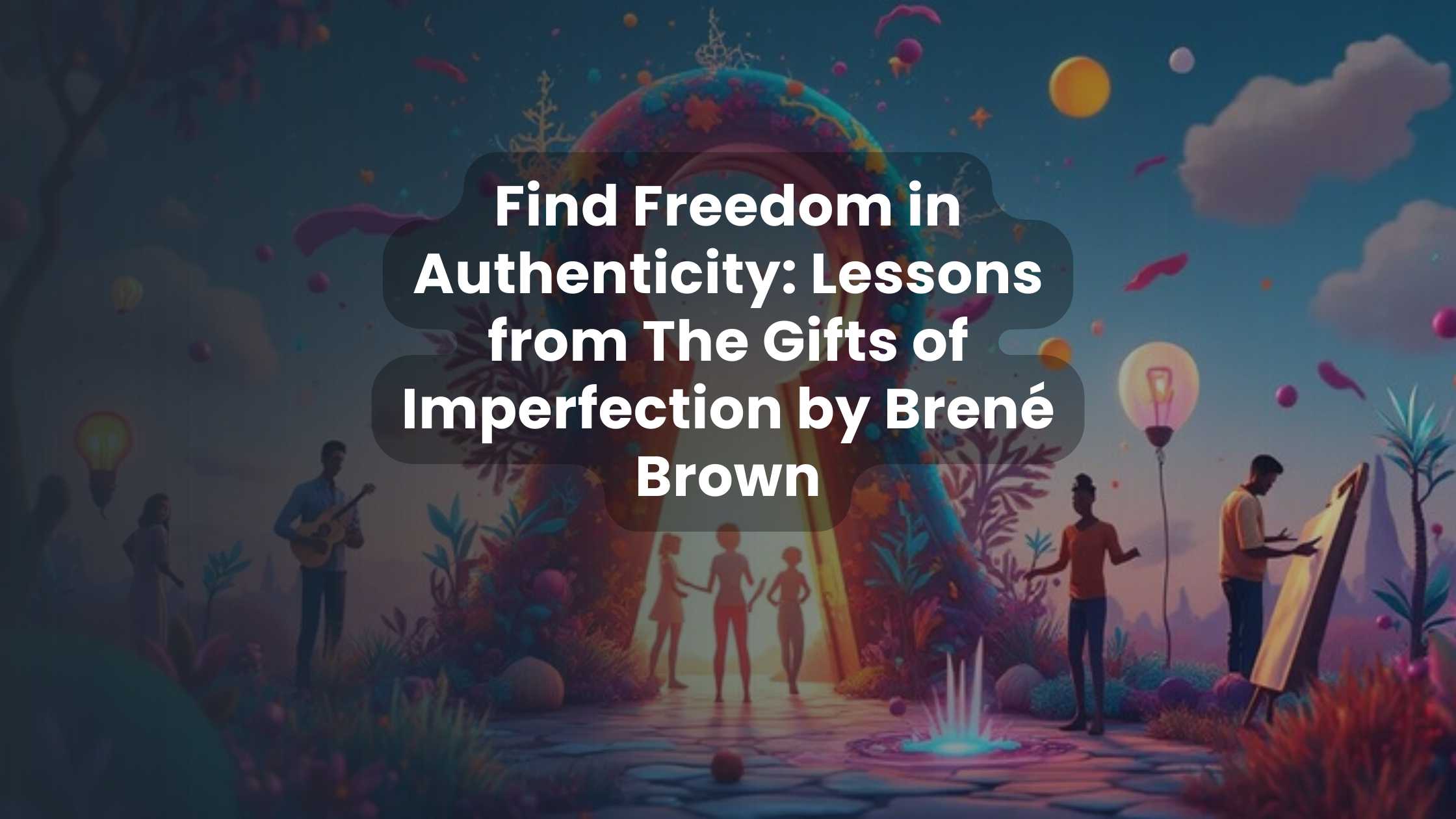
Unlocking Creativity: A Gateway to Authentic Expression
Unlocking creativity is fundamentally tied to the process of authentic expression, allowing individuals to share their innermost thoughts and feelings in unique ways. When people engage with their creative side—whether through art, writing, or music—they are often able to articulate experiences that may be difficult to express verbally. For example, studies indicate that participating in creative activities can lead to increased emotional well-being, with 70% of individuals reporting a boost in mood after engaging in artistic expression. This notion aligns with Brené Brown’s perspective on vulnerability, where embracing our true selves and imperfections cultivates a deeper connection with our creativity, ultimately enhancing our capacity for authentic expression.
The role of authenticity in creativity cannot be overstated. When individuals prioritize expressing their true selves over seeking societal approval, they unlock a wellspring of originality. Authenticity fosters an environment where creativity can flourish, allowing individuals to explore new ideas without fear of judgment. For instance, artists who embrace their unique styles often resonate more deeply with audiences, leading to a more profound impact. Brown emphasizes that when we shed the constraints of societal expectations, we cultivate trust not only in ourselves but also in our relationships with others, which can further stimulate the creative process.
Self-compassion serves as a vital practice that complements the journey of unlocking creativity. By treating ourselves kindly during moments of self-doubt or perceived failure, we create a safe space for vulnerability to thrive. Research indicates that individuals who practice self-compassion are more likely to take creative risks, as they are less hindered by the fear of making mistakes. This attitude aligns with Brown’s assertion that accepting our imperfections can lead to a more joyful life. When we allow ourselves the freedom to create without the pressure of perfection, we can appreciate the beauty of our authentic selves and the stories we wish to share.
Moreover, fostering creativity through vulnerability leads to resilience in the face of adversity. Brown’s research highlights that genuine connections built on trust and understanding contribute significantly to our ability to navigate challenges. When we express our vulnerabilities through creative outlets, we not only process our emotions but also connect with others who may share similar experiences. This shared understanding nurtures resilience, empowering us to overcome obstacles with a sense of community and support. By unlocking our creativity, we find strength in our collective human experience, allowing us to thrive even in difficult times.
Prioritizing joy and gratitude plays a pivotal role in enhancing our creative pursuits. Research suggests that cultivating gratitude can shift our focus from what we lack to what we have, fostering a deeper sense of joy in our everyday lives. This positive mindset can significantly influence our creative endeavors, as it encourages exploration and innovation. In her work, Brown suggests that grateful individuals are more likely to engage in creative activities, as they approach life with an open heart and mind. By embracing this practice, we not only enrich our creative expressions but also contribute to a more fulfilling and joyful existence.
As we delve deeper into the realms of creativity and authentic expression, it becomes evident that vulnerability is essential for building meaningful connections. Opening up about our thoughts and feelings creates opportunities for trust and understanding, nurturing genuine bonds with others. This connection not only enriches our interpersonal relationships but also enhances our creative output, as we draw inspiration from the experiences we share with those around us. Brown’s emphasis on the importance of vulnerability reminds us that through our shared stories and emotions, we can inspire and uplift one another, ultimately leading to a more vibrant and connected creative community.
Cultivating Meaningful Connections: The Heart of Authenticity
Cultivating meaningful connections begins with embracing vulnerability, a concept that Brené Brown eloquently explores in “The Gifts of Imperfection.” By acknowledging our fears and insecurities, we invite others to do the same, fostering an environment where genuine relationships can thrive. For instance, when individuals share their struggles—be it a career setback or personal loss—they often find that others resonate with their experiences, creating a powerful bond. According to Brown’s research, vulnerability is not a weakness; rather, it is a courageous act that lays the groundwork for trust and deep emotional connections. Engaging in such openness can lead to a sense of belonging that many people find elusive in today’s fast-paced world.
Authenticity plays a crucial role in the development of these meaningful relationships. When we prioritize being true to ourselves over seeking societal approval, we create space for honesty and transparency in our interactions. This authenticity fosters trust, as people are more likely to connect deeply with those who present their true selves, flaws and all. For example, in a workplace setting, a leader who openly shares their own challenges and imperfections can inspire team members to contribute authentically, paving the way for a collaborative and innovative environment. The resulting connections are often richer and more satisfying, as they are built on the foundation of mutual understanding and acceptance.
To cultivate these connections effectively, practicing self-compassion is vital. When we treat ourselves with kindness, especially during difficult times, we break the cycle of shame that can stifle vulnerability. This practice not only enhances our self-image but also enables us to engage with others from a place of strength rather than defensiveness. For instance, someone who acknowledges their mistakes and learns from them is more likely to approach others with empathy, creating a safe space for everyone to share their experiences. This cycle of compassion extends outward, as individuals who feel accepted and valued are more inclined to offer the same to those around them, strengthening community ties.
Moreover, accepting imperfection is essential for leading a joyful life, as it liberates us from the paralyzing pursuit of perfectionism. By embracing our own flaws, we learn to appreciate the beauty in our authentic selves, which can inspire others to do the same. For example, in creative endeavors, artists often find that their so-called imperfections lead to unique expressions that resonate more deeply with audiences. This acceptance not only fosters personal happiness but also enriches our connections, as we celebrate the shared humanity in our struggles and triumphs alike.
Resilience, too, is a product of meaningful connections. Brown’s research shows that by nurturing relationships and sharing experiences, we can build the resilience needed to navigate life’s challenges. When individuals come together in times of adversity, the support and understanding they offer each other can be transformative. For instance, a support group for individuals facing similar hardships can empower its members by fostering a sense of community, reminding them that they are not alone in their struggles. This collective resilience helps individuals recover from setbacks and strengthens the bonds that hold them together, highlighting the profound impact of connection in overcoming life’s obstacles.
Prioritizing joy and gratitude in our daily lives further enhances these meaningful connections. Studies indicate that practicing gratitude can lead to increased happiness by shifting our focus from what we lack to appreciating what we have. This shift not only uplifts our spirits but also influences our interactions with others, encouraging a more positive atmosphere in our relationships. For example, expressing gratitude to a friend for their support can deepen that bond, making both individuals feel valued and connected. This practice cultivates an environment where joy can flourish, reinforcing the importance of meaningful connections in our lives.
Engaging in creative activities offers another avenue for cultivating connections, serving as a therapeutic outlet for expressing emotions and processing vulnerabilities. Whether through art, writing, or music, creativity allows individuals to tap into their inner selves and connect with others on a deeper level. For instance, a community art project can bring together individuals from diverse backgrounds, united in their desire to express their stories. This collaborative approach not only fosters creativity but also strengthens the fabric of community, as participants share their perspectives and experiences, leading to richer, more meaningful relationships.
Living with purpose is essential in guiding our actions and fostering meaningful connections. When our decisions align with our personal values, we navigate life with intention, making choices that resonate with our authentic selves. This alignment can attract like-minded individuals who share our passions and perspectives, further enriching our connections. For example, participating in community service based on shared values can lead to profound friendships among individuals committed to making a difference. These purposeful interactions contribute to a sense of belonging and fulfillment, reinforcing the importance of authenticity in building lasting relationships.
Ultimately, developing self-trust is crucial for cultivating meaningful connections. By establishing healthy boundaries and engaging in honest self-reflection, we empower ourselves to make authentic decisions that honor our true selves. This self-trust allows us to embrace our imperfections without fear, enabling deeper connections with others who appreciate us for who we are. When we stand confidently in our own skin, we create a magnetic pull that draws others in, fostering relationships built on authenticity, vulnerability, and mutual respect.
Conclusion
In conclusion, Brené Brown’s “The Gifts of Imperfection” serves as a profound reminder of the transformative power embedded in embracing our true selves. By acknowledging and accepting our vulnerabilities, we not only pave the way for personal growth but also foster deeper connections with others. The journey towards authenticity requires courage, but it ultimately leads to richer, more meaningful relationships grounded in trust and understanding.
As we practice self-compassion, we learn to treat ourselves with kindness, allowing us to shed the burdens of shame and perfectionism. This acceptance of our imperfections opens the door to a more joyful life, where we can celebrate our authenticity rather than hide behind societal expectations. Moreover, cultivating resilience through connection and self-awareness equips us to navigate life’s challenges with grace.
Integrating gratitude into our daily lives shifts our perspective, enabling us to find joy in the present moment. Engaging in creative pursuits not only serves as a therapeutic outlet but also deepens our connection to our inner selves. By aligning our actions with our values and developing self-trust, we can make decisions that resonate with our authentic selves.
As you reflect on these lessons, consider how you can start to weave vulnerability, authenticity, and self-compassion into your everyday life. Embrace your imperfections and remember that it is through these very flaws that you can connect with your true self and the world around you. In doing so, you open yourself up to a life that is not only more joyful but also profoundly connected and meaningful.
FAQ
FAQ Section for “Find Freedom in Authenticity: Lessons from The Gifts of Imperfection”
1. Why is embracing vulnerability essential for personal growth?
Embracing vulnerability is crucial for personal growth as it allows us to confront our fears and insecurities. Brené Brown emphasizes that acknowledging our vulnerabilities fosters genuine connections with others and is a courageous step towards building deep relationships.
2. What role does authenticity play in building meaningful relationships?
Authenticity is vital in forming meaningful relationships because it prioritizes our true selves over societal approval. By expressing who we really are, we can develop trust and establish rich, fulfilling connections with those around us.
3. How can self-compassion improve our well-being?
Self-compassion serves as a powerful antidote to shame, encouraging us to treat ourselves kindly, especially during difficult times. This practice promotes a healthier self-image and enhances our overall well-being.
4. In what ways does accepting imperfection contribute to a joyful life?
Accepting our imperfections is key to experiencing true happiness. It liberates us from the constraints of perfectionism and allows us to appreciate the beauty inherent in our authentic selves.
5. What lessons about resilience can we learn from Brené Brown’s research?
Brené Brown’s research illustrates that resilience can be cultivated through connection and self-awareness. By nurturing relationships and sharing experiences, we can recover from challenges more effectively.
6. How does practicing gratitude contribute to joy?
Practicing gratitude shifts our focus from what we lack to what we have. This change in perspective fosters a deeper sense of joy in our everyday lives and enhances overall happiness.
7. Why is fostering creativity important for personal expression?
Engaging in creative activities provides a therapeutic outlet for expressing emotions and processing vulnerabilities. It connects us with our inner selves and enriches our lives with meaning.
8. How does vulnerability help in building meaningful connections?
Vulnerability is key to establishing deep relationships because it allows us to open up and share our true selves. This openness fosters trust and understanding, leading to genuine bonds with others.
9. What does it mean to live with purpose?
Living with purpose involves aligning our actions with our personal values. This alignment leads to greater fulfillment and helps guide our decisions, allowing us to navigate life with intention.
10. How can we develop self-trust?
Building self-trust involves setting healthy boundaries and engaging in honest self-reflection. This process empowers us to make authentic decisions and embrace our imperfections without fear.
Conclusion
Brené Brown’s “The Gifts of Imperfection” encourages us to embrace vulnerability, authenticity, and self-compassion to lead a more joyful and connected life. By integrating these insights into our daily routines, we can experience the transformative power of living imperfectly yet wholeheartedly. Embrace your imperfections and connect with your true self!