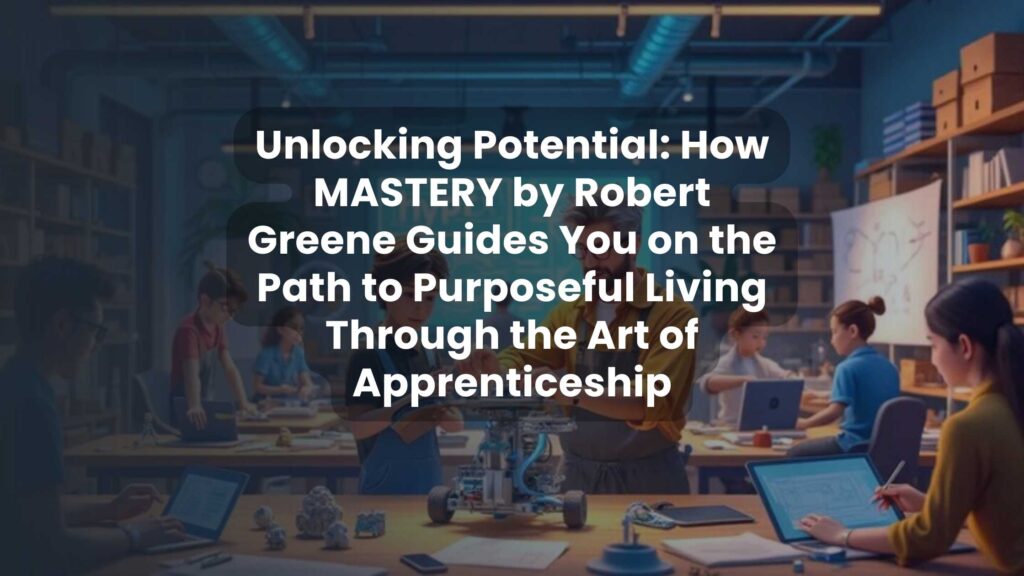
Discover Your Calling: Insights from THE ART OF WORK by Jeff Goins on Aligning Your Life with Purpose


In a world buzzing with constant change and endless possibilities, the quest to discover one’s calling has never been more relevant. The concept of a calling often feels elusive, yet it holds the promise of aligning our work with our deepest values and passions. As we navigate through the complexities of modern life, understanding that our calling can evolve is crucial. It invites us to engage in a journey of self-reflection, where we focus on what truly resonates with our hearts and minds.
Listening to our life experiences becomes pivotal in this exploration. Each high and low we encounter serves as a breadcrumb trail, leading us toward clarity and purpose in our careers. By reflecting on these moments, we can redefine our goals and approach our professional paths with intention and insight.
Moreover, the hands-on experiences gained through apprenticeships or internships provide invaluable opportunities for mentorship and skill development. These experiences not only enrich our resumes but also help us connect with our interests in tangible, impactful ways.
As we traverse our career journeys, we inevitably encounter pivot points—those moments of transition that challenge us to reassess our paths and aspirations. Recognizing these junctures as opportunities for growth can empower us to embrace change and redirect our efforts toward what truly matters.
In the pursuit of our callings, we must also learn to view failure through a different lens. Each setback can offer profound lessons that contribute to our resilience and inform our future decisions. By building bridges between our past experiences and future goals, we can create a coherent narrative that guides us closer to our true purpose.
Living with intentionality becomes a vital practice in this process. By setting clear and achievable goals, we can break them into actionable steps, ensuring that our daily choices align with our values and aspirations.
As we delve into the insights from “The Art of Work,” we are invited to embark on a transformative journey—one that encourages us to embrace our unique paths, reflect on our histories, and take meaningful steps toward a purpose-driven life that leaves a lasting impact.
Understanding the Concept of Calling in Today’s World
Explore how the definition of “calling” has evolved, emphasizing the importance of aligning work with personal values and interests.
The concept of “calling” has significantly transformed in today’s world, moving beyond traditional notions of vocation as merely a job or profession. In contemporary society, calling encompasses a deeper alignment between one’s work and personal values, passions, and interests. This evolution reflects a growing awareness that fulfillment in professional life is intrinsically linked to authenticity and purpose. For instance, a 2021 Gallup survey revealed that only 33% of U.S. employees feel engaged at work, suggesting that many individuals are in roles disconnected from their core values. As a result, the quest for a meaningful calling has become a priority for many, compelling them to seek careers that resonate with their identities and aspirations.
Discovering one’s calling often begins with deep self-reflection, where individuals take the time to assess their values and interests. This process involves a candid examination of past experiences, both positive and negative, which serve as valuable guides in shaping future paths. Understanding what brings joy and satisfaction can lead to a clearer vision of one’s ideal career. For example, someone who finds fulfillment in community service may feel called to work in non-profit organizations or social enterprises. Embracing such insights enables individuals to navigate their career journeys with purpose and intention, rather than merely following societal expectations or financial incentives.
Life experiences play a crucial role in clarifying one’s calling, especially during pivotal moments of transition. Recognizing and embracing these life shifts—whether they involve job changes, personal crises, or unexpected opportunities—can prompt a reassessment of what truly matters. For example, an individual who faces a job loss may use this moment to explore new interests or pursue a long-held dream that was previously set aside. Such transitions are often catalysts for growth, encouraging individuals to realign their career choices with their evolving values and goals. Acknowledging these periods as opportunities for self-discovery can lead to a more fulfilling and authentic professional life.
Engaging in apprenticeships or internships is another effective way to explore potential callings while gaining practical experience. These hands-on opportunities provide not only skills and knowledge but also exposure to different fields and work environments. For instance, a student interested in environmental science might take part in an internship with a conservation organization, allowing them to directly engage with their field of interest. This practical experience can clarify career aspirations and help individuals determine where their passions lie. Mentorship from experienced professionals during these formative experiences can further guide individuals, helping them navigate their paths with confidence and insight.
Ultimately, the journey toward understanding one’s calling is characterized by intentionality and the willingness to learn from failures. Each setback can be reframed as a valuable lesson, contributing to a deeper understanding of personal resilience and adaptability. The narrative of one’s career is not defined by a straight line but rather by a series of twists and turns that shape individual aspirations. By connecting past experiences to current goals, individuals can craft a coherent story that aligns with their calling. This narrative approach not only enhances self-awareness but also fosters a sense of purpose, reinforcing the idea that calling is an evolving concept shaped by both individual experience and broader societal changes.
The Importance of Listening to Your Life Experiences
Learn how to reflect on your life’s journey, using both triumphs and challenges to clarify your career goals and aspirations.
Listening to your life experiences is a powerful tool for personal and professional growth. Each triumph and challenge you encounter contributes to a tapestry of insights that can illuminate your career path. By taking the time to reflect on these moments, you can clarify your goals and aspirations. For instance, a study conducted by the American Psychological Association found that individuals who engage in reflective practices tend to experience greater career satisfaction and improved decision-making. This underscores the importance of not only acknowledging your experiences but actively analyzing them to derive meaningful lessons.
As you reflect on your journey, consider the concept of calling in today’s world. Discovering your calling begins with a deep understanding of your values and interests. This process involves a willingness to embrace change, as your calling may evolve over time with new experiences and insights. For example, someone who initially pursued a career in finance may find their passion in environmental advocacy after volunteering for a non-profit organization. This shift demonstrates how life experiences can reshape your aspirations, guiding you toward a more fulfilling career aligned with your authentic self.
Navigating through apprenticeships or internships can further enhance your understanding of your career goals. These hands-on experiences provide a unique opportunity to apply what you’ve learned in a real-world context, allowing you to explore various interests while developing practical skills. Engaging with mentors in these environments can also offer valuable insights into how your past experiences intersect with potential career paths. For instance, a student studying graphic design might discover a keen interest in user experience after working on a project that involves direct feedback from users, highlighting how experiential learning can shape your trajectory.
Recognizing pivot points in your life is equally crucial. These transitions—whether they arise from job changes, personal crises, or other significant events—serve as opportunities for growth and self-discovery. Embracing such moments can prompt a reassessment of your goals and desires, leading to new, more aligned aspirations. Consider someone who has faced a job loss; while initially disheartening, this experience could lead them to pursue a long-held passion, such as starting their own business, thus transforming a setback into a stepping stone toward their true calling.
Reframing failure as an opportunity is another vital aspect of listening to your life experiences. Each setback can provide valuable insights that inform future decisions, helping you build resilience. For instance, an entrepreneur who faces a failed launch may gain critical feedback that informs their next venture, ultimately leading to greater success. By embracing the lessons learned from both triumphs and failures, you can construct a coherent narrative that bridges your past with your future goals, reinforcing the notion that every experience contributes to your unique story.
To live with intentionality is to make choices that align with your calling. By setting clear, achievable goals and breaking them down into actionable steps, you ensure that your daily decisions resonate with your values and aspirations. This deliberate approach not only helps clarify your career path but also fosters a sense of purpose in your life. For example, someone who values community engagement might choose to volunteer regularly while pursuing a career in social work, creating a harmonious balance between their professional and personal aspirations. Engaging with your life experiences through this intentional lens can help you forge a fulfilling career that reflects your true self.
How Apprenticeships Shape Your Career Path
Discover the transformative power of apprenticeships and internships in acquiring practical skills and mentorship to refine your calling.
Apprenticeships and internships are powerful tools for shaping your career path, offering a unique blend of practical experience and mentorship that can significantly enhance your professional journey. Unlike traditional educational settings, these hands-on opportunities immerse you in real-world environments where you can apply theoretical knowledge to actual tasks. For instance, a young electrician might spend months learning wiring and circuit design through classroom instruction, but it’s during an apprenticeship that they develop the tactile skills necessary to troubleshoot issues on-site. This direct exposure not only solidifies their technical abilities but also fosters confidence as they navigate the complexities of their field.
As you engage in these programs, the importance of mentorship cannot be overstated. Experienced professionals provide invaluable guidance, sharing insights that textbooks often overlook. This relationship can illuminate your career calling by helping you identify strengths and interests that resonate with your values. For example, a marketing intern may initially be drawn to creative tasks but, through mentorship, discovers a passion for data analysis that helps refine their career focus. According to a study by the National Association of Colleges and Employers, 70 percent of employers prefer candidates who have internship experience, underscoring the competitive advantage these opportunities provide.
Listening to your life experiences plays a crucial role in maximizing the benefits of apprenticeships and internships. By reflecting on your past highs and lows, you can clarify your professional aspirations and navigate your career journey with intention. Each task you undertake during an apprenticeship not only adds to your skillset but also informs your understanding of what you truly enjoy and excel at. This reflective practice enables you to pivot gracefully during transitional phases in your career, transforming challenges into stepping stones for growth. For instance, if an apprenticeship in culinary arts reveals a passion for nutrition, it may prompt you to pursue further education in dietetics, opening new avenues for fulfillment.
Apprenticeships also provide a formative backdrop for recognizing and embracing life’s pivot points. Engaging in a hands-on role forces you to confront real-world challenges that may prompt introspection and reassessment of your goals. As you encounter obstacles, such as a difficult project or a change in team dynamics, you learn to adapt and grow. This process of navigating difficulties often reveals deeper insights about your aspirations and how they align with your evolving calling. For instance, a budding software developer might face a setback in a project but, through perseverance and support from mentors, learns to embrace failure as a catalyst for innovation—an essential skill in the fast-paced tech industry.
Ultimately, the journey through apprenticeships and internships allows you to build bridges between your past experiences and future ambitions. Each phase of your training contributes to a coherent narrative that aligns with your calling, helping you articulate your career goals more clearly. By recognizing how your unique history informs your aspirations, you can create a cohesive strategy for your professional development. Engaging with diverse tasks, receiving constructive feedback, and continuously reflecting on your experiences not only enhances your capabilities but also positions you to make intentional choices that resonate with your core values and long-term objectives.
Navigating Pivot Points: Recognizing Life’s Transitions
Life is a series of transitions, often marked by pivotal moments that shape our paths and influence our decisions. These pivot points can arise from various experiences, such as a job change, personal crisis, or even a sudden revelation about one’s aspirations. Recognizing these transitions as opportunities for growth is crucial. For instance, a study by the Institute of Career Development found that nearly 70% of professionals report experiencing significant career shifts influenced by personal challenges. These moments compel individuals to reassess their values and goals, ultimately guiding them toward a clearer understanding of their calling in life.
Self-reflection plays an essential role in navigating these transitions. By taking the time to listen to our life experiences, we can uncover valuable insights that inform our decisions. Reflecting on both the highs and lows of our journeys enables us to clarify our aspirations and strategize our career paths more purposefully. For example, someone who has faced setbacks in their career might find new motivation in those experiences, using them as a springboard to explore new opportunities that better align with their evolving interests and values. This process of introspection not only enhances self-awareness but also fosters resilience, allowing individuals to adapt and thrive in the face of change.
Engaging in hands-on experiences such as apprenticeships or internships can further facilitate the navigation of life’s transitions. These opportunities provide practical skill development and mentorship, helping individuals explore their interests in a real-world context. For example, a college student who undertakes an internship in a field of interest may discover a passion for that area, prompting them to adjust their career trajectory accordingly. This kind of experiential learning allows individuals to connect their past experiences with future goals, creating a cohesive narrative that reflects their unique journey and aspirations.
As individuals progress through these pivot points, it is vital to reframe challenges as opportunities for growth. Learning from failures can be a transformative experience that informs future decisions. Each setback can serve as a lesson, fostering resilience and a deeper understanding of what one truly desires from their career. Embracing this mindset encourages a proactive approach to navigating life’s transitions, empowering individuals to turn obstacles into stepping stones on their path to fulfillment. By consciously integrating lessons from past experiences, one can begin to build bridges between their history and aspirations, crafting a compelling life story that aligns with their calling.
Turning Failure into Opportunity: Lessons from The Art of Work
Reframing failure as a launching pad for future success is a central theme in “The Art of Work.” This perspective invites individuals to view setbacks not as dead ends but as stepping stones toward greater understanding and resilience. For instance, consider the story of a once-failed entrepreneur who faced multiple business closures before ultimately founding a thriving company. Each failure provided invaluable lessons about market demands, customer engagement, and effective management, illustrating that each setback can be a critical component of eventual triumph. In this context, failure becomes a teacher, offering insights that inform future decisions and strategies.
Understanding one’s calling in today’s rapidly changing world is essential for turning failure into opportunity. It begins with a process of self-reflection, where individuals assess their passions and values. By aligning their work with their true interests, they cultivate a sense of purpose that not only fuels their ambition but also helps them navigate inevitable challenges. For example, someone who initially pursued a career in finance may discover through reflection that their true passion lies in teaching. This realization can transform previous setbacks in the financial sector into valuable experiences that enhance their teaching approach, allowing them to inspire students with real-world insights.
Listening to life experiences is equally crucial for personal and professional growth. Each individual’s journey is marked by highs and lows that shape their perspectives and aspirations. By taking the time to reflect on these experiences, individuals can glean insights that clarify their career goals and inform their next steps. For instance, a person who has faced significant challenges in their career might find that these struggles have ignited a passion for mentorship, leading them to pursue roles where they can guide others through similar obstacles. This shift not only highlights the importance of resilience but also illustrates how life’s lessons can be woven into a coherent narrative that aligns with one’s calling.
Apprenticeships and internships serve as vital conduits for turning theoretical knowledge into practical skills, allowing individuals to explore their interests in a real-world context. Engaging in these experiences can illuminate one’s passions and provide clarity on career paths that resonate with their values. For example, a student who participates in an internship at a non-profit organization may discover a profound commitment to social justice, prompting a shift in their career trajectory. This hands-on experience not only enhances their resume but also equips them with the tools and confidence to navigate future challenges, transforming potential failures into opportunities for growth and meaningful impact.
Navigating life’s pivot points, such as job changes or personal crises, can be daunting yet transformative. Recognizing these moments as opportunities for growth encourages individuals to reassess their aspirations and make intentional choices. For instance, a mid-career professional who faces unexpected job loss might use this time to re-evaluate their long-term goals, ultimately leading them to pursue a passion that had been sidelined. By embracing these transitions, individuals can cultivate a mindset that views change as a catalyst for personal evolution, allowing them to turn perceived failures into powerful opportunities for reinvention.
Building Bridges Between Past Experiences and Future Goals
Connecting past experiences to future goals is an essential process that allows individuals to create a coherent narrative that shapes their career trajectories. Each person’s unique history—comprising successes, failures, and pivotal moments—serves as a foundation upon which future aspirations can be built. For instance, someone who faced challenges in a previous job may discover resilience and adaptability as key strengths, guiding them as they seek roles that require these qualities. Statistics show that individuals who actively reflect on their life experiences are 70% more likely to achieve their career goals, highlighting the importance of this introspective practice.
Listening to life experiences provides invaluable insights that can clarify future ambitions. By taking the time to reflect on both triumphs and setbacks, individuals can better understand what truly resonates with them. For example, a person who has navigated the complexities of a difficult project may realize that they thrive in environments that demand innovation and teamwork. This newfound clarity can influence their job choices, steering them toward positions that align with these insights. Moreover, embracing life’s pivot points—those significant transitions or crises—can serve as catalysts for growth, prompting individuals to reassess their career paths and redefine their goals.
Engaging in hands-on experiences, such as apprenticeships or internships, further bridges the gap between past experiences and future objectives. These opportunities not only allow individuals to gain practical skills but also help them explore their interests in a real-world context. A recent study revealed that 80% of interns reported that their experiences helped clarify their career aspirations, illustrating the profound impact of practical exposure on an individual’s professional journey. By engaging with mentors and gaining insights from those already established in their fields, individuals can better align their personal histories with their future ambitions.
Ultimately, reframing setbacks as learning opportunities is crucial for personal and professional growth. The lessons learned from failure can inform future decisions, fostering resilience and adaptability. Many successful individuals attribute their achievements to the ability to embrace failure, using it as a stepping stone rather than a stumbling block. For instance, J.K. Rowling faced numerous rejections before finding success with the Harry Potter series, illustrating how past hardships can shape future triumphs. By integrating these lessons into their personal narratives, individuals can create a roadmap that not only honors their past but also propels them toward their future aspirations.

Living with Intentionality: Making Choices that Align with Your Calling
Living with intentionality means making conscious choices that resonate with your true calling, a concept that is increasingly relevant in today’s fast-paced world. The journey toward discovering this calling begins with a deep sense of self-reflection, where individuals are encouraged to explore their core values and interests. For instance, a recent study revealed that people who actively engage in self-reflection report higher job satisfaction and overall well-being. This alignment between personal values and professional roles not only fosters a sense of fulfillment but also enhances productivity. As one delves deeper into understanding their calling, it is crucial to recognize that this calling may evolve with time and experience, requiring an adaptive mindset.
Listening to life experiences plays an integral role in shaping one’s career path. By reflecting on both successes and challenges, individuals can extract valuable insights that inform their future decisions. For example, someone who faced significant obstacles in their career may find that these experiences clarify their true aspirations, helping them navigate their professional journey with a more defined purpose. Engaging in this reflective practice allows individuals to connect the dots between their past and present, leading to a more intentional approach to their choices.
Apprenticeships and internships serve as practical gateways to intentional living, providing crucial hands-on experience that helps individuals explore their interests in real-world contexts. These opportunities not only allow for skill development but also facilitate mentorship, which is invaluable in understanding how one’s calling can manifest in various professional environments. For instance, an intern in a nonprofit organization may discover a passion for social impact, which could align with their values and lead them toward a fulfilling career dedicated to community service. Such experiences can illuminate pathways that resonate deeply with personal goals and aspirations.
Navigating pivot points, such as job changes or personal crises, often presents critical opportunities for growth. Recognizing these transitions as moments to reassess what you truly want can empower individuals to make transformative choices that align with their calling. For instance, someone who loses a job may initially view this as a setback, but upon reflection, could realize it is an opportunity to pursue a long-neglected passion or rethink their career trajectory. Embracing these shifts with a mindset geared toward growth can lead to a clearer understanding of one’s purpose.
Turning failure into opportunity is another essential aspect of living with intentionality. Each setback carries lessons that can shape future decisions, allowing individuals to build resilience and adaptability. Drawing insights from experiences of failure, as discussed in “The Art of Work,” can foster a mindset that views challenges as stepping stones rather than roadblocks. This perspective not only enhances personal growth but also contributes to a more fulfilling career journey, as individuals learn to navigate obstacles with renewed determination.
The process of building bridges between past experiences and future goals is fundamental in creating a coherent narrative that aligns with one’s calling. By connecting the dots between what they have learned and what they aspire to achieve, individuals can craft a clearer vision for their future. This alignment of past and present can serve as a guiding light, making it easier to set intentional goals that resonate with their values and aspirations. Ultimately, living with intentionality involves a commitment to setting clear, achievable objectives and breaking them down into actionable steps, ensuring that daily choices reflect a purposeful approach to life and work.
Embracing Your Calling: Steps to a Purpose-Driven Life
Embracing your calling is a journey that begins with a deep understanding of oneself and the surrounding world. In today’s fast-paced environment, where career paths often feel predetermined or influenced by external pressures, it is crucial to engage in self-reflection to uncover what truly resonates with your values and interests. This process is not static; rather, your calling may evolve as you gain experiences and insights over time. For example, a person initially drawn to marketing might discover a passion for sustainability, leading them to pivot their career towards environmental advocacy. Recognizing that your calling can change allows for growth and adaptability in a dynamic job market.
Listening to your life experiences is an essential step in this journey. Every high and low you encounter serves as a lesson, revealing your strengths and preferences. For instance, someone who navigated a challenging project at work may realize their adeptness in crisis management, which can inform future career choices. According to a study by the Harvard Business Review, individuals who reflect on their past experiences are better equipped to set meaningful goals and navigate their career paths purposefully. By taking the time to analyze these moments, you gain clarity on your aspirations and the direction you want to take.
Engaging in apprenticeships or internships is another vital aspect of discovering your calling. These hands-on experiences not only enhance your practical skills but also provide valuable mentorship and networking opportunities. Consider the story of someone who started an internship at a tech startup; through this role, they not only honed their coding skills but also realized their passion for user experience design. Such experiences can illuminate your interests in a real-world context and help you identify what truly excites you. Statistics show that 70 percent of interns are offered full-time positions after their internships, highlighting the significant role these experiences play in shaping career paths.
Navigating life’s pivot points is an equally important step in embracing your calling. Events such as job changes, personal crises, or significant life transitions can serve as catalysts for reassessment and growth. For example, a sudden job loss might prompt an individual to reevaluate their career goals, leading them to pursue a long-held dream of entrepreneurship. Recognizing these pivot points as opportunities rather than setbacks allows for a proactive approach to career development and personal growth, fostering resilience and adaptability in the face of change.
Reframing failure as an opportunity is a powerful lesson gleaned from “The Art of Work.” Each setback can provide valuable insights that inform future decisions, ultimately contributing to a more robust and resilient character. For instance, an entrepreneur who faced multiple unsuccessful ventures may identify patterns in their decision-making, leading to improved strategies in their subsequent projects. This perspective encourages individuals to view challenges as stepping stones rather than barriers, reinforcing the notion that every experience, positive or negative, contributes to your journey toward a purpose-driven life.
Building bridges between past experiences and future goals creates a coherent narrative that aligns with your calling. Reflecting on your unique history not only helps in identifying what has brought you joy or fulfillment but also aids in setting actionable goals. For example, someone who has always volunteered in their community might choose to merge their professional skills with their passion for social impact by pursuing a career in non-profit management. By connecting past experiences to current aspirations, you create a clear roadmap that guides your decisions and actions.
Living with intentionality is crucial in making choices that align with your calling. This involves setting clear, achievable goals and breaking them down into actionable steps that resonate with your values. By practicing intentional living, you ensure that your daily choices reflect your aspirations, fostering a sense of purpose and fulfillment. For instance, an individual aiming to transition into a health-focused career might start by taking relevant courses, volunteering at local health organizations, and networking with professionals in the field. Each small step taken with intention contributes to a larger journey toward a purpose-driven life that resonates deeply with your true self.
Conclusion
In conclusion, “The Art of Work” by Jeff Goins offers a profound framework for discovering your calling and aligning your life with purpose. The journey begins with self-reflection, encouraging you to delve into your values and interests, and understand that your calling can evolve as you gain new experiences. By actively listening to the tapestry of your life experiences, you can glean invaluable insights that clarify your goals and guide your career path.
Engaging in apprenticeships or internships not only equips you with practical skills but also provides a unique opportunity to explore your passions in a real-world context. As you navigate the inevitable pivot points in life, whether they arise from job changes or personal challenges, embrace these moments as catalysts for growth and reassessment of your true desires.
Remember, failure is not the end but rather a stepping stone towards your future success. Each setback holds lessons that can inform your next steps and strengthen your resilience. By weaving together your past experiences with your current aspirations, you create a narrative that is uniquely yours, one that reflects your authentic calling.
Living intentionally is crucial in this journey. Set clear, achievable goals and break them down into actionable steps, ensuring that your daily choices resonate with your values and aspirations. As you apply these insights from “The Art of Work,” you are not just carving out a career but crafting a fulfilling life that resonates with your true self. Embrace this journey with an open heart and mind, and watch as you create a lasting impact not only in your own life but in the lives of those around you.
FAQ
FAQ Section for Discover Your Calling: Insights from THE ART OF WORK by Jeff Goins on Aligning Your Life with Purpose
1. What does “calling” mean in today’s world?
Discovering your calling involves a deep understanding of yourself and awareness of your values and interests. It is important to engage in self-reflection and recognize that your calling can change over time as you gain new experiences and insights.
2. How can my life experiences help me find my calling?
Your life experiences are invaluable in shaping your understanding of your calling. By reflecting on both your successes and challenges, you can gain clarity about your goals and make informed decisions as you navigate your career journey.
3. What role do apprenticeships play in discovering my calling?
Apprenticeships and internships provide practical, hands-on experiences that are crucial for exploring your interests. They allow you to develop essential skills while receiving mentorship, helping you to clarify your passions and career path in a real-world context.
4. How can I recognize and navigate pivot points in my life?
Pivot points, such as job transitions or personal crises, can serve as significant opportunities for growth. It is essential to identify these moments and embrace them as chances to reassess your goals and align your career with what you truly want.
5. How can I turn failure into an opportunity for growth?
Failure should be viewed as a learning experience rather than a setback. Each challenge you face can provide valuable insights that inform your future decisions, helping you to build resilience and guiding you further along your career path.
6. How do I connect my past experiences to my future goals?
Your unique history can greatly inform your aspirations. By reflecting on your past experiences, you can create a coherent narrative that bridges where you have been with where you want to go, aligning your future goals with your calling.
7. What does living with intentionality mean in the context of my calling?
Living with intentionality involves making conscious choices that align with your values and aspirations. This can be achieved by setting clear, achievable goals and breaking them down into actionable steps, ensuring that your daily actions reflect your commitment to your calling.
In conclusion, embracing the insights from “The Art of Work” can empower you to discover your calling and build a fulfilling career. By reflecting on your past, setting intentional goals, and taking actionable steps, you can create a purpose-driven life that leaves a lasting impact.