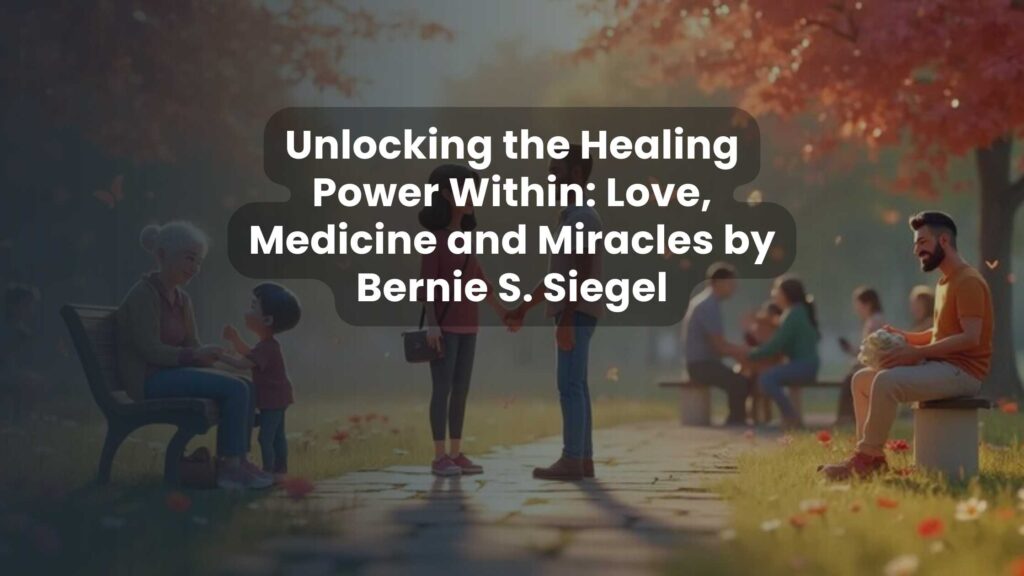
Unlocking the Healing Power Within: Love, Medicine and Miracles by Bernie S. Siegel

Healing is often seen as a purely medical journey, but what if the most powerful medicine comes not from a prescription, but from the heart? The profound influence of love on recovery and well-being reveals itself in ways that science and spirit converge. When embraced fully, love becomes a transformative force that nurtures, uplifts, and propels individuals through their darkest moments toward renewed strength and hope. It acts as a gentle balm for pain, a shield against adversity, and a catalyst for physical healing. Through compassion, resilience, and the creation of supportive environments, love weaves an invisible but unbreakable safety net around those in need. Stories of recovery fueled by love illuminate its miraculous role, reminding us that healing is as much about connection and kindness as it is about medicine. As we explore these truths, we uncover a powerful invitation to cultivate love not only within ourselves but throughout our communities, turning every act of care into a step toward collective healing.
The Transformative Role of Love in Emotional and Physical Healing
The transformative role of love in emotional and physical healing is profound and far-reaching. Love’s nurturing embrace acts as a catalyst in recovery, providing a supportive foundation that helps individuals overcome pain and stress more effectively. Whether this love comes from a partner, family member, or close friend, it creates a safety net that fosters resilience and hope. Studies have shown that patients who experience strong emotional support tend to have faster healing times and better mental health outcomes, illustrating how love is not just an emotion but a powerful force in recovery.
Compassion, a key expression of love, plays a vital role in the healing process by actively reducing fear and anxiety. When someone shows genuine empathy and understanding, it triggers the release of oxytocin, often called the “love hormone,” which lowers stress levels and promotes feelings of connection. This biochemical response enhances both emotional comfort and physical well-being. For example, patients in hospitals who receive compassionate care often report less pain and demonstrate quicker improvements, highlighting how love in action can directly influence health outcomes.
Love also builds resilience, a crucial factor in bouncing back from adversity. When people feel valued and supported, their self-worth strengthens, creating a psychological shield against life’s challenges. This resilience encourages positive thinking and motivates individuals to face recovery with determination. For instance, individuals recovering from trauma or chronic illness who have a strong support network often show greater perseverance and a more optimistic outlook, which are essential components of long-term healing.
The physical benefits of love extend beyond emotional support to include measurable improvements in health. Love has been linked to enhanced immune function, lower blood pressure, and reduced pain perception. Heart health, in particular, benefits from loving relationships, as emotional bonds can decrease stress hormones that otherwise strain the cardiovascular system. These effects underscore how love serves as a natural healer, promoting the body’s ability to repair itself and maintain balance.
Creating a loving environment is fundamental to nurturing healing. This involves fostering meaningful communication and positivity within everyday spaces, turning homes and care settings into sanctuaries of care. Simple acts such as active listening, expressing gratitude, and offering encouragement contribute to an atmosphere where healing can thrive. For example, families who practice open dialogue and mutual support report better emotional adjustment during illness, demonstrating the power of a loving environment.
Real-world stories of love-driven recoveries offer inspiring proof of love’s transformative power. Numerous accounts describe how unwavering support and unconditional affection have helped individuals overcome serious health challenges. These narratives show that love is not just a passive feeling but an active force that can motivate and sustain people during difficult times. Sharing these stories encourages others to embrace love as a vital part of healing.
Finally, encouraging love within communities amplifies its healing effects on a larger scale. Acts of kindness, inclusion, and empathy create a collective atmosphere where everyone benefits from greater emotional and physical well-being. By fostering love in community spaces, we contribute to a ripple effect that inspires healing beyond the individual level. Simple steps like volunteering, offering a listening ear, or organizing supportive groups help build this culture, making love a powerful tool for communal resilience and recovery.
Building Resilience and Self-Worth Through Loving Connections
The transformative love that heals plays a crucial role in building resilience and self-worth through loving connections. When individuals receive genuine care from partners, family, or friends, this nurturing embrace acts as a safety net, supporting them through difficult times. For example, studies show that people recovering from illness or trauma heal faster when surrounded by loving relationships. This kind of love uplifts, providing emotional strength and encouraging a positive mindset. It’s not just an abstract feeling; the tangible support from loved ones can reduce stress and create a foundation where healing and growth become possible.
Compassion in action is another key element in this process. Love expressed as empathy and understanding helps ease emotional pain and fear, making challenges feel less overwhelming. When someone feels truly seen and heard, their body responds by releasing oxytocin, often called the love hormone. This hormone lowers stress levels and improves overall well-being. For instance, caregivers who demonstrate compassionate love often see better recovery outcomes in those they support, highlighting how love’s active presence functions as a powerful healer. Practicing compassion daily sets the stage for deeper connections that strengthen both resilience and self-esteem.
Building resilience through love means more than just comfort; it empowers individuals to bounce back from setbacks with renewed confidence. When people experience consistent love and support, they develop a strong sense of self-worth that acts like armor against life’s difficulties. This positive reinforcement encourages a forward-looking attitude, helping individuals face challenges with courage instead of fear. For example, children raised in nurturing environments often show higher resilience in school and social situations, demonstrating that love’s impact on self-worth is both profound and long-lasting. Cultivating these loving bonds creates a protective space where people can thrive despite adversity.
The physical healing power of love is an often overlooked but vital aspect of recovery. Love improves immune function and heart health while helping to reduce pain, making it a natural ally in the healing process. Research shows that patients with supportive relationships have lower rates of heart disease and recover more quickly from surgery. This connection between emotional well-being and physical health underscores the importance of fostering loving connections. Simple actions like a gentle touch, kind words, or shared laughter can trigger biological responses that enhance healing and maintain health over time.
Creating a loving environment for healing involves intentional communication and positivity. Spaces infused with care become sanctuaries where people feel safe to express themselves and heal emotionally. For example, healthcare settings that encourage family involvement and emotional support show better patient satisfaction and outcomes. In everyday life, this means practicing active listening, offering encouragement, and celebrating small victories. By weaving love into our environments, we nurture resilience and self-worth, turning ordinary places into sources of strength and recovery.
Stories of love-driven recoveries offer inspiring evidence of love’s transformative power. Tales of individuals overcoming hardship with unwavering support from loved ones highlight how affection fuels resilience. For instance, a person recovering from addiction may credit their success to the consistent encouragement and acceptance from family. These narratives show that love is not just comforting—it is a formidable ally that helps people rebuild their lives. Sharing these stories encourages us to recognize and value the role of loving connections in personal growth and healing.
Encouraging love in our communities amplifies the benefits of individual healing by creating inclusive, supportive networks. Acts of kindness and the cultivation of welcoming spaces foster a collective resilience that uplifts everyone involved. For example, community programs that promote social connection and mutual support reduce feelings of isolation and improve mental health outcomes. By spreading love through everyday actions, we contribute to a larger healing force that inspires change beyond ourselves. Embracing this approach empowers individuals to build self-worth and resilience through meaningful, loving connections that ripple outward into society.
Practical steps to build resilience and self-worth through loving connections include actively reaching out to others, practicing empathy, and creating rituals of positive communication. Set aside time each day to connect deeply with loved ones by sharing feelings or simply listening without judgment. Incorporate small acts of kindness, such as expressing gratitude or offering help, to reinforce bonds. Additionally, developing self-compassion is vital; treat yourself with the same kindness you extend to others. These actions build a foundation where love fosters healing and resilience, making emotional strength a sustainable part of life.
Scientific Evidence on Love’s Impact on Immune and Heart Health
Scientific evidence increasingly highlights the transformative love that heals, showing how emotional connections accelerate recovery and reduce stress. When individuals experience love from partners, family, or friends, their bodies respond positively by activating a safety net that supports faster healing. For example, studies have found that patients with strong social bonds recover more quickly from surgeries and cope better with chronic illnesses. This nurturing embrace of love helps lower cortisol levels, the hormone linked to stress, which in turn strengthens immune function. Understanding this connection encourages us to value and cultivate loving relationships as vital components of health.
Compassion in action illustrates love’s role as a natural healer by fostering empathy and understanding that ease pain and emotional distress. The release of oxytocin, often called the love hormone, plays a crucial role here. Oxytocin not only promotes feelings of bonding but also reduces inflammation and blood pressure, supporting both immune and heart health. For instance, people who engage in compassionate caregiving show improved cardiovascular markers compared to those without such supportive roles. By practicing compassion daily, individuals can harness this biological response, enhancing their well-being and creating a cycle of healing that benefits both giver and receiver.
Love also builds resilience, empowering individuals to recover from adversity with greater strength and optimism. This psychological boost stems from increased self-worth and the belief that one is supported and valued, which acts as a protective shield against stress-related illnesses. Research indicates that people in loving relationships exhibit lower rates of depression and heart disease, thanks to this emotional foundation. In practical terms, cultivating love through open communication and mutual support can foster resilience, helping people bounce back more effectively in challenging times, ultimately contributing to stronger immune defenses and heart health.
The physical healing power of love is evident in how it enhances immune function and promotes cardiovascular wellness. Love’s positive impact reduces symptoms such as pain and inflammation, speeding up recovery processes. For example, patients who felt loved and cared for during hospital stays showed faster wound healing and fewer complications. Additionally, loving interactions can lower heart rate and improve blood vessel function, reducing the risk of heart disease. These findings underscore love’s role as a potent ally in physical health, suggesting that nurturing loving bonds can be an effective complement to medical treatment.
Creating a loving environment is essential for healing, as it nurtures both emotional and physical recovery. Meaningful communication, positivity, and consistent support transform everyday spaces into sanctuaries of care. For instance, healthcare settings that encourage family involvement and emotional support report better patient outcomes and higher satisfaction. On a personal level, fostering a loving home atmosphere with empathy and understanding helps reduce stress, promoting immune system strength and heart health. By consciously cultivating these environments, individuals can enhance the body’s natural ability to heal and maintain well-being.
Stories of love-driven recoveries bring to life the powerful effects of love in overcoming health challenges. Numerous inspiring accounts reveal how unwavering support and unconditional affection contribute to remarkable healing journeys. For example, cancer patients who receive strong emotional backing often experience improved treatment responses and quality of life. These real-world examples demonstrate love’s ability to motivate and sustain individuals through adversity, reinforcing the scientific evidence of its healing benefits. Sharing such stories encourages others to embrace love as a vital part of their recovery and health strategies.
Encouraging love in our communities can amplify its health benefits on a larger scale by fostering kindness and inclusivity. Acts of love create supportive networks that act as a collective healing force, improving overall well-being and reducing the prevalence of heart and immune system disorders. Community programs centered on compassion and connection have shown success in lowering stress and promoting healthier lifestyles among participants. By spreading love through everyday actions and creating inclusive spaces, we contribute to a culture where healing and health thrive together, inspiring others to join in this powerful movement.
Designing a Supportive Loving Environment for Faster Recovery
Love’s nurturing embrace transforms recovery journeys in profound ways. Whether it comes from a partner, family member, or close friend, genuine love creates a safety net that helps individuals heal faster and cope better with stress. For example, patients recovering from surgery who report strong emotional support often experience shorter hospital stays and fewer complications. This transformative love uplifts, providing both comfort and motivation when challenges arise, making a tangible difference in the path to wellness.
Compassion is love in action, demonstrating empathy and deep understanding. When someone shows compassionate care, it eases pain and calms fears, which directly impacts physical health by reducing stress hormones. Scientific studies reveal that compassionate interactions stimulate the release of oxytocin, known as the love hormone, which promotes relaxation and faster healing. By practicing compassion daily, caregivers and loved ones can actively contribute to recovery, turning simple acts of kindness into powerful healing tools.
Building resilience through love is another vital component of a supportive environment. Love fosters self-worth and confidence, creating a protective shield against life’s challenges. For example, individuals recovering from addiction or trauma often cite the encouragement and acceptance from loved ones as crucial factors that helped them regain stability. This emotional foundation encourages a positive outlook, making it easier to face setbacks and maintain progress in recovery efforts.
Love also has remarkable physical healing properties. Studies show that people who feel emotionally supported have stronger immune systems, better heart health, and experience less pain. For instance, heart surgery patients with loving caregivers typically show improved recovery metrics, including lower blood pressure and reduced inflammation. This link between emotional well-being and physical health highlights why a loving, supportive environment is indispensable for faster recovery.
Creating such an environment involves cultivating meaningful communication and positivity every day. Simple practices like active listening, expressing gratitude, and encouraging words transform ordinary spaces into sanctuaries of care. Families and caregivers can introduce routines that promote openness and warmth, such as sharing daily check-ins or celebrating small victories. These intentional actions nurture healing by ensuring that individuals feel valued and understood throughout their recovery journey.
Real-life stories of love-driven recoveries illustrate the power of unwavering support and unconditional affection. For example, a patient recovering from a serious illness might credit their progress to the continuous presence and encouragement of their community or close friends. These inspiring narratives serve as reminders that love is not just an abstract feeling but a formidable ally that can overcome even the toughest obstacles.
Encouraging love within communities amplifies this healing effect. Acts of kindness, inclusive gatherings, and supportive networks extend the reach of love beyond individual relationships. Community programs that foster connection, such as group therapy or neighborhood support circles, create environments where recovery is a shared journey. By participating in and promoting these loving spaces, individuals not only aid their own healing but also contribute to a larger culture of compassion and resilience.
To design a supportive loving environment for faster recovery, focus on clear communication, empathy, and consistent encouragement. Practical steps include setting aside regular time for meaningful conversations, expressing appreciation openly, and creating routines that reinforce a positive atmosphere. Encouraging loved ones to share their feelings without judgment helps build trust and emotional safety, which are essential for healing. These intentional actions empower both caregivers and those recovering to embrace love as a transformative force in health and well-being.
Designing a Supportive Loving Environment for Faster Recovery
Love’s nurturing embrace profoundly impacts recovery journeys, acting as a powerful catalyst for healing. Whether it comes from a partner, family member, or friend, the presence of love creates an uplifting atmosphere that propels individuals forward. This emotional support forms a safety net, allowing people to navigate the challenges of recovery with greater ease. When surrounded by love, individuals can experience reduced anxiety and increased motivation, leading to faster healing. Studies have shown that emotional support significantly impacts recovery outcomes, making it clear that love is not just a comforting presence but a vital element in the healing process.
Compassion serves as love in action, embodying empathy and understanding during difficult times. It alleviates pain and fear, reducing stress levels and promoting overall health. The release of oxytocin, often referred to as the “love hormone,” occurs in environments rich in compassion, enhancing feelings of safety and comfort. This hormone has been linked to improved immune function and lower blood pressure, illustrating how love can directly influence physical well-being. By practicing compassion, individuals not only support their loved ones but also bolster their own health, creating a cycle of care that benefits everyone involved.
Building resilience is another critical aspect of recovery that love uniquely fosters. When individuals feel loved and valued, they cultivate a sense of self-worth that empowers them to rebound from adversity. This emotional strength acts as a shield against the trials of life, encouraging a more positive outlook on challenges. For instance, support groups often emphasize the importance of sharing experiences and feelings, which can enhance resilience through collective strength. These connections allow individuals to see that they are not alone, reinforcing their ability to overcome obstacles and thrive.
The physical healing power of love is equally compelling, as emotional connections can enhance immune function and promote bodily recovery. Love has been shown to improve heart health and reduce pain, making it an essential ally in the healing process. For example, patients who receive consistent emotional support during their recovery often report less pain and quicker recovery times. This connection underscores the idea that mental and physical health are intertwined, and fostering love can lead to tangible improvements in health outcomes.
Creating a loving environment for healing is a proactive step anyone can take. Meaningful communication and positivity are vital components in cultivating such an atmosphere. Simple acts, like expressing appreciation or offering encouragement, can transform everyday spaces into sanctuaries of care. This nurturing environment not only supports recovery but also enhances relationships, promoting a sense of belonging and safety. Individuals are encouraged to share their feelings openly, fostering deeper connections that contribute to a supportive atmosphere.
Inspiring stories of love-driven recoveries abound, showcasing the potent impact of unwavering support and unconditional affection. These narratives highlight individuals who have triumphed over adversity thanks to the love of their families and friends. For instance, a cancer survivor often credits her recovery to the constant encouragement and support from her partner and community. Such stories serve as powerful reminders that love is a formidable ally in overcoming challenges, inspiring hope and resilience in others facing similar struggles.
Encouraging love in our communities can amplify the healing process for everyone. By engaging in acts of kindness and creating inclusive spaces, we can foster an environment where love thrives. Community initiatives like support groups or volunteer programs bring people together, weaving a fabric of compassion that can uplift those in need. Simple gestures, like a smile or a listening ear, can create ripples of positivity that inspire others. As we promote love in our surroundings, we not only contribute to individual healing but also become part of a larger force for communal wellness.
As you navigate recovery, let love guide your journey. By cultivating an environment rich in support and compassion, you foster connections that empower change and promote healing. Share these insights with others, creating a world where the synergy of love and recovery flourishes, leading to profound transformations in both individual lives and communities.
Real-Life Stories Demonstrating Love’s Healing Miracles
The transformative love that heals is often seen in real-life stories where individuals recover faster and cope better with life’s challenges thanks to the nurturing support of loved ones. Whether it comes from a partner, family member, or close friend, this love acts as a safety net, offering both emotional strength and motivation. For example, patients recovering from surgery who receive consistent care and affection tend to experience less anxiety and quicker healing times. This demonstrates how love not only comforts but actively propels individuals forward on their recovery journey, making it an essential part of overcoming adversity.
Compassion in action is another powerful aspect of love that can dramatically influence healing. When people show empathy and understanding, it reduces feelings of fear and pain. Studies have shown that compassionate care triggers the release of oxytocin, often called the love hormone, which lowers stress levels and promotes overall well-being. A notable case involves caregivers who, by simply listening and offering kindness, help patients manage chronic illnesses more effectively. This real-world example illustrates how love expressed through compassion acts as a natural healer, easing both the mind and body.
Love also builds resilience, providing the mental and emotional armor necessary to bounce back from difficult situations. It instills a sense of self-worth and confidence, which becomes a protective shield against future hardships. Consider survivors of trauma who credit their recovery to the unwavering support of friends and family. Their stories highlight how love fosters a positive outlook, enabling individuals to face setbacks with renewed strength. This resilience is crucial for sustained healing and personal growth.
The physical healing power of love is evident in its ability to improve health markers such as immune function and heart health. Research indicates that people in loving relationships often experience lower blood pressure and reduced pain levels, speeding recovery from illness or injury. For instance, patients with strong social connections tend to have better surgical outcomes and fewer complications. These examples show how love directly benefits the body, making it a potent ally in the healing process beyond just emotional comfort.
Creating a loving environment is key to nurturing healing on a daily basis. Spaces filled with meaningful communication, positivity, and mutual respect become sanctuaries where recovery can thrive. Families who prioritize open dialogue and express gratitude regularly often see better emotional and physical health outcomes. Simple actions like sharing kind words or spending quality time together help cultivate this supportive atmosphere. By fostering such environments, we enable healing to flourish naturally and consistently.
Stories of love-driven recoveries serve as inspiring reminders of love’s immense power. Accounts of people overcoming serious illnesses or life crises often emphasize the role of unconditional affection and steadfast support. One remarkable story involves a community rallying around a child with a rare disease, providing not only medical help but also emotional encouragement. These narratives show that love is more than a feeling—it is a formidable force that helps people conquer even the most daunting challenges.
Encouraging love in our communities amplifies this healing power on a broader scale. Acts of kindness, inclusion, and support transform neighborhoods into places of hope and recovery. When individuals come together to foster love, they create a collective strength that uplifts everyone involved. Volunteer groups, support networks, and local initiatives that promote empathy and care are excellent examples of how love spreads and heals. By participating in these efforts, readers can help build a world where healing and love walk hand in hand.
Practical steps to harness love’s healing miracles include actively expressing gratitude to loved ones, practicing empathy in daily interactions, and creating supportive environments at home and work. Encouraging open communication and engaging in small acts of kindness can strengthen emotional bonds and promote wellness. Additionally, surrounding yourself with positive relationships and seeking compassion during tough times empowers resilience. These actionable approaches make love’s healing power accessible to everyone, fostering lasting recovery and growth.
Harnessing Inner Love to Unlock Personal Healing Miracles
The transformative love that heals plays a crucial role in personal recovery and well-being. When embraced, love acts as a nurturing force, creating a supportive foundation for healing from emotional wounds or physical ailments. Whether it comes from a partner, family member, or close friend, this love provides a safety net that helps reduce stress and accelerates the healing process. For example, patients recovering from surgery who receive consistent emotional support often experience shorter hospital stays and better overall outcomes. This nurturing embrace of love helps individuals feel valued and understood, which is essential for unlocking deeper levels of personal healing miracles.
Compassion in action represents love’s most powerful form, translating empathy and understanding into tangible support. When someone shows genuine compassion, it eases pain and diminishes fear, both of which can otherwise hinder recovery. Scientifically, acts of compassion trigger the release of oxytocin, often called the love hormone, which lowers stress and enhances emotional well-being. Consider caregiving environments where compassionate care has been linked to improved patient moods and reduced anxiety. This shows how love, when actively expressed, becomes a healing agent that not only soothes emotional distress but also promotes overall health.
Building resilience through love is another vital aspect of personal healing. Love instills a profound sense of self-worth and inner strength, equipping individuals to face life’s challenges with confidence. This resilience acts like a protective shield, helping people bounce back from setbacks and maintain a positive outlook even during difficult times. Studies of trauma survivors reveal that those with strong, loving relationships tend to recover faster and more fully. Cultivating self-love alongside external love reinforces this resilience, encouraging you to nurture your own needs and boundaries for sustained healing.
Love’s physical healing power is supported by a growing body of research showing its benefits on the body’s recovery mechanisms. Love enhances immune function, improves heart health, and reduces pain levels, making it a potent ally in healing physical conditions. For instance, heart attack patients who report strong emotional connections with loved ones often experience fewer complications and faster rehabilitation. By reducing harmful stress hormones and encouraging relaxation, love directly contributes to the body’s ability to repair itself. This illustrates how harnessing inner love can unlock miracles not just emotionally but physically as well.
Creating a loving environment is essential for nurturing healing on all levels. A space filled with meaningful communication, positivity, and mutual respect becomes a sanctuary where healing can flourish. Simple acts like expressing gratitude, sharing kind words, or maintaining open dialogue build a supportive atmosphere that encourages growth and recovery. For example, therapy groups that foster positive connections among members often see higher rates of success due to this loving environment. By intentionally cultivating such spaces at home or work, you create fertile ground for personal healing miracles to take root and thrive.
Stories of love-driven recoveries provide inspiring proof of love’s transformative healing power. Accounts of individuals overcoming chronic illness or addiction often highlight the unwavering support and unconditional affection they received as key factors in their journeys. One notable example is the story of a cancer survivor whose recovery was deeply connected to the love and encouragement from family and friends. These real-world examples demonstrate how love serves as a formidable ally, turning despair into hope and pain into strength. Sharing these stories encourages others to seek and offer love as part of their own healing process.
Encouraging love within communities magnifies its healing effects beyond the individual. By fostering acts of kindness and creating inclusive spaces, we contribute to a larger network of support that promotes collective well-being. Community initiatives that emphasize compassion and connection have been shown to reduce loneliness and enhance mental health among participants. When we actively spread love, we become catalysts for widespread healing, inspiring others through our actions. Engaging in such community efforts not only benefits others but also reinforces your own healing journey, creating a cycle of love and recovery that uplifts everyone involved.
To harness inner love and unlock personal healing miracles, start by practicing self-compassion daily. Simple steps like journaling your feelings, setting healthy boundaries, and nurturing positive self-talk can build a foundation of self-love. Additionally, seek out supportive relationships and communicate openly about your needs to cultivate external love. Engaging in mindfulness or meditation can help you connect more deeply with your inner emotions, enhancing your ability to give and receive love. These practical actions empower you to create a loving environment both inside and around you, accelerating your path to healing and transformation.
Harnessing Inner Love for Personal Healing Miracles
Harnessing inner love for personal healing miracles reveals the transformative power of nurturing affection within ourselves. This profound love acts as a catalyst for recovery, fostering an environment where emotional and physical wounds can mend more swiftly. When we tap into this inner wellspring of compassion, it creates a safety net that supports us through difficult times. For example, individuals recovering from trauma often find that cultivating self-love boosts their confidence and reduces anxiety, enabling a smoother healing process. The transformative love that heals is not just about external support but about the gentle encouragement we offer ourselves daily.
Compassion in action amplifies this healing effect by turning love into a practical force. Showing empathy and understanding toward our own struggles calms the nervous system and lowers stress hormones. This releases oxytocin, often called the love hormone, which has been scientifically proven to enhance emotional well-being and physical health. Studies show that people who practice self-compassion experience less chronic pain and recover faster from illness. By consciously engaging in kind, supportive self-talk and mindfulness, we activate this critical healing mechanism, making love an active participant in our recovery journey.
Love also plays a vital role in building resilience, the mental strength needed to overcome adversity. When we foster a deep sense of self-worth through self-love, we develop an inner shield that protects us from life’s challenges. This resilience encourages a positive outlook, helping us bounce back more quickly from setbacks such as loss or illness. For instance, research shows that individuals with strong self-compassion are less likely to suffer from depression after traumatic events. Cultivating resilience through love involves daily practices such as affirmations, gratitude journaling, and setting healthy boundaries, all of which reinforce our ability to thrive despite difficulties.
The physical healing power of love extends beyond emotional support to influence the body’s recovery processes directly. Love has been linked to improved immune function, reduced inflammation, and better heart health. Patients who feel loved and cared for tend to heal faster from surgeries and illnesses. For example, studies in hospital settings reveal that patients with strong social and emotional support experience shorter recovery times and fewer complications. By nurturing love within, we promote these physiological benefits, making love not just a feeling but a vital ally in physical healing.
Creating a loving environment for healing involves surrounding ourselves with positivity and meaningful connection. This can be as simple as cultivating open communication with loved ones or creating personal spaces that evoke comfort and safety. Such environments reduce stress and encourage the body’s natural repair mechanisms. For example, healing centers and hospices often focus on creating warm, supportive atmospheres that foster recovery. At home, incorporating elements like gentle lighting, inspiring artwork, and daily affirmations can transform ordinary spaces into sanctuaries of care, enhancing our personal healing miracles.
Stories of love-driven recoveries provide powerful inspiration for harnessing inner love in healing. Numerous accounts highlight how unwavering support and unconditional affection have enabled individuals to overcome severe health challenges and emotional pain. One notable example is the story of a cancer survivor whose recovery was deeply influenced by the love and encouragement of family and friends, as well as her own self-compassion practices. These real-life narratives underscore love’s role as a formidable healing force, motivating others to embrace love as part of their own recovery journeys.
Encouraging love in our communities extends the healing power beyond the individual to create collective well-being. Acts of kindness, inclusive spaces, and supportive networks foster a culture where healing thrives. For instance, community programs that promote social connection and empathy have been shown to reduce rates of depression and anxiety among participants. By contributing to these loving environments, we not only enhance our own healing but also become part of a larger movement that nurtures health and resilience in others. Embracing and sharing love in daily life sparks personal transformation and builds a foundation for ongoing healing miracles.
Conclusion
In Unlocking the Healing Power Within: Love, Medicine and Miracles, Bernie S. Siegel eloquently reveals how love serves as a profound catalyst for healing—physically, emotionally, and spiritually. From the transformative embrace of compassionate relationships to the tangible ways love strengthens resilience and enhances immune function, the book underscores the essential role love plays in recovery. It invites us to create nurturing environments filled with empathy and positivity, where healing can truly flourish. Through inspiring stories and practical guidance, Siegel encourages us to recognize love not just as an emotional experience but as a powerful, active force that can bring about miracles in health and well-being.
As you reflect on these lessons, consider how you might cultivate more love in your own life and community. Whether through acts of kindness, meaningful connections, or simply offering empathy, you hold the key to unlocking healing within yourself and others. Dive deeper into these insights and let love be your guiding light on the journey to wholeness and resilience. Your next step toward healing could begin with embracing the transformative power of love today.
FAQ
Frequently Asked Questions about Unlocking the Healing Power Within: Love, Medicine and Miracles by Bernie S. Siegel
What is the central theme of Bernie S. Siegel’s book?
The book explores how love acts as a powerful force in healing, combining emotional support with medical treatment. It highlights how love nurtures recovery, reduces stress, and promotes both mental and physical well-being.
How does love contribute to the healing process according to the book?
Love creates a supportive and nurturing environment that helps individuals cope with illness and adversity. It uplifts the spirit, fosters resilience, and even improves physical health by enhancing immune function and heart health.
What role does compassion play in healing as described by Bernie S. Siegel?
Compassion is love in action. Showing empathy and understanding eases pain and fear, lowers stress levels, and stimulates the release of oxytocin, a hormone linked to healing and bonding.
Can love really affect physical health and recovery?
Yes, the book explains that love positively influences the body by boosting immune responses and reducing pain. This means that emotional connections are not just comforting but also biologically beneficial during recovery.
How can someone create a loving environment to support healing?
A loving environment is built through meaningful communication, positivity, and genuine care. Encouraging open expression and fostering supportive relationships make everyday spaces places of comfort and healing.
Are there examples or stories that illustrate the healing power of love in the book?
The book shares inspiring stories of individuals who experienced remarkable recoveries with the help of unwavering love and support. These stories demonstrate how love acts as a formidable ally in overcoming health challenges.
How can communities benefit from embracing love as a healing force?
When communities promote kindness, inclusivity, and compassion, they cultivate a collective healing energy. This shared love strengthens bonds, supports individuals in need, and creates a ripple effect of positive change.
What practical steps does the book suggest for incorporating love into healing?
Bernie S. Siegel encourages fostering deep connections, practicing empathy, and maintaining positivity. By consciously choosing love in our interactions, we can enhance resilience and contribute to our own and others’ healing journeys.
Why is resilience important in the context of love and healing?
Resilience, strengthened by love, empowers individuals to bounce back from adversity with greater confidence and hope. Love instills self-worth and optimism, providing a protective shield against life’s challenges.
How can readers apply the insights from Unlocking the Healing Power Within in their daily lives?
Readers are encouraged to embrace love as a guiding principle, nurture their relationships, and create supportive environments at home and in their communities. Sharing kindness and compassion helps build a world where healing and love coexist harmoniously.