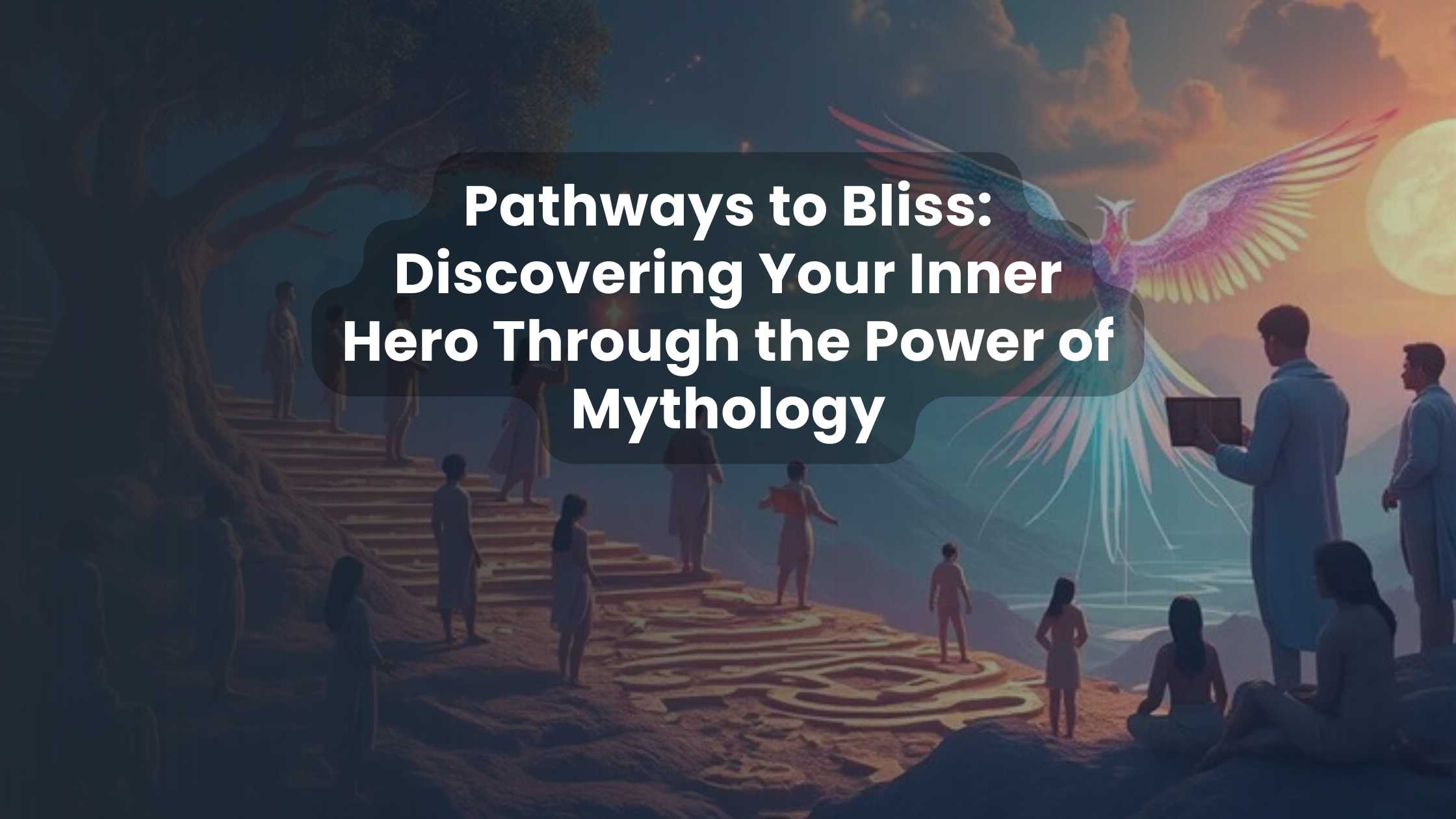
Pathways to Bliss: Discovering Your Inner Hero Through the Power of Mythology

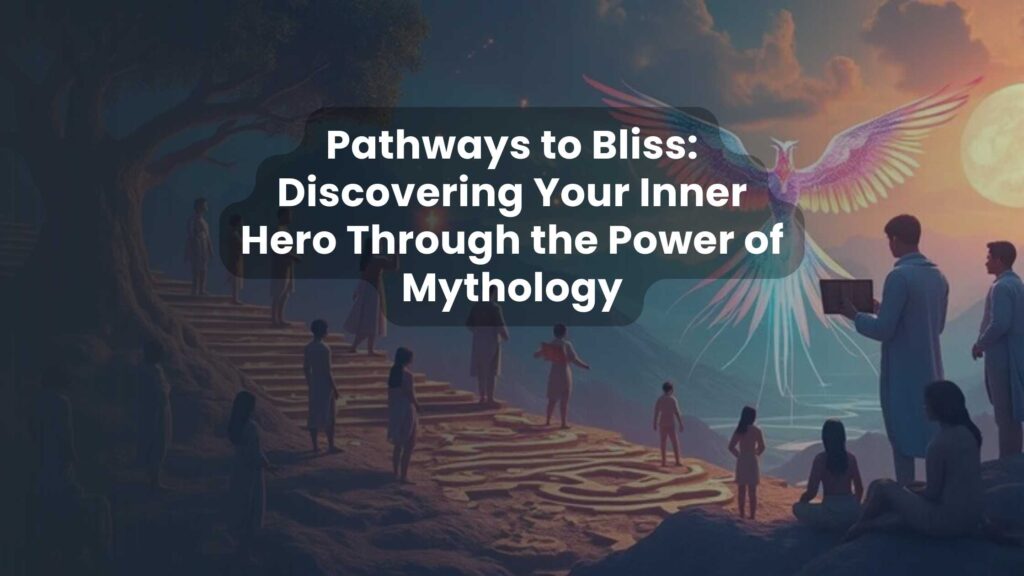
Throughout human history, stories have served as more than mere entertainment; they have been profound vessels of wisdom, offering insight into the very fabric of our existence. Mythology, with its rich tapestry of gods, heroes, and epic quests, holds a unique power to illuminate our inner world and guide us through the complexities of life. These ancient narratives act as mirrors reflecting our struggles, aspirations, and transformations, inviting us to embark on a journey of self-discovery. By exploring the timeless lessons embedded in myths, we can awaken the hero that resides within each of us, finding strength, clarity, and purpose amidst the challenges we face. Join this exploration and uncover how mythology can become a powerful tool for personal growth and transformation.
Understanding Mythology as a Tool for Personal Transformation
Mythology isn’t merely a collection of ancient stories; it serves as a profound tool for personal transformation and self-discovery. These narratives offer more than entertainment—they provide insights into human nature, emotions, and challenges that remain relevant today. By engaging with myths, you can uncover hidden aspects of your personality and gain fresh perspectives on your life’s journey. For example, the story of the hero’s quest often mirrors our own struggles and victories, encouraging us to confront fears and embrace growth. Understanding mythology as a tool for personal transformation invites you to see these timeless tales as guides, helping you navigate change and develop resilience.
Myths act as mirrors reflecting the inner journey of the self, revealing patterns and themes that resonate deeply with our experiences. Take Odysseus’ long voyage home in Greek mythology—it symbolizes the trials and setbacks we face while striving to reach our goals. Recognizing these parallels allows you to view personal challenges as part of a larger narrative, one where perseverance and courage lead to growth. This approach transforms obstacles into meaningful steps on your path to self-improvement. By interpreting myths as inner journeys, you gain valuable lessons on patience, adaptability, and the strength needed to overcome adversity.
The stories found in mythology provide a blueprint for human experience, outlining stages of transformation that many people encounter. Consider the Buddha’s enlightenment story, which teaches about awakening through self-awareness and overcoming suffering. Such narratives highlight universal themes like struggle, realization, and renewal that connect to personal development processes. These mythological frameworks help you understand your evolution, allowing purposeful navigation through life’s complexities. By learning from these archetypal stories, you can identify your own transformation phases and approach them with clarity and intention.
Symbols within mythology offer powerful insights for facing life’s challenges and fostering growth. For instance, the labyrinth represents a complex journey inward, encouraging exploration of the subconscious and self-discovery. The phoenix, rising from ashes, symbolizes rebirth and resilience after hardship. These symbols remind us that change is cyclical and that setbacks often lead to renewal. Incorporating mythological symbols into personal reflection practices can deepen your understanding of growth patterns and inspire you to embrace change confidently. By recognizing and applying these symbols, you develop a mindset equipped to handle transitions and challenges.
Myths continue to play a significant role in modern personal development by providing timeless wisdom that enhances self-awareness and resilience. In today’s fast-paced world, where stress and uncertainty are common, mythological stories offer grounding perspectives. They encourage you to connect with your inner strength and values, fostering emotional balance and mental clarity. Modern coaches and therapists often use mythic narratives to help clients articulate their struggles and envision transformation. This relevance demonstrates how mythology bridges ancient knowledge with contemporary self-growth practices, making it a valuable resource for anyone seeking lasting change.
Applying mythological lessons in everyday life transforms abstract concepts into practical tools for growth. Imagine a young professional dealing with anxiety who reflects on Persephone’s story of descent and return. This reflection can shift feelings of fear into empowerment, illustrating how embracing difficult phases leads to renewal. To use mythology effectively, start by identifying a myth that resonates with your current situation. Then, journal or meditate on its themes and symbols, asking how they relate to your experiences. This practice fosters insight and motivation, helping you turn challenges into stepping stones for personal transformation.
To embrace the hero within, begin by actively engaging with myths that inspire you and reflect your personal journey. Use these stories as a roadmap for overcoming obstacles and achieving your goals. Practical steps include:
– Reading or listening to mythological tales regularly
– Reflecting on the lessons and symbols that stand out
– Applying insights to real-life challenges
– Journaling your progress and emotional responses
– Sharing your reflections with a community or mentor for support
By integrating these actions into your routine, you empower yourself to navigate change more confidently and unlock your potential for growth. Understanding mythology as a tool for personal transformation invites you to step into your own story as the hero, ready to conquer life’s challenges with wisdom and courage.
The Blueprint of Human Experience: Myths and Transformation
Myths have long served as more than just captivating stories from the past; they form the blueprint of human experience by offering profound insights into personal transformation. These narratives provide valuable frameworks that help us understand our inner worlds and navigate life’s complexities. For example, the story of Buddha’s enlightenment illustrates how overcoming internal obstacles leads to clarity and purpose. By exploring such myths, individuals can discover patterns of growth that resonate deeply with their own struggles and aspirations, turning ancient wisdom into practical guidance for modern life.
Understanding mythology as a tool for personal transformation means recognizing these stories as mirrors reflecting our inner journeys. Take Odysseus’ epic voyage: it symbolizes the challenges we all face and the resilience required to emerge stronger. This perspective encourages us to view personal setbacks not as failures but as essential parts of growth. Myths invite us to embrace our inner hero, inspiring courage and self-awareness. The narratives guide us through emotional labyrinths, helping to illuminate hidden aspects of ourselves and encouraging us to confront fears with renewed strength.
Symbols within myths deepen this transformative power by offering rich, visual metaphors for life’s continual cycles. Consider the phoenix, rising from its ashes—a powerful image of renewal and resilience. Such symbols teach us that transformation often requires surrender and rebirth, reminding us that endings can lead to new beginnings. The labyrinth, another enduring motif, represents the complex path of self-discovery, emphasizing that progress is rarely straightforward but always meaningful. Applying these symbols to your own experiences can foster patience and acceptance during times of change.
In today’s fast-paced world, the relevance of myths in personal development remains strong. These stories support resilience and self-awareness, qualities essential for coping with modern challenges. For instance, reflecting on Persephone’s seasonal descent and return offers insights into managing cycles of difficulty and renewal in life. Incorporating mythological lessons into daily practice can reduce anxiety and enhance empowerment. This approach transforms abstract tales into living tools, equipping individuals with strategies to maintain balance and purpose amid uncertainty.
To apply mythological lessons effectively, start by identifying stories that resonate personally, then reflect on their themes in relation to your life. Journaling about these connections or discussing them with others can deepen understanding. Use myths as roadmaps to set achievable goals for growth, such as embracing challenges as learning opportunities or practicing resilience like the phoenix. By actively engaging with these narratives, you empower yourself to navigate transformation consciously, turning timeless wisdom into actionable steps toward self-improvement.
Navigating Life’s Challenges Through Mythological Symbols
Navigating life’s challenges through mythological symbols offers a unique pathway to personal growth and resilience. These ancient images and stories serve as powerful metaphors for the struggles we face daily, helping us find meaning and direction during difficult times. For example, the labyrinth symbolizes complex journeys filled with twists and turns, reminding us that confusion and setbacks are part of progress. By recognizing these symbols in our own lives, we gain a clearer understanding of the cyclical nature of challenges and the potential for renewal that follows.
Mythological symbols also function as tools for self-reflection and transformation. Take the phoenix, often associated with rebirth and rising from ashes—this image encourages individuals to embrace change and see failure as an opportunity to start anew. Applying such symbols to personal experiences can foster resilience by shifting the focus from defeat to growth. This approach aligns well with modern personal development practices, which emphasize adaptability and a positive mindset when confronting setbacks.
Using mythological symbols to navigate challenges can enhance emotional intelligence and self-awareness. When you identify with figures like Persephone, who balances darkness and light, it becomes easier to acknowledge and integrate conflicting emotions. This balance is crucial in managing stress and anxiety, providing a roadmap for emotional healing. Practical steps include journaling about these symbols, meditating on their meanings, or visualizing yourself embodying their qualities to confront current difficulties.
To make the most of mythological symbols in everyday life, start by exploring stories that resonate with your personal struggles. Reflect on the lessons these tales offer and consider how their themes parallel your experiences. Next, create small rituals such as drawing or writing about these symbols to deepen your connection and understanding. Over time, this practice can build inner strength and clarity, guiding you through life’s uncertainties with renewed confidence and purpose.
Navigating Life’s Challenges Through Mythological Symbols
Mythological symbols serve as powerful tools for navigating life’s challenges by offering rich, visual metaphors that resonate deeply with the human experience. Take the labyrinth, for example—a symbol found in many cultures representing a complex journey full of twists and turns. This symbol encourages individuals to embrace uncertainty and persist through confusion, reminding us that growth often comes from navigating difficult paths rather than avoiding them. By viewing personal struggles through the lens of such symbols, people can gain clarity and motivation to move forward, seeing obstacles as essential steps in their transformation.
Understanding mythology as a tool for personal transformation allows us to connect ancient wisdom with modern challenges. Myths are not just stories from the past; they are mirrors reflecting our inner journeys. Consider the phoenix, a symbol of rebirth and renewal, which illustrates how endings can lead to new beginnings. When faced with setbacks, imagining oneself as the phoenix rising from ashes can inspire resilience and hope. This approach transforms difficulties into opportunities for growth, helping individuals rewrite their narratives with a focus on renewal rather than defeat.
Mythological symbols also provide a blueprint of human experience, offering guidance for dealing with emotional and psychological hurdles. The tale of Buddha’s enlightenment, for instance, symbolizes the journey from suffering to awareness, teaching the value of patience and mindfulness. Applying this symbolism to our own lives encourages a calm, purposeful approach to overcoming adversity. By internalizing these lessons, individuals can develop greater self-awareness and a more balanced perspective when life’s challenges arise.
To make mythology’s wisdom actionable, start by identifying symbols that resonate personally. Reflect on challenges you face and consider which mythological images align with your experiences—for example, the hero’s journey as a metaphor for facing fears and growing stronger. Write down your reflections and set small goals inspired by these symbols, such as practicing patience like the Buddha or embracing change like the phoenix. These simple steps help translate symbolic insights into real-life strategies, empowering you to navigate difficulties with confidence and clarity.
In modern personal development, myths continue to play a vital role by fostering resilience and self-awareness in an often fast-paced world. Integrating mythological symbols into daily practices, such as journaling or meditation, can deepen understanding of personal challenges and encourage new perspectives. For example, reflecting on Persephone’s descent and return can help manage feelings of anxiety or loss by highlighting cycles of hardship and renewal. This timeless wisdom enriches contemporary growth by connecting us to universal patterns that transcend time and culture.
The Role of Myths in Modern Personal Development
Mythology isn’t just a collection of ancient tales; it serves as a profound tool for personal transformation. By exploring these narratives, individuals can uncover deep truths about themselves, providing fresh perspectives on their personal growth journeys. Each myth carries wisdom that transcends time, inviting us to reflect on our own experiences. For instance, the story of the hero’s journey highlights common human struggles and triumphs, encouraging us to confront our fears and embrace our potential. This exploration not only fosters self-discovery but also empowers us to take active steps toward change.
Recognizing myths as mirrors reflecting our inner selves can be a powerful catalyst for change. Take, for example, Odysseus’ journey in Homer’s “The Odyssey.” His adventures symbolize the trials we all face in life, from navigating challenges to finding our way home. Engaging with such stories can inspire us to identify our own obstacles and allow us to see ourselves as the heroes of our narratives. This perspective shift invites us to embrace our inner strengths, motivating us to overcome adversity and enhance our resilience in the face of life’s uncertainties.
Myths also serve as blueprints for human experience and transformation. The narrative of Buddha’s enlightenment illustrates how individuals can navigate life’s obstacles with purpose and clarity. It teaches us that personal evolution often requires reflection and a willingness to change. By studying these transformational stories, we gain insights into our own lives, learning to approach challenges with a renewed sense of hope and determination. This sense of direction becomes crucial in our fast-paced world, where clarity and purpose are often hard to come by.
Furthermore, exploring mythological symbols can provide valuable insights into our personal growth. Symbols like the labyrinth represent the complex paths we traverse in life, while the phoenix embodies the idea of rebirth and resilience. These motifs remind us that life’s challenges are cyclical and can lead to renewal and growth. By internalizing these symbols, we cultivate a mindset that embraces change and encourages us to rise from our struggles, reinforcing the idea that setbacks can pave the way for new beginnings.
Myths remain highly relevant in today’s context, offering timeless wisdom that enhances modern personal development. In an era characterized by rapid change and uncertainty, these stories promote self-awareness and resilience. They provide a framework for understanding our emotions and experiences, allowing us to navigate the complexities of modern life with greater ease. Engaging with these age-old narratives can ground us, reminding us that we are part of a larger human story that is rich with lessons and insights.
Applying mythological lessons in our daily lives can lead to significant personal reflections. Consider a young professional who finds balance and purpose by connecting with the tale of Persephone. This myth illustrates the cyclical nature of life and the importance of embracing both joy and sorrow. Such reflections can transform feelings of anxiety into empowerment, showcasing how mythology can guide us in real-life situations. By drawing parallels between our lives and these narratives, we find inspiration to face our challenges with courage and resilience.
Lastly, embracing the hero within each of us is a call to action inspired by the lessons of mythology. Reflecting on myths that resonate personally can serve as a roadmap for overcoming challenges and achieving personal growth. By identifying the stories that speak to us, we can harness their power to guide our journeys. This active engagement with mythological themes encourages us to step into our roles as protagonists in our lives, fostering a sense of agency and purpose. Through this process of self-discovery, we uncover the hero within, ready to tackle the obstacles that lie ahead.
Harnessing the Power of Mythology for Lasting Personal Transformation
Understanding mythology as a tool for personal transformation opens a gateway to profound self-awareness and growth. Mythology isn’t merely a collection of ancient stories; it serves as a mirror reflecting the complexities of human nature and the journey toward change. By engaging with these narratives, individuals can uncover hidden truths about their own lives and perspectives. For example, exploring the myth of Sisyphus can reveal insights about perseverance in the face of repetitive struggles, encouraging a mindset shift from frustration to acceptance and resilience. This approach transforms mythology from distant folklore into a practical framework for personal evolution.
Unveiling the inner journey through myths allows us to see these stories as guides that illuminate paths to change. Characters like Odysseus, who navigates countless trials on his voyage home, embody the struggle and triumph inherent in personal growth. Their stories act as symbolic roadmaps, encouraging us to recognize our own challenges as opportunities for transformation. When facing adversity, the mythological narrative invites us to embrace the role of the hero within, fostering courage and determination. This inner reflection helps individuals reframe obstacles as essential steps in their journey, rather than mere setbacks.
Myths provide a blueprint of the human experience, offering timeless lessons for transformation. Take the example of Buddha’s enlightenment, which symbolizes awakening and the shedding of ignorance. Such stories guide us in navigating life’s complexities with purpose and clarity. By understanding the stages of these mythic journeys—call to adventure, trials, revelation, and return—we gain a structured perspective on personal development. This framework encourages intentional growth, helping individuals anticipate and embrace the phases of change rather than fearing them.
Navigating life’s challenges through mythological symbols enriches our understanding of growth and resilience. Symbols like the labyrinth represent the intricate and often confusing paths we must traverse, teaching patience and focus. The phoenix, rising anew from its ashes, symbolizes renewal after hardship, offering hope and encouragement in times of despair. These powerful images serve as reminders that transformation is cyclical and continuous. Integrating such symbols into personal reflection or creative expression can deepen one’s insight into their life journey and foster a stronger ability to adapt and thrive.
The role of myths in modern personal development remains vital, as these ancient narratives continue to offer timeless wisdom in today’s fast-paced world. Myths enhance self-awareness by connecting us to universal themes such as identity, purpose, and resilience. In therapeutic or coaching settings, mythological stories are often used to help individuals articulate their struggles and aspirations in a relatable way. For instance, using the story of Persephone’s descent and return can assist someone dealing with depression to view their experience as a transformative cycle rather than a permanent state. This relevance underscores mythology’s continual power to inform and inspire contemporary growth.
Applying mythological lessons through personal reflection can create tangible shifts in mindset and behavior. Imagine a young professional overwhelmed by career stress who relates to Persephone’s story of navigating between darkness and light. This connection can empower them to embrace periods of difficulty as integral to eventual growth and balance. By journaling about these parallels or discussing them in supportive groups, individuals can translate mythic wisdom into actionable strategies for managing anxiety and finding purpose. Such practical application demonstrates how mythology serves not just as inspiration but as a living tool for transformation.
Embracing the hero within is a call to action inspired by mythological narratives that resonate personally. Reflecting on stories that mirror your experiences can help you identify strengths and chart a course forward. Begin by selecting a myth that feels meaningful and consider how its themes apply to your current life challenges. Use this awareness to set specific goals, cultivate resilience, and celebrate small victories along the way. This active engagement with mythology empowers you to take ownership of your transformation journey, turning ancient wisdom into a modern roadmap for lasting personal growth.
Harnessing Mythology’s Power for Lasting Self-Discovery
Understanding mythology as a tool for personal transformation opens the door to profound self-discovery. These ancient stories are not merely entertainment; they serve as mirrors reflecting our deepest fears, desires, and potential. By engaging with myths, you can uncover hidden aspects of yourself and gain fresh perspectives on personal growth. For example, the Greek myth of Prometheus, who defied the gods to bring fire to humanity, symbolizes the courage to challenge the status quo and ignite change within. This process of exploration helps transform abstract emotions into concrete insights, making mythology a powerful resource for lasting self-awareness.
Unveiling the inner journey through myths allows you to recognize familiar life challenges within symbolic narratives. Tales like Odysseus’ long voyage home highlight themes of perseverance, wisdom, and resilience. These stories invite you to see your own struggles as part of a greater heroic quest rather than mere obstacles. By relating to the hero’s journey, you can frame personal setbacks as essential steps toward growth. This shift in mindset encourages embracing challenges rather than avoiding them, fostering a deeper understanding of your inner strengths.
Myths offer a blueprint of human experience that guides personal transformation with clarity and purpose. Narratives such as Buddha’s path to enlightenment illustrate the importance of mindfulness, compassion, and self-discipline. These stories provide frameworks for navigating life’s complexities with intention. By studying such examples, you can identify practical principles to apply in your own life, such as cultivating patience or embracing change. This roadmap of transformation grounded in universal human experiences makes mythology a timeless tool for evolving into your best self.
Navigating life’s challenges becomes more manageable when you explore the rich symbolism embedded in myths. Symbols like the labyrinth represent complicated journeys toward self-discovery, while the phoenix embodies renewal and rebirth after hardship. Understanding these symbols helps you appreciate life’s cyclical nature, offering reassurance that difficult phases are temporary and lead to growth. For instance, reflecting on the phoenix can inspire you to view personal failures as opportunities to rise stronger rather than reasons to give up. This symbolic language enriches your inner dialogue and nurtures resilience.
The role of myths in modern personal development remains deeply relevant as they provide timeless wisdom suited for today’s fast-paced world. In an era marked by constant change and uncertainty, myths encourage self-awareness and adaptability. They remind us that transformation is a natural part of life, helping us develop emotional strength and a sense of purpose. Coaches and therapists increasingly integrate mythological themes into their practices to foster clients’ growth. This real-world application demonstrates that mythology continues to enhance personal development by connecting ancient insights with contemporary needs.
Applying mythological lessons through personal reflection can transform anxiety and uncertainty into empowerment. Consider the story of Persephone, who balances life between two worlds—this myth offers a powerful metaphor for managing competing demands and emotions. A young professional might use Persephone’s journey to find harmony between career ambitions and personal wellbeing. Such reflections turn abstract challenges into concrete strategies for balance. By internalizing mythic lessons, you create a personalized guide to navigate complex emotions and life transitions more effectively.
Embracing the hero within starts with identifying myths that resonate with your own experiences and values. These stories serve as roadmaps for overcoming obstacles and achieving meaningful growth. By reflecting on the qualities of your mythic heroes—courage, perseverance, wisdom—you can cultivate these traits in yourself. Practical steps include journaling about your personal “hero’s journey,” setting challenges inspired by mythic quests, and seeking mentors who embody heroic virtues. This active engagement transforms mythology from passive storytelling into a dynamic tool for lasting self-discovery and personal empowerment.
Harnessing the Power of Mythology for Lasting Self-Discovery
Understanding mythology as a tool for personal transformation opens a doorway to profound self-discovery. Mythology is much more than a collection of ancient stories; it serves as a mirror reflecting universal truths about human nature and inner struggles. By engaging with these narratives, you can uncover hidden aspects of your personality and challenge limiting beliefs. For example, the myth of the hero’s journey highlights the stages of growth and change that everyone experiences, providing a framework to understand your own challenges and victories. This approach allows you to see your life as a meaningful story in progress, encouraging deeper reflection and intentional transformation.
Unveiling the inner journey through myths invites you to see these stories as guides to change rather than mere entertainment. Myths like Odysseus’ voyage home are rich with symbolism about persistence, courage, and self-awareness. By identifying with such characters, you begin to recognize your inner hero, capable of facing adversity and adapting to new circumstances. This perspective shifts how you interpret personal setbacks, transforming obstacles into opportunities for growth. Engaging with mythological tales enables you to explore emotional depths and develop resilience by connecting your experiences to timeless human struggles.
Myths provide a blueprint of the human experience that can shape your path to transformation. Stories such as Buddha’s enlightenment reveal how self-awareness and mindfulness can lead to clarity and purpose. These narratives offer practical lessons on navigating uncertainty and overcoming inner turmoil. By studying such myths, you gain insights into managing your emotions and cultivating wisdom, which supports lasting personal growth. The patterns found in these tales emphasize that transformation is a process, often involving trials that build strength and understanding over time.
Navigating life’s challenges through mythological symbols adds a powerful dimension to self-discovery. Symbols like the labyrinth represent complex journeys inward, encouraging you to embrace uncertainty and explore your subconscious mind. The phoenix, rising anew from its ashes, reminds you of the potential for renewal after hardship. Using these symbols as mental tools helps reframe difficulties as essential parts of growth cycles. Incorporating them into daily reflection or journaling can deepen your awareness of change as a positive force and inspire perseverance in tough moments.
The role of myths in modern personal development remains significant despite the rapid pace of contemporary life. These timeless stories provide a source of stability by connecting you to universal themes of resilience, identity, and transformation. Integrating mythological wisdom into personal growth practices, such as coaching or therapy, enhances your ability to navigate stress and uncertainty effectively. For example, therapists often use narrative techniques inspired by myth to help clients reframe their life stories, fostering empowerment and self-compassion. This shows that mythology continues to be a relevant and enriching tool in today’s self-development landscape.
Applying mythological lessons through personal reflection can create meaningful change in everyday life. Consider a young professional feeling overwhelmed by work-life imbalance. Reflecting on Persephone’s tale—her journey between light and darkness—can offer new perspectives on embracing transitions and finding harmony. By internalizing these lessons, anxiety may transform into empowerment, inspiring actions aligned with personal values. Practical steps include journaling about your favorite myth, identifying parallels with your life, and setting intentions based on the story’s guidance. These exercises make mythology an accessible and effective resource for ongoing self-discovery.
Embracing the hero within begins by actively engaging with myths that resonate on a personal level. Use these stories as roadmaps to face your challenges and pursue growth with confidence. Start by choosing a myth that reflects your current situation, then reflect on its themes and characters to uncover insights about your strengths and opportunities. This practice fosters a sense of agency and motivates action toward your goals. By seeing yourself as the hero of your own story, you cultivate resilience and purpose, turning mythology into a practical companion on your journey to lasting self-discovery.
Conclusion
In exploring the power of mythology, we’ve seen how ancient stories serve as much more than just entertainment—they are profound tools for personal transformation. From understanding mythology as a mirror reflecting our inner selves to uncovering the timeless wisdom embedded in heroic journeys, these narratives offer invaluable guidance for navigating life’s complexities. By recognizing mythological symbols and applying their lessons, we can cultivate resilience, self-awareness, and purpose in our modern lives. Ultimately, embracing the hero within means using these stories as a roadmap to overcome challenges and foster growth.
Now, it’s your turn to embark on this inner journey. Reflect on the myths that resonate with you and consider how their messages might illuminate your own path. Dive deeper into these timeless tales and discover the power they hold to inspire your personal transformation and awaken your inner hero.
FAQ
Frequently Asked Questions about Pathways to Bliss: Discovering Your Inner Hero Through the Power of Mythology
What is the main focus of Pathways to Bliss?
Pathways to Bliss explores how ancient mythology can serve as a powerful tool for personal transformation. It invites readers to dive into timeless stories to uncover deeper truths about themselves and to find new perspectives for growth and self-discovery.
How can mythology help with personal transformation?
Mythology provides symbolic narratives that mirror our inner experiences. By recognizing these stories as guides, such as Odysseus’ journey or Buddha’s enlightenment, individuals can navigate their own life challenges with purpose, resilience, and clarity.
Are mythological symbols relevant to modern life?
Absolutely. Symbols like the labyrinth or the phoenix represent life’s cycles, growth, and renewal. These archetypes encourage embracing change and developing resilience, making them highly relevant for navigating today’s fast-paced and often unpredictable world.
Can anyone apply lessons from mythology to their personal development?
Yes. Mythological tales offer universal lessons that apply across different life stages and backgrounds. For example, a young professional might find balance and empowerment through the story of Persephone, illustrating how these ancient narratives can transform anxiety into strength.
Why are myths still important in contemporary personal growth practices?
Myths carry timeless wisdom that transcends cultures and eras. They help cultivate self-awareness, resilience, and a deeper understanding of one’s inner hero, which are essential qualities for personal development in modern life.
How do I begin embracing my inner hero using mythology?
Start by reflecting on myths that resonate with your current experiences or challenges. Use these stories as a roadmap for your own journey, finding inspiration in the hero’s courage, transformation, and perseverance to motivate your own growth.
What can I expect to gain from exploring mythology through Pathways to Bliss?
You can expect to gain insight into your inner self, discover new ways to approach life’s obstacles, and feel empowered to step into your personal power. The book guides you to uncover the hero within and encourages ongoing self-discovery and transformation.
Where can I learn more about the stories and symbols mentioned in Pathways to Bliss?
The book itself offers detailed explanations and reflections on various myths and symbols. Additionally, exploring classical mythology texts, psychology of myths, and modern interpretations can deepen your understanding and enhance your personal journey.
Is prior knowledge of mythology required to benefit from this book?
No prior knowledge is necessary. Pathways to Bliss is designed to be accessible, guiding readers gently through mythological stories and their meanings, making the wisdom of these ancient tales available to everyone interested in personal growth.
How does mythology compare to other personal development tools?
Mythology uniquely combines narrative, symbolism, and archetypal patterns that speak directly to the human psyche. This holistic approach complements modern techniques by connecting personal challenges to universal human experiences, providing depth and meaning to growth efforts.