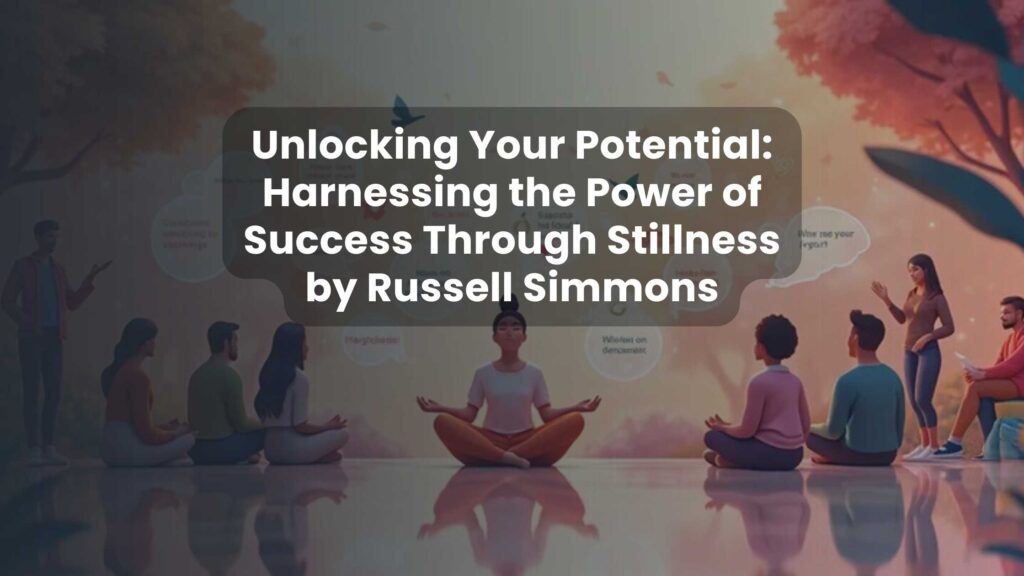
Unlocking Your Potential: Harnessing the Power of Success Through Stillness by Russell Simmons

In a world that often feels chaotic and overwhelming, the pursuit of success can seem like an uphill battle. Yet, amidst the noise, there lies a powerful tool that has the potential to transform not only our approach to achievement but also our very understanding of what it means to be successful. In “Unlocking Your Potential: Harnessing the Power of Success Through Stillness,” Russell Simmons invites us to explore the profound impact of daily meditation and mindfulness on our lives. This journey into stillness reveals how embracing moments of quiet can lead to remarkable insights, heightened creativity, and a deeper connection to ourselves and the world around us.
Imagine a life where stress and anxiety no longer dictate your choices. Instead, you find clarity and confidence in every decision, empowered by a stronger mind-body connection. Through the practice of meditation, we can cultivate the discipline necessary for personal growth while fostering a sense of inner peace that allows us to navigate life’s complexities with grace. As we delve into the transformative effects of mindfulness, we will uncover how this ancient practice can enhance our productivity and spark innovation, ultimately leading us to achieve our goals with intention and purpose. In a society that often prioritizes hustle over harmony, let us rediscover the quiet strength that lies within and unlock the extraordinary potential waiting to be unleashed.
The Mindfulness Revolution: Elevate Your Success
In today’s fast-paced world, the concept of mindfulness has emerged as a transformative tool for enhancing success in various aspects of life. Mindfulness, defined as the practice of being fully present and engaged in the moment, can significantly boost productivity and decision-making skills. Research indicates that individuals who practice mindfulness are more effective in managing their time and prioritizing tasks, leading to improved performance in both personal and professional settings. For instance, a study published in the Journal of Applied Psychology found that mindfulness training led to a 14% increase in productivity among employees, highlighting the direct correlation between mindfulness and success.
Strengthening the mind-body connection is another vital aspect of the mindfulness revolution. When combined with physical practices like yoga, meditation fosters a holistic approach to health. This integration not only enhances physical well-being but also promotes mental clarity and emotional stability. Practitioners often report feeling more balanced and centered, which contributes to their ability to navigate daily challenges. For example, individuals who engage in mindfulness-based yoga report lower levels of anxiety and stress, which can otherwise hinder performance and creativity.
Effective stress management is one of the most celebrated benefits of meditation. By providing techniques to cultivate a calm mindset, meditation serves as a powerful antidote to the anxiety that often accompanies modern life. Regular practice can help break the cycle of stress and tension, allowing individuals to approach their goals with a clearer mind. According to the American Psychological Association, mindfulness meditation has been shown to reduce symptoms of anxiety and depression, ultimately leading to a more fulfilling and productive life.
In addition to managing stress, meditation is a catalyst for creativity and innovation. By clearing mental clutter, it opens the pathways for fresh ideas and novel solutions, which are essential for artists, entrepreneurs, and anyone seeking to push the boundaries of their creativity. A calm mind allows for deeper reflection and brainstorming, leading to breakthroughs that may not surface in a chaotic mental environment. Many successful entrepreneurs, such as Steve Jobs, have credited their meditation practices with enhancing their creative thinking and business acumen.
Achieving inner peace through meditation not only improves personal well-being but also enhances decision-making processes. When individuals cultivate a sense of calm, they are better equipped to evaluate situations objectively and make informed choices. Clarity of thought is vital for navigating both personal and professional landscapes, allowing for more strategic planning and execution. This enhanced clarity serves as a foundation for achieving external success, as individuals are more likely to pursue their goals with confidence and purpose.
Self-awareness, another profound benefit of meditation, plays a crucial role in personal growth and relationship building. Through mindfulness practices, individuals gain insight into their emotions, behaviors, and thought patterns, fostering healthier relationships with themselves and others. Enhanced self-awareness can lead to improved communication skills and empathy, essential components for collaboration and teamwork in various environments. As individuals become more attuned to their feelings, they are better equipped to understand and connect with those around them.
Discipline is a cornerstone of any successful meditation practice, as consistency is key to experiencing its full benefits. The commitment to regular meditation fosters a sense of discipline that extends beyond the practice itself, influencing other areas of life. This discipline is essential for long-term personal development, helping individuals stay focused on their goals and navigate challenges with resilience. Just as athletes train their bodies, dedicated meditation practitioners train their minds for greater success.
Living with intention is another powerful aspect of mindfulness that can transform daily life. Meditation encourages individuals to clarify their goals and align their actions with their core values. This alignment cultivates a more purposeful approach to life, where each action is taken with mindfulness and consideration. By fostering a sense of direction and purpose, individuals are more likely to pursue endeavors that resonate deeply with their authentic selves, resulting in a more satisfying and successful life.
Engaging in community and shared meditation practices enhances the benefits of individual efforts. Participating in group meditation creates a sense of belonging and collective well-being, reinforcing the power of mindfulness. Studies have shown that group meditation can amplify feelings of connection and support, which are vital for mental health and personal growth. These shared experiences foster a nurturing environment where individuals can thrive together, ultimately contributing to a more harmonious community.
To embark on this mindfulness revolution, actionable tips abound for incorporating meditation into daily life. Beginners are encouraged to start with brief sessions, gradually increasing their duration as they become more comfortable with the practice. Simple acts such as mindful eating or walking can integrate mindfulness into everyday routines, making it accessible and manageable. Practicing deep breathing techniques is another effective way to alleviate stress, providing immediate calm in moments of tension. Scheduling regular meditation times can help establish a consistent habit, reinforcing the commitment to personal growth and success.
Harmonizing Mind and Body: The Yoga-Meditation Connection
The journey of harmonizing mind and body often leads individuals to the transformative practices of yoga and meditation. Both disciplines, rooted in ancient traditions, intertwine to create a profound connection that promotes holistic well-being. Yoga, with its physical postures and breath control, serves as a gateway to enhancing one’s physical health while simultaneously setting the stage for deeper mental awareness. Conversely, meditation offers techniques that cultivate mindfulness and inner peace, allowing practitioners to navigate life’s challenges with clarity and focus. Together, these practices form a powerful alliance, fostering a balanced lifestyle that resonates throughout both physical and mental realms.
Incorporating mindfulness into daily routines through yoga and meditation enhances productivity and decision-making skills, essential components for personal and professional success. Research indicates that individuals who practice mindfulness are not only more efficient but also experience reduced stress levels, leading to overall better performance in various aspects of life. For example, a study showed that employees who engaged in mindfulness training reported a 30 percent improvement in focus and a significant reduction in workplace anxiety. This correlation highlights how cultivating a mindful approach through practices like meditation can provide practical benefits, enhancing one’s ability to thrive in fast-paced environments.
The integration of meditation into yoga practices significantly strengthens the mind-body connection, which is vital for achieving overall health and balance. As individuals engage in yoga, they become acutely aware of their bodies and the sensations that arise, facilitating a deeper understanding of their physical and emotional states. This heightened awareness encourages a responsive rather than reactive approach to stress and discomfort. For instance, yoga practitioners often report feeling more attuned to their bodies’ needs, leading to healthier lifestyle choices and improved emotional well-being. By nurturing this connection, individuals can experience a more harmonious existence, where mental and physical health support one another in a continuous cycle of growth and healing.
Meditation serves as an effective tool for stress management, breaking the cycle of anxiety and cultivating a calm mindset essential for a fulfilling life. By dedicating time to meditate, individuals can learn to observe their thoughts and emotions without judgment, allowing them to detach from stress-inducing patterns. Techniques such as deep breathing and visualization can further enhance this process, providing immediate relief during moments of tension. Studies have shown that regular meditation practice can lower cortisol levels, the hormone associated with stress, thereby promoting a sense of tranquility and resilience. This ability to manage stress is crucial in today’s demanding world, where the pressures of daily life can often feel overwhelming.
Additionally, the practice of meditation fuels creativity and innovation, clearing mental clutter to allow fresh ideas to flourish. In an age where creativity is increasingly valued in both personal and professional contexts, meditation offers a sanctuary for the mind to reset and rejuvenate. Many artists and entrepreneurs have credited their creative breakthroughs to meditation, citing how it opens pathways to innovative thinking. For instance, renowned figures such as Steve Jobs integrated meditation into their routines, emphasizing its role in enhancing creativity and problem-solving abilities. By fostering a calm and open mind, meditation encourages individuals to explore new possibilities and push the boundaries of their creative endeavors.
Achieving inner peace through meditation not only enhances clarity but also lays the groundwork for external success in various endeavors. As individuals cultivate a sense of calm and stability within themselves, they become better equipped to tackle challenges and make informed decisions. This inner tranquility translates into improved focus and determination, empowering individuals to pursue their goals with confidence. Moreover, the clarity gained from meditation aids in recognizing personal values and aligning actions accordingly, creating a more intentional approach to life. This sense of purpose is essential for motivating individuals to work towards their aspirations while maintaining balance and harmony.
In the pursuit of self-awareness, meditation plays a pivotal role in helping individuals understand their emotions and improve relationships with themselves and others. By engaging in regular meditation practice, one can develop a greater sense of empathy and compassion, fostering deeper connections with those around them. This enhanced self-awareness allows individuals to navigate interpersonal dynamics more effectively, ultimately leading to healthier relationships. As practitioners become more in tune with their own emotional landscapes, they are better equipped to respond to others with understanding and kindness, creating a ripple effect of positivity in their communities.
The discipline required for consistent meditation practice is essential for long-term personal development and achieving goals. Establishing a routine demands commitment, which often translates to other areas of life as well. Studies indicate that individuals who practice meditation regularly demonstrate increased resilience and persistence in pursuing their objectives. This discipline nurtures a mindset oriented toward growth, encouraging individuals to embrace challenges and learn from setbacks. Consequently, the cultivation of discipline through meditation not only enhances personal development but also contributes to a more fulfilling and purpose-driven life.
Living with intention becomes more accessible through the clarity gained from meditation, as it helps individuals articulate their goals and align their actions with their core values. This alignment transforms daily life into a purposeful journey, where each decision reflects a deeper understanding of one’s aspirations. By integrating mindfulness into everyday activities, such as eating or walking, individuals can cultivate an awareness that enhances their overall experience. This intentional living fosters a sense of fulfillment and satisfaction, leading to more meaningful connections and a greater appreciation for life’s simple joys.
Participating in shared meditation practices fosters community and enhances the benefits of individual meditation sessions. Group meditation creates an atmosphere of collective energy and support, amplifying the positive effects of the practice. Engaging with others in meditation can also introduce new techniques and perspectives, enriching one’s personal practice. This sense of community not only nurtures individual well-being but also promotes a more connected society, where individuals support one another in their journeys toward mindfulness and inner peace. As more people embrace the power of meditation, the collective impact can lead to a more harmonious and compassionate world.
Mastering Stress: Meditation as Your Shield
In a world that often feels overwhelming, mastering stress through meditation emerges as a powerful strategy for personal and professional enhancement. Meditation serves as a shield against the daily stresses that can cloud our judgment and hinder our productivity. By engaging in mindfulness practices, individuals can sharpen their focus and decision-making abilities, which are essential for achieving success in various aspects of life. Studies show that those who practice mindfulness regularly report higher levels of concentration and reduced instances of burnout, demonstrating the direct correlation between meditation and improved performance.
Moreover, the integration of meditation with physical exercises like yoga fosters a robust mind-body connection, promoting not only mental clarity but also physical health. This holistic approach encourages individuals to be more attuned to their bodies, enabling them to recognize stress signals and respond proactively. For example, yoga practitioners who incorporate meditation often experience lower levels of cortisol, the hormone associated with stress, leading to improved overall well-being. This synergy between the mind and body is essential in cultivating balance and resilience in the face of life’s challenges.
Effective stress management is one of the core benefits of meditation, providing individuals with techniques to navigate anxiety and foster a tranquil mindset. By employing practices such as deep breathing and guided visualization, one can break the cycle of stress and cultivate a sense of calm that enhances daily life. Research indicates that just a few minutes of meditation each day can significantly reduce anxiety levels, making it a valuable tool for those seeking a more fulfilling and composed existence. As individuals learn to manage stress effectively, they open the door to greater clarity and creativity, paving the way for innovative thinking and problem-solving.
Meditation not only clears mental clutter but also fuels creativity and innovation, essential traits for artists and entrepreneurs alike. When the mind is calm and focused, it becomes more receptive to new ideas and perspectives. For instance, many successful innovators attribute their breakthroughs to moments of deep reflection and meditation, where insights flow freely without the noise of daily distractions. This creative clarity allows for the exploration of uncharted territories, ultimately leading to transformative ideas that can reshape industries.
Cultivating inner peace through meditation lays a solid foundation for clarity and effective decision-making. As individuals deepen their practice, they often find themselves more grounded and able to approach challenges with a sense of calm assurance. This inner tranquility not only enhances personal well-being but also acts as a catalyst for success in professional endeavors. When one is at peace, the ability to navigate external pressures becomes significantly easier, enabling a more focused and intentional approach to achieving goals.
Additionally, meditation enhances self-awareness, allowing individuals to better understand their emotions and how these feelings impact their relationships. This heightened awareness fosters personal growth and empathy, which are crucial for maintaining healthy interactions with others. For example, individuals who regularly practice meditation often find themselves reacting with greater patience and understanding, leading to improved dynamics in both personal and professional relationships. This self-awareness serves as a compass, guiding individuals toward actions that align with their core values.
The discipline required for consistent meditation practice is another vital aspect that contributes to long-term personal development. Establishing a routine not only cultivates resilience but also instills habits that are essential for achieving one’s goals. By committing to a regular meditation practice, individuals develop the discipline that transcends the mat, positively influencing various areas of their lives. This commitment to growth fosters a mindset of perseverance, allowing individuals to overcome obstacles and maintain focus on their aspirations.
Living with intention becomes a natural extension of a meditation practice, as individuals gain clarity about their goals and values. Meditation encourages reflection, enabling one to align daily actions with larger life aspirations. This alignment transforms the approach to everyday tasks, infusing them with purpose and meaning. As individuals begin to live intentionally, they often discover a renewed sense of fulfillment and direction in their lives.
Participating in community meditation practices further amplifies the benefits of individual meditation sessions. Group meditation fosters connections among participants, creating a supportive environment that enhances the overall experience of mindfulness. Engaging in shared practices can lead to collective well-being, where the positive effects of meditation ripple through the community, promoting a culture of mindfulness and support. This communal aspect underscores the interconnectedness of individuals, highlighting how shared experiences can elevate personal practices.
For those new to meditation, starting with brief sessions and gradually increasing duration is an effective way to build a sustainable practice. Integrating mindfulness into daily activities, such as eating or walking, can also be beneficial in cultivating a mindful lifestyle. Practicing deep breathing when faced with stress serves as a quick and accessible tool for maintaining calm. Scheduling regular meditation times can further solidify this habit, ensuring that the protective shield of meditation becomes an integral part of daily life.
Unleashing Creativity: The Clear Mind Advantage
The journey of unleashing creativity begins with the transformative effects of daily meditation. Research shows that incorporating mindfulness into your daily routine can significantly enhance productivity and decision-making skills. For instance, professionals who practice mindfulness report a 30 percent increase in efficiency and a notable improvement in their ability to focus. This heightened state of awareness not only aids in personal endeavors but also translates to professional success, as individuals become more adept at navigating challenges and seizing opportunities with clarity and purpose. By fostering a disciplined approach to mindfulness, one can unlock new levels of creativity that were previously obscured by mental clutter.
A strong mind-body connection, cultivated through practices like yoga and meditation, further amplifies this creative potential. Engaging in physical exercise alongside meditation encourages a harmonious relationship between mental and physical health. For example, athletes often integrate meditation into their training regimens to enhance their focus and resilience, leading to improved performance. This synergy not only promotes overall well-being but also serves as a fertile ground for innovative thinking, as a healthy body often supports a vibrant and agile mind. The clarity gained from this connection can lead to breakthroughs in creativity, allowing individuals to explore new ideas and perspectives with ease.
Effective stress management is another critical aspect of the clear mind advantage. Meditation provides invaluable techniques for mitigating stress and breaking the cycle of anxiety that can stifle creativity. By cultivating a calm mindset, individuals can approach problems with fresh eyes, making way for innovative solutions. Studies indicate that regular meditation practice can reduce stress levels by up to 60 percent, illustrating its powerful impact on mental health. This newfound calmness enables individuals to engage more deeply with their creative processes, ultimately leading to more fulfilling and productive outcomes in both personal and professional realms.
Moreover, meditation enhances self-awareness, a key component for nurturing creativity. As individuals become more attuned to their emotions and thoughts, they gain insights that can inform their creative endeavors. This increased self-understanding translates to improved relationships with others, fostering collaboration and shared creativity. For instance, artists who meditate often find that their work reflects a deeper emotional resonance, as they draw upon their own experiences and insights. By cultivating this inner awareness, individuals can better align their creative pursuits with their values and intentions, resulting in a more authentic expression of their individuality.
Finally, the practice of meditation instills a sense of discipline essential for growth. Establishing a consistent meditation routine requires commitment, which in turn nurtures resilience and persistence—qualities that are indispensable for achieving long-term goals. As individuals become disciplined in their meditation practice, they often find that this discipline spills over into other areas of their lives, enhancing their ability to pursue creative projects with unwavering focus. By setting aside dedicated time for reflection and mindfulness, individuals can cultivate not only a clearer mind but also a more purposeful approach to their creative endeavors, ultimately enriching their lives in profound ways.
Finding Inner Peace: The Foundation for External Success
Finding inner peace is a foundational element that serves as the bedrock for external success. In today’s fast-paced world, where distractions abound and the pressure to perform is ever-increasing, cultivating a sense of calm can lead to remarkable transformations in both personal and professional realms. Research shows that individuals who incorporate mindfulness practices, such as meditation, into their daily routines experience enhanced productivity and improved decision-making skills, vital components for achieving success. For instance, a study published in the journal Psychological Science found that just two weeks of mindfulness training significantly improved participants’ focus and working memory, illustrating how inner tranquility can translate into tangible benefits in various aspects of life.
Moreover, the integration of meditation with physical activities, particularly yoga, fosters a powerful mind-body connection that promotes overall health and balance. This synergy not only nurtures physical fitness but also cultivates emotional stability. As practitioners engage in mindful movement, they develop a deeper awareness of their bodies and emotions, enabling them to respond to stressors with greater resilience. The World Health Organization emphasizes that a strong mind-body connection is essential for mental well-being, reinforcing the idea that achieving inner peace can significantly enhance one’s quality of life.
Effective stress management is another critical benefit of meditation, providing individuals with tools to navigate the complexities of daily challenges. By learning techniques to break the cycle of anxiety, practitioners can cultivate a calm mindset that is essential for a fulfilling life. Stress reduction is not just a personal benefit; it has broader implications for workplace dynamics as well. Organizations with employees who practice mindfulness report lower burnout rates and higher job satisfaction, showcasing how inner peace can lead to a more harmonious and productive work environment.
Furthermore, meditation acts as a catalyst for creativity and innovation, clearing mental clutter that often stifles original thought. When the mind is calm, it becomes fertile ground for new ideas, which is particularly significant for artists, entrepreneurs, and anyone involved in creative endeavors. A study by the University of California found that individuals who practiced mindfulness displayed greater cognitive flexibility, paving the way for innovative solutions and creative breakthroughs in their respective fields. This ability to think outside the box is often what separates successful individuals from their peers.
The journey toward inner peace enhances self-awareness, allowing individuals to understand their emotions and improve their relationships with themselves and others. This self-reflection not only fosters personal growth but also strengthens interpersonal connections, as individuals become more empathetic and attuned to the needs of those around them. By cultivating a deeper understanding of oneself, one can make more informed choices that align with personal values and goals, ultimately leading to a more intentional and fulfilling life.
Maintaining a consistent meditation practice requires discipline, a quality that is essential for long-term personal development. As individuals commit to their practice, they cultivate habits that support their growth and progress toward their goals. This discipline extends beyond the meditation cushion; it permeates all areas of life, instilling a sense of purpose and direction. By living with intention, individuals are better equipped to navigate challenges and seize opportunities that align with their vision for success.
Participating in community meditation can further amplify the benefits of personal practice, fostering a sense of connection and shared experience. Group meditation sessions not only enhance the benefits of individual practices but also promote collective well-being within a community. Engaging in these shared moments of stillness can create bonds among participants, reinforcing the idea that the path to inner peace is often enriched by the support of others.
For those looking to embark on this transformative journey, actionable tips include starting with brief meditation sessions and gradually increasing their duration, integrating mindfulness into everyday activities like eating or walking, and practicing deep breathing to alleviate stress. By scheduling regular meditation times, individuals can build a consistent habit that nurtures both their inner peace and external success, ultimately paving the way for a more balanced and fulfilling life.
Boosting Self-Awareness: The Key to Better Relationships
Self-awareness is a crucial component of fostering better relationships, as it serves as the foundation for understanding our emotions and behaviors. By enhancing self-awareness, individuals gain insight into their thoughts and feelings, which enables them to communicate more effectively and empathize with others. For instance, research shows that individuals with high self-awareness are better equipped to manage conflicts and express their needs in relationships, leading to more satisfying interactions. This understanding encourages a cycle of open communication and trust, essential elements in any healthy relationship.
Incorporating practices such as daily meditation can significantly boost self-awareness, allowing individuals to explore their inner thoughts and emotions without external distractions. Meditation encourages mindfulness, helping practitioners to observe their feelings and reactions in real-time. For example, a person who regularly meditates may notice patterns of irritation when under stress, leading them to address these triggers more constructively. Studies indicate that even a few minutes of mindfulness meditation daily can enhance emotional regulation, resulting in improved relationships with both oneself and others.
Moreover, the connection between self-awareness and personal growth cannot be overstated. As people become more attuned to their emotions through meditation, they can identify areas for improvement and set actionable goals. This journey toward self-discovery not only benefits personal development but also enriches interpersonal relationships. For instance, an individual who recognizes their tendency to withdraw during conflict can work on being more open and engaging, fostering a healthier dialogue with their partner.
Additionally, enhancing self-awareness through meditation can lead to better stress management, a key aspect of maintaining harmonious relationships. When individuals learn to manage their stress levels effectively, they are less likely to project their frustrations onto others. This creates a more peaceful environment in which relationships can thrive. Research has shown that individuals who practice mindfulness are better able to cope with stress, which translates into more patience and understanding in their interactions with loved ones.
Ultimately, the journey of boosting self-awareness is transformative, leading to profound changes in how we relate to ourselves and others. By embracing practices like meditation, individuals can cultivate a deeper understanding of their emotions, paving the way for healthier relationships characterized by empathy, communication, and mutual respect. As more people begin to recognize the value of self-awareness, the ripple effect can significantly enhance community well-being, demonstrating the interconnectedness of personal growth and relational success.
The Discipline of Meditation: Fueling Personal Growth
The discipline of meditation serves as a powerful catalyst for personal growth, offering profound benefits that extend into various aspects of life. One of the most notable advantages of integrating meditation into daily routines is its ability to enhance mindfulness, which directly correlates to improved productivity and decision-making skills. Research indicates that individuals who practice mindfulness regularly report a 30% increase in their ability to focus and a marked improvement in their professional performance. This heightened awareness not only bolsters success in career endeavors but also fosters a greater sense of fulfillment in personal life, allowing for clearer priorities and more intentional actions.
Moreover, meditation plays a pivotal role in strengthening the mind-body connection, especially when combined with physical practices like yoga. This synergy promotes holistic health, as it encourages individuals to listen to their bodies and recognize the interdependence of mental and physical wellness. For instance, studies show that those who practice both meditation and yoga experience reduced symptoms of anxiety and depression, contributing to an overall sense of balance. The harmonious relationship between mind and body cultivates resilience, allowing individuals to navigate life’s challenges with greater ease and confidence.
Effective stress management is another significant benefit of meditation, offering practical techniques that break the cycle of anxiety. Through focused breathing and visualization, individuals can cultivate a calm mindset, enabling them to respond to stressors more effectively. Statistics reveal that regular meditation can reduce cortisol levels, the hormone associated with stress, by up to 25%. This reduction not only enhances emotional well-being but also paves the way for a more fulfilling life, as individuals acquire tools to manage their reactions and foster a sense of inner tranquility.
In addition to these benefits, meditation is a fertile ground for fueling creativity and innovation. By clearing mental clutter and fostering a serene environment, meditation allows the mind to explore new ideas and solutions, which is invaluable for artists and entrepreneurs alike. For example, many successful creators credit their breakthroughs to meditative practices that enable them to think outside the box. The calming effects of meditation create a mental space where innovative thoughts can flourish, making it an essential practice for anyone looking to unlock their creative potential and drive progress in their endeavors.
Cultivating inner peace through meditation not only enhances clarity but also supports sound decision-making, laying a robust foundation for external success. As individuals learn to quiet their minds, they gain insight into their values and priorities, allowing them to make choices that align with their true selves. This sense of alignment is crucial in achieving long-term goals, as it encourages individuals to act with purpose and intention in all areas of their lives.
Furthermore, meditation enhances self-awareness, offering individuals a deeper understanding of their emotions and behaviors. This increased self-knowledge fosters improved relationships, both with oneself and with others, as individuals become more attuned to their needs and more empathetic toward the experiences of those around them. The ability to engage in meaningful interactions is a vital component of personal growth, as it encourages a supportive environment for oneself and the community.
The discipline required for consistent meditation practice is another cornerstone of personal development. Establishing a regular meditation routine cultivates habits that are essential for achieving one’s goals, reinforcing the idea that growth is a journey that requires dedication and perseverance. This commitment to self-improvement not only empowers individuals but also inspires those around them to pursue their paths with similar determination.
Living with intention is a natural outcome of meditation, as individuals begin to clarify their goals and align their actions with their core values. This intentional approach transforms everyday life, infusing each moment with purpose and direction. Engaging in mindful practices allows individuals to make conscious choices that reflect their aspirations, creating a ripple effect that enhances both personal fulfillment and external success.
Lastly, the communal aspect of meditation cannot be overlooked. Participating in group meditation fosters connection and enhances the benefits of individual practices, creating a supportive atmosphere that promotes collective well-being. This sense of community not only enriches personal experiences but also cultivates a shared commitment to mindfulness, helping individuals thrive together on their journeys of growth and transformation.
Intentional Living: Aligning Actions with Values
Intentional living is the practice of aligning one’s actions with their core values, creating a harmonious existence that fosters personal fulfillment and authenticity. By consciously choosing to act in ways that reflect deeply held beliefs, individuals can navigate life with purpose and clarity. For example, a person who values environmental sustainability may choose to reduce waste, support eco-friendly businesses, and advocate for policies that protect the planet. This alignment not only enhances individual satisfaction but also contributes to broader societal change, as collective actions rooted in shared values can lead to significant impact. Research indicates that people who live intentionally report higher levels of happiness, with studies showing that alignment between actions and values leads to increased life satisfaction.
Central to the concept of intentional living is the practice of mindfulness, which enhances self-awareness and decision-making. When individuals incorporate mindfulness into their daily routines, they become more attuned to their thoughts and emotions, enabling them to make choices that reflect their true selves. For instance, regular meditation can improve focus, leading to better productivity at work and more meaningful personal interactions. A study published in the Journal of Happiness Studies found that individuals who practice mindfulness regularly experience a 30% increase in their overall happiness levels, illustrating the powerful connection between mindful living and personal success.
Moreover, the mind-body connection plays a vital role in intentional living. Activities such as yoga, which blend physical movement with mindfulness, not only promote physical health but also enhance emotional balance. When individuals engage in practices that unite the mind and body, they cultivate a sense of wholeness that supports intentional choices. For example, a person who practices yoga regularly may find it easier to remain calm and centered during stressful situations, allowing them to respond thoughtfully rather than react impulsively. This strengthened connection fosters a more profound understanding of oneself, which is essential for making choices that align with one’s values.
Stress management is another crucial aspect of living intentionally. Meditation serves as a powerful tool for developing techniques to manage stress and anxiety, allowing individuals to cultivate a calm mindset. By breaking the cycle of worry, meditation empowers people to approach challenges with clarity and resilience. For instance, someone who practices meditation daily may find themselves better equipped to handle work-related pressures, leading to improved performance and decreased burnout. This reduction in stress not only benefits the individual but also creates a more positive environment for those around them, illustrating how personal well-being can enhance community dynamics.
In addition to fostering inner peace and emotional stability, intentional living fuels creativity and innovation. When the mind is clear of clutter, individuals can tap into their creative potential, generating fresh ideas and solutions. This is particularly relevant for artists and entrepreneurs who thrive on innovation. For example, a writer who practices meditation may discover newfound inspiration for their work, transforming their creative process and leading to successful projects. Studies have shown that individuals who engage in mindfulness practices often report increased levels of creativity, highlighting the link between a calm mind and inventive thinking.
Living with intention also involves discipline, as consistently aligning actions with values requires commitment and perseverance. Regular meditation practice is an excellent way to cultivate this discipline, reinforcing habits that contribute to personal growth. When individuals dedicate time each day to reflect and meditate, they develop a stronger sense of purpose, which translates into a more focused approach to achieving their goals. For instance, someone pursuing a career change may utilize mindful practices to clarify their aspirations and navigate the transition with confidence and clarity.
Community plays a significant role in the journey of intentional living as well. Participating in shared meditation or mindfulness practices fosters social connection, enhancing the benefits of individual efforts. Group meditation sessions not only promote collective well-being but also strengthen relationships within the community, creating a supportive environment where everyone can thrive. This sense of belonging can be particularly powerful, as individuals find motivation and encouragement in shared experiences, reinforcing their commitment to live in alignment with their values.
To embark on the path of intentional living, individuals can adopt actionable practices that integrate mindfulness into their daily lives. Starting with brief meditation sessions allows beginners to ease into the habit, gradually extending the duration as they become more comfortable. Additionally, incorporating mindfulness into everyday activities, such as mindful eating or walking, cultivates awareness and presence. Simple techniques like deep breathing can serve as quick stress-relief tools throughout the day. By scheduling regular meditation times, individuals can build a consistent practice that nurtures their journey towards intentional living.
Conclusion
In conclusion, “Unlocking Your Potential: Harnessing the Power of Success Through Stillness” by Russell Simmons serves as a powerful guide to integrating meditation and mindfulness into our daily lives. As we navigate the complexities of modern life, the insights shared within this book highlight the transformative effects of daily meditation on both personal and professional levels.
Mindfulness is not merely a practice but a pathway to enhanced productivity and sharper decision-making, essential ingredients for achieving success. By fostering a strong mind-body connection through practices such as yoga, we can elevate our overall health and maintain balance in our lives. The techniques for effective stress management provided in the book empower us to break free from anxiety and cultivate a calm mindset, leading to a more fulfilling life.
Simmons eloquently emphasizes how meditation can fuel creativity and innovation, allowing individuals to clear mental clutter and unlock their potential. This clarity not only aids in achieving inner peace but also enhances our ability to make sound decisions and pursue our endeavors with renewed vigor.
Furthermore, the cultivation of self-awareness through meditation encourages a deeper understanding of our emotions, leading to improved relationships with ourselves and others. The discipline required for consistent meditation practice is invaluable, laying the groundwork for long-term personal development and the realization of our goals.
Living with intention becomes a natural extension of a meditative practice, aligning our actions with our values and transforming how we approach daily life. Engaging in community meditation offers an additional layer of support, fostering connections that enhance the benefits of individual practices and contribute to collective well-being.
As we conclude our exploration of Simmons’ work, let us take actionable steps towards incorporating meditation into our routines. Start with brief sessions, integrate mindfulness into everyday activities, and prioritize regular practice to build a habit that transforms your life. The take-home message is clear: meditation is a vital tool for enhancing personal well-being and achieving professional success. By nurturing mindfulness, we cultivate mental clarity and creativity, ultimately unlocking our potential and paving the way for a more purposeful existence.
FAQ
FAQ Section for “Unlocking Your Potential: Harnessing the Power of Success Through Stillness” by Russell Simmons
1. What is the main focus of the book “Unlocking Your Potential”?
The book emphasizes the importance of stillness and meditation in achieving personal and professional success. Russell Simmons shares insights on how incorporating mindfulness practices can unlock your true potential and lead to a more fulfilling life.
2. How does mindfulness boost success?
Mindfulness enhances productivity and sharpens decision-making skills, which are essential for achieving success in various aspects of life. By being present and focused, individuals can tackle challenges more effectively and create opportunities for growth.
3. What is the connection between meditation and physical health?
Combining meditation with physical activities like yoga strengthens the mind-body connection, promoting overall health and balance. This holistic approach not only improves mental clarity but also contributes to physical well-being.
4. Can meditation really help manage stress?
Yes, meditation offers effective techniques for stress management. By cultivating a calm mindset and breaking the cycle of anxiety, individuals can navigate daily challenges with greater ease, leading to a more fulfilling and balanced life.
5. How does meditation fuel creativity and innovation?
Meditation clears mental clutter, allowing for a calm mind that fosters creativity and innovative thinking. This is especially beneficial for artists and entrepreneurs who rely on fresh ideas to succeed in their fields.
6. What role does inner peace play in achieving success?
Cultivating inner peace through meditation enhances clarity and decision-making abilities. By establishing a strong foundation within, individuals are better equipped to pursue their external goals and aspirations.
7. How does meditation enhance self-awareness?
Meditation boosts self-awareness, enabling individuals to better understand their emotions and improve relationships with themselves and others. This heightened awareness is a crucial step toward personal development and effective communication.
8. Why is discipline important in meditation practice?
Consistent meditation practice requires discipline, which is vital for long-term growth and achieving personal goals. Developing this discipline through meditation can translate into other areas of life, fostering a resilient mindset.
9. How can meditation help in living with intention?
Meditation clarifies personal goals and aligns daily actions with core values. This intentional approach transforms how individuals engage with their lives, fostering a sense of purpose and direction.
10. Is it beneficial to practice meditation in a group setting?
Participating in group meditation can enhance the benefits of individual practices and foster a sense of community. Shared meditation experiences promote collective well-being and strengthen connections among participants.
11. What are some actionable tips for starting a meditation practice?
Begin with brief meditation sessions and gradually increase the duration as you become more comfortable. Integrate mindfulness into daily activities, such as eating or walking, and practice deep breathing to alleviate stress. Scheduling regular meditation times can help build a consistent habit.
12. What are the key takeaways from the book?
Meditation significantly enhances both personal well-being and professional success. By cultivating mindfulness, individuals can improve mental clarity, creativity, and overall wellness. A regular meditation practice nurtures a stronger mind-body connection essential for achieving one’s goals.