Unlocking Your Inner Artist: Mastering The Creative Habit for Life by Twyla Tharp

In a world that often prioritizes routine and productivity over imagination, the idea of harnessing our creative potential can feel daunting. Yet, what if creativity isn’t just an elusive gift bestowed upon a select few, but rather a skill that anyone can cultivate? This transformative perspective invites us to explore the power of creativity as a habit—one that can be nurtured through intentional practice and daily rituals.
Imagine starting each day with a ritual that not only awakens your senses but also ignites your creative spirit. Picture a structured routine that not only signals your brain to engage in innovative thinking but also creates a fertile environment for exploration and invention. By embracing this mindset, we can begin to dismantle the barriers that often hold us back, such as fear of failure or creative blocks, and instead view them as stepping stones on our artistic journey.
As we delve deeper into the essential strategies for mastering the creative habit, we’ll uncover the significance of disciplined practice and the surprising ways in which constraints can unleash our imagination. Collaboration and continuous learning will emerge as vital components in the quest to sustain our creative momentum, fostering an enriching dialogue that inspires fresh ideas and perspectives.
Join us as we embark on an enlightening journey to unlock your inner artist, transforming creativity from a fleeting spark into a lifelong habit that enhances all facets of your life. Embrace the journey ahead and discover how to make creativity not just an occasional endeavor, but an enduring part of who you are.
Understanding Creativity as a Habit: Transforming Your Mindset for Lifelong Innovation
Creativity is often misconceived as an innate talent possessed by a select few, but in reality, it is a skill that can be cultivated and refined over time. Much like physical exercise, creativity thrives on consistent practice. Engaging in creative activities daily can strengthen your innovative capabilities, making creative thinking a habitual part of your life. For instance, studies have shown that individuals who dedicate even just a few minutes each day to creative exercises—such as journaling, sketching, or brainstorming—tend to experience heightened problem-solving skills and a greater capacity for original thought. By viewing creativity as a habit rather than a gift, you open yourself up to endless possibilities for growth and exploration.
To foster a creative mindset effectively, establishing consistent rituals is essential. These rituals serve as cues for the brain, signaling that it is time to engage in creative thinking. For example, many artists and writers have morning routines that include a cup of coffee, a short meditation, or a daily walk, all of which help to prepare their minds for creative work. By integrating structured routines that resonate with your personal preferences, you can significantly enhance your creative output. Research indicates that individuals who maintain such rituals report increased focus and a more profound connection to their creative endeavors, ultimately resulting in a more productive and fulfilling experience.
Despite the best intentions, creative blocks can arise, stifling innovation and generating frustration. However, these obstacles can also provide valuable opportunities for growth. Changing your environment, for instance, can stimulate new ways of thinking; a simple change of scenery can lead to fresh perspectives. Setting small, achievable goals helps to break down the intimidating task of creative work into manageable steps, making it less overwhelming. Additionally, seeking inspiration from nature or art allows you to reconnect with your creative instincts. Embracing imperfection can also be liberating, as it encourages experimentation and the willingness to take risks, ultimately paving the way for breakthroughs.
Failure is often viewed as a deterrent, yet it plays a crucial role in the creative process. Embracing setbacks can transform them into valuable lessons, helping to refine your ideas and approaches. Many renowned innovators, such as Thomas Edison, famously viewed their failures as stepping stones to success, famously stating that he had not failed but rather found ten thousand ways that won’t work. By reframing your perspective on failure, you make space for learning and innovation, allowing obstacles to become opportunities for growth.
A disciplined approach is vital for enhancing your creative output. Setting specific times for creative work and treating these sessions as non-negotiable appointments can instill a sense of accountability. Utilizing tools like timers or productivity apps can help maintain focus during these dedicated sessions. This structured approach not only cultivates a routine but also ensures that creativity remains a priority in your daily life, leading to consistent progress and enhanced creative capabilities.
Interestingly, constraints can often ignite innovative thinking. When faced with limitations—be it time, resources, or specific guidelines—individuals are often pushed to think outside the box and explore uncharted territory. This phenomenon can lead to unique solutions and creative breakthroughs that may not have been discovered without the impetus of constraints. For example, the field of design frequently employs constraints as a way to challenge conventional thinking, resulting in groundbreaking products that might not have emerged in a more unrestricted environment.
Collaboration is another powerful force in the creative process, as it enriches individual creativity through the exchange of diverse ideas and perspectives. Working alongside others can spark inspiration, challenge assumptions, and even introduce you to new ways of thinking. For instance, brainstorming sessions in teams often yield unexpected innovations that would not emerge in isolation. Engaging with partners who challenge your thinking can propel your creative endeavors to new heights, demonstrating that collaboration can be a catalyst for ingenuity.
To maintain long-term creative momentum, cultivating a mindset of lifelong learning is essential. Engaging with new literature, attending workshops, and actively seeking out experiences that challenge your beliefs can keep your ideas fresh and your creative energy vibrant. Continuous learning allows you to adapt and evolve as a creative individual, ensuring that your approach remains dynamic and inspiring. By investing in your personal and professional development, you not only enhance your skills but also fuel your creativity, making it a sustainable habit that lasts a lifetime.
Establishing Rituals: The Key to Unlocking Your Creative Flow
Discover how structured routines and personal rituals can signal your brain to engage in creativity, enhancing your overall creative output.
Establishing structured routines and personal rituals plays a crucial role in unlocking your creative flow. Creativity thrives on consistency, and rituals act as a powerful cue for your brain, signaling that it is time to engage in imaginative thinking. For example, many writers begin their workday with a specific cup of coffee or a short period of meditation, creating a mental association between that activity and the onset of creativity. This consistent pattern not only helps to reduce distractions but also sets a dedicated space for inspiration to flourish, as the brain learns to recognize these signals as invitations to create.
The essence of creativity as a habit cannot be overstated. Just as athletes train their bodies to excel, individuals can develop their creative skills through daily practice and intentional rituals. By treating creativity as a discipline, you allow yourself to explore innovative ideas more regularly. Research indicates that those who engage in daily creative exercises report higher levels of satisfaction and productivity. Simple activities like journaling, sketching, or even brainstorming ideas during a daily walk can profoundly enhance your creative output, making it a rewarding part of your routine.
In addition to establishing rituals, addressing creative blocks is essential for maintaining a steady flow of ideas. When faced with obstacles, changing your physical environment or setting small, achievable goals can reinvigorate your creativity. For instance, artists often find that a fresh perspective, whether from a new location or an altered workspace, can lead to breakthroughs. Embracing imperfection allows you to take risks without fear of failure, fostering a mindset conducive to exploration and innovation.
Moreover, the importance of failure in the creative process cannot be overlooked. Viewing setbacks as opportunities for growth rather than deterrents encourages a resilient approach to creativity. Notable innovators like Thomas Edison famously regarded their failures as stepping stones to success, emphasizing that each misstep brings valuable insights. By embracing failure, you cultivate a richer creative journey, transforming obstacles into launching pads for new ideas.
Discipline complements the rituals you establish, providing a framework for sustained creative engagement. Setting aside specific times for creative work—treating these moments as non-negotiable appointments—can significantly boost your output. Utilizing tools such as timers or accountability partners can help reinforce this commitment, ensuring that you remain dedicated to your craft even when motivation wanes. This disciplined approach not only fosters creativity but also nurtures a sense of accomplishment as you consistently produce work.
Interestingly, constraints can serve as catalysts for innovation. Working within specific limitations encourages out-of-the-box thinking, often leading to unique solutions that might not have emerged in a more unrestricted environment. For instance, writers participating in flash fiction challenges often produce remarkable stories within tight word limits, showcasing how parameters can enhance creativity rather than stifle it. These constraints invite you to explore alternative pathways, enriching your creative process with fresh perspectives.
Collaboration is another powerful element in the creative landscape. Engaging with others allows for the exchange of diverse ideas and constructive feedback, which can spark new insights and directions. Many successful projects stem from partnerships that challenge conventional thinking and push boundaries. The dynamic interplay of different viewpoints not only enriches your creativity but also fosters a supportive environment where collective innovation can thrive.
Finally, maintaining long-term creative momentum requires a commitment to continuous learning. By actively seeking out new information, attending workshops, and exposing yourself to different forms of art and culture, you keep your ideas vibrant and your creative energy high. Embracing new experiences not only broadens your knowledge but also revitalizes your creative practice, ensuring that your capacity for innovation remains limitless. This lifelong learning mindset transforms your approach to creativity, making it an enduring and fulfilling journey.
Overcoming Creative Blocks: Strategies for Unleashing Your Imagination
Creativity is often misconceived as an elusive trait reserved for a select few, but it is, in fact, a skill that can be honed like any other. By understanding creativity as a habit, individuals can cultivate their imaginative capabilities over time. Just as athletes build strength through regular training, creative thinkers can enhance their innovative prowess by engaging in creative activities consistently. For instance, dedicating a specific time each day to brainstorming ideas or sketching can lead to significant improvements in creative output, making imaginative thinking a natural part of one’s daily routine.
Creating a conducive environment for creativity is crucial, and establishing consistent rituals plays a vital role in this process. Simple practices, such as enjoying a cup of coffee in a quiet space or taking a daily walk, can signal the brain to transition into a creative mindset. These rituals serve as anchors that prepare the mind for exploration and idea generation. By integrating structured routines that resonate with personal preferences, individuals can foster a more vibrant creative life, leading to increased productivity and inspiration.
When faced with creative blocks, it’s essential to employ effective strategies to break through these barriers. Changing your environment can spark new ideas; for instance, working in a different location or rearranging your workspace can provide fresh perspectives. Setting small, manageable goals can also help in overcoming inertia, allowing creativity to flow in a more structured manner. Additionally, seeking inspiration from nature or other forms of art can reignite passion and motivation while embracing imperfection can alleviate pressure, encouraging experimentation and playful exploration.
Understanding that failure is an integral part of the creative process can profoundly shift one’s perspective. Instead of viewing setbacks as obstacles, recognizing them as opportunities for growth can foster resilience and innovation. Many successful creators, from artists to inventors, have faced numerous rejections before achieving their breakthroughs. By embracing the possibility of failure, individuals can learn valuable lessons that guide their future endeavors, transforming challenges into stepping stones for greater creativity.
A disciplined approach is essential for enhancing creative output. This involves setting specific times for creative work and treating these sessions as commitments rather than options. By establishing a routine and using tools to maintain accountability, individuals can create an environment where creativity is prioritized. The discipline to show up regularly can lead to unexpected insights and ideas, as the brain becomes accustomed to engaging in creative thinking during designated times.
Interestingly, constraints can often serve as catalysts for innovation. When faced with limitations, individuals are compelled to think outside the box and explore unconventional solutions. For example, writers often thrive within word count limits, forcing them to distill their ideas to their essence. Embracing constraints can lead to unique and imaginative outcomes that might not have emerged in a less restricted environment, showcasing the power of boundaries in the creative process.
Collaboration enriches creativity by allowing for the exchange of diverse perspectives and ideas. Working with others can challenge assumptions and inspire innovative solutions that one might not have considered alone. Engaging in brainstorming sessions or collaborative projects can lead to unexpected breakthroughs, as the synergy of different minds fosters a dynamic atmosphere of creativity. Seeking out partnerships that challenge conventional thinking can significantly enhance the creative process.
To maintain long-term creative momentum, adopting a mindset of continuous learning is essential. Engaging with new ideas through literature, workshops, and discussions can stimulate fresh thoughts and keep the creative juices flowing. By challenging existing beliefs and exposing oneself to varied experiences, individuals can cultivate a rich tapestry of inspiration that fuels ongoing creativity. This commitment to lifelong learning can ensure that creativity remains vibrant and evolving, allowing for sustained imaginative exploration.
Embracing Failure: Turning Setbacks into Creative Opportunities
Failure often carries a stigma, yet it is an essential component of the creative journey. Rather than viewing setbacks as mere obstacles, one can choose to embrace them as opportunities for growth and exploration. The process of innovation is rarely linear; many successful creators, from artists to entrepreneurs, have encountered numerous failures before achieving their breakthroughs. For instance, Thomas Edison famously emphasized that he did not fail but rather found 10,000 ways that didn’t work before inventing the light bulb. This perspective on failure not only fosters resilience but also encourages a mindset that is open to experimentation and learning.
To cultivate this mindset, it is imperative to recognize the lessons embedded within failures. Each setback offers invaluable insights that can inform future endeavors. A study by the University of Chicago revealed that individuals who reflect on their mistakes are more likely to succeed in subsequent attempts. By analyzing what went wrong, creators can identify patterns and make informed adjustments, ultimately enhancing their creative output. This reflective practice transforms failure from a source of discouragement into a foundation for future innovation, allowing creators to pivot and refine their ideas with newfound clarity.
In addition to personal reflection, collaboration can be a powerful tool in overcoming failure. Engaging with diverse perspectives can illuminate aspects of a problem that one might overlook while working in isolation. For example, the co-founders of Google, Larry Page and Sergey Brin, initially faced substantial setbacks in their early search engine attempts. However, by fostering a collaborative environment and seeking feedback from peers, they were able to iterate on their designs and ultimately create a market leader. This collaborative spirit not only mitigates the sting of failure but also inspires a collective resilience that can lead to extraordinary creative outcomes.
Furthermore, establishing a disciplined approach to creativity can help individuals better navigate the ups and downs of the creative process. Committing to a structured routine allows creators to allocate time specifically for experimentation, making it easier to embrace the uncertainty that often accompanies failure. Rituals, whether they involve setting aside specific hours for brainstorming or engaging in creative exercises, signal to the brain that it is time to innovate. This discipline builds a foundation of consistency, enabling individuals to approach challenges with a sense of purpose and determination, rather than fear of failure. By developing these habits, one can transform the narrative surrounding setbacks from one of defeat to one of opportunity.
The Discipline of Creativity: Building Consistency for Enhanced Output
Creativity is often misconceived as an innate talent reserved for a select few, yet it is fundamentally a skill that can be honed through consistent practice. Just as athletes train their bodies, individuals can nurture their creative abilities by engaging in daily exercises of imagination and innovation. For instance, dedicating a few minutes each day to brainstorming ideas, journaling, or sketching can significantly enhance one’s creative output over time. Studies reveal that individuals who practice creativity regularly report higher levels of satisfaction and engagement in both their personal and professional lives, demonstrating the profound impact of viewing creativity as a habit rather than an occasional spark.
Establishing consistent creative rituals is vital in fostering an environment conducive to innovation. These rituals, whether as simple as enjoying a morning cup of coffee while brainstorming or engaging in a daily walk to stimulate thoughts, create a reliable framework for creative thinking. By building a structured routine that resonates with individual preferences, one signals the brain to enter a creative state more readily. Research shows that individuals who incorporate rituals into their creative processes often produce higher quality work and experience fewer blocks, as these habits cue the mind to engage in focused, imaginative thought.
Encountering creative blocks is a common challenge, but rather than stifling innovation, they can serve as catalysts for growth. Changing one’s environment, breaking tasks into smaller, manageable goals, or seeking inspiration from unexpected sources like nature or art can help overcome these barriers. Embracing imperfection during the creative process is equally crucial; acknowledging that not every idea needs to be flawless encourages experimentation and reduces the fear of failure. This shift in perspective allows for a more fluid creative process, ultimately leading to breakthroughs that might have otherwise remained undiscovered.
Failure plays an integral role in the creative journey; it is not merely a hurdle but a stepping stone toward success. Embracing setbacks as opportunities for learning can lead to innovative breakthroughs. For example, many renowned artists and entrepreneurs faced numerous rejections and failures before achieving their goals. By reframing the narrative around failure, individuals can cultivate resilience and openness to experimentation, which are essential for creative exploration. This mindset shift not only fosters growth but also enhances the ability to navigate future challenges with a more innovative approach.
Building a disciplined approach to creativity involves setting specific times for creative work and treating these sessions as non-negotiable commitments. By establishing a routine that prioritizes creative endeavors, individuals can cultivate a sense of accountability that significantly enhances their output. Utilizing tools such as calendars or reminders can further support this disciplined practice, ensuring that creativity becomes an integral part of daily life. This structured commitment transforms creativity from a sporadic activity into a reliable source of innovative thinking, ultimately leading to greater productivity and satisfaction.
Interestingly, constraints can often act as powerful catalysts for innovative thinking. When faced with limitations, whether they be time, resources, or specific guidelines, individuals are compelled to think outside the box. This necessity to navigate boundaries often leads to unique solutions and creative breakthroughs that may not have emerged in a more unrestricted environment. For example, many groundbreaking inventions have arisen from the need to solve specific problems, showcasing how constraints can inspire inventive thinking and lead to unexpected innovations.
Collaboration plays a pivotal role in enhancing the creative process, as it allows for the exchange of diverse ideas and constructive feedback. Working alongside others, whether in a team setting or through partnerships, can challenge one’s thinking and introduce new perspectives that enrich the creative output. The collaborative process not only fosters a sense of community but also inspires individuals to explore ideas they may not have considered independently. Engaging in dialogues with others can lead to unexpected innovations, proving that creativity flourishes in an environment where ideas can bounce off one another.
To maintain long-term creative momentum, adopting a mindset of continuous learning is essential. Engaging with new literature, attending workshops, and challenging one’s beliefs can keep ideas fresh and invigorate one’s creative energy. Lifelong learning fosters an openness to new experiences and perspectives, which can lead to innovative thinking and enhanced creativity. By actively seeking out opportunities for growth and exploration, individuals can ensure that their creative abilities remain dynamic, adaptable, and continually evolving.
Harnessing Constraints: How Limitations Can Elevate Your Creativity
Creativity often flourishes in the face of constraints, revealing an unexpected truth: limitations can serve as catalysts for innovative thinking. When faced with restrictions—be they time, resources, or specific guidelines—individuals are compelled to explore unconventional paths and generate ideas that might otherwise remain dormant. For instance, renowned musician David Bowie thrived in environments where he imposed limitations on himself, such as using a restricted palette in his visual art or collaborating with a limited number of musicians on a project. This approach not only sharpened his creativity but also led to some of his most iconic works, demonstrating how constraints can fuel artistic expression.
Moreover, understanding creativity as a habit is essential in harnessing these limitations effectively. By treating creativity as a skill that can be developed through consistent practice, individuals can learn to leverage constraints as a part of their creative rituals. For example, setting aside specific times to engage in creative work encourages the brain to adapt and think within those boundaries. Research indicates that structured routines can significantly enhance creative output, allowing individuals to tap into their potential more readily. Just as athletes train their muscles through disciplined practice, creatives can strengthen their ability to innovate by embracing a habit of creativity within a defined framework.
Creative blocks, often perceived as hindrances, can also be reframed as opportunities for growth. When faced with a lack of inspiration, changing one’s environment or setting small, achievable goals can stimulate new ideas. Furthermore, seeking inspiration from art, nature, or even the constraints themselves can unlock fresh perspectives. Embracing imperfection during this process allows for exploration without the fear of failure, encouraging a mindset that views setbacks as stepping stones to creative breakthroughs. This shift in perspective not only redefines how one approaches challenges but also cultivates resilience and adaptability in the creative journey.
The relationship between failure and creativity is another vital aspect of harnessing constraints. Viewing failure as an integral part of the creative process can lead to profound insights and unexpected innovations. For instance, Thomas Edison famously stated that he had not failed but rather found 10,000 ways that won’t work during his quest to invent the lightbulb. This mindset allows individuals to see limitations not as barriers, but as valuable lessons that can inform future attempts. By analyzing what didn’t work, creatives can pivot and refine their ideas, ultimately transforming obstacles into opportunities for continuous improvement.
Finally, collaboration serves as a powerful tool in navigating constraints and enhancing creativity. Engaging with others brings a diverse range of perspectives and ideas, challenging individual thinking and fostering a richer creative environment. When working within a group, the need to articulate and defend ideas can lead to deeper exploration of concepts and solutions that might not have emerged in isolation. Successful collaborations often pivot around shared limitations, whether it’s a tight deadline for a project or a shared budget for production, pushing teams to innovate in ways they might not have considered alone. By embracing the dynamics of teamwork, creatives can discover new dimensions of their work that propel them beyond their individual constraints.
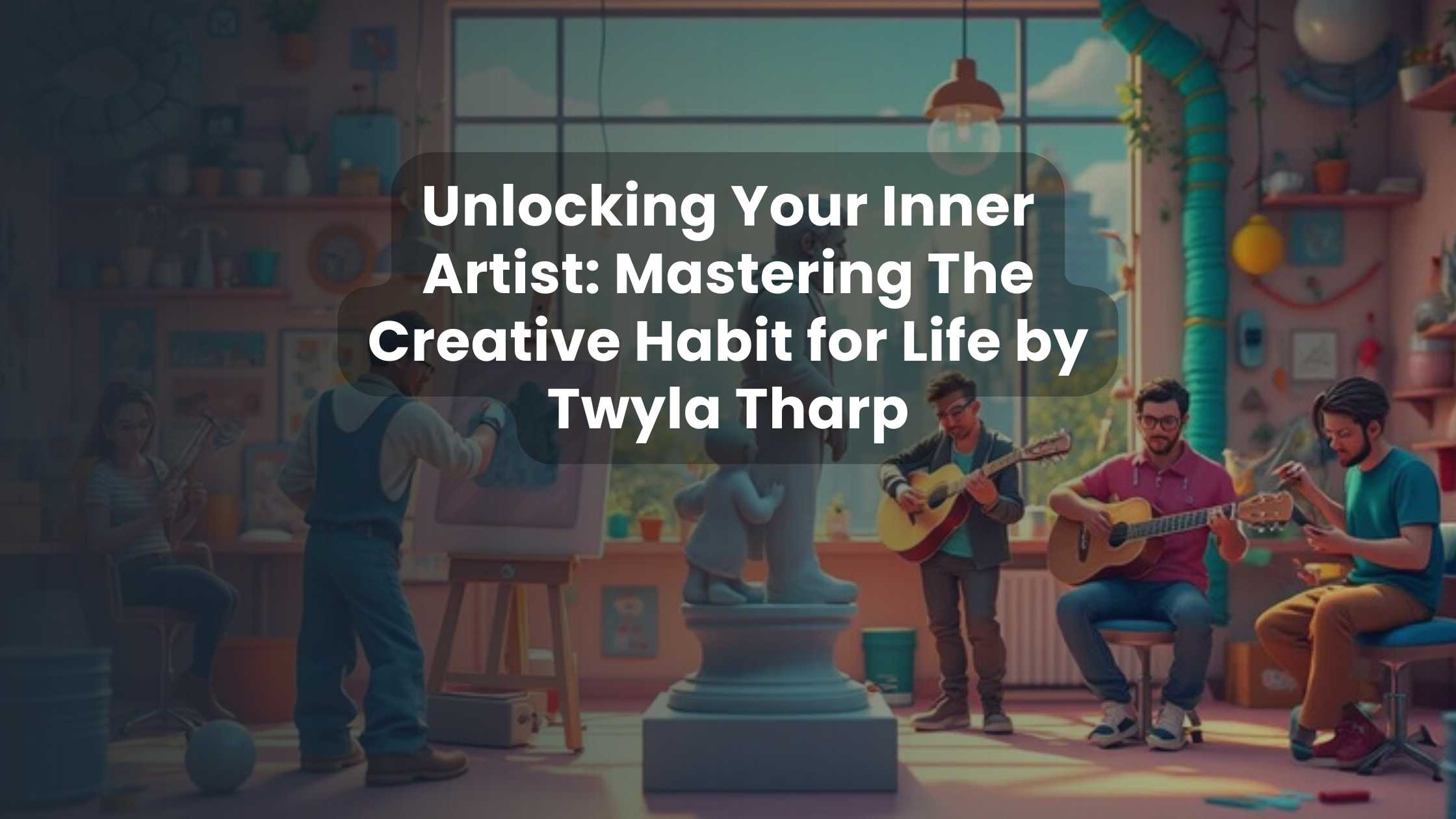
The Collaborative Creative Process: Enhancing Ideas Through Partnership
The collaborative creative process thrives on the synergy generated when individuals come together, pooling their diverse perspectives and skills to enhance ideas. This partnership not only broadens the scope of creativity but also fosters an environment where innovation can flourish. For instance, a study conducted by the Harvard Business Review revealed that teams with a mix of expertise and backgrounds were 35% more effective in their problem-solving abilities compared to homogeneous groups. When creative minds unite, they challenge each other’s assumptions, leading to richer brainstorming sessions and unexpected solutions. Such collaborative interactions can transform a simple idea into a multifaceted concept, as seen in successful marketing campaigns where various talents—from graphic designers to copywriters—contribute their unique insights, resulting in a product that resonates more deeply with the audience.
Moreover, the power of collaboration is accentuated by the importance of feedback in the creative process. When individuals share their ideas with peers, they receive constructive criticism that can refine and elevate their concepts. This iterative process not only sharpens the original idea but also instills a sense of accountability among collaborators. For example, in software development, agile methodologies emphasize teamwork and continuous feedback loops, allowing teams to adapt and innovate rapidly. Research highlights that teams practicing this collaborative approach are 50% more likely to produce groundbreaking software solutions than those that work in isolation. Through this lens, collaboration becomes not just a means to an end but an essential part of the creative journey that encourages risk-taking and exploration.
Incorporating collaboration into creative routines can also unlock new avenues for inspiration. Engaging with others can lead to surprising connections, as ideas bounce back and forth, often resulting in a concept that one individual alone may not have conceived. This phenomenon is exemplified in the world of design thinking, where multidisciplinary teams come together to solve complex problems. By leveraging the collective intelligence of the group, participants discover innovative pathways that might otherwise remain hidden. In fact, research from Stanford University indicates that diverse teams are 60% more likely to develop innovative solutions compared to their more uniform counterparts. This statistic underscores the value of diverse thought in shaping groundbreaking ideas, showcasing that collaboration is not merely beneficial but crucial for creative success.
Furthermore, collaborative creativity thrives in environments that prioritize psychological safety, allowing team members to express their thoughts without fear of judgment. When individuals feel secure, they are more likely to take risks and share unconventional ideas, leading to breakthroughs that push creative boundaries. For example, Google’s “Project Aristotle” revealed that teams with the highest levels of psychological safety were more successful in generating innovative ideas. This finding emphasizes the importance of creating a supportive atmosphere where collaboration can flourish, highlighting that the quality of interaction among team members significantly impacts creative output. As partners engage in this safe space, they can experiment with ideas, learn from failures, and ultimately enhance their creative processes together.
Lifelong Learning: Sustaining Creative Momentum Over Time
Lifelong learning is the cornerstone of sustaining creative momentum over time, as it fuels the mind with fresh ideas and perspectives. Engaging with new concepts, whether through books, online courses, or workshops, keeps creativity vibrant and dynamic. For instance, a recent study found that individuals who regularly pursue learning opportunities report a 25% increase in their creative output compared to those who do not. This continuous engagement not only broadens knowledge but also fosters a mindset open to innovation and exploration, essential traits for anyone looking to maintain their creative edge.
To effectively harness the power of lifelong learning, it’s essential to establish consistent rituals that integrate creativity into your routine. Morning rituals such as journaling or sketching can prime your brain for creative thinking, while dedicating specific times for learning ensures that this practice becomes part of your lifestyle. For example, an artist might set aside time each week to experiment with new techniques or materials, allowing their creative process to evolve continuously. By treating these learning sessions as sacred, individuals signal to their brains that creativity is a priority, thus enhancing their capacity to generate innovative ideas.
Despite the best intentions, creative blocks are inevitable; however, they can serve as catalysts for growth. Embracing change—be it through altering your workspace or seeking inspiration from nature—can reinvigorate stagnant thought processes. A statistic from the American Psychological Association reveals that 70% of people experience creative blocks at some point, yet those who actively seek new experiences often find these obstacles lead to unexpected breakthroughs. By viewing challenges as opportunities for learning, individuals can navigate through creative slumps with resilience and renewed energy.
Building a disciplined approach is crucial when it comes to enhancing creative output, as it instills a sense of commitment and accountability. Setting specific times for creative work and treating these moments as non-negotiable appointments fosters a habit of creativity that can be relied upon, even during busy periods. For example, writers often benefit from establishing daily word count goals, which not only promotes regular writing but also encourages the exploration of diverse ideas. This disciplined routine lays the groundwork for creativity to flourish amid the constraints of everyday life.
Interestingly, constraints can serve as fertile ground for innovative thinking. When faced with limitations, individuals are often pushed to think outside the box and devise creative solutions that may not arise in an unrestricted environment. This phenomenon is exemplified by the innovative design of products like the Swiss Army Knife, which was born out of the necessity to create a multifunctional tool within specific material and size constraints. By embracing limitations rather than shying away from them, creative minds can discover unique opportunities for expression and problem-solving.
Collaboration plays a pivotal role in the creative process, enriching the outcome through diverse perspectives and constructive feedback. Engaging with others not only introduces new ideas but also challenges existing beliefs, leading to unexpected innovations. Research suggests that teams comprising individuals from varied backgrounds can produce solutions that are up to 50% more innovative than those generated in isolation. By actively seeking partnerships and engaging in collaborative projects, individuals can broaden their creative horizons and foster a more dynamic approach to problem-solving.
To sustain long-term creative momentum, adopting a lifelong learning mindset is essential. This involves not only seeking out new knowledge but also challenging existing beliefs and assumptions. Engaging with different disciplines—like attending a cooking class or exploring digital art—can invigorate creativity and lead to cross-pollination of ideas. By continuously pushing the boundaries of what you know, you keep your creative energy high, ensuring that your ideas remain fresh and relevant in an ever-evolving landscape.
Conclusion
In conclusion, “Unlocking Your Inner Artist: Mastering The Creative Habit for Life” by Twyla Tharp serves as a vital reminder that creativity is not an elusive trait reserved for a select few, but rather a skill that can be nurtured and developed over time. By understanding creativity as a habit, you can transform it into a fundamental aspect of your daily life. Establishing rituals, tackling creative blocks, and learning to embrace failure are essential steps in this journey.
As you embark on this path, remember that discipline and structure will enhance your creative output, while constraints can lead to innovative breakthroughs. Collaboration with others can further enrich your creative process, exposing you to diverse perspectives and ideas. Ultimately, maintaining a mindset of continuous learning will keep your creativity vibrant and evolving.
So, take the first step toward unlocking your creative potential today. Embrace the habit of creativity, and let it guide you on a fulfilling journey of self-expression and discovery. Your inner artist is waiting to be unleashed—make the commitment to cultivate your creativity and watch as it transforms your life.
FAQ
FAQ Section for Unlocking Your Inner Artist: Mastering The Creative Habit for Life by Twyla Tharp
What is the main premise of Unlocking Your Inner Artist?
The main premise of the book is that creativity is not an innate gift, but rather a skill that can be developed and mastered through consistent practice. Twyla Tharp emphasizes that anyone can unlock their creative potential by cultivating habits and routines that enhance their artistic expression.
How can I start viewing creativity as a habit rather than a talent?
Start by treating creativity like a muscle that requires regular exercise. Set aside time each day specifically for creative activities, whether it be writing, painting, or any other form of artistic expression. The key is to practice consistently and approach creativity with intention, allowing it to become a part of your daily routine.
What role do rituals play in enhancing creativity?
Rituals serve as triggers that prepare your mind for creative thinking. Establishing structured routines, such as a specific time for creating art or engaging in a daily practice, helps signal your brain to enter a creative state. These rituals can include anything from a morning coffee ritual to a warm-up exercise that prepares you for your creative work.
What strategies can I use to overcome creative blocks?
Creative blocks can be frustrating, but they often present an opportunity for growth. To tackle these blocks, consider changing your environment, setting small and manageable goals, or seeking inspiration from art, nature, or new experiences. Remember that embracing imperfection can also help you break free from the pressure of producing perfect work.
Why is it important to embrace failure in the creative process?
Embracing failure is essential because it is a natural part of the creative journey. Rather than viewing setbacks as obstacles, see them as valuable learning experiences that can lead to innovative breakthroughs. Accepting that failure is not the opposite of success allows you to experiment freely and discover new paths in your creative work.
How can I build discipline to enhance my creative output?
Discipline is key to fostering creativity. Create a schedule that designates specific times for creative work, treating these sessions as mandatory appointments. Use tools such as reminders or accountability partners to help you stay committed to your creative practice over time.
In what ways can constraints improve my creative thinking?
While it may seem counterintuitive, constraints can actually boost creativity. Working within limitations forces you to think differently and explore unique solutions that might not arise in an unrestricted environment. Embrace constraints as a way to challenge yourself and discover innovative ideas.
What is the significance of collaboration in the creative process?
Collaboration enriches creativity by allowing for the exchange of diverse ideas and perspectives. Engaging with others in your creative pursuits can result in constructive feedback that pushes your thinking and leads to unexpected innovations. Seek partnerships that challenge you and inspire greater creativity.
How can I maintain long-term creative momentum?
To sustain your creativity over the long term, adopt a mindset of lifelong learning. Engage with diverse literature, attend workshops, and continuously challenge your beliefs to keep your ideas fresh. Regularly exposing yourself to new concepts can rejuvenate your creative energy and inspire new projects.
In summary, how can I unlock my inner artist and enhance my creativity?
Unlocking your inner artist involves cultivating creativity as a habit through intention and consistent practice. By establishing rituals, addressing creative blocks head-on, embracing failure, and remaining disciplined, you can significantly enhance your creative potential. Start your journey today and embrace the habit of creativity in your life.