Digital Minimalism: Embrace a Focused Life and Harness Technology with Intention

In a world where notifications constantly vie for our attention and screens dominate our days, finding focus can feel like an impossible task. Yet, there is a way to reclaim control—by embracing digital minimalism. This approach isn’t about abandoning technology altogether but about reshaping how we interact with it: using devices intentionally and aligning digital habits with what truly matters to us. By thoughtfully decluttering digital spaces, setting clear boundaries, and prioritizing meaningful online activities, we create room for deeper focus, reduced stress, and a richer, more fulfilling life. Imagine a life where technology serves your goals rather than distracts from them—a life where your attention is a precious resource guarded with care. This journey toward intentional tech use opens the door to greater productivity, enhanced relationships, and renewed mental clarity. It’s time to harness technology with purpose and invite calm and clarity into your everyday experience.
Understanding Digital Minimalism and Its Core Principles
Digital minimalism is a philosophy centered on intentional technology use. Instead of discarding devices entirely, it encourages individuals to align their tech habits with personal values and goals. This approach helps reduce overwhelming distractions that often come from constant notifications and multitasking. For example, rather than mindlessly scrolling through social media, a digital minimalist might choose to engage with content that adds genuine value or supports their professional growth. By focusing on purpose-driven use, people regain control over their digital environments, creating space for deeper focus and meaningful offline experiences.
A key principle of digital minimalism involves decluttering digital spaces systematically. Starting with a digital detox can be highly effective—this includes unsubscribing from unnecessary emails, deleting rarely used apps, and organizing files to reduce chaos. Such steps simplify the digital landscape, which can lead to lower stress levels and improved mental clarity. For instance, a study showed that people who decluttered their digital lives experienced less anxiety and better sleep quality. This step-by-step approach helps build a foundation for long-term, mindful technology use rather than quick fixes or temporary changes.
Reducing digital distractions is another core element of digital minimalism. Practical strategies include scheduling specific times to check emails or social media and using apps that limit screen time. This structured approach prevents the constant interruptions that fragment attention and reduce productivity. For example, setting designated hours for digital communication allows for uninterrupted work periods, enhancing focus and output. Additionally, employing tools like app blockers during critical tasks can help maintain engagement and prevent the habit of compulsive checking, which often undermines both professional and personal goals.
Aligning technology use with personal values is essential to making digital minimalism sustainable. It involves reflecting on which online activities genuinely support one’s aspirations and which detract from them. For instance, someone passionate about creativity might prioritize digital platforms that foster learning or collaboration over endless entertainment. This alignment transforms technology from a distraction into a meaningful extension of daily life. By consciously choosing how and when to engage with digital tools, users ensure their online interactions contribute positively to their overall well-being and growth.
The long-term benefits of digital minimalism extend beyond improved productivity. By reducing digital overload, individuals often experience lower stress and stronger relationships. More time is freed up for hobbies, learning, and spending quality moments with loved ones. Research indicates that people who practice intentional tech use report enhanced mental health and greater life satisfaction. This holistic improvement underscores how digital minimalism supports a balanced lifestyle, encouraging intentional choices that nurture both personal and professional fulfillment.
Practicing intentionality means setting clear boundaries around technology use. Examples include device-free meal times, designated “no screen” hours in the evening, or taking weekend breaks from digital devices. Regularly reassessing these boundaries helps maintain harmony between evolving goals and tech habits. For instance, as work demands change, one might adjust email checking routines to prevent burnout. These boundaries foster ongoing mindfulness, preventing technology from dominating daily life and allowing users to cultivate presence and focus in each moment.
How to Start Decluttering Your Digital Life Step-by-Step
Understanding digital minimalism is the foundation of starting to declutter your digital life step-by-step. This concept emphasizes purposeful technology use, where devices and apps serve your goals rather than distract from them. Instead of simply deleting everything, digital minimalism encourages aligning your tech habits with your core values, reducing overwhelm and promoting control. For example, a professional might prioritize work-related apps and limit social media to specific times, creating a balance that fosters productivity without sacrificing personal well-being.
Begin your decluttering journey with a clear, manageable plan. Start by conducting a digital detox: unsubscribe from unnecessary email lists, delete apps you rarely use, and organize your files into clear folders. This initial step creates a more streamlined and less chaotic digital environment. For instance, removing hundreds of unread promotional emails can immediately reduce stress and free up mental space. Taking these tangible actions first helps build momentum and makes the process feel achievable.
Reducing digital distractions is crucial for maintaining focus as you declutter. Establish specific times during the day to check emails and social media rather than responding constantly. Use tools like screen time trackers or focus apps that limit notifications and monitor your usage. For example, scheduling social media browsing for 15 minutes after lunch can prevent endless scrolling and improve concentration on important tasks. These strategies ensure your digital life supports, rather than hinders, your productivity.
Align your technology use with personal values to create meaningful digital habits. Reflect on how your current online activities contribute to your goals and well-being. Spend more time engaging in enriching digital content—such as online courses or creative projects—instead of passive consumption. A case study of a student who shifted from endless video streaming to dedicating an hour daily to a language app showed significant improvement in both skills and motivation. Intentional use of technology keeps your digital environment purposeful and fulfilling.
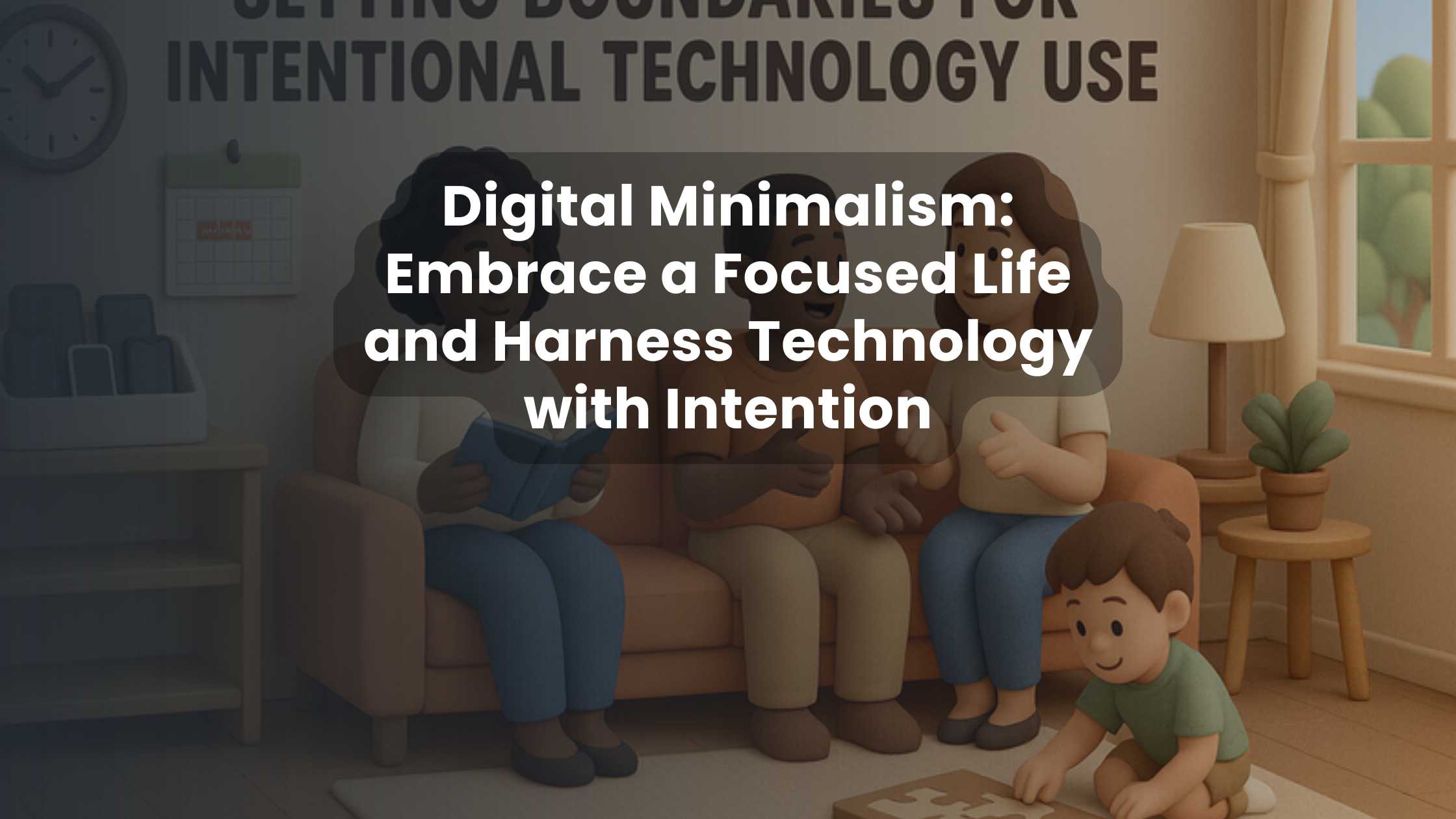
Setting clear boundaries around technology helps maintain progress in decluttering your digital life. Simple rules like device-free zones during meals or designated offline weekends create space for deeper connections and mental rest. Regularly reassess these boundaries to adapt as your needs change. For example, a family might agree to no phone use during dinner, fostering better communication and presence. These intentional limits empower you to control technology, making it a tool rather than a source of distraction.
Effective Strategies to Reduce Digital Distractions Daily
Understanding digital minimalism is the foundation of effective strategies to reduce digital distractions daily. This concept encourages purposeful use of technology rather than mindless consumption. Instead of abandoning devices, digital minimalism helps you align your tech habits with your core values, making technology a tool that supports your goals. For example, rather than endlessly scrolling social media, you might choose to engage only in platforms that inspire creativity or professional growth. This shift not only reduces the noise but also increases your sense of control over digital interactions.
Starting with a digital declutter can dramatically improve focus and reduce overwhelm. Begin by unsubscribing from unnecessary emails that flood your inbox and delete apps you rarely use. Organize files and notifications to create a more streamlined digital environment. One effective approach is setting aside a weekend to cleanse your devices, which can lead to a noticeable boost in mental clarity. Studies show that people who regularly declutter their digital space feel less stressed and more productive throughout the day.
To maintain focus, schedule specific times for checking emails and social media instead of responding to notifications as they come. Using apps that limit screen time can help enforce these boundaries by blocking distracting websites during work hours. For instance, employing tools like Focus@Will or Forest can encourage deeper engagement and reduce the temptation to multitask. This kind of intentional scheduling fosters better concentration and helps you complete tasks more efficiently.
Aligning your technology use with personal values ensures that your online activities enrich your life rather than detract from it. Reflect on how your current habits support your goals—be they professional development, learning new skills, or nurturing relationships—and adjust accordingly. For example, dedicating time to educational podcasts or virtual book clubs can turn screen time into a meaningful experience. This approach transforms digital engagement into a purposeful activity, enhancing both satisfaction and productivity.
Practicing intentionality by setting clear boundaries around technology use can reinforce healthy digital habits. Simple rules like device-free meals or taking weekend breaks from screens create necessary pauses that refresh your mind. Regularly revisiting and adjusting these rules helps maintain balance as your goals evolve. Incorporating these boundaries into daily routines encourages mindfulness and prevents digital distractions from creeping back in, fostering sustained focus and well-being.
The long-term benefits of these strategies extend far beyond improved productivity. Embracing digital minimalism can reduce stress, enhance mental health, and create more time for hobbies, learning, and meaningful connections. For example, individuals who cut down on mindless digital consumption often report feeling more present and engaged in real-world interactions. These positive changes contribute to a more fulfilling and balanced life, making the effort to reduce digital distractions well worth it.
Aligning Your Technology Use with Personal Values
Aligning your technology use with personal values begins with understanding digital minimalism, a concept that encourages purposeful engagement with devices rather than mindless consumption. This approach is about making technology serve your life’s priorities, not distract from them. For example, instead of scrolling endlessly through social media, you might choose to use your phone to connect with close friends or learn a new skill. By focusing on meaningful digital interactions, you can reduce overwhelm and regain control over your time and attention.
To start aligning your tech use with what truly matters, begin decluttering your digital environment step by step. Unsubscribe from newsletters that no longer interest you, delete apps that rarely add value, and organize your files to create a sense of order. These simple actions can bring immediate relief from digital chaos and help you focus on what aligns with your goals. Research shows that people who declutter digitally report lower stress levels and greater satisfaction with their online experience, making this an effective first step toward intentional technology use.
Reducing digital distractions is essential for maintaining focus and staying true to your values. Consider setting specific times to check emails or social media rather than responding impulsively throughout the day. Tools like screen time trackers or app blockers can help enforce these boundaries, enabling you to engage deeply with tasks without constant interruptions. For instance, scheduling an hour of uninterrupted work on a project without digital distractions can boost productivity and align with your goal of professional growth.
Regularly evaluating your digital habits against your personal values helps ensure your technology use remains beneficial. Reflect on whether your online activities support your goals, such as spending more time on educational content or nurturing relationships. If you notice time spent on mindless entertainment outweighing meaningful engagement, adjust accordingly. This conscious alignment fosters a digital life that enriches rather than drains, supporting both personal and professional aspirations.
Practicing intentionality with technology means setting clear boundaries that reflect your priorities. Simple rules like device-free meals, designated tech-free hours, or weekend breaks can create space for deeper connections and relaxation. Revisiting these boundaries regularly allows you to adapt as your goals evolve, helping maintain a mindful relationship with technology. These practices not only reduce stress but also promote a balanced lifestyle where technology enhances your well-being.
By embracing digital minimalism and aligning technology use with your core values, you unlock long-term benefits such as improved mental health, stronger relationships, and more time for passions and learning. This mindful approach empowers you to reclaim your digital presence and live more fully in the moment. Start your journey today by making technology a tool that supports your values and enriches your life with purpose and clarity.
Exploring Long-Term Benefits of Digital Minimalism
Digital minimalism is a philosophy centered on purposeful technology use. It emphasizes the importance of making devices serve your life rather than allowing them to control you. This approach encourages individuals to align their tech habits with their core values, reducing overwhelming distractions and enhancing personal control. By adopting digital minimalism, users can transform their relationship with technology, turning it into a tool for empowerment rather than a source of stress.
To embark on the journey of digital minimalism, starting with a digital declutter is essential. This process involves a digital detox, which can be as simple as unsubscribing from unnecessary emails, deleting unused apps, and organizing digital files. By streamlining your digital environment, you create a more peaceful and stress-free experience. This initial step not only improves your digital landscape but also boosts your peace of mind, making it easier to focus on what truly matters.
Reducing digital distractions is another critical strategy in the quest for focus and productivity. Scheduling specific times for checking emails and engaging with social media can help minimize interruptions. Additionally, using apps designed to limit screen time can further support your efforts to maintain deep engagement in tasks. By implementing these strategies, you can cultivate an environment that fosters concentration and productivity, allowing you to accomplish more with less digital noise.
Aligning your technology use with personal values is a key component of digital minimalism. Take the time to evaluate your digital habits and assess whether your online activities support your core values and goals. Engaging in enriching activities that enhance your personal and professional life ensures that your digital interactions are beneficial. This alignment not only maximizes the positive impact of technology but also makes your time online feel more fulfilling.
The long-term benefits of adopting a digital minimalist lifestyle are profound. Individuals often experience increased productivity, reduced stress levels, and improved mental health. With a clearer digital space, there is more time available for hobbies, learning, and nurturing relationships. These benefits contribute to a more balanced life, enabling individuals to prioritize what truly adds value to their existence and fostering a sense of fulfillment that goes beyond mere numbers on a screen.
Practicing intentionality in technology use is vital for sustaining the benefits of digital minimalism. Setting clear boundaries, such as device-free meal times or designated tech-free weekends, can help reinforce these principles. Regularly reassessing your digital habits ensures they remain aligned with your evolving goals and values. This ongoing commitment to intentionality supports a mindful approach to technology, making it a consistent part of a fulfilling lifestyle.
Ultimately, digital minimalism provides a path to greater fulfillment and a more balanced life. By reclaiming your digital presence, you can enhance your attention span and cultivate a deeper engagement with the present moment. This intentional approach to technology not only empowers individuals but also opens the door to a life enriched by mindful experiences. Begin your journey toward a clutter-free digital existence today, making technology a tool that genuinely serves your needs and enhances your overall quality of life.
Setting Boundaries for Intentional Technology Use
Setting boundaries for intentional technology use begins with understanding digital minimalism, a philosophy that encourages purposeful interaction with devices rather than mindless consumption. This approach helps users align their technology habits with their core values, reducing the feeling of being overwhelmed by constant notifications and endless digital noise. For example, a professional might choose to limit social media use to 30 minutes per day, focusing instead on tools that directly support their career goals. This clarity creates a foundation for more mindful tech habits and a stronger sense of control over one’s digital environment.
Starting the process often involves decluttering your digital space to remove unnecessary distractions. Begin with a digital detox by unsubscribing from promotional emails that flood your inbox, deleting apps that no longer add value, and organizing digital files for easy access. This step-by-step approach is proven to alleviate stress and improve focus. A recent study showed that people who regularly clear their digital clutter report higher satisfaction with their tech use and experience less anxiety. By simplifying your online environment, you create room for more meaningful interactions and reduce the temptation to multitask inefficiently.
Reducing digital distractions is crucial for maintaining focus in today’s hyperconnected world. Scheduling specific times for checking emails or social media helps prevent constant interruptions and promotes deep engagement with important tasks. Additionally, using screen time management apps can enforce limits and provide reminders when you exceed set boundaries. For instance, a student might block social media during study hours, leading to better retention and academic performance. These practical strategies not only improve productivity but also foster healthier relationships with technology by encouraging intentional breaks.
Aligning your technology use with personal values ensures that your digital habits contribute positively to your overall well-being. Reflect on how your online time supports your goals—whether it’s networking for career advancement, learning new skills, or nurturing relationships. For example, prioritizing video calls with family over endless scrolling on social feeds reinforces meaningful connections. This alignment transforms technology from a source of stress into a tool that enriches your daily life, keeping your digital activities purposeful and fulfilling.
Practicing intentionality through clear boundaries, such as device-free meal times or weekend tech breaks, helps sustain a balanced lifestyle. Regularly reassessing these limits ensures they remain relevant as your goals evolve. For example, a person might start with no-phone dinners and later add daily morning routines without screens to cultivate mindfulness. These boundaries support mental health by creating designated periods for rest and reflection, reducing the risk of burnout caused by continuous digital engagement.
To make these boundaries effective, consider these practical steps:
– Set specific tech-free zones in your home, like bedrooms or dining areas.
– Schedule daily or weekly digital detox periods to recharge mentally.
– Use built-in device settings or apps to monitor and limit screen time.
– Communicate your boundaries with family and friends to build mutual respect.
– Reflect weekly on your tech habits and adjust boundaries as needed.
Implementing these measures empowers you to take control of your digital life, leading to increased productivity, reduced stress, and more time for meaningful activities. Embracing intentional technology use through well-defined boundaries is key to living a balanced and fulfilling life in today’s digital age.
Boosting Focus and Fulfillment Through Digital Minimalism
Digital minimalism is about using technology with clear purpose. Instead of abandoning devices altogether, it encourages aligning your tech habits with your core values. This approach helps you avoid overwhelming distractions and gain greater control over your digital environment. For example, choosing to engage only in online activities that support your goals can transform technology from a source of stress into a valuable tool. Understanding digital minimalism as a core concept lays the foundation for boosting focus and fulfillment in today’s busy, tech-driven world.
Starting your journey with a digital detox can create immediate relief from digital clutter. This involves unsubscribing from unnecessary emails, deleting unused apps, and organizing files to simplify your digital space. By taking these steps, you reduce mental noise and create a calmer environment that supports concentration. Many people report feeling more peaceful and less overwhelmed after just a few days of decluttering their digital life, which directly contributes to increased productivity and satisfaction.
Reducing digital distractions is key to maintaining focus throughout the day. One effective strategy is to schedule specific times for checking emails and social media, rather than responding on impulse. Additionally, apps that limit screen time can help enforce these boundaries, allowing deeper engagement with important tasks. For instance, setting your phone to “Do Not Disturb” during work hours can prevent constant interruptions, enabling you to work more efficiently and feel a stronger sense of accomplishment.
Aligning your technology use with your personal values deepens the benefits of digital minimalism. Take time to evaluate whether your online activities support your professional and personal goals. Focus on enriching experiences like learning new skills, connecting meaningfully with others, or pursuing hobbies rather than passive scrolling. By consciously choosing how you spend your digital time, you ensure that technology serves your long-term fulfillment rather than detracting from it.
Practicing intentionality means setting clear boundaries for when and how you use devices. Simple habits such as device-free meals or designated weekend breaks from screens can create space for genuine connection and relaxation. Regularly reassessing these boundaries helps you stay aligned with evolving goals and prevents slipping back into distracting patterns. This ongoing commitment supports sustained mental clarity and emotional well-being.
The long-term benefits of digital minimalism extend beyond productivity gains. People who adopt this lifestyle often experience reduced stress, better mental health, and stronger relationships. With fewer digital distractions, there’s more time for hobbies, learning, and quality moments with loved ones. Studies show that reducing screen time can improve sleep and mood, further enhancing overall fulfillment. Embracing digital minimalism paves the way for a balanced life where technology empowers rather than overwhelms.
Embracing a Balanced Life Through Digital Minimalism for Wellbeing
Digital minimalism centers on using technology deliberately and with intention. Rather than abandoning devices altogether, it encourages aligning digital use with your core values to avoid unnecessary distractions. This approach helps you regain control over your digital environment, making technology a purposeful tool instead of a source of constant overwhelm. For example, instead of mindlessly scrolling through social media, you might choose to engage only with content that supports your personal growth or professional goals, ensuring your time online is meaningful and enriching.
Starting a digital decluttering process can significantly improve your wellbeing. A practical first step is undertaking a digital detox by unsubscribing from unwanted email lists and deleting apps that no longer serve a purpose. Organizing files and reducing notifications creates a calmer digital space, reducing cognitive load and stress. Studies show that even short periods of reduced screen time can improve mood and focus, highlighting how decluttering your digital life fosters a more peaceful mind and greater clarity.
To maintain focus and reduce digital distractions, implementing strategies such as allocating specific times to check emails or social media can be highly effective. Using apps designed to limit screen time or block distracting websites helps prevent habitual interruptions that fragment attention. For instance, scheduling a 30-minute block in the afternoon to handle online tasks can enhance productivity and deepen engagement with work or hobbies, allowing you to fully immerse yourself without constant digital noise.
Aligning your technology use with personal values is a key element of digital minimalism. Reflect on how your current habits support or hinder your long-term goals. Are your online activities helping you learn new skills, connect with loved ones, or advance professionally? Prioritizing enriching digital interactions ensures technology contributes positively to your life rather than detracting from it. An example could be choosing educational podcasts or virtual workshops over passive entertainment, fostering growth and satisfaction in daily routines.
Embracing digital minimalism unlocks numerous long-term benefits for wellbeing. Users often experience increased productivity as fewer distractions allow deeper concentration. Stress levels decline thanks to reduced information overload and better management of digital inputs. Additionally, nurturing real-life relationships becomes easier when screen time is intentional and limited. Research indicates that people practicing digital minimalism report better mental health, more leisure time, and a greater sense of fulfillment, illustrating how this lifestyle supports holistic wellness.
Practicing intentionality by setting clear boundaries around technology use is essential. Establish habits like device-free meals or dedicating weekends to unplugging to recharge mentally and emotionally. Regularly reassessing these boundaries ensures they continue to align with your evolving needs and goals. By integrating such practices, you cultivate self-awareness and discipline, which help maintain a balanced digital life and prevent slipping back into reactive or compulsive tech use.
To begin your journey toward a balanced life through digital minimalism, start small and build sustainable habits. Set achievable goals like removing one distracting app per week or designating tech-free zones in your home. Use reminders to pause before reaching for your phone and reflect on whether the use aligns with your values. These simple steps empower you to take control of your digital experience, making technology a tool that supports wellbeing and enriches your daily life rather than draining it.
Conclusion
In embracing digital minimalism, you take a conscious step toward reclaiming control over your technology use and aligning it with what truly matters in your life. By understanding the core concept, starting with a thoughtful decluttering of your digital space, and implementing strategies to reduce distractions, you create room for deeper focus and meaningful engagement. Reflecting on your values ensures that your tech habits support your personal and professional goals, while setting clear boundaries helps maintain this intentional approach over time. The long-term benefits are profound, including improved productivity, reduced stress, stronger relationships, and a greater sense of fulfillment.
Now is the perfect time to begin your journey toward a more purposeful digital life. Take a moment to evaluate your current technology habits and consider one small change you can make today to bring greater intention and clarity to your digital experience. For more insights and practical tips on living intentionally with technology, continue exploring the world of digital minimalism and discover how it can transform your life.
FAQ
Frequently Asked Questions about Digital Minimalism: Embrace a Focused Life and Harness Technology with Intention
What is digital minimalism?
Digital minimalism is a philosophy of using technology purposefully and intentionally. It means not simply getting rid of devices, but aligning your tech use with your core values to avoid distractions and regain control over your digital life.
How do I start practicing digital minimalism?
Begin with a digital detox by unsubscribing from unnecessary emails, deleting apps you no longer use, and organizing your files. This initial decluttering creates a calmer and more manageable digital environment, helping reduce stress and improve focus.
How can I reduce digital distractions during my day?
Set specific times to check emails and social media rather than responding constantly. Use apps or built-in features that limit screen time and notifications. These strategies help maintain deep engagement in your work or personal projects without frequent interruptions.
How do I ensure my technology use aligns with my personal values?
Reflect on how your current digital habits support or detract from what matters most to you. Choose to spend your online time on activities that enrich your life and support your goals, both personal and professional, so your technology use becomes more meaningful and beneficial.
What are the long-term benefits of practicing digital minimalism?
Adopting digital minimalism can lead to increased productivity, lower stress levels, and stronger relationships. It also supports better mental health and frees up time for hobbies, learning, and spending quality moments with loved ones.
How can I set boundaries to practice intentional technology use?
Create clear limits such as no devices during meals or technology-free weekends. Regularly review and adjust these boundaries as your needs and goals evolve to maintain a balanced and intentional relationship with your digital tools.
Why is digital minimalism considered a path to greater fulfillment?
By reclaiming your digital presence and focusing your attention, digital minimalism helps you live more fully in the present moment. This mindful approach fosters a balanced lifestyle with limitless rewards in focus, well-being, and personal growth.
How do I maintain digital minimalism over time?
Ongoing awareness and adjustment are key. Periodically reassess your digital habits to ensure they continue to serve your values and goals. Staying committed to intentional use helps sustain the benefits and adapt as your life changes.
Where can I begin my journey toward digital minimalism?
Start small by identifying one area of your digital life to declutter or set new boundaries. Gradually build upon these changes, making technology a tool that supports and enriches your life rather than overwhelms it.